
Review · SPAIN
Cabo de Gata: Stargazing Experience
Stars need a quiet shore. This two-hour Cabo de Gata evening combines a calm beach setting with a clear introduction to astronomy, making the night sky easier to read instead of merely pretty to look at. I like the relaxed setup with a mat, pillow, and blanket, and I like the way the guide connects constellations with old myths. The main consideration is language: the live guide speaks Spanish, so this is not the right choice if you need a French-language explanation.
The setting is Los Genoveses beach, where the Mediterranean coast gives the evening a memorable backdrop. Spanish guide Leo has been praised for keeping the explanations lively and for involving children, while another session included the moon, stars, and a telescope. The exact equipment used may vary, but you should expect astronomy instruction, constellation spotting, and a group photo rather than a full observatory visit.
Key points to know
- Los Genoveses beach provides the setting: You spend the evening on one of Cabo de Gata’s coastal beaches, looking skyward beside the Mediterranean.
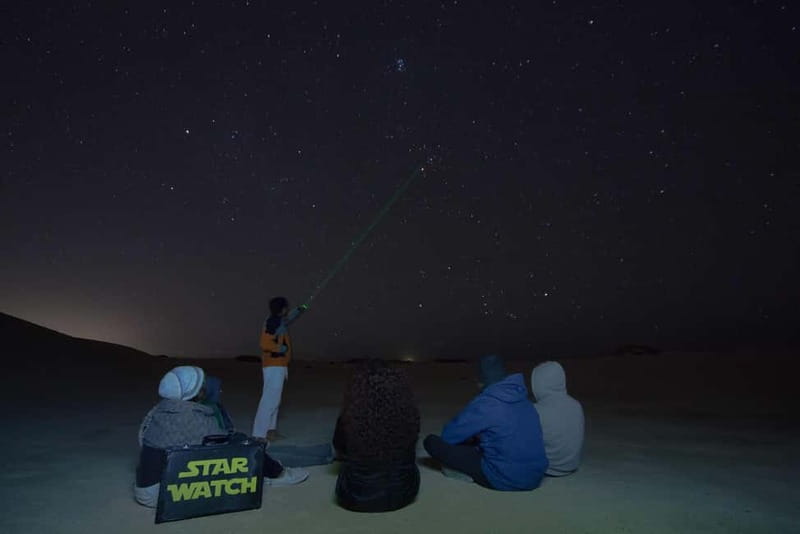
- The guide teaches practical star-finding: You learn to locate the North Star, identify major constellations, and tell different objects in the night sky apart.
- The mood is deliberately comfortable: A mat, pillow, and blanket are provided, so you can lie back rather than stand for the entire session.
- Myths make the lesson easier to remember: Famous constellations come with the stories traditionally linked to them.
- Spanish is the tour language: The guide leads the experience in Spanish, an important point for anyone expecting another language.
- The price is $35 per person: For two hours of guided instruction, beach time, and provided comfort items, the cost is fair if astronomy is part of your holiday plan.
A beach after dark changes the pace of a Cabo de Gata visit. Instead of moving from one sight to the next, you settle into one place and let the sky do the work.
This experience is built for that slower kind of evening. You meet at the designated point at Los Genoveses beach, receive an introduction to astronomy, and then spend the rest of the session learning how to make sense of the stars above the Mediterranean coast.
The activity lasts two hours. That is long enough for a real lesson, but short enough to fit around dinner or other plans. You will want to check the available starting time when booking, since the experience is scheduled after dark and start times can vary.
Arriving at Los Genoveses beach
The meeting point matters here because there is no hotel pick-up or drop-off. You need to make your own way to Los Genoveses beach, so check your route before setting out and leave enough time to find the meeting point.
The beach gives the session its character. You are not sitting in a formal classroom or looking at a screen indoors. You are learning beneath the same sky the guide is explaining, with the Mediterranean coast nearby. That direct connection makes even basic astronomy feel useful.
Still, keep your expectations sensible. This is a guided beach experience, not a large astronomical observatory with a full set of instruments. Its appeal comes from the setting, the explanation, and the simple pleasure of lying beneath the night sky.
More Stargazing Tours in Spain:
- Tenerife: Teide National Park Sunset & Stargazing Tour
★ 4.2 · 3,812 reviews - Tenerife: Sunset and Stargazing at Teide National Park
★ 4.7 · 2,826 reviews - Teide National Park Sunset & Stargazing with Dinner (Star Safari)
★ 5.0 · 2,601 reviews
The opening astronomy lesson
Once everyone has met, the specialized guide introduces the basics of astronomy and stargazing. The lesson focuses on things you can continue using after the activity ends, especially finding the North Star and recognizing the main constellations.
That practical approach is one of the strongest reasons to book. You are not only being shown attractive points in the sky. You are being given a way to get your bearings when you look up on another night.
The guide also explains how to distinguish different objects in the night sky. This gives the evening more substance than a quick round of pointing out stars. You begin to understand what you are seeing, rather than treating every bright point as the same.
The guide’s manner can make a real difference, especially for families. Leo has been singled out for making the explanations clear and enjoyable, with particular care for children. That is useful information if you are deciding between a quiet adult activity and something your whole family can follow.
Finding the North Star and major constellations
Locating the North Star is a natural center of the lesson. It gives you a fixed reference point and helps turn a crowded sky into something more organized.
From there, the guide moves to the main constellations visible during the session. You will learn where to look and how to recognize their patterns. The specific constellations depend on the date and the night sky, so the lesson is tied to what is actually visible rather than being a fixed indoor presentation.
This is where the experience suits curious beginners best. You do not need prior astronomy knowledge. You only need enough patience to look carefully and follow the guide’s directions.
The session also covers the difference between objects in the sky. That may sound basic, but it is exactly the sort of information that improves your own stargazing later. You leave with a clearer sense of what counts as a star, what may be a planet, and how constellations work as visual patterns, though the precise details covered can depend on the night.
Myths that give the stars a human story
The guide does not treat the constellations as simple dots on black paper. Famous star patterns are linked with mythological stories, and those tales are narrated during the evening.
I like this part because stories make the information stick. You may forget a technical explanation, but a memorable myth can help you recall which constellation you were looking at and why people gave it that name.
The stories also add a cultural layer to the evening without turning it into a history lecture. The experience remains light and accessible, with astronomy and storytelling working together.
For children, this can be the moment when the activity clicks. A long explanation about stars can lose a young audience quickly, but a myth gives the constellation a character and a reason to remember it. The guide Leo has been especially effective at keeping younger participants engaged.
Same dark sky, a different way to spend it:
- Teide National Park: Sunset & Stargazing Safari with Dinner
★ 4.6 · 2,115 reviews - Teide by Night: Sunset & Stargazing with Telescopes Experience
★ 4.5 · 1,492 reviews - Teide: Guided Sunset & Stargazing Tour by Night with Dinner
★ 4.7 · 1,339 reviews - Sunset & Stargazing Experience From Teide
★ 4.5 · 1,129 reviews
Lying back beneath the Mediterranean sky
After the introduction, you can relax on the provided mat with a pillow and blanket. This is more than a small comfort detail. Stargazing often involves looking upward for a long time, and lying back makes that much easier on your neck.
The setup also changes the mood. You are encouraged to slow down, look up, and let the guide lead your attention from one part of the sky to another. It feels less like a fast sightseeing stop and more like a quiet night outdoors.
The beach setting is attractive, but remember that this remains an outdoor activity. Bring clothing suitable for an evening by the coast. A blanket is supplied, but personal comfort can vary, and the information provided does not specify the temperature or weather conditions for each session.
Food and drinks are not included. Plan those separately, especially if you are arranging the activity around an evening meal. The tour itself is focused on the sky, not on a beach picnic.
Telescope viewing and the group photograph
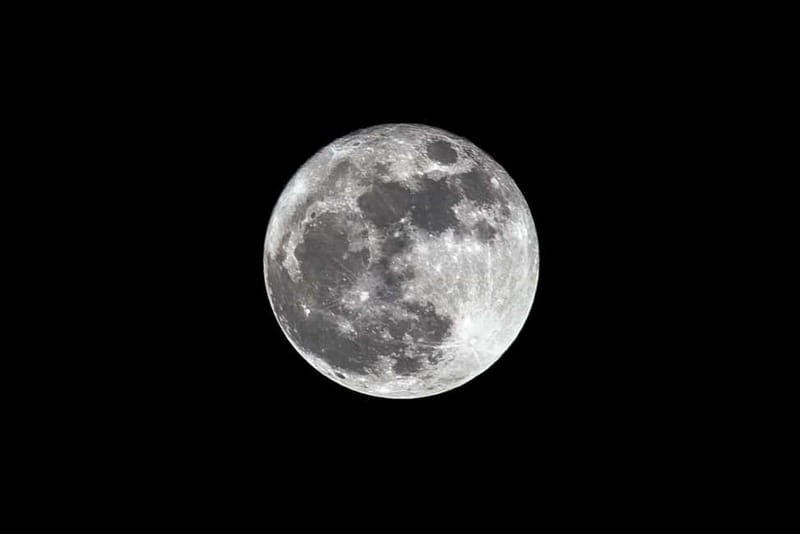
One session included a telescope, with the moon and stars serving as a memorable finish to the evening. That suggests you may get a closer look at selected objects when conditions and equipment allow.
The telescope should be treated as a possible bonus rather than the central promise of the activity. The included details focus on the guide’s instruction, naked-eye stargazing, and the beach setup. If a telescope is especially important to you, confirm what will be available for your chosen date.
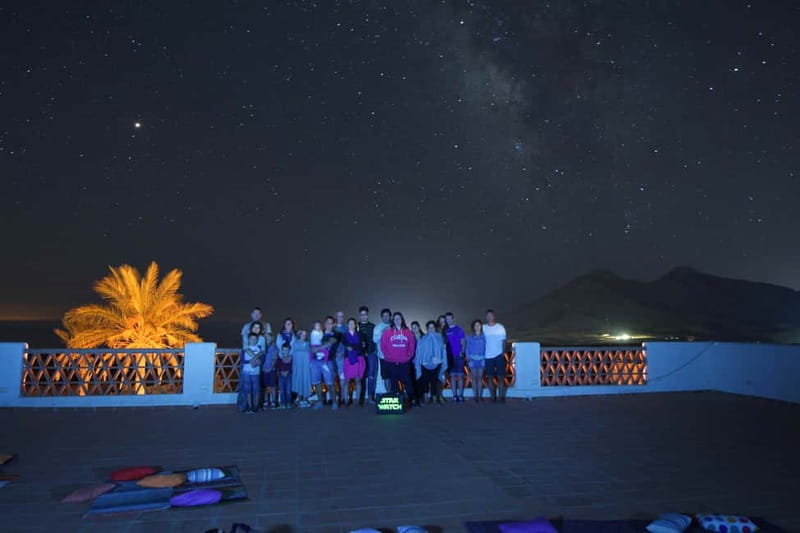
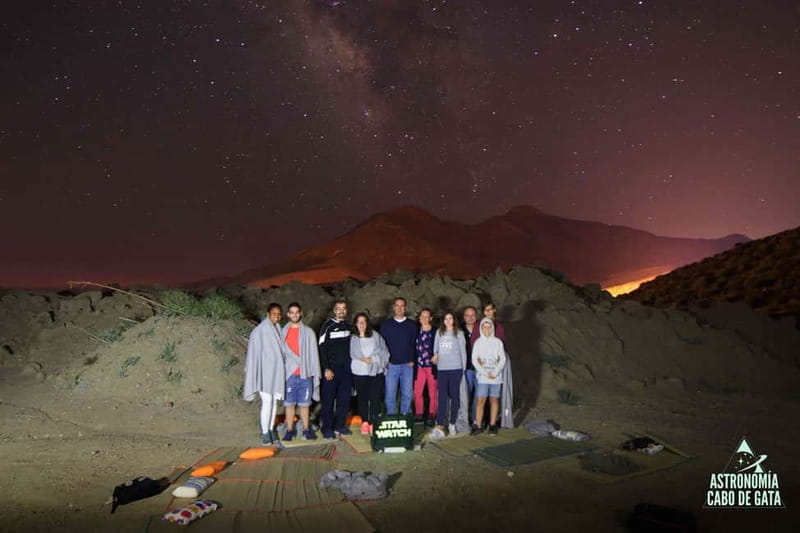
The evening ends with a group photo. It is a simple touch, but it gives you a record of the experience and the people who shared the beach with you.
Do not expect a private portrait session or a large package of photographs. The inclusion is one group photo, which is enough for a keepsake but not a substitute for your own camera or phone pictures.
Is $35 a fair price?
At $35 per person, the experience is reasonably priced for a two-hour guided activity. The cost covers the astronomy lesson, a Spanish-speaking specialist guide, the mat, pillow, blanket, and group photo.
The value depends on what you want from a night in Cabo de Gata. If you only want to sit on the beach and look at stars, you could do that without paying. The fee earns its keep through the structure and explanation: you learn how to find the North Star, recognize constellations, understand sky objects, and hear the myths attached to them.
It is also a useful choice for families because the guide’s approach has worked well with children. A well-timed story or telescope view can hold their attention better than an unstructured evening of simply pointing at the sky.
The price feels less attractive if you need transport, refreshments, or a guide in another language. None of those are included. You also should not book it expecting a full scientific workshop or a guaranteed telescope session.
Language, accessibility, and planning
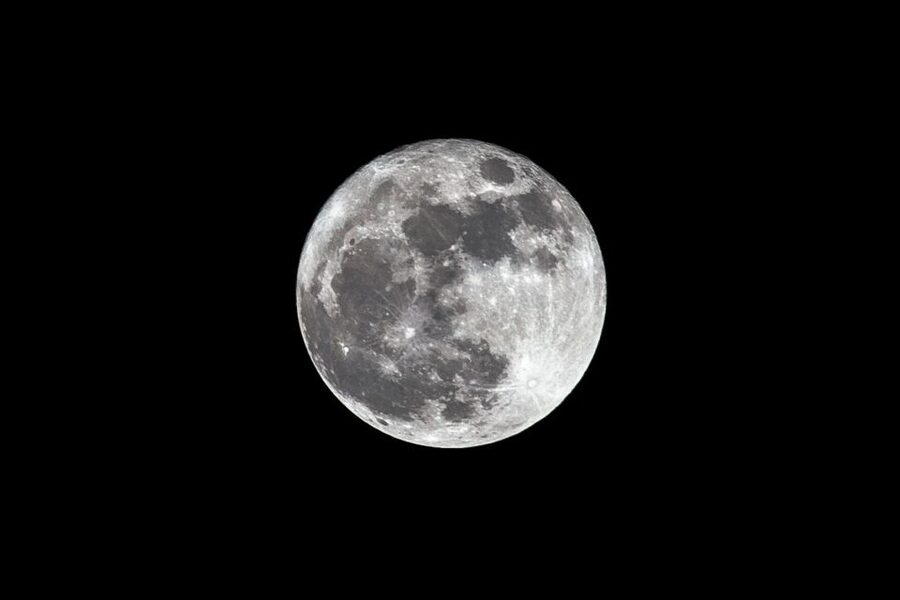
The live tour guide speaks Spanish. This is not just a minor booking detail, since the value of the experience comes from the explanations and stories. If you understand Spanish, you should be able to follow the lesson directly. If you do not, the visual setting may still be pleasant, but you could miss much of the astronomy and mythology.
A French-language booking would need particular care. One experience intended to be in French had most of the information delivered in Spanish, so you should confirm the operating language before paying if French instruction is essential.
The activity is listed as wheelchair accessible. You should still check the exact meeting arrangements if you have specific mobility needs, since the experience takes place at a beach rather than in a conventional indoor venue.
Cancellation is flexible up to 24 hours before the start time, with a full refund. You can also reserve now and pay later, which helps if you are still arranging the rest of your Cabo de Gata plans.
Who will enjoy this evening most?
I would recommend it most strongly to:
- Families looking for a calm evening activity with a guide who can hold children’s attention
- Beginners who want to learn the basics of identifying stars and constellations
- Couples or friends who prefer a quiet beach evening to a crowded night out
- Visitors who enjoy mythology as much as science
- Anyone who wants a short, easy-to-fit activity lasting two hours
It may not suit you if you want a private session, a guaranteed telescope viewing, a meal, or a guide in a language other than Spanish. It is also less suitable if you dislike sitting outdoors after dark or prefer an activity with transportation included.
Should you book the Cabo de Gata stargazing experience?
Book it if you want more than a pretty beach at night. The guide gives you practical ways to read the sky, the myths add charm, and the mat, pillow, and blanket make the two-hour session comfortable.
Families should give it serious thought, especially if Leo is leading the session. The activity has shown that it can keep children interested, and the moon or telescope viewing may provide a memorable high point.
Skip it if Spanish will make the explanation hard to follow, or if you need hotel transport and refreshments included. For everyone else, $35 is a fair price for a peaceful Mediterranean evening with a little astronomy that you can carry into the next clear night.
FAQ
Where does the stargazing experience take place?
The activity takes place at Los Genoveses beach on the Mediterranean coast in Cabo de Gata, Spain.
How long does the experience last?
The stargazing session lasts two hours. You need to check availability for the starting time.
What language does the guide speak?
The live guide speaks Spanish. The activity information does not list another tour language.
What is included in the price?
A mat, pillow, blanket, and group photo are included.
Are food and drinks included?
No. Food and drinks are not included.
Is hotel transportation provided?
No. Hotel pick-up and drop-off are not included, so you need to reach the meeting point yourself.
Is the activity wheelchair accessible?
Yes. The experience is listed as wheelchair accessible.
Can I cancel or pay later?
You can cancel up to 24 hours in advance for a full refund. You can also reserve your place and pay later.
Just added around Spain
- VIP Sunset & Stargazing experience★ 4.5 · 44 reviews
- Skip the Line: Teide Observatory Entrance Ticket★ 3.0 · 33 reviews
- Small Group Teide Stargazing Tour with Picnic at Sunset★ 5.0 · 3 reviews
- Sunset and stargazing from Teide★ 3.5 · 51 reviews
- Tenerife Exclusive & Private Gastronomic, Sunset-Stargazing★ 5.0 · 3 reviews
- TEIDE NIGHT Astronomy Stargazing Bus Tour, Meal & Drinks included!★ 4.0 · 15 reviews
- Sunset & Stargazing Experience from Teide★ 4.0 · 31 reviews
- “Stargate” Tenerife stargazing★ 5.0 · 13 reviews
Stargazing Tours, compared.
Dubai Red Dunes ATV, Camels, Stargazing & 5* BBQ Al Khayma Camp
Read our review →
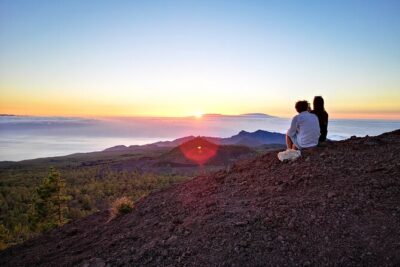
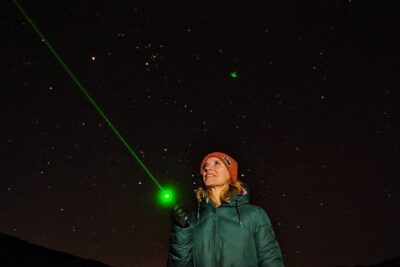
Teide National Park Sunset & Stargazing with Dinner (Star Safari)
Read our review →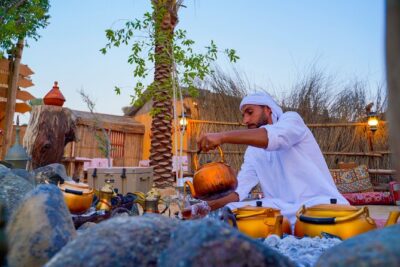
Sunset Camel Trek, Al Khayma Camp, Stargazing & BBQ
Read our review →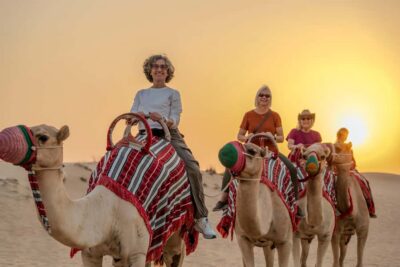
Overnight Safari, Dinner, Stargazing & Al Khayma Camp
Read our review →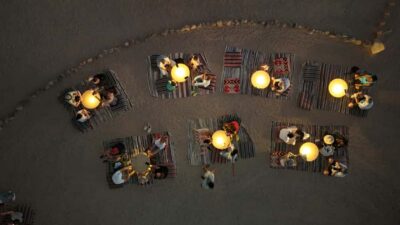
Dubai Overnight Desert Safari, BBQ & Stargazing at Al Khayma Camp
Read our review →Browse the lists this tour appears in