
Review · NATIONAL PARK
Tenerife. Stargazing in Teide National Park
The sky gets serious after sunset. This two-hour stargazing session in Teide National Park gives you far more than a quick look at a few bright stars. With a high-end telescope, laser-guided explanations, and a small group led by Starlight-accredited guide Roberto, you get a calm, clear introduction to planets, constellations, galaxies, and the stories people have told about them.
I especially like the small-group format, which gives you time at the telescope instead of making you wait behind a crowd. I also like the thoughtful touches: free photographs under the stars, water, chocolate, and blankets when the mountain air turns cold. The main drawback is simple but important: night temperatures can feel much colder than expected, especially with wind at roughly 2,000 meters.
You meet beside Ermita de las Nieves in Teide National Park about 40 minutes after sunset. There is no transfer, meal, or drink included as part of the formal package, though Roberto has often provided water and chocolate. You will need your own way there, and you should allow extra time for the drive up.
Key points at a glance
- A proper telescope session: The equipment is designed for close views of planets, star clusters, nebulae, galaxies, double stars, and the Moon.
- Roberto leads in English and Spanish: He explains difficult astronomy in plain language and keeps the session friendly and interactive.
- The group stays small: Groups of around 10 to 12 people have been reported, a useful size for asking questions and reaching the telescope.
- The mountain cold is real: Bring a warm coat, fleece, trousers, and sturdy shoes. Blankets may be available, but your own clothing matters most.
- Free keepsake photos: You receive photographs taken under the stars, sometimes with Teide behind you and playful light effects.
- Good value at $41: For two hours of guided observing and quality equipment, the price is reasonable, especially if you want more than a sunset viewpoint.
Why Teide is the right place for stargazing
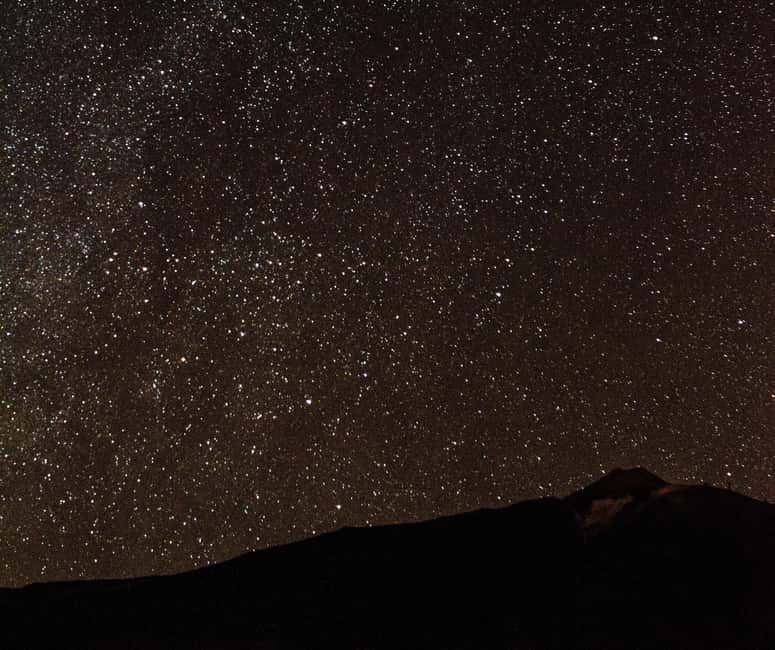
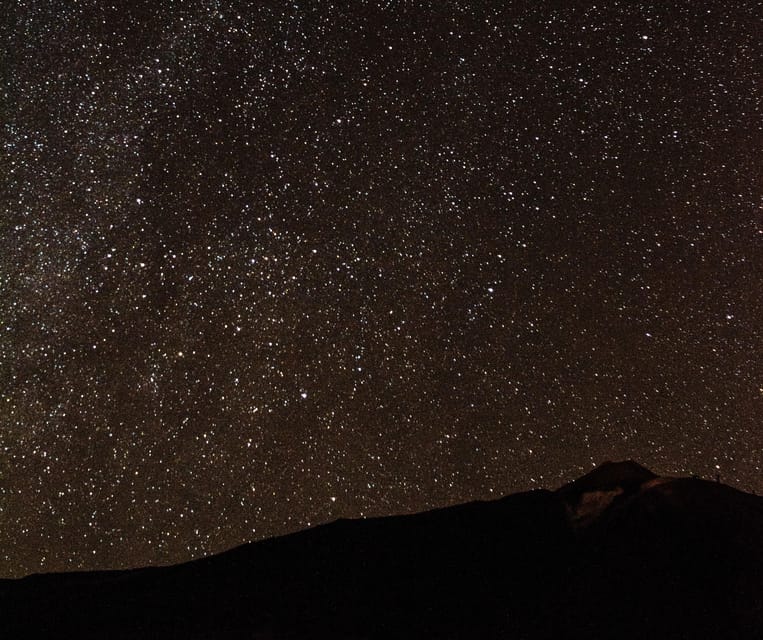
Teide National Park gives this activity its main advantage: distance from the bright lights of Tenerife’s coastal resorts. Once darkness settles over the mountain, the sky becomes the real attraction. You are not simply looking at a black ceiling with a few white dots. You can follow constellations, compare star colors, and begin to understand how the night sky changes through the year.
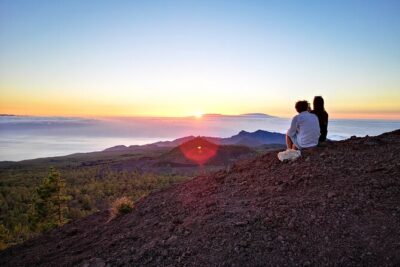
The setting also adds a sense of occasion. You are standing in a high mountain park after sunset, with the volcanic surroundings fading into darkness around you. The quiet helps. Astronomy needs patience, and this is not an activity built around rushing from one photo stop to another.
The meeting point is beside Ermita de las Nieves. The session starts about 40 minutes after sunset, so you have time to arrive, park, and get settled before the proper observing begins. This timing also means that the last daylight has largely gone by the time the telescope comes into use.
You should treat the drive as part of the evening. Several people have found it easy to reach by rental car, with parking near the meeting area, but the road can be busy around sunset. Many visitors head uphill to watch the sun go down, so leave extra time rather than arriving breathless at the last minute.
More National Park Stargazing in Tenerife:
- Tenerife: Teide National Park Sunset & Stargazing Tour
★ 4.2 · 3,812 reviews - Tenerife: Sunset and Stargazing at Teide National Park
★ 4.7 · 2,826 reviews - Teide National Park Sunset & Stargazing with Dinner (Star Safari)
★ 5.0 · 2,601 reviews
Meeting Roberto beside Ermita de las Nieves
Roberto is a big reason this experience works so well. His style is warm and informal, but the astronomy is serious. He explains the sky in English and Spanish, and he is used to speaking to people with very different levels of interest, from children asking basic questions to experienced amateur astronomers bringing their own curiosity.
You do not need to know the difference between a nebula and a galaxy before arriving. Roberto starts with the basics, explains how the celestial sphere appears to move, and points out important stars and constellations. He also connects the science with the mythology and old sky stories attached to them.
That mix keeps the evening from becoming a lecture. You learn how to find the main patterns overhead, but you also hear why people have watched and named them for centuries. The explanations are designed to make the sky easier to read once you return home.
The bilingual format is useful for mixed groups. Roberto has been praised for switching between English and Spanish while keeping both sides involved. If your Spanish is limited, you should still be able to follow the English explanations.
The telescope session, from bright planets to distant galaxies
The heart of the activity is the observing session. The exact objects depend on the season, weather, and what is visible that night, so you should not book expecting one guaranteed planet or constellation. That changing menu is part of the appeal. A summer visit and a winter visit can show you very different sections of the sky.
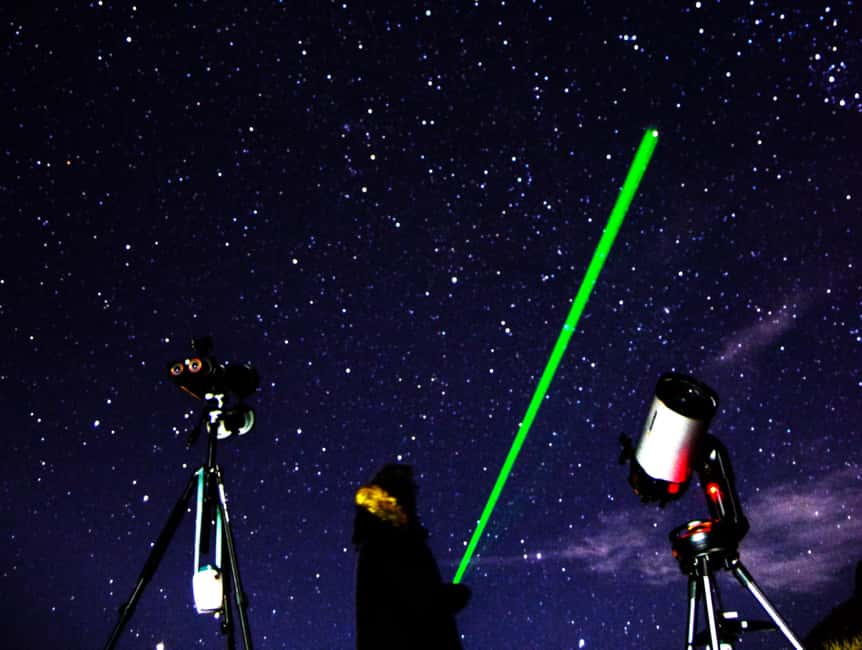
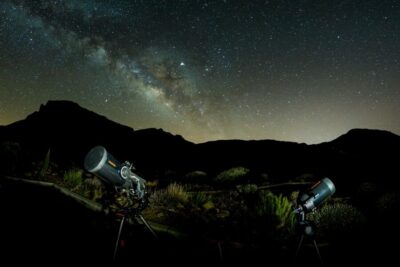
The equipment includes a high-end telescope, and one setup described by an experienced amateur astronomer included an eight-inch Go-To telescope and tripod-mounted astronomy binoculars. That is a useful combination. The telescope gives you closer, more detailed views, while binoculars help you take in wider areas of the sky.
Possible sights include:
- Planets such as Saturn, Neptune, and other visible planets
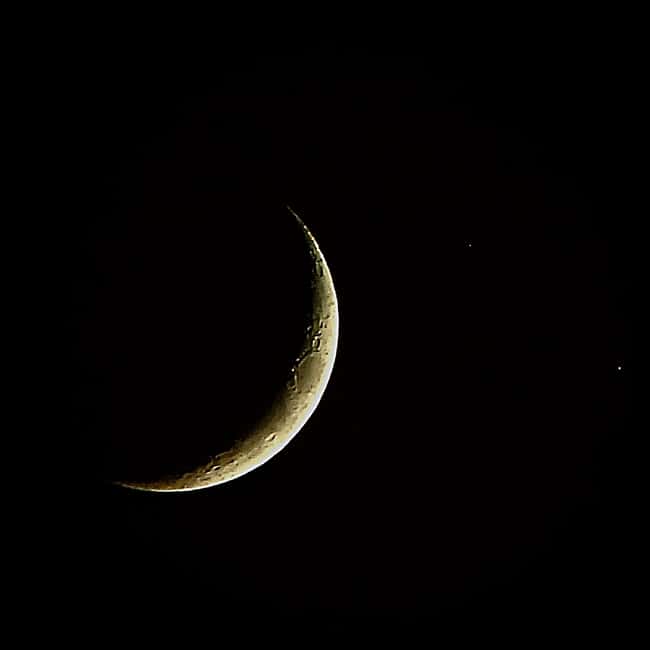
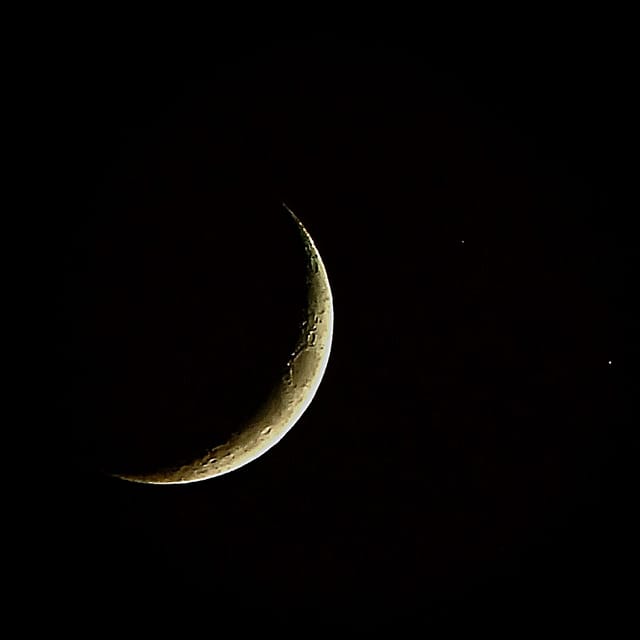
- The Moon, sometimes at different magnifications
- Star clusters and double stars
- Nebulae
- Galaxies, including Andromeda
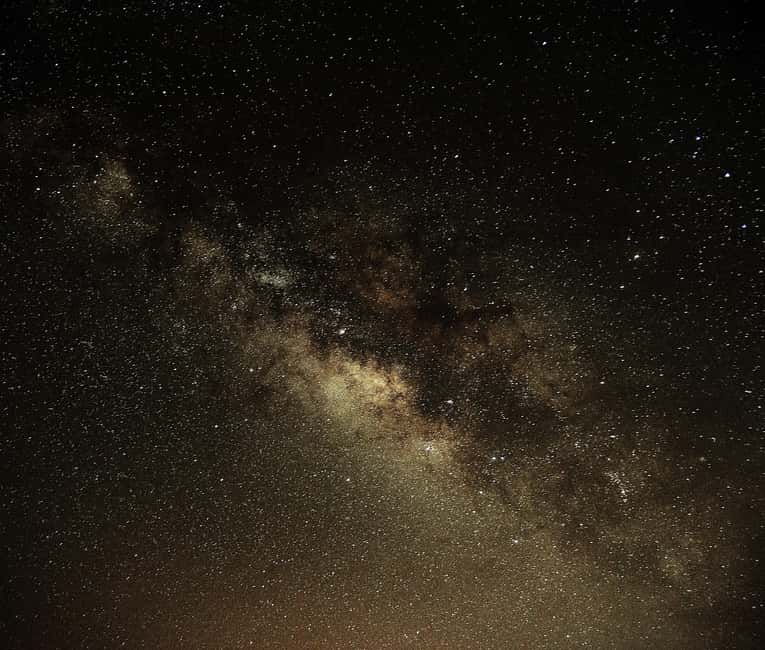
- Constellations and the Milky Way
- Comets or shooting stars when conditions allow
Seeing Saturn’s rings through a telescope can be the evening’s big wow moment. The Moon can also be surprisingly detailed when viewed at different magnifications. Star clusters and double stars offer a different pleasure, showing you that the night sky is not made of isolated points but of varied systems and groupings.
Galaxies and nebulae are more subtle. You may not see the same brilliant colors shown in professional space photographs. What you get is a direct view through the equipment, guided by someone who can explain what you are seeing and how far away it is. That context turns a faint patch of light into something meaningful.
The telescope is shared, so you will not spend the whole two hours looking through it continuously. The small group helps keep the wait reasonable, and Roberto makes sure each person has a chance to see the main objects. If you want a private session with unlimited telescope time, this is not that. If you want a well-run introduction with good equipment, it fits the bill.
Learning to read the sky without equipment
The session is not only about telescope views. Roberto also shows you how to identify major constellations and stars with the naked eye. This matters because the sky can feel confusing at first. A guide helps you connect individual stars into recognizable patterns and understand how the apparent movement overhead works.
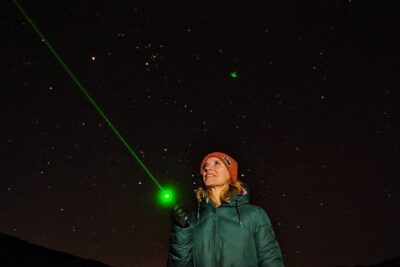
Laser technology makes these explanations easier to follow. Instead of pointing vaguely into the darkness, Roberto can indicate the exact star or constellation under discussion. That is especially helpful when several people are looking in different directions.
You also learn how the night sky changes. The visible objects depend on the time of year and the hour of the evening. That means you leave with more than a list of things seen through a telescope. You gain a basic method for looking up on your own later.
The activity also touches on mythology and astrology. The emphasis is on understanding the cultural stories and the way people have interpreted the sky, alongside the scientific explanation. If you enjoy history, storytelling, and science together, this broad approach adds welcome variety.
More Stargazing Tours in Tenerife:
- Teide National Park: Sunset & Stargazing Safari with Dinner
★ 4.6 · 2,115 reviews - Teide by Night: Sunset & Stargazing with Telescopes Experience
★ 4.5 · 1,492 reviews - Teide: Guided Sunset & Stargazing Tour by Night with Dinner
★ 4.7 · 1,339 reviews - Sunset & Stargazing Experience From Teide
★ 4.5 · 1,129 reviews
Why the small group makes a difference
Astronomy needs a slower pace. A large crowd would make the telescope queue longer and make questions harder to ask. Here, the group size is described as small, with groups of about 10 or 11 people common on some evenings.
That size allows Roberto to check that everyone has seen the object being discussed. He can answer follow-up questions without turning the session into a formal presentation. Families benefit because children can ask simple questions without feeling out of place.
The activity has also worked well for teenagers and older adults. Roberto’s explanations assume no prior knowledge, while still offering enough detail for people who already enjoy astronomy. An experienced amateur astronomer found the equipment and subject matter worthwhile, which is a good sign if you already own a telescope at home.
The relaxed tone is important. You are outside at night, possibly in wind and cold, so a guide who keeps the mood light makes the two hours easier. Roberto uses humor, stories, and small interactive moments rather than asking you to stand silently and listen.
Prepare for the cold at 2,000 meters
This is the practical point you should take most seriously. Teide may be mild during the day and cold after dark. Several visits have recorded temperatures around 3 degrees Celsius, with wind making it feel colder. Other evenings were closer to 10 to 12 degrees, but that is still chilly when you are standing still.
Bring more clothing than you think you need:
- A warm coat and fleece layer
- Long trousers
- Closed shoes or sturdy trainers
- Weather-appropriate clothing for wind
- Extra layers that you can remove if conditions are mild
Blankets, spare fleeces, or jackets may be available, and Roberto has sometimes offered them to people who were underdressed. Still, do not depend on borrowed clothing. Your own warm layers will make it easier to focus on the sky instead of your fingers.
There is no formal lunch or drink included. Water and chocolate have sometimes been provided, but it is sensible to bring your own small snack and water. Avoid treating the refreshments as a promised meal. This remains a two-hour outdoor astronomy session, not a dinner excursion.
The cold is the clearest tradeoff of the location. The high mountain air helps produce excellent viewing conditions, but you pay for it with a sharper nighttime chill.
Free photos and the light-saber surprise
The free photographs are a particularly nice part of the experience. Roberto takes pictures of participants beneath the starry sky, sometimes with Teide in the background. The photographs give you something tangible to take home, which is useful because ordinary phone cameras often struggle in very dark conditions.
Some people have also received playful light-saber-style photos. These are not a replacement for the telescope session, but they add a bit of fun at the end and work well as a family keepsake.
If you are interested in astrophotography, Roberto may also offer guidance on taking your own images. One participant was able to share a personal photo after receiving help. Keep your expectations sensible, though. This is not a dedicated photography workshop, and the main focus remains learning and observing.
The free photos add value to the $41 price without changing the nature of the activity. You are paying for the guide, equipment, explanations, and time under the sky. The photographs are a welcome extra rather than the reason to book.
Is $41 a fair price?
At $41 per person, this is a good-value evening if you already have transport to Teide National Park. A two-hour session with a high-end telescope, a trained Starlight guide, laser explanations, and free photos offers more substance than a casual lookout stop.
The value is strongest for families and first-time stargazers. You do not need to research the sky in advance, buy equipment, or work out what you are seeing alone. Roberto supplies the structure and translates distant points of light into something understandable.
The price is less attractive if you expect hotel pickup, a meal, or a private telescope session. Those are not included. You must arrange your own transport, and the activity is shared with a small group.
The flexible booking terms also reduce some risk. You can cancel up to 24 hours before the activity for a full refund, and you can reserve now while paying later. Check the available start time when booking, since the session timing changes with sunset.
Who will enjoy this most?
I would choose this for families with curious children, couples looking for a quiet evening, teenagers who enjoy science, and adults who want to see the sky properly for the first time. The explanations are friendly enough for beginners, and the equipment offers enough interest for people with some astronomy experience.
It is also a good choice if you want an activity that feels distinct from the usual Tenerife holiday routine. You are not simply visiting another viewpoint or taking another coastal excursion. The mountain setting, darkness, and telescope create a different kind of evening.
You may want to skip it if you dislike cold outdoor activities, have no way to reach the meeting point, or want guaranteed views of one particular planet. Clouds, wind, visibility, and seasonal changes can affect what appears through the telescope.
Babies under one year are not considered suitable for the activity. The tour is wheelchair accessible, but you should still check the meeting conditions directly if you need specific assistance at the outdoor location.
FAQ
Where does the stargazing activity meet?
The guide waits beside Ermita de las Nieves in Teide National Park.
When does the session begin?
The activity starts about 40 minutes after sunset. Check the available starting time for your date when booking.
How long does the stargazing experience last?
The session lasts two hours.
What languages does the guide speak?
The live guide speaks English and Spanish. Some content may be shown in its original language.
Is transportation included?
No. Transfers are not included, so you need to arrange your own way to the meeting point.
What should I bring?
Bring weather-appropriate clothing, including warm layers. Night conditions can be cold and windy at the mountain meeting point.
Are photographs included?
Yes. Free photographs of the experience are included, and the guide may take pictures of you beneath the stars.
Should you book Tenerife stargazing in Teide National Park?
I would book it if you can handle a cold mountain evening and arrange your own transport. The combination of a dark national park, quality equipment, clear explanations, and a small group gives you a proper introduction to astronomy rather than a quick glance upward.
Roberto is the strongest reason to choose this particular session. He explains difficult ideas in a friendly way, keeps children and adults involved, and takes care with practical details such as blankets, refreshments, and photos. Pack warmly, leave early for the mountain road, and arrive ready to slow down. At $41, this is one of Tenerife’s better evening activities for anyone who wants to leave the island looking at the sky differently.
Just added around Tenerife
- VIP Sunset & Stargazing experience★ 4.5 · 44 reviews
- Skip the Line: Teide Observatory Entrance Ticket★ 3.0 · 33 reviews
- Small Group Teide Stargazing Tour with Picnic at Sunset★ 5.0 · 3 reviews
- Tenerife Exclusive & Private Gastronomic, Sunset-Stargazing★ 5.0 · 3 reviews
- TEIDE NIGHT Astronomy Stargazing Bus Tour, Meal & Drinks included!★ 4.0 · 15 reviews
- Sunset and stargazing from Teide★ 3.5 · 51 reviews
- PRIVATE TOUR Teide National Park: Hiking and Stargazing★ 5.0 · 38 reviews
- Sunset & Stargazing Experience from Teide★ 4.0 · 31 reviews
National Park Stargazing, compared.
Teide National Park Sunset & Stargazing with Dinner (Star Safari)
Read our review →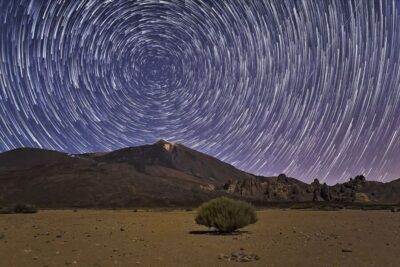
Teide National Park: Sunset & Stargazing Safari with Dinner
Read our review →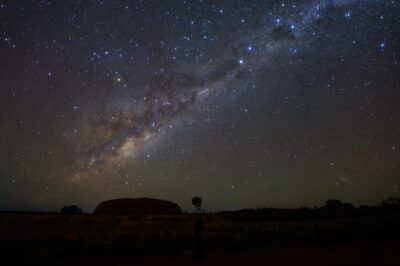
Uluru: National Park Astronomy Tour with Telescope and Photo
Read our review →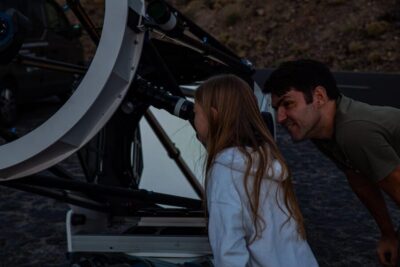
Teide National Park: Guided Large Telescope Stargazing Tour
Read our review →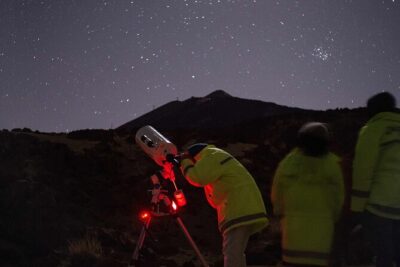
Self Drive Sunset & Stargazing in Teide National Park – No Dinner
Read our review →Browse the lists this tour appears in