
Review · THE USA
After Dark Desert Tour and Navigating the Night Sky
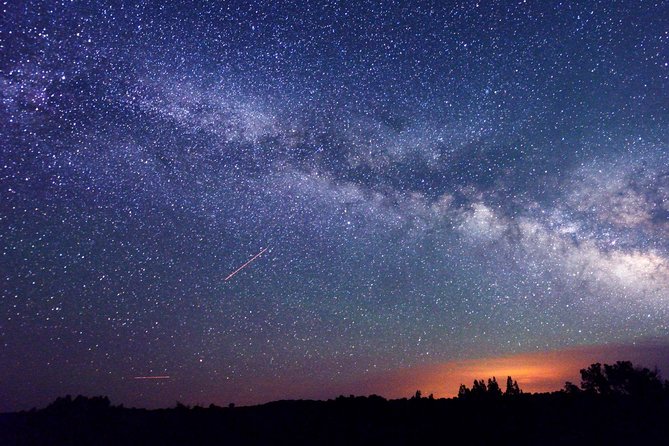
The desert changes after sunset. This three-hour outing pairs an easy Sonoran Desert walk with night-sky viewing, local history, and a look at the creatures that stir after dark. I like the personal pickup service and the way guide David connects stars, desert plants, Native peoples, and old navigation traditions. I also like the simple comforts: drinks, snacks, chairs, blankets, and binoculars.
The one caution is important: telescopes are advertised, but one recent booking did not include telescope use. Most of the experience’s strength comes from David’s guiding and the setting, so you should confirm the telescope plan before paying the $425 per-person price.
Key points at a glance
- David makes the drive part of the tour: Expect stories about Scottsdale, Phoenix, Arizona’s terrain, Native cultures, wildlife, and changing communities.
- The night sky is the main event: Telescopes and binoculars may bring the moon, planets, and stars closer, while constellation stories give the sky a human meaning.
- This is an easy outdoor outing: The walk is short and manageable for most people, with flashlights and black lights supplied.
- You may meet some desert animals: David sometimes brings small reptiles or other creatures for a closer look.
- Hotel pickup adds real value: Pickup is available from nearly any hotel in the Phoenix area, with a ride back at the end.
- Weather matters: Poor conditions can cancel the tour, but you can choose another date or receive a full refund.
From Scottsdale hotels to the Sonoran Desert
The evening begins with pickup from your hotel in the Phoenix area. That includes Scottsdale, and the operator says it can collect you from just about any hotel in the wider Phoenix area. For a private tour, that is a useful service. You do not need to find a remote desert meeting point or drive unfamiliar roads after a long day.
The vehicle has been described as a comfortable late-model Suburban. David offers drinks early in the ride, and the included water, juice, Arizona tea, fruit, nuts, and snack bars continue the relaxed feel. This is not a bare-bones transfer to a viewing site. The drive itself becomes part of the evening.
Expect the route to lead toward desert terrain and, on some outings, the Superstition Mountains. One booking included a drive through a ghost town, while another included stops to view natural features and hear about the area’s plants and wildlife. The exact route may vary, so you should not treat every extra stop as guaranteed. Still, the tour clearly aims to show you more than a patch of sky.
That matters because Phoenix and Scottsdale can make the desert feel distant. From a resort district, you see roads, buildings, and city lights. During the drive, David provides context about how the area has changed over the past 40 years and how people have used the land over a much longer period. The ride helps you understand what you are looking at once you leave the city behind.
More Desert Stargazing Safaris in the USA:
- Las Vegas Stargazing Jeep Tour – 5-Hour Desert Night Adventure
★ 5.0 · 12 reviews - Dubai Red Dunes ATV, Camels, Stargazing & 5* BBQ Al Khayma Camp
★ 5.0 · 21,620 reviews - Dubai: Sunset Camel Trek, Al Khayma Camp, Stargazing & BBQ
★ 4.8 · 2,588 reviews
An easy walk before the stars come out
The tour begins around sunset, when the desert still has enough light for you to see the plants, rock, and open terrain. This timing works well. You get a gradual change from warm evening color to a dark sky instead of arriving after sunset and missing the setting.
The walk is described as easy and suitable for most people. That makes this a good choice if you want an outdoor experience without committing to a strenuous hike. You should still wear closed-toe shoes and bring a light layer, since the desert can feel cooler after dark. Those are sensible preparations for any evening outside, though the supplied information does not specify a dress code.
David uses the walk to point out desert plants, animal signs, and the shape of the surrounding terrain. The focus is not simply on getting from the vehicle to the stargazing spot. You get a short introduction to the desert as a living place, not just a scenic backdrop.
Black lights and flashlights are provided for the walk. Their purpose is practical as well as entertaining. The beam may reveal movement or small creatures that are difficult to spot during daylight. You should not expect a guaranteed wildlife show, but night changes what you can notice. Some animals are active only after the sun goes down.
The walk also gives families something to do while the sky darkens. Children may find the search for movement more engaging than standing still and waiting for stars. At the same time, the route remains easy enough for most adults who prefer a gentle outing.
Constellations, planets, and old navigation skills
Once darkness settles in, the group reaches the main stargazing stop. Telescopes and binoculars are intended to provide closer views of the moon, stars, and distant planets. Some past outings included views of Jupiter and its moons, Saturn and its rings, Venus, Uranus, Polaris, and several constellations.
That is an impressive range for a three-hour experience, but the exact viewing list depends on the date, weather, darkness, and equipment. Planets are not always visible at the same time, and clouds or haze can change the result. David’s guidance helps you know where to look, but no guide can promise a particular planet on every evening.
The most interesting part is the link between astronomy and human travel. David explains how people used the stars to find their way across land and water. The constellations become more than patterns overhead. They connect to ancient navigation, mathematics, exploration, and the basic human need to understand direction.
The Arizona setting gives those stories added weight. The region’s human record reaches back more than 15,000 years, with references to Clovis, Folsom, Basketmakers, Anasazi, Salado, and Hohokam communities, as well as modern Hopi, Pai, Pima, Apache, and Navajo peoples. The tour presents the night sky alongside this long human story.
You do not need to know astronomy before you arrive. The experience is designed for ordinary visitors, not serious sky-watchers. If you enjoy asking questions, David’s patient style should suit you. Several bookings describe him as warm, engaging, and willing to explain subjects ranging from local geography to the meaning of individual stars.
The telescope question deserves attention
I would clarify the equipment before booking. The tour description includes telescopes and binoculars, and several outings did use a telescope. One evening included close views of Jupiter, its moons, and Saturn’s rings. Another included binocular viewing and a telescope setup.
However, one booking specifically reported that no telescope was used, even after the issue was raised. That creates a real mismatch between the stated offering and the experience you may receive. A telescope is not a minor detail when the tour is priced around stargazing.
The fairest way to view this is to treat the telescope as intended equipment, not a guaranteed result, unless the operator confirms otherwise. Ask whether a telescope will be set up for your date and what happens if weather or equipment prevents its use. You will still have the desert sky, binoculars on some outings, and David’s explanations, but your expectations should be clear.
The supplied information also mentions chairs and, on some outings, cots and blankets. These details make a difference. Looking upward for a long period is far easier when you can sit or lie back instead of standing with your neck bent.
More Stargazing Tours in the USA:
- Small Group Big Island Twilight Volcano and Stargazing Tour
★ 5.0 · 1,619 reviews - Sedona Stargazing Tours LLC
★ 4.5 · 881 reviews - The Original Sedona UFO and Stargazing Night Tour
★ 4.5 · 269 reviews - Mauna Kea Stargazing Experience + Photos
★ 5.0 · 261 reviews
Small creatures add a second kind of night show
The stargazing is the headline, but the wildlife element gives the evening a nice twist. Flashlights and black lights help you look for movement during a short walk. The tour does not promise specific animals, and you should not expect to handle wild creatures.
David has also brought some of his own small reptile companions on past outings for people to see. That can be a memorable addition for families and anyone curious about desert animals. It is also a useful counterpoint to the stars. You look upward at distant worlds, then turn your attention to life close to your feet.
The wildlife component will appeal most to children and curious adults. If you want a pure astronomy session with long periods of quiet observation, the animal demonstrations and local-history talk may feel like extra material. For most people, though, they make the evening more varied.
Safety is part of the appeal. David guides the walk, supplies lights, and remains with the private group. Service animals are allowed, and most people can participate. Still, the activity takes place outdoors at night, so anyone with serious mobility, balance, or low-light concerns should ask questions before booking.
Food, comfort, and the value of a private outing
The included refreshments are simple but useful: water, juice, Arizona tea, fresh fruit, nuts, and snack bars. You are not paying for a meal, but these provisions prevent the evening from becoming uncomfortable when the tour stretches across dinner hours.
A private booking changes the feel of the experience. Only your group participates, so you can ask more questions and set a comfortable pace within the three-hour schedule. A family can focus on wildlife and stories, while a couple can spend more time looking at the sky. The tradeoff is the price.
At $425 per person, this is expensive for a three-hour activity. The value depends on how many people are in your group and what you want from the evening. You are paying for private transportation, a personal guide, desert access, refreshments, equipment, and the chance to avoid arranging your own remote stargazing trip.
For a couple, the total cost can be substantial. For a family or small private group, the convenience may make more sense, especially if hotel pickup saves you from renting a car or navigating rural roads at night. Group discounts are available, but the supplied details do not state the discount amount. Ask for the exact total before booking.
The strong 4.9 rating from 20 published ratings and the 100 percent recommendation figure suggest that the guide-led side of the experience has been a major strength. I would not use those numbers to guarantee your exact evening, especially given the telescope concern, but they support the idea that David’s personal attention is central to the tour’s value.
Who will enjoy this Scottsdale evening most?
I would choose this outing if you want several Arizona experiences combined into one private night. It suits couples looking for a quiet evening, families with children, and first-time visitors who want local background instead of a simple ride to a viewpoint.
Children may especially enjoy the flashlight search, small reptiles, and the chance to lie back under the stars. One family outing kept a 10-year-old engaged enough to continue talking about it afterward. That is a useful sign for parents who worry that astronomy may feel too passive.
The tour also works for visitors who prefer gentle activity. The walk is easy, and the main effort is listening, looking, and moving between the vehicle and the viewing area. You do not need hiking experience or astronomy training.
I would hesitate if you want a formal observatory program, guaranteed telescope views, or a long technical session focused only on astronomy. I would also think twice if you dislike private-tour pricing or have firm plans that cannot shift because of weather.
The booking is non-refundable and cannot be changed for personal reasons. If poor weather forces cancellation, you can choose another date or receive a full refund. That weather policy is fair, but the strict personal cancellation rule means you should book only when your schedule is solid.
Should you book the After Dark Desert Tour?
I would book it for the complete evening, not for a telescope alone. The best parts are the hotel pickup, the easy desert walk, David’s broad local knowledge, the old navigation stories, and the chance to see the Sonoran Desert change after sunset.
Before paying, confirm three points: the telescope setup, the exact pickup location, and the group discount. If those details work for you, this is a thoughtful way to experience Arizona beyond the resort district. If your priority is guaranteed high-powered astronomy, compare it with a dedicated observatory program instead.
For families, couples, and first-time visitors who want nature, culture, wildlife, and stars in one private outing, this tour earns serious consideration. Just keep the equipment question in view, and judge the $425 cost against the convenience and personal attention you actually want.
FAQ
Where does the tour take place?
The experience begins in the Scottsdale and Phoenix area and continues into the desert for sunset touring, an easy walk, and stargazing.
Is hotel pickup available?
Yes. Pickup is offered from just about any hotel in the Phoenix area.
How long does the experience last?
The tour lasts approximately three hours.
Is this a private tour?
Yes. Only your group participates in the activity.
What refreshments are included?
The tour includes water, juice, Arizona tea, fresh fruit, nuts, and snack bars.
Are telescopes provided?
Telescopes are part of the stated experience, and some outings included telescope viewing. Because one booking reported that no telescope was used, confirm this detail before booking.
Are binoculars available?
Binoculars are included in the stated experience and have been shared during past outings.
Is the walking difficult?
The tour includes a short, easy walk and is suitable for most people.
Are service animals allowed?
Yes. Service animals are allowed.
What happens if bad weather cancels the tour?
If poor weather causes cancellation, you will be offered another date or a full refund.
Can I cancel for another reason?
No. The experience is non-refundable and cannot be changed for personal cancellation or amendment requests.
Just added around the USA
- Stargazing and Milky Way Portrait in Capitol Reef National Park★ 4.5 · 13 reviews
- Temecula Wine Country Stargazing Tour★ 5.0 · 2 reviews
- Astronomy and Stargazing Tour in Utah★ 5.0 · 8 reviews
- Private Stargazing – Sequoia National Park★ 4.5 · 14 reviews
- Sunset Sedona Sacred Places -gourmet picnic dinner and stargazing★ 5.0 · 12 reviews
- Sedona Night Hike and Stargazing★ 5.0 · 7 reviews
- Stargazing Tour with Telescopes and Video Astronomy in Sedona★ 5.0 · 40 reviews
- PRIVATE Sedona Jeep Tour 4X4 Stargazing Tour at Night★ 4.5 · 11 reviews
Desert Stargazing Safaris, compared.
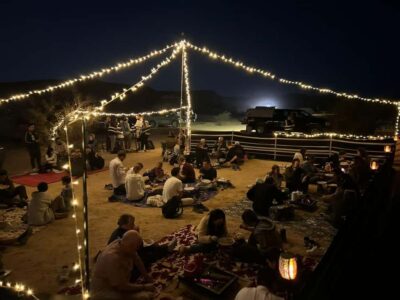
Dubai Red Dunes ATV, Camels, Stargazing & 5* BBQ Al Khayma Camp
Read our review →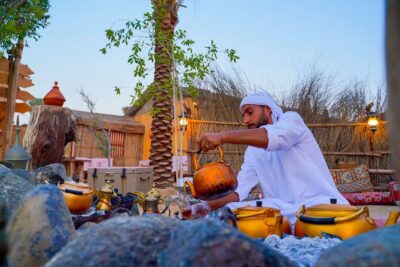
Sunset Camel Trek, Al Khayma Camp, Stargazing & BBQ
Read our review →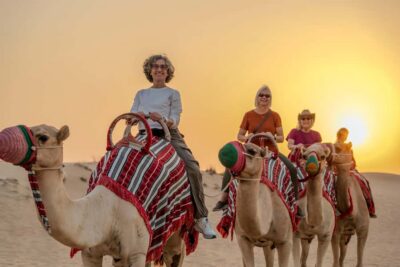
Overnight Safari, Dinner, Stargazing & Al Khayma Camp
Read our review →
Dubai Overnight Desert Safari, BBQ & Stargazing at Al Khayma Camp
Read our review →Evening Desert Safari with Camel Ride & Stargazing
Read our review →
Sea & Desert Horse Tour, Stargazing, Dinner & Show
Read our review →
Pinnacles Desert: Sunset BBQ & Stargazing Tour +Sandboarding
Read our review →
Pinnacles Desert Sunset Dinner and Stargazing Tour
Read our review →Browse the lists this tour appears in