
Review · SPAIN
Fuerteventura: Guided Stargazing Calderón Hondo Volcano Tour
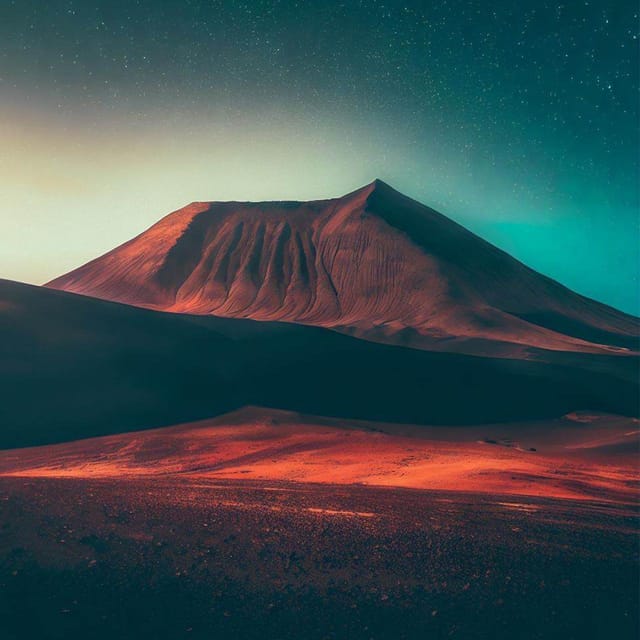
The volcano becomes your planetarium after dark. This three-hour Calderón Hondo tour combines a walk to a volcanic crater with clear, practical astronomy, and I especially like the crater setting and the warm, funny guiding style often associated with Victor. You also get wide views toward Lajares, the Corralejo dunes, and Lanzarote. The main drawback is simple: clouds can block the stars, and there is no refund if poor weather spoils the viewing.
At $53 per person, this is a fair price for a guided evening that includes water, a headlight, and a trip into one of Fuerteventura’s most unusual places. The walk is rocky, with a short steeper section, so good closed-toe shoes and a warm jacket matter. Optional bus pickup adds convenience from Corralejo, El Cotillo, or Puerto del Rosario.
Key points to know before booking
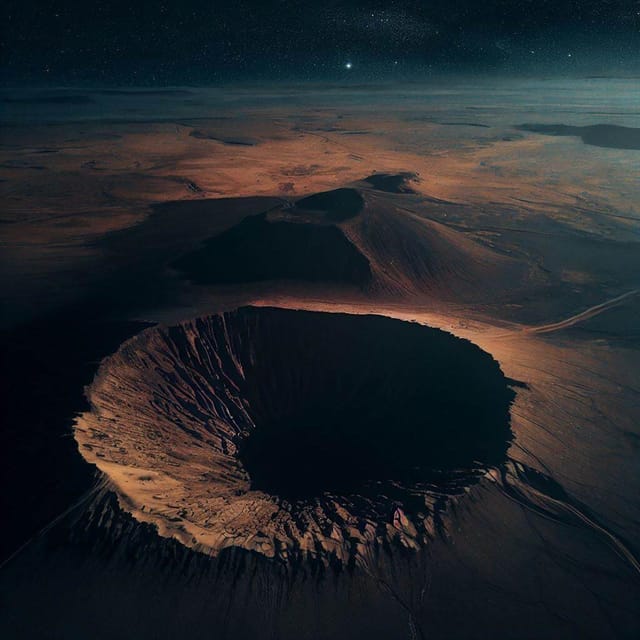
- You climb Calderón Hondo after sunset: The route leads to the rim of Fuerteventura’s last active volcano, then into a darker area for stargazing.
- The astronomy is easy to follow: Guides identify stars, planets, and constellations, often using a laser pointer and tablet app.
- Cloud cover is the real gamble: You may see the Milky Way, Saturn, Jupiter, or several constellations, but clear skies are not guaranteed.
- The guide can make or break the evening: Victor receives especially strong praise for his humor, care, island knowledge, and ability to speak with mixed-language groups.
- The ground is uneven: This is not a gentle stroll or a suitable outing for people with mobility problems or a fear of heights.
- Transport can be worth the extra cost: The minibus removes the problem of driving a tricky route in the dark and adds commentary along the way.
Why stargazing from Calderón Hondo feels different
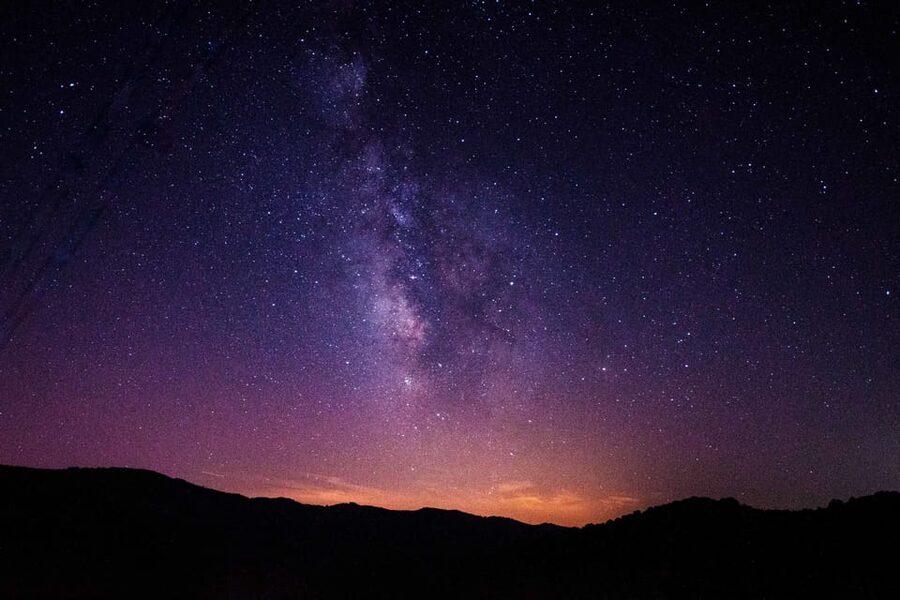
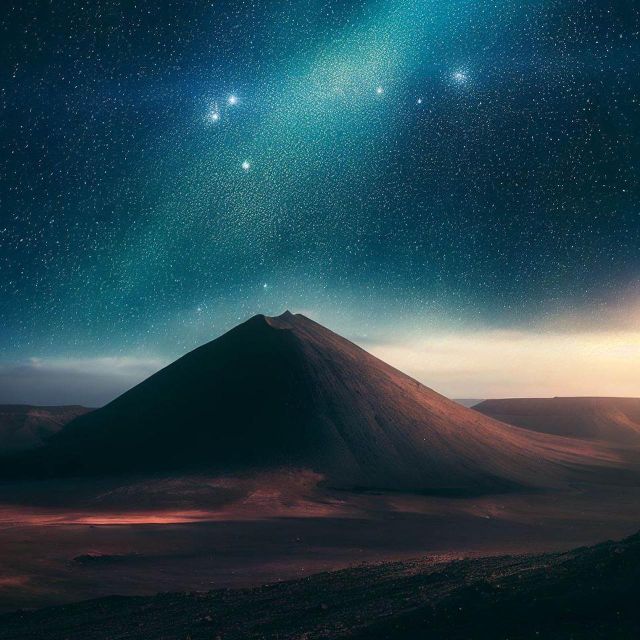
Fuerteventura is a good place to look upward because the island has broad, open spaces and volcanic terrain far from the bright center of a resort. Calderón Hondo adds drama to the view. You are not simply standing in a field with a telescope. You are looking at the sky from inside a volcanic crater.
The volcano is described as the island’s last active volcano, and the setting gives the evening a strong sense of place. You feel the rough ground under your shoes, see the dark outline of the crater, and look across the island as daylight fades. The views toward Lajares, the dunes of Corralejo, and Lanzarote give the first part of the outing a scenic payoff before the stars take over.
I like this combination because it gives you something to enjoy even if the clouds arrive. You learn about volcanic activity, Fuerteventura’s geology, and the way the island was formed. If the sky clears, the evening becomes much more memorable. If it does not, the walk and crater visit still carry some value.
The cultural side also adds depth. Your guide discusses how fire and the sky mattered to the island’s native people, including the use of stars to understand seasons and time. That helps connect the astronomy to human life rather than turning the evening into a string of technical facts.
More Guided Tours in Spain:
- Teide: Guided Sunset & Stargazing Tour by Night with Dinner
★ 4.7 · 1,339 reviews - Tenerife: Mount Teide Observatory Guided Tour
★ 4.6 · 818 reviews - Teide National Park: Guided Large Telescope Stargazing Tour
★ 4.9 · 319 reviews
The ride to Calderón Hondo
If you select the transfer option, pickup and drop-off are available from Corralejo, El Cotillo, and Puerto del Rosario. The exact time is sent by email 24 hours before the activity, since the schedule changes with the season and your pickup area.
That late confirmation is practical, but it means you should keep your evening flexible. The stated three-hour duration can also vary depending on where you are collected. If you are staying near one of the main pickup points, the bus is likely worth considering even if you have a rental car.
One particularly useful point from the experience is that the road can be tricky. A minibus means you do not have to find the route or drive back after walking over rough ground in darkness. It also gives the guide time to explain the island and set the mood before you arrive.
Victor is repeatedly praised for making the journey part of the event. His style is lively and personal, with humor, stories about Fuerteventura, and easy conversation among people from different countries. One account even mentions music in the minibus, including love songs. That may not suit someone seeking a silent, formal astronomy lesson, but it sounds right for a relaxed holiday evening.
If you drive yourself, the meeting point is the Repsol h2go service station. Check your booking details carefully, especially if you are not taking the included transfer option. Confusion over pickup locations has happened, though Victor was able to find one misplaced pickup and return the person directly to their accommodation.
Walking up the volcano at dusk
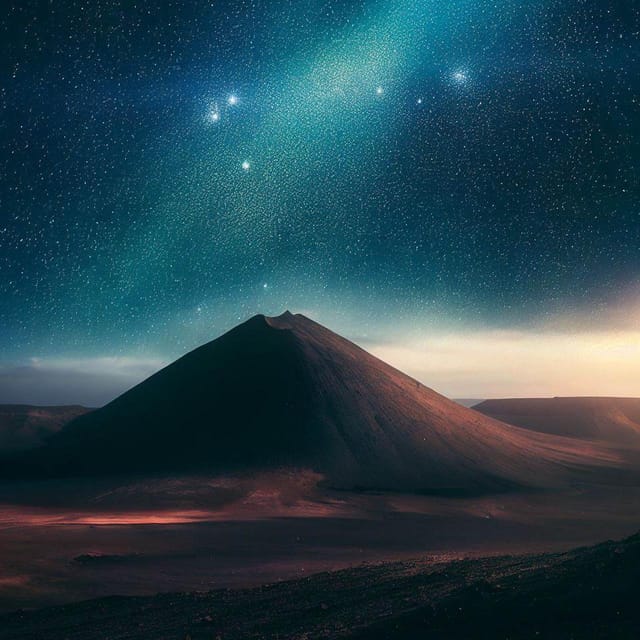
The walk to the crater is one of the best parts of the activity. Starting around dusk lets you see the route and the volcanic colors before darkness settles in. You climb toward the crater edge, stop for views and photos, and hear about the rock beneath your feet.
This is not a hard mountain hike in the usual sense, but it is not a paved path either. The surface is rocky, and there is a short steep section on the way up. Several people specifically stress the need for sturdy, comfortable shoes. Closed-toe footwear is required in the practical sense, even if the formal wording simply recommends it.
At the top, you can look into the crater and across the island. The view toward Lajares and Corralejo is part of the appeal, while Lanzarote may appear across the water on a clear evening. Sunset can also be beautiful here, although the main focus is the night sky.
You should take care near the edge and listen to the guide. The tour is not suitable for people afraid of heights, and the uneven surface makes it a poor choice for anyone with mobility problems. The stated restrictions also exclude people over 65 and babies under one year. Those limits are worth taking seriously rather than treating them as minor fine print.
Learning the volcano before looking at the stars
A good guide gives the geology enough time to make the crater meaningful. Instead of simply pointing at a hole in the ground, the tour explains the volcanic forces that shaped Fuerteventura and the island’s wider terrain.
Victor is singled out again and again for making this information easy to absorb. He is described as funny, upbeat, friendly, and passionate about the island. That mix matters here. The subject could become dry if it were delivered as a list of dates and terms, but the guide’s personality helps keep the group engaged during the walk.
You may also hear the guide speak in English, Italian, or Spanish. This is useful for mixed groups, though the amount of time spent in each language can vary. If you prefer a quiet, specialist lecture, the cheerful style may feel a little energetic. If you want facts without a classroom atmosphere, it should suit you well.
The cultural material is another reason to book this rather than simply driving to the volcano during the day. You learn about fire, the sky, local folklore, and the role of stars in understanding the seasons. That turns the setting into more than a scenic stop.
More Stargazing Tours in Spain:
- Tenerife: Teide National Park Sunset & Stargazing Tour
★ 4.2 · 3,812 reviews - Tenerife: Sunset and Stargazing at Teide National Park
★ 4.7 · 2,826 reviews - Teide National Park Sunset & Stargazing with Dinner (Star Safari)
★ 5.0 · 2,601 reviews - Teide National Park: Sunset & Stargazing Safari with Dinner
★ 4.6 · 2,115 reviews
Finding constellations in the dark
After the crater walk, the group moves to a flatter, clearer area for stargazing. The guide uses a headlight for the walk and then helps you adjust to the darkness. Water is included, but food is not, so eat beforehand if you need a full meal.
The astronomy is presented in a friendly, visual way. Guides may use a laser pointer to indicate stars, then show constellations on a tablet app before matching them to the real sky. This is useful if you do not already know where to look. Instead of hearing the name of a constellation and searching blindly, you get a clear link between the screen and the sky above you.
With good visibility, you could see the Milky Way, planets, satellites, and several constellations. Specific evenings have included Saturn and its rings, Jupiter, and stars that appeared blue, yellow, or white to the naked eye. The exact view depends on the season, cloud cover, and moonlight.
Strong moonlight can make faint stars harder to see, but it does not end the session. One evening with a bright moon still allowed the group to find constellations. On partly cloudy nights, the guide may use breaks in the clouds to show what is visible, then return to island or astronomy stories while waiting.
This is where you need realistic expectations. The tour is not a guaranteed Milky Way show. The operator asks you to book at least three days ahead so the weather can be checked, but conditions can still change. The official terms say there is no refund if stars are not visible. Book this as a volcano and astronomy experience, not as a promise of a perfect sky.
The guide matters as much as the stars
Victor is the name most often associated with the tour, and his role is a major part of the experience. He is praised for making solo participants feel comfortable, helping families, keeping mixed-language groups together, and maintaining good spirits during cloudy spells.
That personal attention seems especially useful on a night walk. You want someone who checks that people are comfortable, keeps the group safe on rocky ground, and knows when to explain rather than rush. Victor is also described as honest about the weather. He does not pretend the stars are visible when they are not, but he looks for clear gaps and uses the time well.
The group size can be around 12 people, based on one family’s experience, though the supplied details do not promise a fixed maximum. A group of that size gives the evening a social feel without turning it into a large crowd. If you want a private guide or a silent, highly technical session, this probably is not the right format.
Other guide names appear in individual accounts, including Alfredo, who used a telescope to show the moon and arranged drone photos and video on one evening. Those extras should not be treated as guaranteed features. The dependable elements are the guided walk, astronomy explanation, water, and headlight.
Is $53 a fair price?
At $53, the tour sits in a reasonable range for a three-hour guided outing with transport available as an option. The price covers more than a viewpoint. You get a guide, a structured walk, crater access, astronomy instruction, local cultural context, water, and a headlight.
The value is strongest if you do not have a car, dislike night driving, or want someone to explain what you are seeing. The bus pickup and drop-off from the listed towns make the evening easier, and one account strongly recommends paying the extra transport fee even with a rental car.
The value is weaker if you mainly want guaranteed stargazing. Clouds, wind, and moonlight can reduce the sky show, and food is not included. You also need to provide your own warm clothing and suitable footwear.
Still, the activity offers a solid fallback. Even on cloudy evenings, the crater, island views, geology, local stories, and guide’s humor can carry the outing. That makes it a better bet than a stargazing-only trip.
What to wear and bring
Keep your packing simple:
- Closed-toe, comfortable shoes with a good grip
- A jacket or coat
- Water, although the tour provides some
- A phone or camera for crater and night-sky photos
The volcanic ground is rocky, and the top can be windy and cold after sunset. Do not dress only for the temperature at your hotel or resort. Fuerteventura’s evening conditions can feel much sharper in an exposed crater.
A headlight is supplied, so you do not need to bring one. Food is not included, so eat before pickup or plan around the tour. The duration is about three hours, though the total schedule can vary with your location.
Who should book this evening?
I would choose this tour if you want an unusual night out, enjoy learning a little astronomy, and are happy to accept some weather risk. It suits couples, families with older children, solo visitors, and anyone who wants more than another beach sunset.
Families have taken children aged 8, 11, 14, and 17, with the guide helping keep younger participants interested. The tour can also work well for a special occasion. One couple became engaged at the top of the volcano, and the setting certainly gives you a memorable backdrop.
You should skip it if you have mobility problems, are uncomfortable on uneven ground, fear heights, or need a fully predictable schedule. It is also not suitable for babies under one year or people over 65 under the stated restrictions. Cruise ship guests are excluded as well.
Should you book the Calderón Hondo stargazing tour?
Book it if you want a warm, human-guided evening that joins volcanic scenery with astronomy. The best parts are the crater walk, the broad views, and the chance to see the Milky Way or planets from an unusual setting. Victor’s humor and care appear to add real value, especially when clouds interrupt the stars.
Go in prepared for wind, cold, rocky ground, and an imperfect sky. If you can accept that the weather may limit the astronomy, $53 is a sensible price for a distinctive Fuerteventura experience. Select the transfer if night driving feels awkward, and book at least three days ahead so the weather can be checked.
FAQ
How long does the Calderón Hondo stargazing tour last?
The stated duration is three hours. The total time may vary depending on your pickup location.
What languages does the guide speak?
Guiding is available in English, Italian, and Spanish.
Where is the meeting point?
The meeting point is the Repsol h2go service station. Pickup and drop-off are available from Corralejo, El Cotillo, and Puerto del Rosario if you choose the transfer option.
Is transportation included?
Bus pickup and drop-off are included only when you select the transfer option.
What does the tour include?
It includes a guided tour, water, and headlights. Transfer is included only with the relevant option.
Is food included?
No. Food is not included, so you should eat before the activity if needed.
What should I wear?
Wear comfortable closed-toe shoes and bring a jacket or coat. The route is rocky, and it can be cold and windy after sunset.
Can I see the Milky Way and planets?
You may see the Milky Way, constellations, planets, and many stars when visibility is good. Cloud cover and moonlight can reduce what you see.
Is stargazing guaranteed?
No. Stars may not be visible because of weather, and refunds are not given when clouds prevent stargazing.
Who should not take this tour?
The activity is not suitable for people afraid of heights, cruise ship guests, people over 65, or babies under one year. The rocky route also makes it unsuitable for people with mobility problems.
Just added around Spain
- VIP Sunset & Stargazing experience★ 4.5 · 44 reviews
- Skip the Line: Teide Observatory Entrance Ticket★ 3.0 · 33 reviews
- Small Group Teide Stargazing Tour with Picnic at Sunset★ 5.0 · 3 reviews
- TEIDE NIGHT Astronomy Stargazing Bus Tour, Meal & Drinks included!★ 4.0 · 15 reviews
- Sunset and stargazing from Teide★ 3.5 · 51 reviews
- Tenerife Exclusive & Private Gastronomic, Sunset-Stargazing★ 5.0 · 3 reviews
- PRIVATE TOUR Teide National Park: Hiking and Stargazing★ 5.0 · 38 reviews
- Sunset & Stargazing Experience from Teide★ 4.0 · 31 reviews
Stargazing Tours, compared.
Dubai Red Dunes ATV, Camels, Stargazing & 5* BBQ Al Khayma Camp
Read our review →
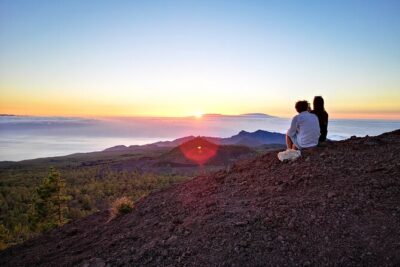
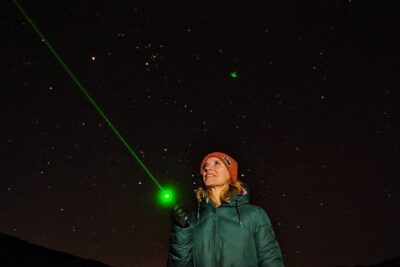
Teide National Park Sunset & Stargazing with Dinner (Star Safari)
Read our review →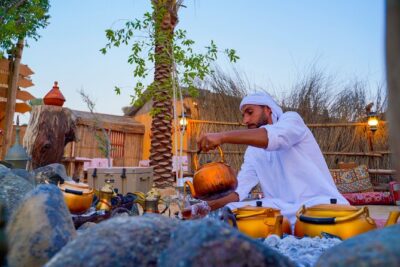
Sunset Camel Trek, Al Khayma Camp, Stargazing & BBQ
Read our review →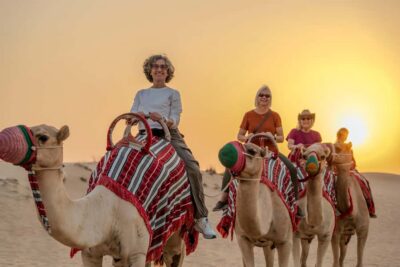
Overnight Safari, Dinner, Stargazing & Al Khayma Camp
Read our review →
Dubai Overnight Desert Safari, BBQ & Stargazing at Al Khayma Camp
Read our review →Browse the lists this tour appears in