
Review · LA PALMA
La Palma: Roque de los Muchachos Stargazing Tour with Wine
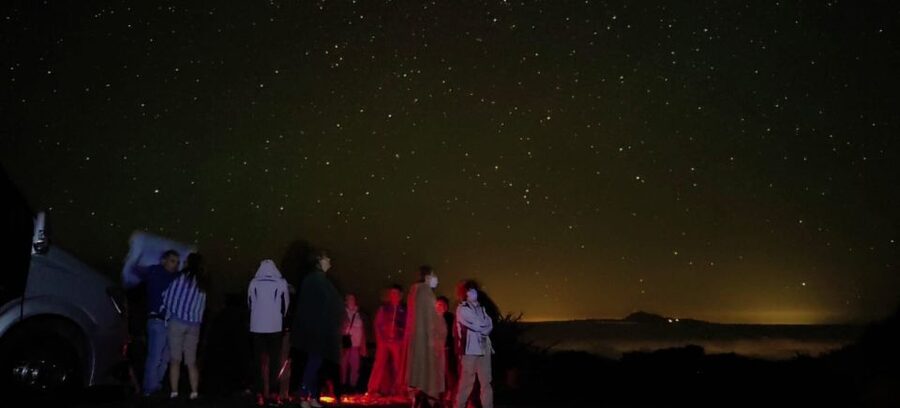
The stars here feel almost unreal. This evening tour takes you from your hotel toward Roque de los Muchachos, La Palma’s highest point, for mountain views, a sunset glass of wine, and guided telescope viewing under one of the world’s best astronomy skies. I especially like that transportation is included, since the mountain roads are steep and the return journey happens late at night. I also like the clear mix of science and simple pleasure: telescopes first, sunset wine next, then planets, galaxies, and star clusters after dark.
The main drawback is the length and the lack of open toilets in the mountain area. The trip can last six to seven hours, and you may return between 10 p.m. and 1 a.m. depending on the season. It can also be very cold at the summit, so warm clothing is not optional. Guide Stefanie has earned praise for explaining astronomy in three languages, while driver Max has been singled out for handling the mountain roads with care.
Key things to know before you go
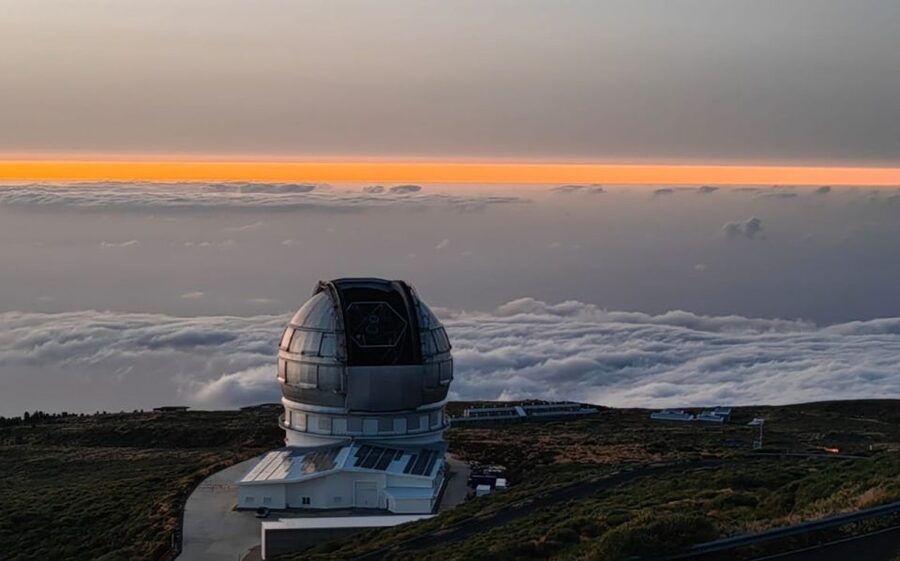
- The summit reaches 2,426 metres: Roque de los Muchachos gives you high mountain views and very dark skies, but temperatures can drop sharply.
- The telescopes are viewed from outside: You will see the observatory installations and learn about them, but you will not enter the observatory at night.
- The evening has three distinct parts: Mountain viewpoints, sunset with one glass of wine, and guided stargazing through a telescope.
- The drive is a real part of the experience: Pickup is available from Fuencaliente, Los Cancajos, Santa Cruz de La Palma, or Los Llanos, depending on the option booked.
- Moonlight matters: A full moon can make the stars harder to see, so the activity does not run when the moon would wash out the sky.
- Plan for a late return: The trip ends sometime between 10 p.m. and 1 a.m., based on sunset and the time of year.
Why Roque de los Muchachos is the right place for stars
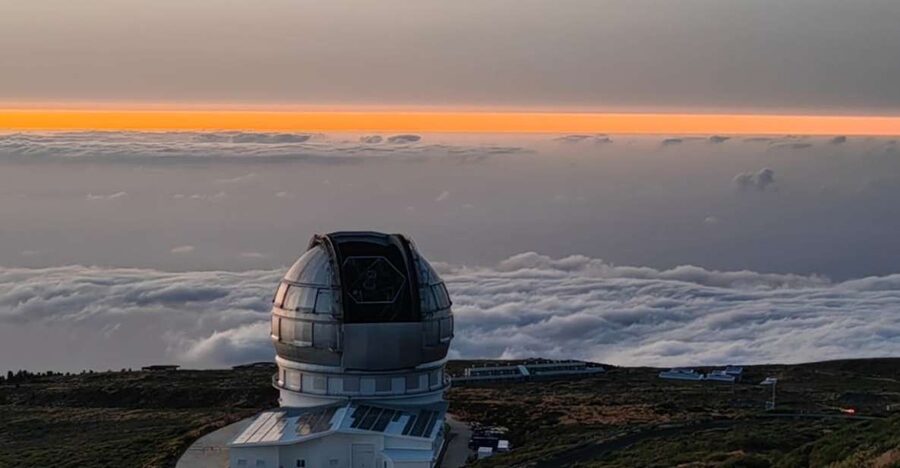
La Palma is known for its exceptionally dark skies, and Roque de los Muchachos is the island’s prime vantage point for astronomy. At 2,426 metres above sea level, you are far above the coastal resorts and away from much of the artificial light that makes city skies look empty.
The point is not simply to drive uphill and look through a telescope. Your guide explains why the observatories were built here and what makes the site useful to astronomers. You see the telescope installations from the road, with observatories on both sides of the route, then move to other viewpoints for sunset and night viewing.
That context matters. A telescope can show you Saturn, but the experience is stronger when you understand why this particular mountain is used for serious astronomical research. The tour gives you a look at the observatory zone without pretending to offer access to the working facilities.
You should also keep expectations sensible. This is a guided outdoor astronomy experience, not a visit inside a research observatory. The observatory area closes at night, and one part of the evening may take place at a nearby lay-by after the site closes. The setting remains special, but the facilities are basic.
More Wine Tours in Spain:
- Temecula Wine Country Stargazing Tour
★ 5.0 · 2 reviews
The long mountain ride from your pickup point
Pickup can be arranged from Fuencaliente, Los Cancajos, Santa Cruz de La Palma, or Los Llanos, depending on your selected option. Look for the bus with a La Palma Transfer & Tours sign and check the exact meeting instructions carefully. One person found the bus farther from the stated meeting point than expected, so it pays to arrive early and confirm where the vehicle will stop.
The drive is not a quick transfer. The full outing lasts six to seven hours, and the mountain roads add time. That may sound like a burden, but I see the included transport as one of the tour’s best features. You do not have to concentrate on steep passes in the dark, and you can enjoy wine without worrying about the drive home.
The road can also be affected by closures. One outing took much longer because of roadworks and route restrictions, though the extra effort still led to views of Saturn’s rings and three of its moons. That is a useful reminder that conditions on a high mountain can change the schedule.
The bus is not described as having a toilet, and there are no open toilet facilities for much of the mountain portion. Use a restroom before pickup and keep this in mind when deciding if a six to seven-hour evening trip suits you.
First stop: the summit and its working telescopes
The first major stop is the Roque de los Muchachos viewpoint. You are taken to the highest point on La Palma, where the guide points out the telescopes positioned along the mountain road.
You do not enter the observatory. This is important because the word observatory can suggest an indoor tour, but this experience is viewed from outside. The guide explains the purpose of the different telescopes and why the site’s height, darkness, and atmospheric conditions are so useful for astronomy.
The views are a major part of the stop. From this elevation, you can look across the island from a striking mountain position before the evening turns fully dark. Bring your camera and a charged smartphone, but do not let photography take over. The best part of the summit stop is having time to look around while your guide connects the scenery with the science.
Timing can affect this part of the tour. The observatory area may be close to its evening closing time, which can limit how long you spend there. One schedule allowed only a short visit before moving on. If seeing the telescope installations from the summit is your main goal, pay close attention to the start time and seasonal sunset schedule.
Sunset wine at a second viewpoint
After the summit, the group drives to another viewpoint for sunset. Here you receive one glass of wine while watching the light change over La Palma from high above the coast.
This is a pleasant pause between the more technical telescope explanation and the late-night sky observation. The wine is not the main reason to book the tour, and it is only one glass, but it adds a relaxed local touch to the evening. You are not rushing from one attraction to another. You have a few quiet minutes to take in the view and prepare for the colder, darker part of the trip.
The exact start time changes with the season because sunset changes throughout the year. Your return time changes too. In summer, you may start later and return closer to 1 a.m. In winter, the schedule may finish earlier, but you still need to prepare for a long evening.
The sunset stop may also be moved because of weather or access conditions. The tour has used a nearby lay-by when the observatory area was closing. That is practical rather than glamorous, so keep your expectations grounded. The point is the sky and the mountain setting, not a polished wine terrace.
More Stargazing Tours in Spain:
- Tenerife: Teide National Park Sunset & Stargazing Tour
★ 4.2 · 3,812 reviews - Tenerife: Sunset and Stargazing at Teide National Park
★ 4.7 · 2,826 reviews - Teide National Park Sunset & Stargazing with Dinner (Star Safari)
★ 5.0 · 2,601 reviews - Teide National Park: Sunset & Stargazing Safari with Dinner
★ 4.6 · 2,115 reviews
After dark: finding planets, galaxies, and star clusters
The final stop is the heart of the outing. At a suitable viewpoint, your group gathers in the dark for telescope observation with help from the guide.
Depending on the night and the conditions, you may see stars, planets, galaxies, nebulae, and star clusters. The exact objects cannot be promised because cloud, visibility, seasonal positions, and moonlight all matter. That uncertainty is part of real stargazing, not a flaw in the equipment.
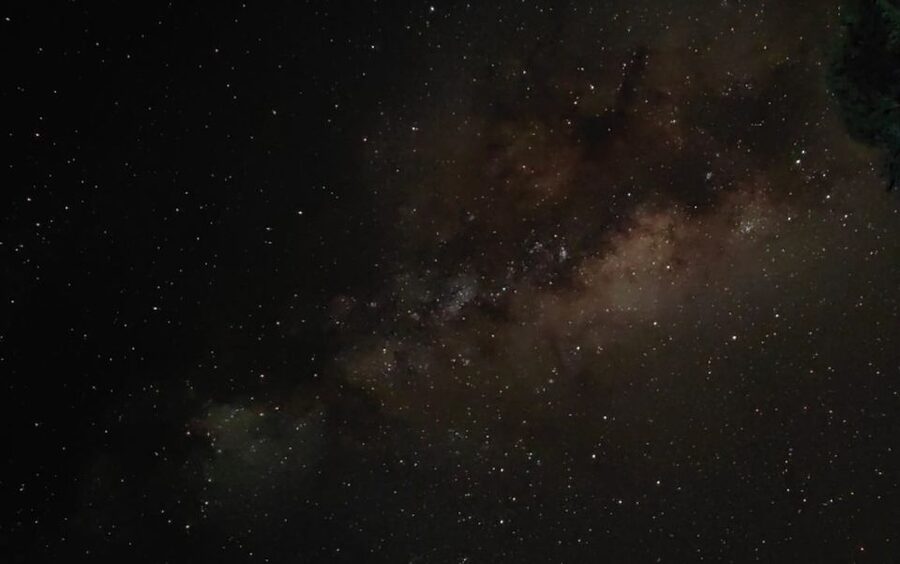
The telescope adds detail that your eyes cannot see alone. Saturn’s rings and several of its moons have been visible on a successful night, while the Milky Way can be clear even without optical equipment. You may also notice how much more crowded the sky looks once you leave the light pollution of a city.
The guides divide the group by language when needed. English, Spanish, and German are available, and groups may be separated so each guide can explain the sky clearly. Stefanie has been especially praised for her astronomy explanations and for working across three languages. The guide’s role matters here. A telescope is far more useful when someone helps you understand what you are looking at and where to look next.
Your patience helps. The guide may need to adjust the telescope, wait for a clearer view, or move between people in the group. This is not a private session with unlimited time at the eyepiece. Still, the chance to see a planet or distant cluster from such a dark location gives the evening real value.
Cold, darkness, and the practical side of the evening
Take the warning about warm clothes seriously. Even if the coast feels mild when you are picked up, the summit can be very cold after sunset. Bring several warm layers, not just a light jacket. Comfortable shoes also make sense because the tour takes place at mountain viewpoints rather than inside heated buildings.
A camera is useful for the sunset and mountain views, but ordinary phone cameras may struggle with stars. A charged smartphone is still worth bringing for meeting details and simple photos. If you already own binoculars, pack them. One successful evening included a view of the Milky Way with the naked eye and a star cluster through binoculars.
The lack of toilets is the biggest practical weakness. There are no open toilet facilities in the mountain area for much of the tour, so plan before departure and avoid assuming that every viewpoint has services. This also explains why the included wine may not appeal to everyone.
Weather can cancel the route. If that happens, you can change the date during your stay or receive a full refund. A full moon can also prevent the activity from operating because strong moonlight reduces the visibility of other stars. Check the lunar conditions when choosing your date, especially if the night sky is your main reason for booking.
Is $65 good value?
At $65 per person, the price is fair if you want an organized evening in the mountains and do not want to drive. You are paying for hotel pickup and drop-off, the guide, transportation, the summit visit, sunset stop, one glass of wine, and telescope observation.
The transport has real value. Driving to Roque de los Muchachos means dealing with steep mountain roads, a late return, darkness, and possible route changes. Several strong experiences came from people who were relieved that a professional driver handled the climb and the journey back. One passenger even felt the driver deserved a raise after managing a frightening section of road.
The price is less compelling if you mainly want a short look at the sunset or expect a formal observatory tour. You will spend many hours in transit, and the observatory itself is not open for entry at night. You are also not buying a meal, a private telescope session, or guaranteed views of a particular planet.
I would judge the value by your priorities. For an astronomy fan, the chance to see Saturn, the Milky Way, or a cluster under La Palma’s dark sky can easily justify the cost. For someone who dislikes cold, late nights, long bus rides, or basic facilities, the same price may feel less attractive.
Who will enjoy this La Palma evening most?
I would recommend this tour to you if you want a simple way to experience La Palma’s night sky without renting a car or driving mountain roads after dark. It suits couples, solo visitors, and families with older children who can manage a late return and several hours outdoors.
It is also a good choice if your interest in astronomy is casual. You do not need to know constellations in advance. The guides explain the setting and help you use the telescope, so the evening works for beginners as well as people who already know their planets and star clusters.
You may want to skip it if you need frequent restroom access, dislike cold weather, or prefer a short activity with a fixed ending time. It is also not the right choice if entering an observatory is essential to you. This is an outdoor visit around the observatory zone, followed by sunset and telescope viewing elsewhere.
Small details that make the night better
Wear warm layers from the start, even if the pickup point is comfortable. Bring water, use a restroom before departure, and keep your phone charged.
Check the exact pickup location instead of relying only on a general meeting-point description. Look for the La Palma Transfer & Tours sign and allow extra time, particularly if you are meeting the bus in a busy resort area.
Expect the schedule to move with sunset, weather, and mountain access. The return window of 10 p.m. to 1 a.m. is broad for a reason. Tell anyone waiting for you that the finish time can change.
If possible, choose a date without a full moon. A darker sky gives the telescope and your eyes a better chance to reveal the Milky Way, clusters, and faint objects.
Should you book the Roque de los Muchachos stargazing tour?
Book it if you want the safest and simplest route to one of La Palma’s great night experiences. The strongest reasons are the high mountain setting, the guide-led telescope viewing, the included transport, and the chance to see far more stars than you can from a city or resort.
Go in prepared for a long, cold evening with no convenient mountain toilets and no entrance to the observatory. If those limits do not bother you, $65 is a sensible price for a sunset, a glass of wine, a serious astronomy setting, and the possibility of seeing Saturn’s rings or the Milky Way in a truly dark sky.
FAQ
Where does the tour pick me up?
Pickup is available from Fuencaliente, Los Cancajos, Santa Cruz de La Palma, or Los Llanos, depending on the option booked. The meeting point can vary, and the bus has a La Palma Transfer & Tours sign.
How long does the tour last?
The tour lasts about six to seven hours. Return to your hotel or meeting point is expected between 10 p.m. and 1 a.m., depending on sunset and the time of year.
Do I enter the Roque de los Muchachos observatory?
No. The tour visits the viewpoint and looks at the telescopes from outside. The observatory is closed at night, so there is no interior visit.
What languages are available?
The live guide service is available in English, Spanish, and German. Groups may be divided by language during the telescope observation.
Can the tour be canceled because of weather or the moon?
Yes. Routes may be canceled because of weather. You can change the date during your stay or receive a full refund. The activity does not take place during a full moon because moonlight affects star visibility.
What should I bring?
Bring warm clothing, a camera, and a charged smartphone. Warm layers are especially important because temperatures at the mountain viewpoints can be very low after sunset.
Just added around Spain
- VIP Sunset & Stargazing experience★ 4.5 · 44 reviews
- Skip the Line: Teide Observatory Entrance Ticket★ 3.0 · 33 reviews
- Small Group Teide Stargazing Tour with Picnic at Sunset★ 5.0 · 3 reviews
- Sunset and stargazing from Teide★ 3.5 · 51 reviews
- Tenerife Exclusive & Private Gastronomic, Sunset-Stargazing★ 5.0 · 3 reviews
- TEIDE NIGHT Astronomy Stargazing Bus Tour, Meal & Drinks included!★ 4.0 · 15 reviews
- PRIVATE TOUR Teide National Park: Hiking and Stargazing★ 5.0 · 38 reviews
- Sunset & Stargazing Experience from Teide★ 4.0 · 31 reviews
Stargazing Tours, compared.
Dubai Red Dunes ATV, Camels, Stargazing & 5* BBQ Al Khayma Camp
Read our review →
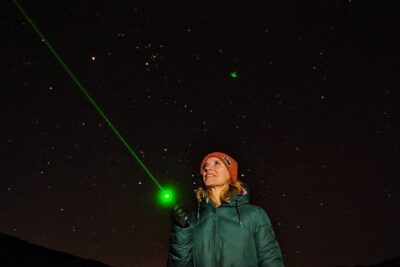
Teide National Park Sunset & Stargazing with Dinner (Star Safari)
Read our review →
Sunset Camel Trek, Al Khayma Camp, Stargazing & BBQ
Read our review →
Overnight Safari, Dinner, Stargazing & Al Khayma Camp
Read our review →
Dubai Overnight Desert Safari, BBQ & Stargazing at Al Khayma Camp
Read our review →Browse the lists this tour appears in