
Review · NATIONAL PARK
Tenerife: Stargazing Walk in Teide National Park
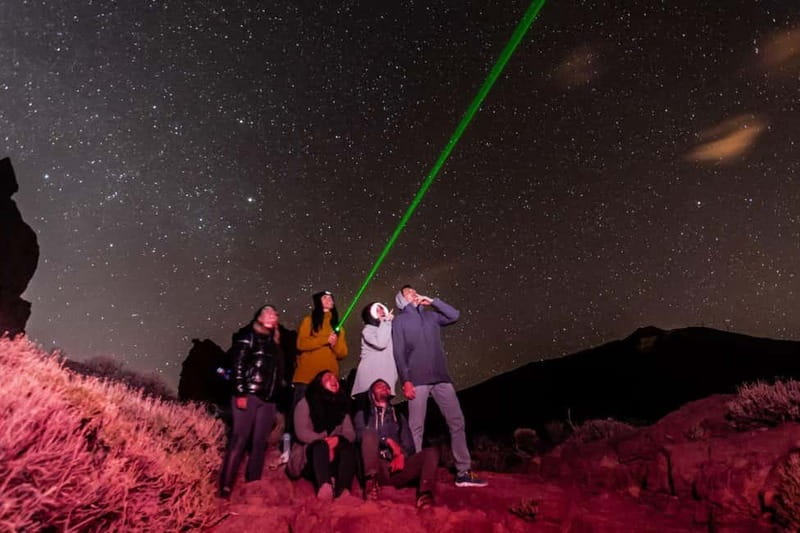
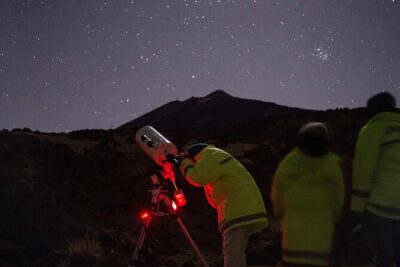
Stars look different from Teide’s high plateau. At about 2,000 meters above sea level, this two-hour night walk pairs the dark skies of Teide National Park with a gentle 2 to 3 kilometer stroll, simple astronomy, and a guide who uses a laser to point out constellations. I especially like the small-group feel, usually 10 to 20 people, and the fact that the experience combines science, local setting, and time to sit quietly under the sky.
I also like the practical extras: lanterns are provided, insurance is included, and you receive a personal picture to help remember the night. The main drawback is transport. You need your own car or must arrange a taxi to reach the Parador de Cañadas del Teide, and the high mountain air can be cold, with temperatures as low as 0 to 4°C from October through March.
Key details at a glance
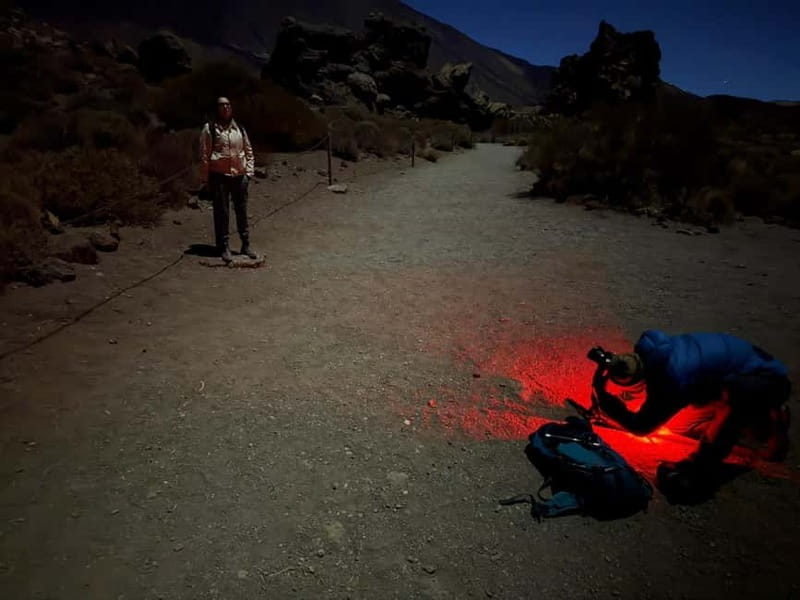
- The walk begins at the Parador de Cañadas del Teide, then heads to the Roques de García area before returning to the hotel.
- The timing changes with the season, beginning at sunset or after nightfall.
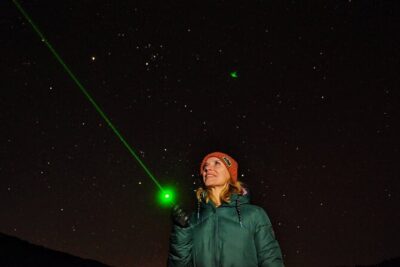
- A laser guides your attention, making it easier to connect the stars with named constellations.
- The group usually numbers 10 to 20 people, with regular departures on Tuesdays and Fridays.
- A telescope is not included, though a private version with telescope viewing may be arranged.
- The easy route covers 2 to 3 kilometers, but warm clothing and proper walking shoes are essential.
Why Teide is such a good place for stargazing
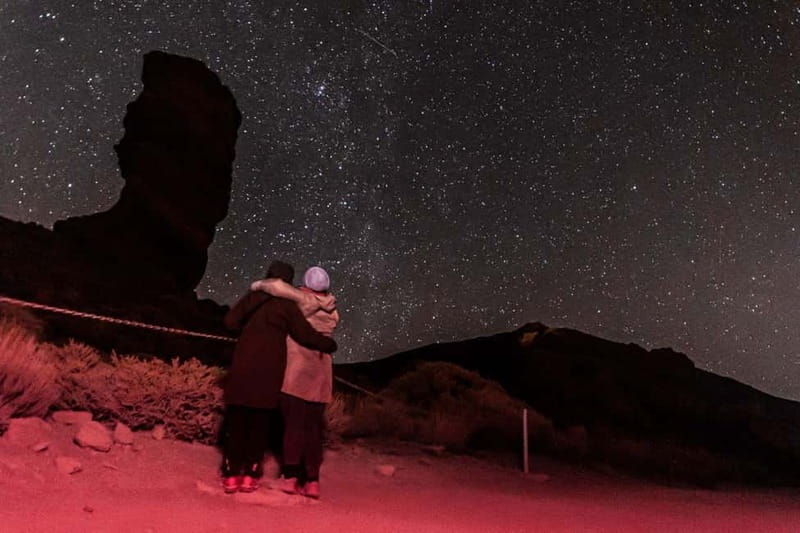
Teide National Park gives this activity a strong natural setting. The meeting point is already high in the mountains, at roughly 2,000 meters, so you are away from the bright coastal towns and resort areas of Tenerife. That matters more than any fancy equipment. Dark skies let you see far more stars than you would from a hotel terrace near the shore.
The setting also gives the evening a useful rhythm. Depending on the time of year, you may begin while there is still some light in the sky, then watch the colors fade before the stars appear. At other times, the walk starts after sunset, placing the focus on the night from the beginning.
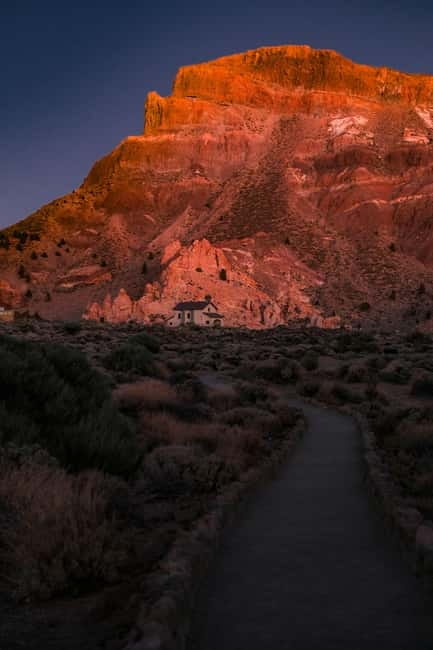
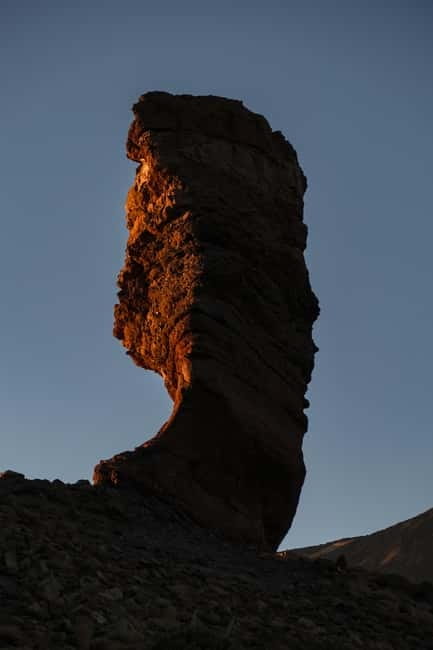
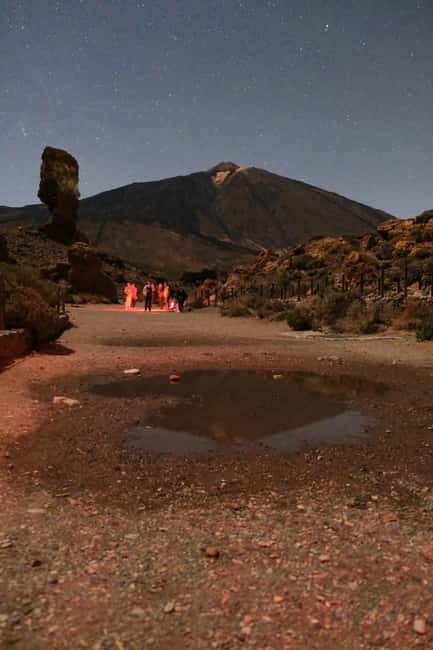
The Roques de García area is the main outdoor setting. You will walk through this well-known part of the national park, stop for explanations, and have chances to sit and look upward. This is not a fast hike or a race to check off constellations. The pace is designed for pauses, conversation, and quiet observation.
More National Park Stargazing in Tenerife:
- Tenerife: Teide National Park Sunset & Stargazing Tour
★ 4.2 · 3,812 reviews - Tenerife: Sunset and Stargazing at Teide National Park
★ 4.7 · 2,826 reviews - Teide National Park Sunset & Stargazing with Dinner (Star Safari)
★ 5.0 · 2,601 reviews
Starting at the Parador de Cañadas del Teide
The meeting point is the entrance or outdoor patio of the Parador de Cañadas del Teide Hotel. You return here at the end, which keeps the route simple and avoids a one-way transport problem.
You should plan your arrival carefully. The activity does not provide transport, and the information specifically asks you to bring your own vehicle or arrange a taxi. This is the biggest logistical point to solve before booking. Teide is not a place where you should assume a last-minute ride will be easy to find.
The hotel meeting point also makes sense for the temperature. You can arrive wearing your warm layers, check your belongings, and be ready for the short walk into the park. Bring water, long pants, warm shoes, and clothing suited to the forecast. From April to September, the expected temperatures are given as 10 to 15°C. From October to March, they may fall to 0 to 4°C.
Those figures can feel especially cold once you stop moving. I would bring more warmth than you think you need, particularly in winter. Thermal clothing is recommended, and the advice is worth taking seriously.
Walking among the Roques de García
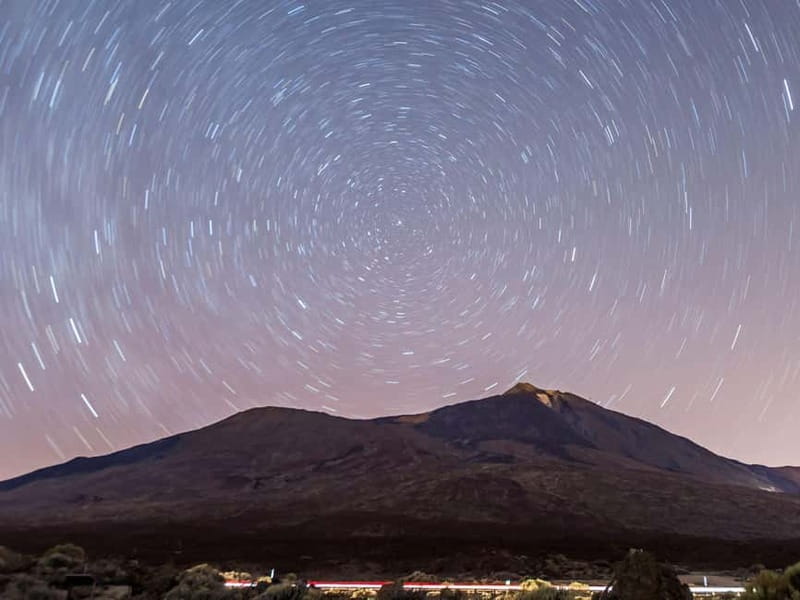
The route through the Roques de García area lasts about two hours in total and covers roughly 2 to 3 kilometers. It is described as an easy walk, making it suitable for families with older children, couples, and friends who prefer a calm outing rather than a demanding mountain trek.
The scenery is part of the experience, but the focus is the sky. At sunset, the rock formations and open mountain views give you something to look at before darkness arrives. Once the sky is dark, the guide shifts attention toward constellations, planets, moon phases, and shooting stars.
The short distance leaves room for stops. You may sit or stand while the guide explains what you are seeing, rather than trying to listen while climbing or rushing along. That makes this a good choice if you like your activities to include quiet time instead of constant motion.
Still, this is an outdoor walk, not a paved hotel activity. Comfortable walking shoes are recommended, and lanterns are supplied for use along the route. The walk is easy, but darkness, cold, and uneven outdoor ground can make it feel more demanding than the distance suggests.
Learning the night sky with a laser
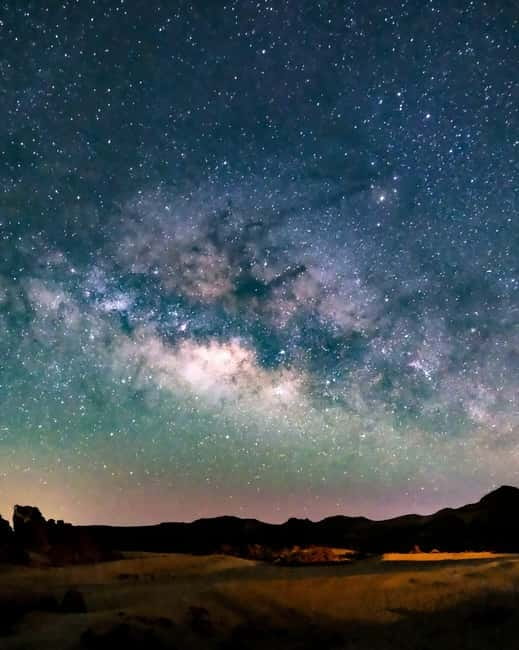
The laser-guided format is one of the best parts of the activity. A star-filled sky can be confusing at first because there are so many points of light. A guide can use the laser to connect those points and show you where one constellation begins and another ends.
The explanations cover basic astronomy, including planets, constellations, moon phases, and shooting stars. History is also woven into the interpretation, so the evening is not just a list of scientific facts. The goal is to help you understand what you are seeing and why people have attached stories and meaning to the sky over time.
The activity is offered in Spanish and English, with single-language groups intended to keep the explanations clear. That is useful during a night walk because it is harder to follow a talk when several languages are mixed together.
The guide is described as a local astrophysicist and certified official guide. That combination gives the experience a sound balance between astronomy and the national park setting. The latest ratings give the activity 4.8 out of 5 from 28 ratings, and the most praised points are the guide’s explanations, the clear view of the stars, and the overall group experience. One French-language rating specifically highlights the visible stars, useful explanations, and entertaining anecdotes. Those are exactly the features that can turn a pleasant night outside into an evening you remember.
More Stargazing Tours in Tenerife:
- Teide National Park: Sunset & Stargazing Safari with Dinner
★ 4.6 · 2,115 reviews - Teide by Night: Sunset & Stargazing with Telescopes Experience
★ 4.5 · 1,492 reviews - Teide: Guided Sunset & Stargazing Tour by Night with Dinner
★ 4.7 · 1,339 reviews - Sunset & Stargazing Experience From Teide
★ 4.5 · 1,129 reviews
What the personal picture adds
A personal picture is included, described as a way to nail the night. It is a small touch, but it gives the experience a physical souvenir beyond a few hurried phone shots.
You should not expect a full photography workshop. The information does not promise professional night photography, camera instruction, or multiple edited images. Think of the picture as a keepsake connected to the outing, not the main reason to book.
Your own phone may struggle in the dark and cold. The personal photo means you can spend more time listening and looking instead of trying to hold a phone steady while also following the laser. Just remember that the available details do not specify exactly when or how the picture is taken.
Why the missing telescope matters
A telescope is not included. This point is easy to overlook because the activity is about astronomy, but the evening is built around naked-eye stargazing and laser-guided explanations.
That is not necessarily a weakness. A telescope can show you a planet or distant object in more detail, yet it also means waiting your turn and spending time looking through a small eyepiece. This walk is more social and more relaxed. You learn the broad shape of the sky, identify constellations, and watch for visible celestial events.
If telescope viewing is important to you, ask about arranging a private activity with a telescope. The provider says this may be possible. You should confirm the arrangement before booking, since the standard $28 activity does not include it.
Group size, timing, and the feel of the evening
Regular group activities are held on Tuesdays and Fridays, with an average of 10 to 20 people. Other days may be available depending on the season.
A group of that size should give you some social energy without turning the walk into a large crowd. It is also large enough that you may not have a constant one-on-one conversation with the guide. If you want a quieter or more tailored experience, ask about a private option.
The two-hour length is well judged for the setting. A shorter activity might feel rushed, especially if you begin at sunset. A much longer night in cold mountain air could become uncomfortable, particularly for children or anyone not used to outdoor conditions.
The departure time changes with the season. Check the current starting time when you book, and leave enough time to reach the Parador before the group sets off. The activity returns to the same location, so you do not need to arrange a second pickup point.
Who will enjoy this most
I would recommend this walk to couples looking for a peaceful evening, families with children old enough to manage a cold outdoor walk, and friends who want a simple activity after visiting Teide during the day.
It is also a good match for people who enjoy learning without needing a formal lecture. The guide provides information, anecdotes, and entertainment while keeping the group moving at an easy pace.
The activity is not suitable for babies or children under 8. The wider information also warns that it may not suit some children around 7 to 9 years old, so use your judgment for an individual child. The cold, darkness, and need to remain attentive on an outdoor path may be more important factors than the distance itself.
You may want to choose another option if you need transport from your hotel, prefer a fully equipped astronomy session, or want a demanding night hike. This is a gentle introduction to the sky, not a technical observatory visit or a strenuous mountain outing.
Is $28 a good value?
At $28 per person, the price is reasonable for a two-hour guided activity in Teide National Park. You are paying for a local astrophysicist and certified guide, interpretation in your chosen language, laser guidance, lanterns, insurance, and a personal picture.
The value comes mainly from the guide and the location. You could look at the stars on your own for free, but you would need to know where to look, understand the constellations, and find your way around a dark mountain area. The guide gives structure to the evening and helps you notice things you might otherwise miss.
The price does not include transport, food, drinks, or telescope observation. Add the cost of a rental car or taxi if you need one, and bring your own water and snacks. That extra cost may change the value calculation for solo visitors without a vehicle.
The reserve-now, pay-later option can also help if your Tenerife plans are still changing. Just remember that weather can affect the outing, and cancellations made within 24 hours are not refundable unless the provider cancels the activity.
Weather and the real risk of cancellation
Stargazing depends on clear skies. The activity may be canceled because of bad weather, a fully cloudy sky, or seasonal arrangements. If the provider cancels, you receive a 100 percent refund.
This is a sensible policy for an outdoor astronomy experience. Clouds can erase the main reason for the walk, and poor conditions can make the mountain setting unpleasant or unsafe. A weather cancellation is disappointing, but it is better than paying for an evening when the stars cannot be seen.
You should still check the forecast before leaving your accommodation and bring proper layers even if the afternoon feels warm. Tenerife’s coast and Teide’s high plateau can have very different temperatures on the same day.
Practical packing advice
Bring:
- Warm or thermal clothing
- Long pants
- Warm, comfortable walking shoes
- Water
- Clothing suited to the forecast
- Your own vehicle or a prearranged taxi
Lanterns are provided, so you do not need to bring one for the walk. Food and drinks are not included, and the activity details do not promise a meal stop. Eat beforehand or bring something appropriate if needed.
The best preparation is simple: arrive warm, hydrated, and ready to spend time outside without rushing. The walk is easy, but you will enjoy it much more if you are comfortable during the pauses.
Should you book the Teide stargazing walk?
Book it if you want an affordable, low-pressure night in Teide National Park, especially if you have your own car and enjoy learning about the sky. The laser guidance, single-language groups, local astrophysicist guide, and personal picture give the two-hour outing more substance than simply standing outside and looking upward.
Think twice if you dislike cold weather, need hotel pickup, are traveling with very young children, or expect telescope viewing at the standard price. For the right visitor, this is a well-priced way to slow down, look up, and see Tenerife from a completely different angle.
FAQ
Where does the stargazing walk begin?
It begins at the entrance or outdoor patio of the Parador de Cañadas del Teide Hotel in Las Cañadas del Teide.
Where does the walk take place?
The activity takes place around the Roques de García area in Teide National Park and returns to the Parador de Cañadas del Teide.
How long is the experience?
The activity lasts two hours. The walking route covers approximately 2 to 3 kilometers.
What languages are available?
The live guide is available in Spanish and English. Activities are arranged in single-language groups.
Is transportation included?
No. You need your own vehicle or must arrange a taxi to reach the meeting point.
Is a telescope included?
No. The standard activity includes laser guidance but not a telescope. A private activity with telescope observation may be arranged by request.
What should I wear?
Bring warm clothing, long pants, thermal layers, and warm, comfortable walking shoes. Temperatures may be 0 to 4°C from October through March and 10 to 15°C from April through September.
What happens if the weather cancels the activity?
The activity may be canceled because of weather or a fully cloudy sky. If the provider cancels, you receive a full refund. You can also cancel for a full refund up to 24 hours before the activity, but cancellations within the final 24 hours are not refundable.
Just added around Tenerife
- VIP Sunset & Stargazing experience★ 4.5 · 44 reviews
- Skip the Line: Teide Observatory Entrance Ticket★ 3.0 · 33 reviews
- Small Group Teide Stargazing Tour with Picnic at Sunset★ 5.0 · 3 reviews
- Sunset and stargazing from Teide★ 3.5 · 51 reviews
- Tenerife Exclusive & Private Gastronomic, Sunset-Stargazing★ 5.0 · 3 reviews
- TEIDE NIGHT Astronomy Stargazing Bus Tour, Meal & Drinks included!★ 4.0 · 15 reviews
- PRIVATE TOUR Teide National Park: Hiking and Stargazing★ 5.0 · 38 reviews
- Sunset & Stargazing Experience from Teide★ 4.0 · 31 reviews
National Park Stargazing, compared.
Teide National Park Sunset & Stargazing with Dinner (Star Safari)
Read our review →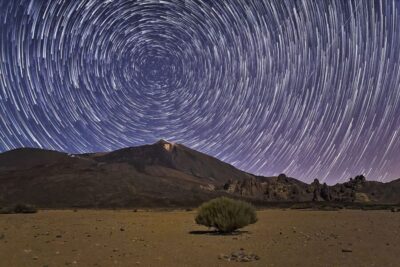
Teide National Park: Sunset & Stargazing Safari with Dinner
Read our review →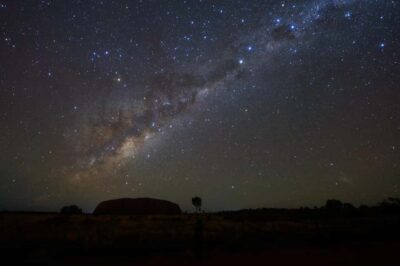
Uluru: National Park Astronomy Tour with Telescope and Photo
Read our review →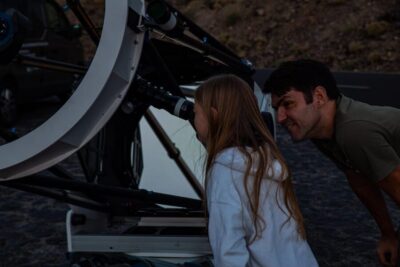
Teide National Park: Guided Large Telescope Stargazing Tour
Read our review →
Browse the lists this tour appears in