
Review · THE USA
Monument Valley: Stargazing Tour
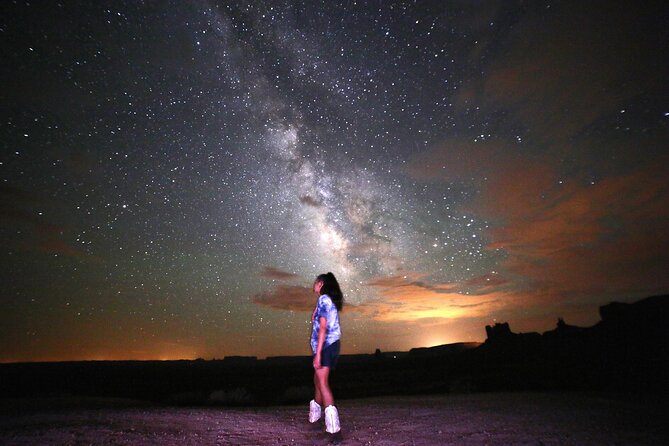
The stars are only half the show. This 150-minute Monument Valley stargazing tour pairs dark-sky viewing with dramatic night scenery, a telescope, camera help, and stories about Navajo connections to the stars. I like the small groups and the chance to see places such as Forrest Gump Hill and Teardrop Arch after sunset, when the valley takes on a completely different mood.
I also like that the guides do more than point out constellations. Sabrina, Comisita, Cheryl, and other guides have helped people adjust cameras for night photography, while guides such as Larry have shared Navajo traditions and personal stories. The main drawback is the rough ride, especially in an open-air Jeep or safari vehicle, and the experience is not a good fit for infants or anyone more than five months pregnant.
Key points to know before booking
- Night photography is a major part of the tour: Guides can help you set up your camera for stars, the Milky Way, and Monument Valley’s stone formations.
- The tour visits three or four stops: Possible locations include Forrest Gump Hill and Teardrop Arch, with the exact route shaped by conditions and photography needs.
- A telescope is included: You receive instruction on how to use it, along with live English narration.
- Small groups keep the experience personal: The open-air vehicle holds up to 12 people in warm weather, while the enclosed SUV holds up to 7.
- The ride can be rough: Blankets may be provided on cold nights, but you should still dress for exposure and uneven roads.
- Time zones need attention: The tour runs on Utah time, one hour ahead of Arizona from March through November.
What this Monument Valley night tour is really like
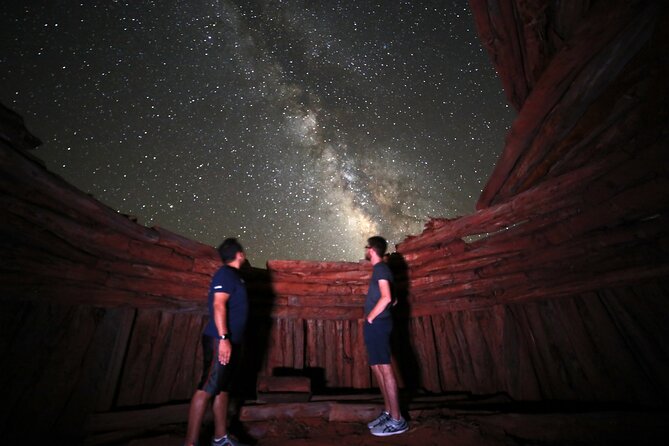
This is not simply a drive to a viewpoint, followed by a quick look at the sky. It is a guided evening outing built around three things: Monument Valley after dark, practical stargazing, and cultural storytelling.
You meet in front of the lobby of The View Hotel at the Navajo loading area. Your guide will not come inside the hotel, so wait outside and look for someone from Monument Valley Tribal Tours. From there, you ride to several viewing areas outside the standard daytime sightseeing routine.
The tour lasts 150 minutes, which is long enough to settle into the night without taking up an entire evening. You may visit three or four stops. The guide chooses locations that offer strong views of the rock formations and a good angle for photographing the sky.
The route is not a fixed sightseeing checklist. That is useful because night photography depends on where the moon and stars are brightest, how much time you need at each stop, and the condition of the road. It also means you should not book this expecting every named location on every departure.
More Stargazing Tours in the USA:
- Small Group Big Island Twilight Volcano and Stargazing Tour
★ 5.0 · 1,619 reviews - Sedona Stargazing Tours LLC
★ 4.5 · 881 reviews - The Original Sedona UFO and Stargazing Night Tour
★ 4.5 · 269 reviews
Forrest Gump Hill and the valley after dark
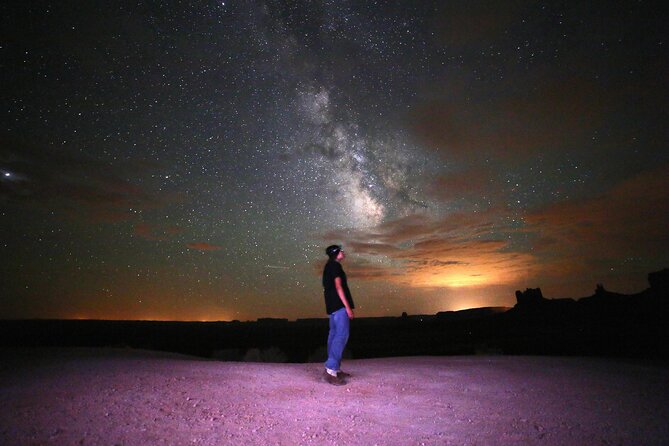
Forrest Gump Hill is one of the possible stops, and it gives you a famous Monument Valley view with a night-time twist. In daylight, the road and distant buttes often dominate the scene. After dark, the focus shifts toward silhouettes, moonlight, and the sky above them.
This is one of the better settings for learning how to balance the dark sky with a large foreground subject. Your guide can help with camera settings, which matters because night photography is rarely as simple as pointing and pressing the shutter.
Several people have praised this part of the tour in practical terms. Sabrina patiently helped with camera controls, and other guides, including Comisita and Cheryl, showed guests how to make night photographs they could repeat later. That is a real benefit if you do not already know how to work with long exposures or manual settings.
You should bring the camera you actually plan to use. The tour includes photography advice, but it does not promise professional equipment or editing help. If you arrive with a phone, you may get guidance, but the strongest results will depend on your own camera and your comfort using it.
Teardrop Arch and changing views of the rock formations
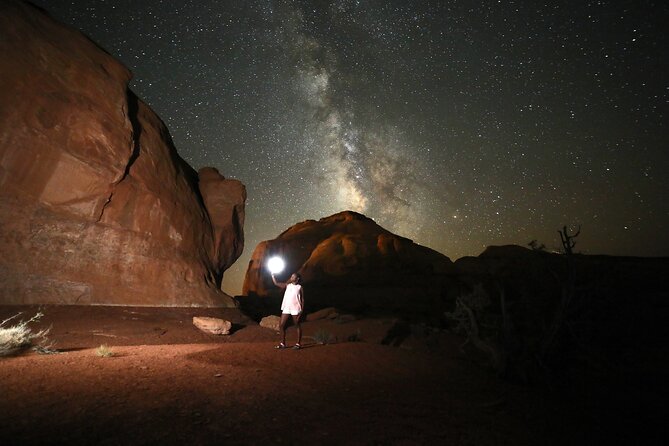
Teardrop Arch is another possible stop. Its value is not just the arch itself, but the way the opening can frame the night sky and surrounding stone. Moonlight can reveal the shape of the rock while still leaving the sky dark enough for stars.
The exact number and order of stops can change. The supplied details say the tour visits three or four places depending on photography experience, so your group may spend more time at a location if people need help with their settings. That is good for anyone hoping to leave with a useful photograph, though it may feel slower if you prefer a quick sightseeing loop.
At each stop, your guide brings attention to the relationship between the sky and the rock formations. This is where the tour feels different from ordinary stargazing in an open field. Monument Valley gives the sky a powerful foreground, and the moon can make the formations visible without flattening the darkness.
The telescope lesson, not just a telescope view
The tour includes use of a telescope and instruction from the guide. That makes the experience more hands-on than simply looking up while someone names stars.
You learn how to use the telescope, then have a chance to view the night sky through it. The exact objects you see are not specified, so you should not book this expecting a guaranteed list of planets or galaxies. The tour is timed for nights when the moon and stars are at their brightest, giving you the best chance of strong views and memorable photographs.
The guides also connect the sky to Navajo traditions and stories about how stars received their names. Marcia described hearing stories about Navajo traditions during a very cold March outing, while other guests praised the way their guides shared heritage through stories and music.
That cultural element gives the night more meaning. You are not only being shown a scientific subject. You are hearing how the sky has been understood within the guide’s own community and homeland.
Same dark sky, a different way to spend it:
- Griffith Observatory Hike: Guided Tour through Griffith Park
★ 5.0 · 1,020 reviews - Los Angeles: Hollywood Night Tour with Griffith Observatory
★ 4.2 · 531 reviews - Miami: Frost Museum of Science and Planetarium Entry Ticket
★ 4.5 · 429 reviews - Griffith Observatory Insider Tour
★ 4.5 · 306 reviews
Navajo stories and the closing music
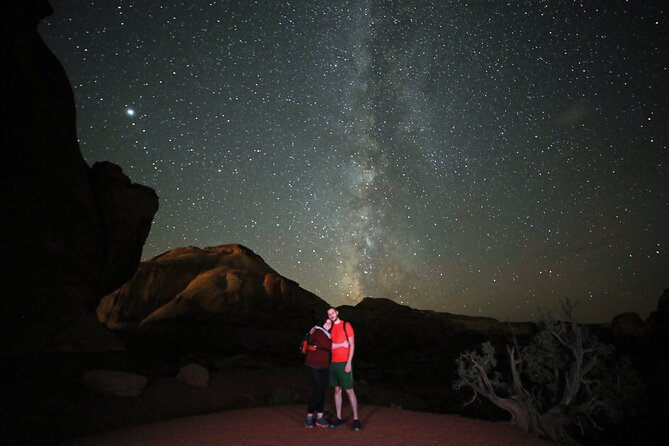
At the end of the tour, your guide performs traditional music. This is a short cultural moment, but it gives the outing a natural finish after the telescope work and photography stops.
The performance is not presented as a separate concert. It is part of the guide’s storytelling and connection to place. One guest singled out Sabrina’s prayer song as a lasting part of the evening. Other guides have shared personal stories and Navajo views of the stars.
I would treat this portion with respect and attention. It is not background entertainment to fill time while the vehicle is being readied. It is one of the most personal parts of the tour, and it helps distinguish this experience from a generic astronomy excursion.
Open-air vehicles, cold nights, and a bumpy road
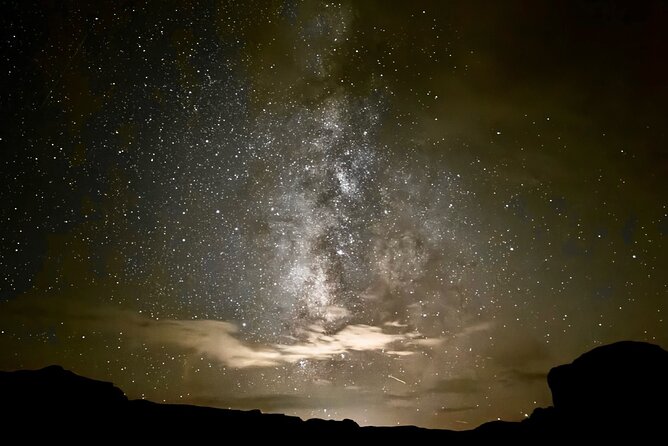
Vehicle comfort is the main practical question. In warm weather, the tour uses an open-air safari-style vehicle with room for up to 12 passengers. In cold or hot weather, it uses an enclosed SUV with a maximum of 7 people.
The smaller SUV group should feel more intimate, but the open-air vehicle gives you a more direct connection to the night. It also leaves you exposed to wind and cold. On one especially cold outing, the guide handed out blankets, which was a thoughtful touch. Still, bring warm layers rather than relying on blankets.
The road can be rough. One otherwise delighted guest said the rattling Jeep took away some comfort. Another described the guide taking the group over interesting terrain to reach the best stargazing locations. Those two points belong together: the rough route is part of reaching the remote viewing areas, but it can be tiring.
This is not the right outing if you need a smooth ride or have difficulty with uneven terrain. Infants aged one year or younger are not permitted, and the tour is not suitable for women more than five months pregnant because of the rough ground.
Why the $109 price can make sense
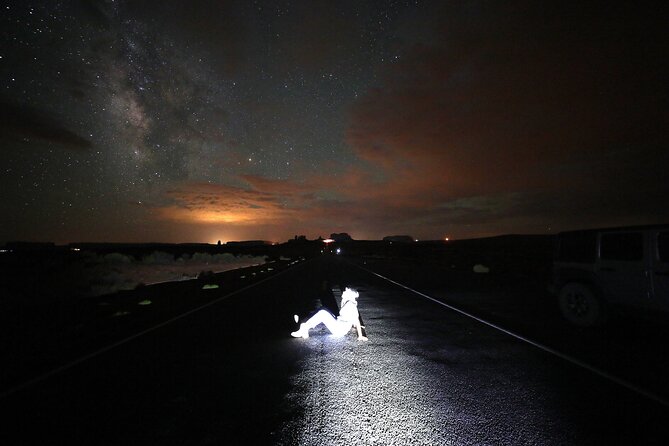
The price is $109 per person, with the 6 percent tax and 3 percent operational fees already included. A Monument Valley Tribal Park entry pass, listed at $8 per person, is not included, so budget for that possible extra charge.
The value depends on what you would otherwise arrange yourself. A simple night viewpoint costs less, but it will not give you a telescope, transportation, camera instruction, guide narration, cultural stories, and a closing musical performance.
The strongest value is for someone who wants help making a good night photograph. Several guides have been praised for explaining camera settings patiently, rather than simply taking a picture for you. You leave with skills you can use on the rest of your trip.
The price is harder to justify if you only want a short look at the stars or if you already know night photography well. You are paying for the guide’s local access, interpretation, driving, equipment, and small-group attention. If those parts do not interest you, the experience may feel expensive for two and a half hours.
Keep the possible entry fee in mind when planning your total cost. The tour information also says it does not include a visit inside the Monument Valley Tribal Park and instead visits other areas of Monument Valley. Since the entry pass is listed separately, confirm at booking or with the operator if you are unsure why it may apply to your departure.
Time zones and meeting details that can trip you up
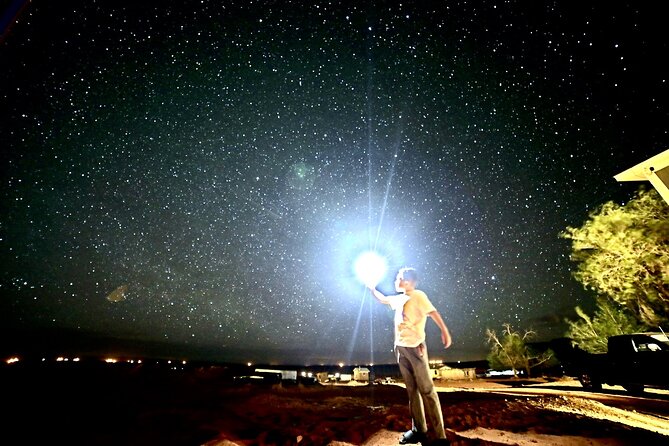
The tour operates on Utah time, or Mountain Daylight Time. From March through November, Utah is one hour ahead of Arizona.
This matters because Monument Valley sits near a state and time-zone boundary. If you are coming from Arizona, leave one hour earlier than you might first calculate. A late arrival at The View Hotel could mean missing the vehicle, since the driver waits at the Navajo loading area and does not come inside the lobby.
You should wait in front of the hotel lobby, not inside. Look for a guide from Monument Valley Tribal Tours. The activity is conducted in English.
Sunglasses are listed among the items to bring. That may seem odd for a night tour, but they are useful before sunset or during bright moonlit portions of the outing. You should also bring a camera, spare batteries if you have them, and warm clothing, though only the sunglasses are specifically required in the tour information.
Who will enjoy this experience most
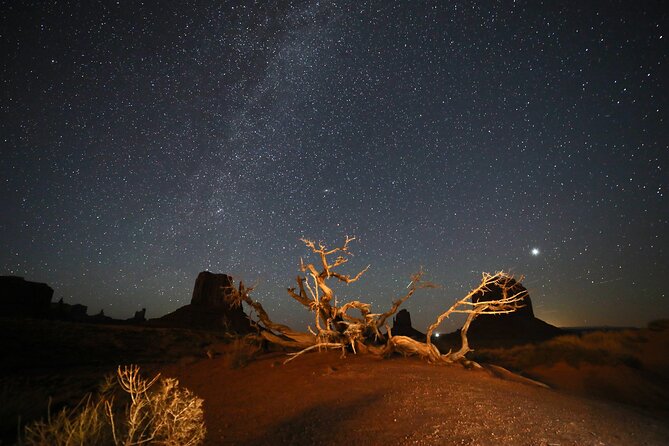
I would recommend this tour to you if you fit one or more of these descriptions:
- You want to photograph the Milky Way with Monument Valley in the foreground.
- You enjoy learning through personal stories, music, and local cultural context.
- You prefer a small group to a large bus tour.
- You want a guide to explain telescope use and camera settings.
- You are comfortable with a rough ride and changing outdoor temperatures.
- You have already seen Monument Valley by day and want a different view.
It is less suitable if you dislike bumpy roads, need guaranteed access to a specific viewpoint, or want a purely scientific astronomy lesson. It is also not suitable for infants aged one year or younger or women more than five months pregnant.
The tour may suit families with older children, but the operator does not provide a specific minimum age beyond the infant restriction. Since the ride is rough and the outing takes place at night, use your own judgment about how well your children handle cold, darkness, and a moving vehicle.
Booking advice for the clearest night
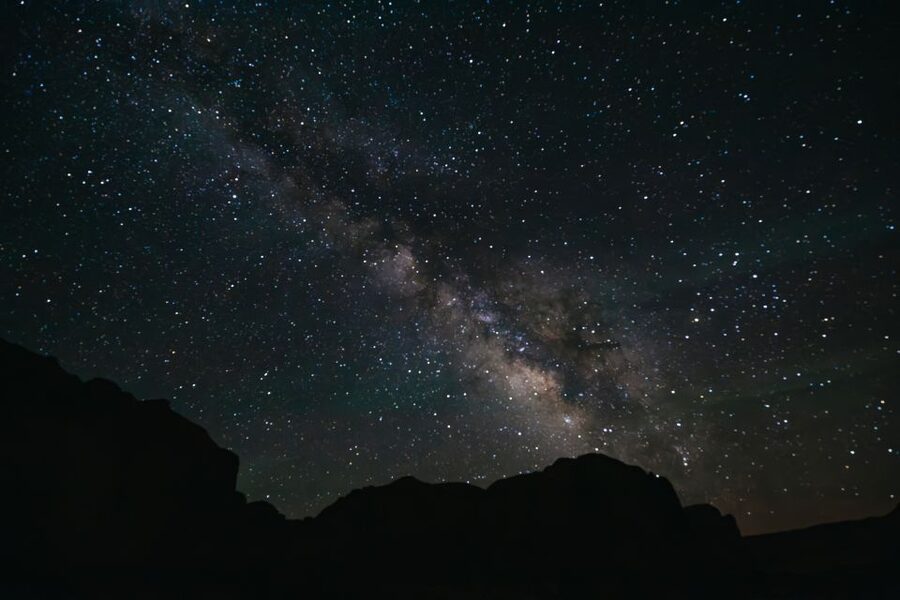
This tour is offered only when the moon and stars are at their brightest. That is good for photographs, but it means availability is tied to the night sky rather than simply your preferred date.
A clear, bright sky can make the experience special, but the tour cannot turn every photograph into a perfect image. Your results will depend on cloud cover, camera equipment, settings, and how much time you spend learning from the guide.
The cancellation terms are friendly: you can cancel up to 24 hours before departure for a full refund. You can also reserve now and pay later, which helps if your Monument Valley schedule is still moving around.
The overall rating is 4.6 from 31 reviews, with especially strong praise for the guides’ patience, storytelling, camera help, and warmth. The recurring caution is comfort, not the quality of the night views. Expect a memorable outing, but do not expect a luxury vehicle.
Should you book the Monument Valley Stargazing Tour?
Book it if you want more than a star-filled sky. The combination of telescope viewing, night photography help, Navajo stories, dramatic rock formations, and traditional music gives the evening real substance.
I would especially choose it if you own a camera but are unsure how to photograph stars. Guides such as Sabrina, Comisita, and Cheryl have helped people get beyond blurry black images and make photographs they can repeat at home.
Skip it if your priority is a smooth ride, a fixed list of viewpoints, or a quick and inexpensive look at the night sky. For the right visitor, though, $109 is fair value for a small-group experience that teaches you something, takes you beyond ordinary daytime scenery, and leaves you looking up at Monument Valley in a new way.
FAQ
How long does the Monument Valley Stargazing Tour last?
The tour lasts 150 minutes, or two and a half hours.
How much does the tour cost?
The price is $109 per person. A 6 percent tax and 3 percent operational fees are included. The Monument Valley Tribal Park entry pass, listed as $8 per person, is not included.
Where do I meet the guide?
Wait in front of the lobby of The View Hotel at the Navajo loading area, Indian Rte 42, Oljato-Monument Valley, Arizona 84536. The driver does not come inside the hotel. Look for a guide from Monument Valley Tribal Tours.
What vehicle is used?
In warm weather, the tour uses an open-air safari-style vehicle with a maximum of 12 passengers. In cold or hot weather, it uses an enclosed SUV with a maximum of 7 people.
Is the tour operated on Arizona time?
No. The tour operates on Utah time. From March through November, Utah is one hour ahead of Arizona, so you should leave one hour earlier if coming from Arizona.
What is included in the tour?
The tour includes transportation from and to the meeting point, telescope use, narration, a traditional musical performance by the guide, and the listed taxes and operational fees.
Just added around the USA
- Stargazing and Milky Way Portrait in Capitol Reef National Park★ 4.5 · 13 reviews
- Temecula Wine Country Stargazing Tour★ 5.0 · 2 reviews
- Astronomy and Stargazing Tour in Utah★ 5.0 · 8 reviews
- Private Stargazing – Sequoia National Park★ 4.5 · 14 reviews
- Sunset Sedona Sacred Places -gourmet picnic dinner and stargazing★ 5.0 · 12 reviews
- Sedona Night Hike and Stargazing★ 5.0 · 7 reviews
- Stargazing Tour with Telescopes and Video Astronomy in Sedona★ 5.0 · 40 reviews
- PRIVATE Sedona Jeep Tour 4X4 Stargazing Tour at Night★ 4.5 · 11 reviews
Stargazing Tours, compared.
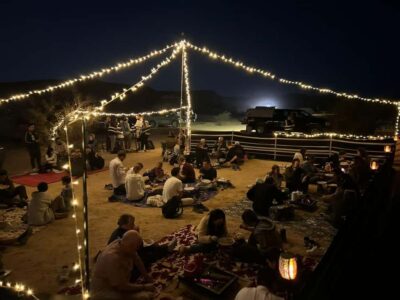
Dubai Red Dunes ATV, Camels, Stargazing & 5* BBQ Al Khayma Camp
Read our review →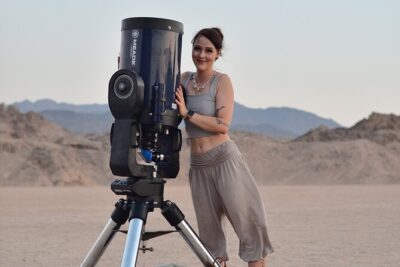
Teide National Park Sunset & Stargazing with Dinner (Star Safari)
Read our review →
Sunset Camel Trek, Al Khayma Camp, Stargazing & BBQ
Read our review →
Overnight Safari, Dinner, Stargazing & Al Khayma Camp
Read our review →
Dubai Overnight Desert Safari, BBQ & Stargazing at Al Khayma Camp
Read our review →Browse the lists this tour appears in