
Review · THE USA
East Zion Dark Sky Stargazing Tour
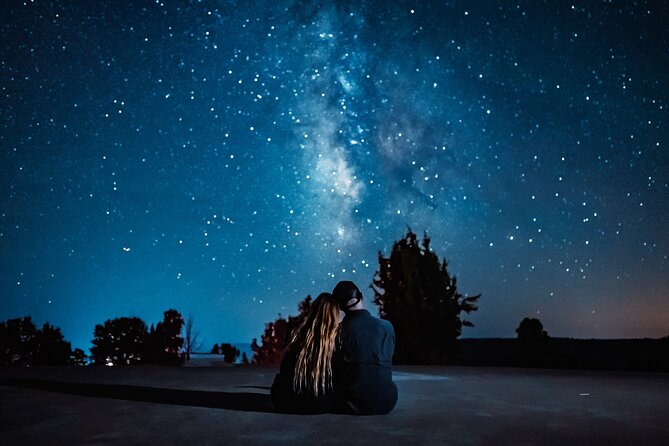
Look up, and Utah gets much bigger. The East Zion Dark Sky Stargazing Tour takes you to a high, dark spot just outside Zion National Park, where city lights fade and the Milky Way, planets, satellites, and shooting stars become the evening’s entertainment. I like the low $22.44 price and the way guides such as Oliver, Dylan, Hans, and Sky turn a simple night outdoors into an informal astronomy lesson. I also like the relaxed setup, with blankets, chairs, and, on many evenings, hot chocolate.
The main catch is the location. Zion Ponderosa Ranch Resort sits on the park’s eastern side, so the drive can be long and winding if you are staying near Springdale or Cedar City. Clouds, moonlight, large groups, and weak presentation equipment can also affect the experience. Still, on a clear night, this is one of the least expensive ways to see the Zion area after dark.
What makes this stargazing tour worth considering
- The setting is genuinely dark: The tour meets at Zion Ponderosa Ranch Resort, outside Zion’s eastern border and above nearby communities, where artificial light is limited.
- You may see more than stars: Past outings have included Jupiter and four moons, Saturn and its rings, the Orion Nebula, a comet, satellites, shooting stars, and the Milky Way.
- The telescope adds real value: You are not only lying on a blanket and looking up. The telescope gives the evening a focal point, though one telescope can mean a wait in a full group.
- Guides make the difference: Oliver used constellation stories and a laser pointer, while Dylan, Hans, and Sky received praise for friendly, engaging presentations.
- Comfort is part of the plan: Chairs, blankets, and hot chocolate have been provided on many evenings. Winter visitors should still bring warm clothes and gloves.
- The drive needs planning: The resort is far from Zion’s western gateway. Roads can be winding, and returning after dark may take longer than expected.
Why the eastern side of Zion is the right place for stars
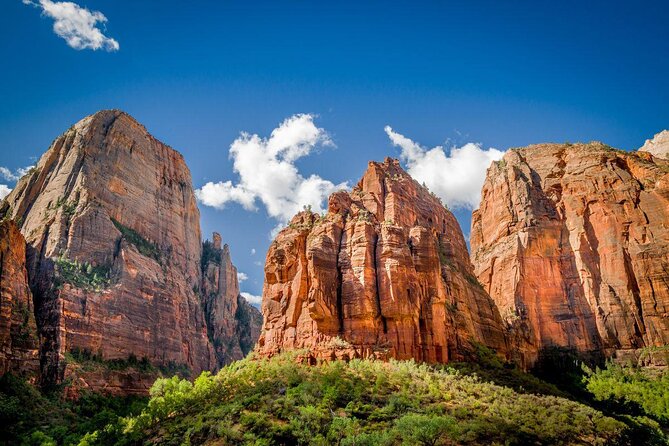
Zion National Park is known for its cliffs and canyon views by day. At night, the appeal changes completely. The East Zion tour does not take place deep inside the main canyon. Instead, you meet at Zion Ponderosa Ranch Resort on Twin Knolls Road in Orderville, just outside the park’s eastern border.
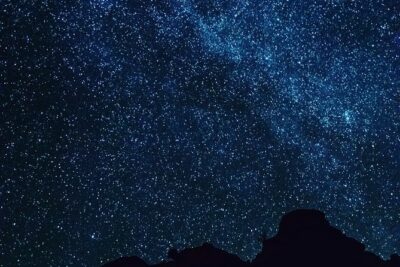
That location matters because the resort sits above the surrounding communities. You get distance from bright town lights, plus an open view of the sky. On a clear, moonless night, the difference can be startling. The Milky Way becomes easier to see, and faint stars do not have to compete with streetlamps or hotel signs.
I like this setup because the tour does not need a complicated ride or a long walk into the wilderness. You arrive at one meeting point, spend about an hour there, and return to that same spot. The night sky provides most of the show.
The tradeoff is access. If you are staying in Springdale, the resort is on the opposite side of the park from the main Zion entrance. One outing included about a 1.5-hour drive from Springdale, with winding roads after dark. From Cedar City, the return trip can also be tiring. Check your route before booking, and give yourself plenty of time to reach Twin Knolls Road.
More Dark Sky Tours in the USA:
- Sedona Dark Sky Sunset & Night Hike With a Private Guide
★ 5.0 · 86 reviews - Stargazing in Zion National Park’s International Dark Sky
★ 5.0 · 73 reviews - Greater Zion: Dark Sky UTV Tour with Stargazing
★ 4.9 · 40 reviews
What happens during the one-hour outing
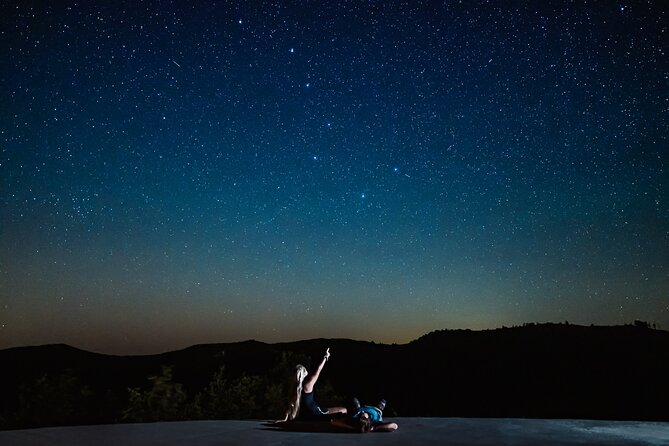
The itinerary is simple. You meet at Zion Ponderosa Ranch Resort, head to the stargazing area, and spend roughly an hour looking at the sky with help from a guide and telescope. The activity ends back at the meeting point.
This short format is useful if you are fitting the tour between dinner and sleep, or if you have children who may not last through a long astronomy program. It is also short enough to add after a day of hiking in Zion. You will not spend hours sitting through a formal lecture.
The experience usually begins with a basic orientation to the night sky. Guides point out constellations and planets, often using a laser pointer so you can follow the explanation. Oliver was praised for pairing constellation tales with clear pointing, which is exactly what you want in the dark. Without a pointer, a guide saying look over there is not much help when you are lying on the ground and trying to match a voice to a patch of sky.
The telescope then becomes the main attraction. Depending on the night, you might see planets, moons, star clusters, or a nebula. One outing focused on Jupiter and its four moons, the Orion Nebula, and the Double Cluster. Another included Saturn’s rings. A separate evening caught a comet.
These sightings depend on the season, cloud cover, and the position of the moon and planets. No one can promise Saturn, Jupiter, or a comet on your particular date. Think of the telescope as an excellent chance to see something special, not a fixed checklist.
What you may see through the telescope
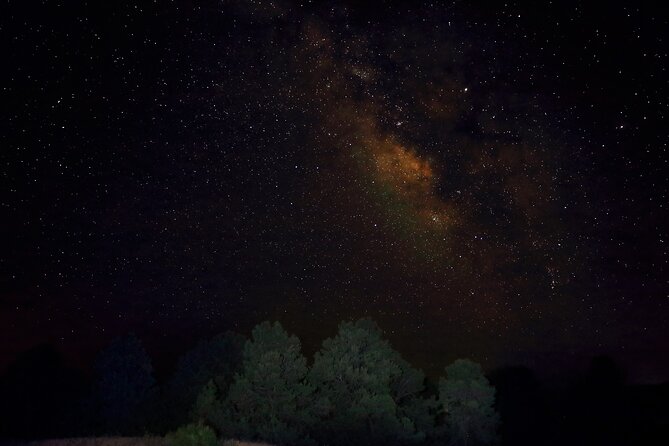
The naked-eye sky is often the best part of the outing. You may see satellites crossing the darkness, shooting stars, familiar constellations, and the Milky Way stretching above you. Several outings included shooting stars, and one couple described seeing more stars and satellites than ever before.
The telescope changes your sense of scale. With the right conditions, Jupiter can show its moons, Saturn can reveal its rings, and the Orion Nebula can appear as a soft, glowing cloud rather than a point of light. These are small views compared with the giant night sky around you, but they give the hour a sense of purpose.
I would pay close attention when the guide explains what you are seeing. The best parts of the tour come from connecting the bright points overhead to a story, pattern, or scientific fact. Guides have used constellation legends, astronomy apps, and laser pointers to help people find their bearings.
There is one practical limitation: one telescope may not be enough for a full group. With up to 100 people allowed, the telescope can become crowded. A night with many participants may mean waiting your turn, and you may get only a quick look before moving aside.
The size of the group also affects the presentation. One person found that chatting and phone lights distracted from the quiet mood. Another reported that a guide’s voice did not carry far enough. A microphone or a clear group leader would help, especially when attendance is high.
Blankets, chairs, and hot chocolate
The tour is not a bare-bones stop in a parking lot. Chairs and blankets have been available, and hot chocolate has been served at no extra charge on many evenings. One family appreciated the blankets so much that they used several for warmth and cushioning.
That comfort matters more than it may sound. Sitting still under an open sky gets cold quickly, even when the afternoon felt mild. In winter, bring warm layers, a hat, and gloves. Blankets are helpful, but you should not depend on them as your only protection from the cold.
In early fall, hot chocolate may be welcome after sunset. On a warm October evening, you might skip it. The drink is a pleasant extra, but the dark sky is the reason to book.
The setup can also work for older family members or people with limited mobility. One family reported that staff used a golf cart to help a man who could barely walk reach the viewing area. That shows a helpful attitude, though you should contact the provider ahead of time if someone in your group needs assistance. Service animals are allowed, and most people can participate.
More Stargazing Tours in the USA:
- Small Group Big Island Twilight Volcano and Stargazing Tour
★ 5.0 · 1,619 reviews - Sedona Stargazing Tours LLC
★ 4.5 · 881 reviews - The Original Sedona UFO and Stargazing Night Tour
★ 4.5 · 269 reviews - Mauna Kea Stargazing Experience + Photos
★ 5.0 · 261 reviews
How much value do you get for $22.44?
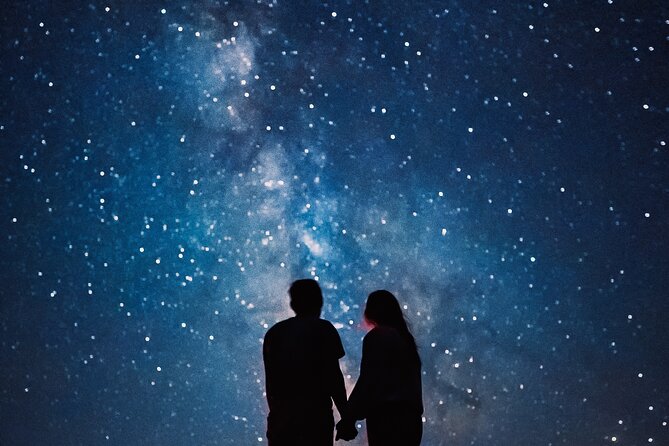
At $22.44 per person, the tour offers strong value if the sky is clear and the guide is prepared. You are paying less than many formal astronomy programs, yet the experience can include a telescope, live explanations, constellation stories, chairs, blankets, and hot chocolate.
The price is especially attractive for families. A short, low-cost evening activity can add variety after a day of hikes and scenic drives. Children who are curious about planets may remember seeing Saturn’s rings or Jupiter’s moons more clearly than another overlook.
The value drops if you have a long drive each way. A couple staying near Springdale may spend several hours on winding roads for a one-hour activity. In that case, the tour works best as part of an eastern Zion itinerary or while staying near Orderville and Zion Ponderosa Ranch Resort.
You should also factor in the weather risk. A cloudy night can hide the Milky Way and make telescope viewing disappointing. The provider requires good weather and offers a different date or a full refund if poor conditions cancel the outing. You can cancel for a full refund up to 24 hours before the start time, but changes or cancellations inside that window are not refunded.
Choosing the best night for the sky
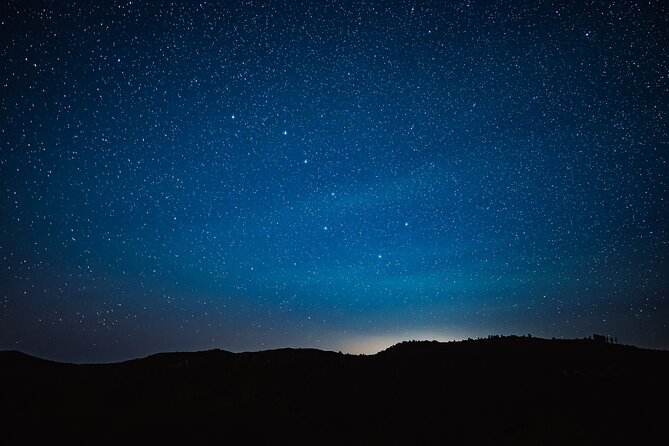
A clear, moonless night gives you the best chance of seeing faint stars and the Milky Way. One particularly successful outing took place during a new moon with no clouds and included Saturn and a comet. That is close to the ideal combination.
A bright moon does not ruin the evening, but it washes out some faint stars. One outing still produced plenty of stars despite a brighter moon, along with constellation stories and a relaxing blanket setup.
Clouds are the bigger problem. A cloudy evening can turn a telescope tour into a short outdoor talk with little to look at. Check the forecast before you go, and keep your schedule flexible when possible. If the provider cancels because of poor weather, you can choose another date or receive a full refund.
Winter requires extra planning. The supplied advice specifically calls for warm clothes and gloves. I would treat that as essential, not optional, because the activity involves sitting or lying still while looking upward.
The guides can make or break the hour
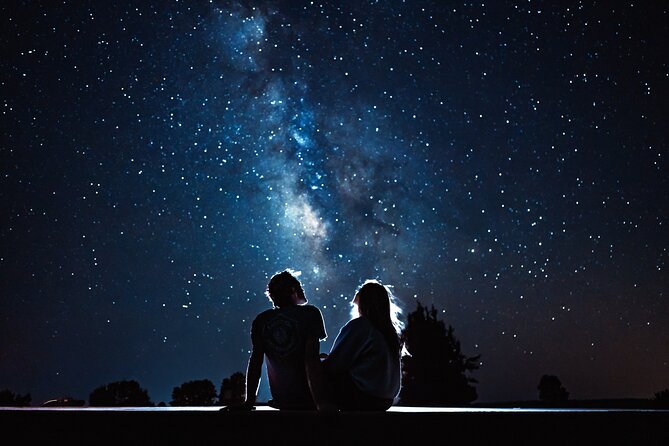
The strongest outings had guides who were friendly, animated, and comfortable explaining the sky. Hans was praised for his enthusiasm. Oliver used stories and a laser pointer to make the constellations easy to follow. Dylan received praise for an enjoyable evening, while Sky and other guides helped people identify the moon and constellations.
That personal touch matters. Stars can blur together when you do not know where to look. A good guide gives you a starting point, points out a shape, and adds enough story or science to make it stick.
The experience is not perfectly consistent. One guide used an astronomy app and seemed unsure of some information. Another had a laser pointer that did not work. A separate outing suffered because the guide’s voice did not carry through the group.
These issues may be equipment or staffing problems rather than a flaw in the location. Still, you should understand the risk. The sky remains beautiful, but the educational side depends heavily on the guide, the group size, and working equipment.
Families, couples, and solo visitors
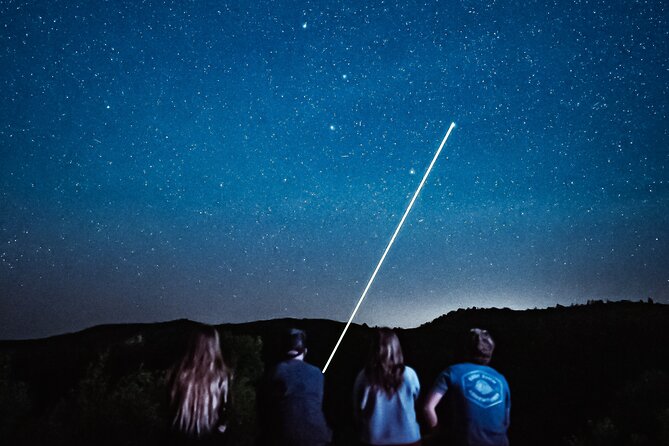
Families get a lot from this experience. The hour is short, the activity is gentle, and the mix of stories, planets, and shooting stars can keep children interested. The setting is family-friendly, but parents should remind children to keep phone lights off and voices low so everyone can see and hear.
Couples may enjoy the quiet pace. Lying under the Milky Way with blankets and hot chocolate feels more personal than another busy attraction. One couple described the evening as a way to stop thinking about daily concerns and simply watch the sky.
Solo visitors can also fit in easily. The format does not require a partner, and the guide provides the structure. You can listen, look up, and enjoy the calm without needing to organize anything yourself.
This is less suited to someone seeking a private astronomy session or advanced instruction. The maximum group size is 100, and a full session can feel crowded around a single telescope. It is also a poor match if you dislike night driving on winding roads.
Practical tips before you go
- Plan around the meeting point: Use Zion Ponderosa Ranch Resort, Twin Knolls Road, Orderville, Utah, as your destination. Do not assume the tour begins at Springdale or Zion’s main visitor center.
- Arrive with extra time: The roads near the eastern side of Zion can be winding, especially after dark.
- Bring real winter clothing: Pack warm layers and gloves, even if the daytime forecast feels mild.
- Keep your phone dark: Bright screens and flashlights interfere with everyone’s night vision.
- Ask about accessibility in advance: Staff have used a golf cart to assist someone with limited mobility, but arrangements should be confirmed before arrival.
- Expect the sky to change: Moonlight, clouds, and seasonal planet positions affect what you can see.
- Treat the telescope as shared equipment: If the group is large, be ready for a wait and a short viewing turn.
Should you book the East Zion stargazing tour?
I would book it if you are staying near eastern Zion, have a clear-weather backup plan, or want an inexpensive evening activity after hiking. The setting is excellent, the price is modest, and a good guide can turn a dark field into a memorable lesson about planets, nebulae, and constellations.
I would hesitate if you are staying far from the resort and would need to make a long return drive on winding roads. I would also avoid locking it into a tight schedule when clouds are likely.
For the best chance of a great night, choose a clear date near a new moon, bring warm clothing, arrive early, and ask your guide to point out specific objects through the telescope. At $22.44, the risk is small. The reward can be a sky full of stars, a glimpse of Saturn’s rings, and one of those quiet Zion memories that lasts longer than another photograph of a canyon.
FAQ
Where does the East Zion Dark Sky Stargazing Tour meet?
It meets at Zion Ponderosa Ranch Resort, Twin Knolls Road, Orderville, Utah 84758. The activity ends back at the same meeting point.
How long does the stargazing tour last?
The experience lasts approximately one hour.
How much does the tour cost?
The listed price is $22.44 per person.
Can I see planets and galaxies on the tour?
The telescope has been used to view planets, moons, star clusters, and the Orion Nebula. Past outings included Jupiter and four moons, Saturn’s rings, and the Orion Nebula. What you see depends on the date and sky conditions.
Is the tour suitable in winter?
Yes, but you should bring warm clothing and gloves. Blankets have been provided on many outings, but you should still dress for sitting outdoors at night.
What happens if poor weather cancels the tour?
If the experience is canceled because of poor weather, you can choose a different date or receive a full refund.
Can I cancel my booking?
You can cancel up to 24 hours before the experience begins for a full refund. Cancellations or changes made less than 24 hours before the start time are not accepted for a refund.
Just added around the USA
- Stargazing and Milky Way Portrait in Capitol Reef National Park★ 4.5 · 13 reviews
- Temecula Wine Country Stargazing Tour★ 5.0 · 2 reviews
- Astronomy and Stargazing Tour in Utah★ 5.0 · 8 reviews
- Private Stargazing – Sequoia National Park★ 4.5 · 14 reviews
- Sunset Sedona Sacred Places -gourmet picnic dinner and stargazing★ 5.0 · 12 reviews
- Sedona Night Hike and Stargazing★ 5.0 · 7 reviews
- Stargazing Tour with Telescopes and Video Astronomy in Sedona★ 5.0 · 40 reviews
- PRIVATE Sedona Jeep Tour 4X4 Stargazing Tour at Night★ 4.5 · 11 reviews
Dark Sky Tours, compared.
Sedona Dark Sky Sunset & Night Hike With a Private Guide
Read our review →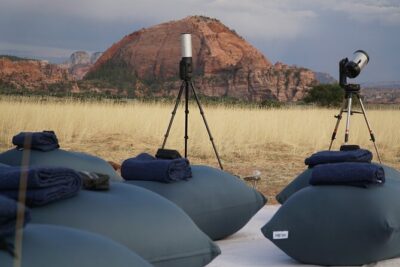
Stargazing in Zion National Park’s International Dark Sky
Read our review →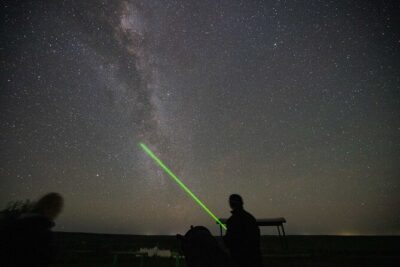
Small-Group River Murray Dark Sky and Sunset Tour with Dinner
Read our review →
Dark Sky Indoor Maori Cultural Astronomy Experience
Read our review →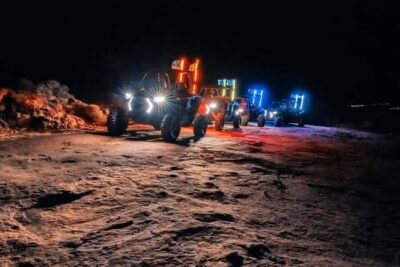
Greater Zion: Dark Sky UTV Tour with Stargazing
Read our review →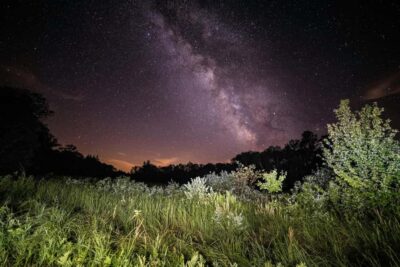
Browse the lists this tour appears in