
Review · JASPER
Jasper: Jasper Planetarium and Telescope Combo Tour Tickets
The Rockies make a fine ceiling for the universe. This 90-minute Jasper experience pairs a planetarium show with outdoor telescope viewing, meteorites, aurora science, and plenty of questions with friendly astronomy guides. I like the mix of First Nations constellations and modern astronomy, and I like that cloudy weather does not simply end the evening. The main drawback is simple: mountain weather can hide the stars, and the outdoor portion can feel cold or repetitive when the telescopes cannot be used.
The $61 price is fair if you value both parts of the program, especially the chance to see Saturn, star clusters, planets, and nebulae through large optical telescopes. If clouds roll in, you still receive an indoor program with Moon and Mars rocks, aurora information, and 4K recordings from earlier telescope sessions. Just arrive early, dress for the weather, and choose a start time after sunset.
Five things to know before booking
- Two-part astronomy program: You begin under the planetarium dome, then move outdoors to the telescope area.
- Cloudy skies do not cancel the evening: The backup program includes aurora science, real meteorites, Moon and Mars rocks, and 4K telescope footage.
- A two-year rain check helps: If clouds prevent useful telescope viewing, you can return for the telescope tour on a clearer day at no extra charge.
- The timing matters: Pick a departure after sunset for the best chance of seeing a dark sky.
- Bring serious warm clothing: Winter visitors may need thermal layers, and even a clear evening can feel cold beside the telescopes.
- Check in 15 minutes early: The desk is inside the Main Lodge at Jasper Park Lodge, and late arrivals are not admitted to the scheduled tour.
Starting inside Jasper Park Lodge
The meeting point is not outside at the telescope field. Check in at the Planetarium Retail Desk inside the Main Lodge at Jasper Park Lodge.
Enter through the doors opposite the P1 parking lot, marked Shops and Spa. The desk is directly ahead in this entrance, while another description places it in the southwest corner of the lobby, past the front desk and across from the Emerald Lounge. In practical terms, allow time to find the Main Lodge, park, and walk inside before searching for the desk.
You must check in 15 minutes before departure. This is important, not a suggestion. Late arrivals will not be admitted because they interrupt the show, and you may be moved to the next available tour, possibly on another day.
Drivers can use parking lots P2, P3, or P4. P2 is closest to the Planetarium. Parking is included, which makes the $61 price easier to accept if you are driving to Jasper Park Lodge rather than arranging another ride.
The experience is in English and has a live guide. It is wheelchair accessible, but children under four cannot enter the Planetarium Dome Theatre. Unaccompanied minors are not permitted.
More Planetarium Visits in Canada:
- Planetarium and Telescope Combo Tour
★ 4.0 · 144 reviews - Jasper: Jasper Planetarium Dark Sky Experience
★ 4.2 · 11 reviews - Jasper: Planetarium Indoor Dome Experience
★ 3.9 · 8 reviews
The planetarium dome: from local constellations to the edge of space
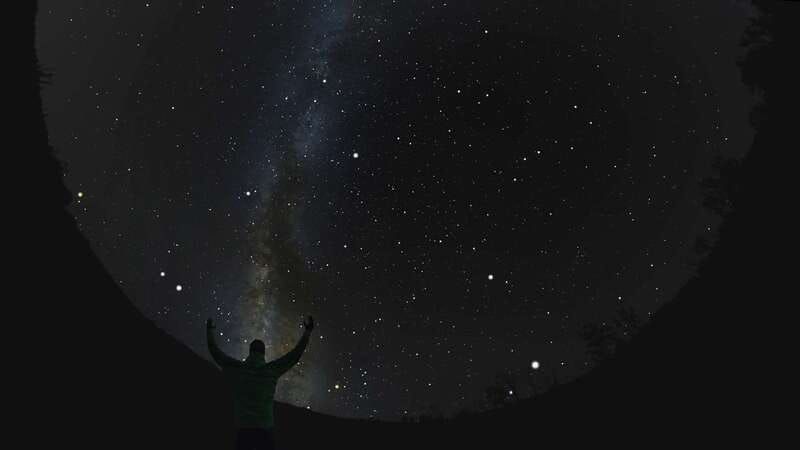
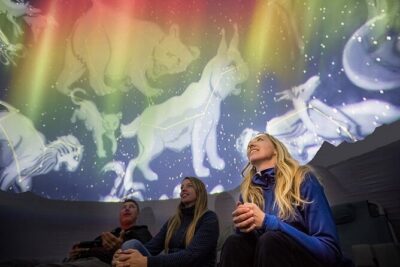
The first part takes place in the Planetarium Dome Theatre. This gives you a useful introduction before you step outside. Instead of beginning with a technical lecture, the presentation connects the night sky with local First Nations constellations, then moves outward toward the Milky Way and the edge of the universe.
That sequence gives the program a broader purpose. You are not only memorizing planet names or learning which direction to face. You are seeing how people have interpreted the same sky in different ways, then following the science from nearby stars to distant galaxies and other objects far beyond the Milky Way.
The dome is especially helpful if you are new to astronomy. A real sky can be confusing, even on a clear night. The planetarium can show you the structure of the sky in a controlled setting before you head to the telescopes.
The quality of the presentation may depend on the particular session. One visitor found the music sometimes made the speaker hard to hear. Another felt the show could be improved, while others praised the planetarium as interesting, polished, and informative. I would treat the dome as a strong orientation to the evening, but not as the sole reason to book the experience.
The planetarium is also your best protection against bad weather. If rain or cloud blocks the stars, this portion still gives you a complete presentation rather than leaving you with an abbreviated tour.
The telescope session and the appeal of real night-sky viewing
After the dome program, you go outside for an introduction to the large telescopes at Jasper Planetarium. The operation describes them as the largest and most powerful in the Rockies, with North America’s most powerful telescope used during the experience.
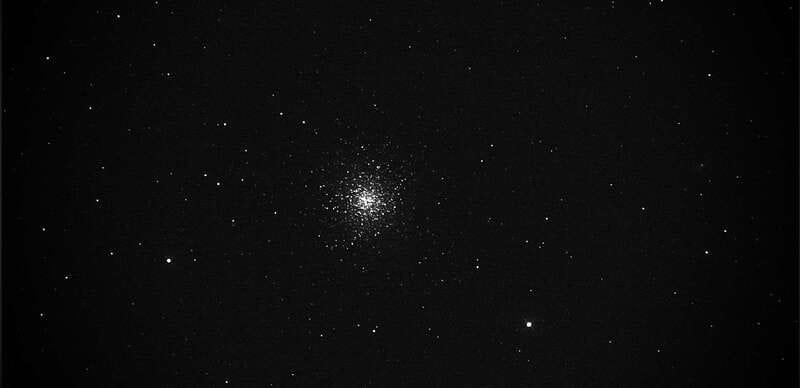
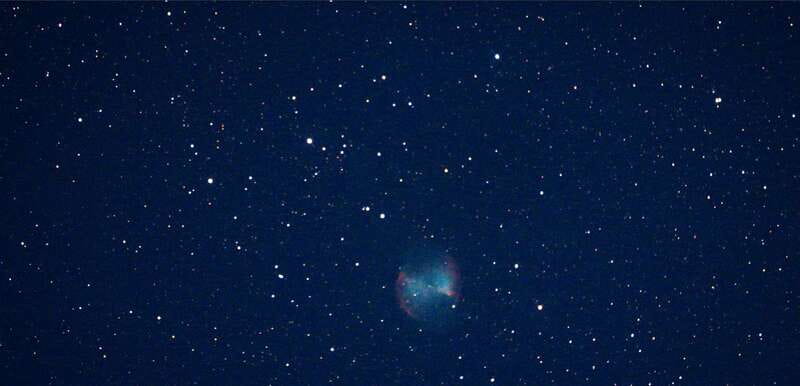
The important point is not the label. It is the chance to look through optical equipment that can show objects your eyes cannot resolve well on their own. On a clear night, you might see planets, nebulae, star clusters, and other objects in the night sky.
Past sessions have produced memorable views of Saturn and star clusters. Jupiter has also been a target, although clouds prevented one viewing. That is the nature of astronomy here: the objects are real, but your exact viewing list depends on the date, the weather, and what is visible at that time.
The guides explain how the telescopes work and answer questions as the session develops. The strongest praise for this experience goes to the staff. They are described as friendly, enthusiastic, and well informed, with a genuine interest in both Jasper and astronomy. That matters because a telescope view can last only a moment, while a good explanation helps you understand what you are seeing.
The telescope portion is less satisfying when the weather turns wet, cloudy, or hazy. One clear criticism is that the outdoor session can repeat material from the planetarium when actual viewing is not possible. Another visitor found the telescope section less rewarding than the dome and felt cold outside. Those are fair concerns, especially if your main goal is to see several planets through the lenses.
What happens when clouds cover the sky
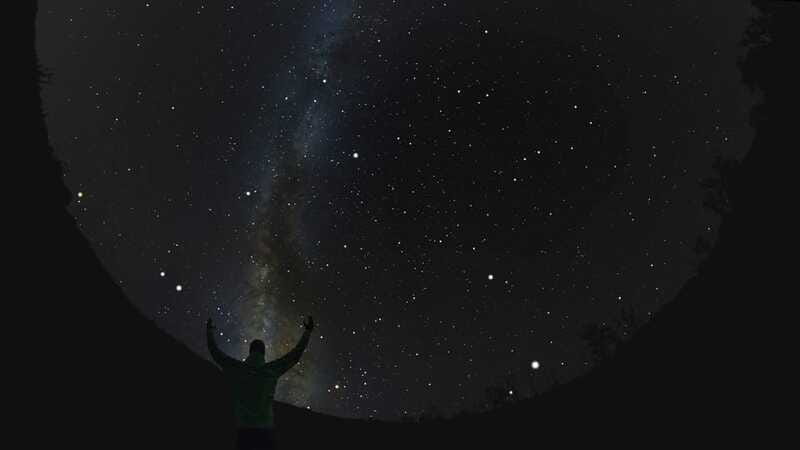
The Canadian Rockies can change quickly. The tour does not offer a refund simply because clouds block the stars, but it does provide a cloudy-day program and a two-year rain check for the telescope tour.
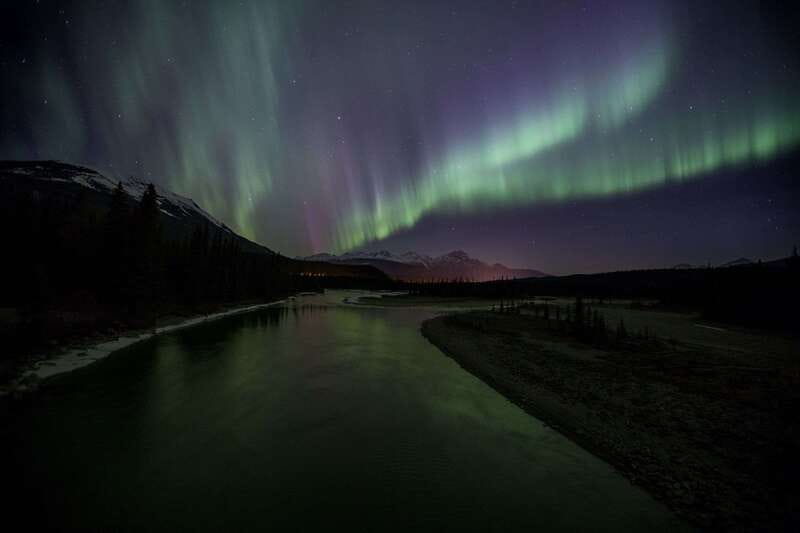
The backup program includes two pavilions focused on aurora science. You learn how the Northern Lights work, what causes them, and how to photograph auroras. This can be useful even on a clear night, since many visitors come to Jasper hoping to see the Aurora Borealis but do not know what conditions or camera settings matter.
You also get to handle actual meteorites, along with a Moon rock and a Mars rock. That hands-on element gives the cloudy session something the planetarium cannot provide. A meteorite is not just a projected image. You can feel a physical piece of material that came from beyond Earth.
If the sky remains too cloudy for live telescope views, the staff show 4K screen captures and instant replays from their video telescope. These recordings can include planets, nebulae, and other distant objects captured during earlier clear sessions.
This backup program is not identical to live stargazing. A recording cannot replace the small thrill of watching an object appear in the telescope while you stand under the actual sky. Still, it keeps the evening worthwhile, and the rain check gives you another chance if your schedule allows a return.
More Telescope Stargazing in Canada:
- Teide by Night: Sunset & Stargazing with Telescopes Experience
★ 4.5 · 1,492 reviews - Uluru: National Park Astronomy Tour with Telescope and Photo
★ 4.4 · 357 reviews - Teide National Park: Guided Large Telescope Stargazing Tour
★ 4.9 · 319 reviews - Levi: Northern Lights Tour and Stargazing by Telescope
★ 4.6 · 183 reviews
Choosing the right time and season
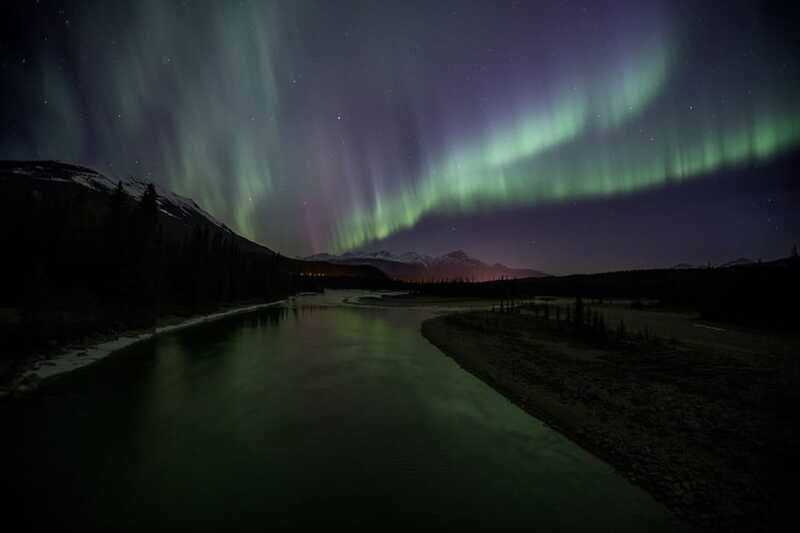
Pay close attention to sunset when selecting your time. A departure after sunset gives you the best chance of reaching a properly dark sky during the telescope portion.
A summer booking needs extra thought. In June, there may not be complete darkness at the time you expect, and one visitor still enjoyed the program despite limited stars. The planetarium and educational sections make a summer visit possible, but someone focused on maximum darkness should check the sunset time for the exact date.
Winter offers longer darkness, but the cold becomes a real factor. Wear weather-appropriate clothing, and consider thermal layers. You may spend time outdoors waiting for telescope views or moving between explanations, and standing still in winter air gets uncomfortable quickly.
Cloud cover is only part of the problem. Rain, snow, and wet conditions can make the outdoor portion less pleasant even when the guides continue with the full program. I would bring warm layers in every season, with waterproof clothing if the forecast looks uncertain.
Is $61 a good value?
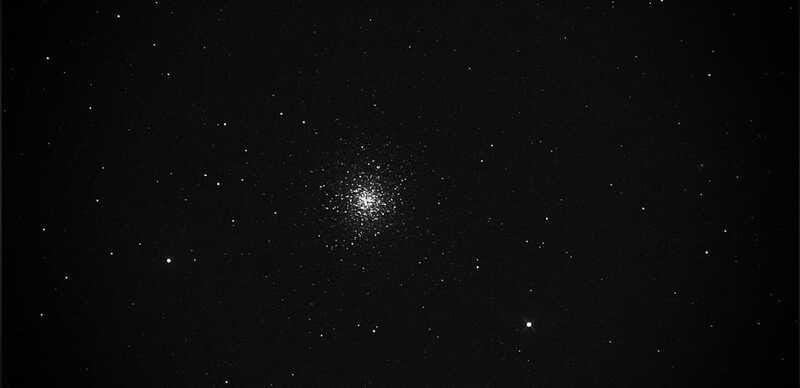
At $61 per person, this is not a cheap add-on, but it is more than a quick look through a single telescope. You receive a planetarium presentation, a guided telescope session, access to optical telescopes, astronomy instruction, a question-and-answer period, and a cloudy-weather alternative.
The price makes the most sense for three types of visitors. First, beginners get a friendly introduction without needing prior astronomy experience. Second, families with children old enough for the dome receive a mix of visual entertainment and hands-on science. Third, adults who already enjoy astronomy get access to large telescopes and may appreciate the chance to view planets or star clusters in the Rockies.
The value drops if you require guaranteed clear skies or a long list of specific objects. No tour can promise that the clouds will cooperate, and the weather policy does not provide a refund for a cloudy evening. The two-year rain check helps only if you can return to Jasper or plan to do so.
Free parking adds practical value, especially for visitors staying elsewhere in Jasper. Food and drinks are not included, so eat beforehand or plan another stop after the session.
Who will enjoy this most?
I would recommend the tour to anyone curious about the sky but not ready for a specialized observatory program. The guides do much of the work, and the mix of dome visuals, outdoor equipment, meteorites, and questions keeps the evening moving.
Families should note the age restriction. Children under four cannot enter the dome, and minors cannot attend without an accompanying adult. Older children may enjoy the Moon and Mars rocks as much as the telescope views.
It is also a good choice for visitors hoping to photograph the Northern Lights. The program explains aurora science and offers photography guidance. It does not guarantee an Aurora display, so book it for the astronomy education rather than for a promised Northern Lights sighting.
You may want to skip it if you dislike cold outdoor activities, have no flexibility for a return visit, or care only about live telescope viewing. In those cases, a cloudy evening could feel like a poor match despite the indoor alternatives.
Practical rules that shape the evening
Smoking, vaping, alcohol, and drugs are not allowed. Flash photography, photography inside, and audio recording are also prohibited. These rules protect the presentation and help keep the dome dark and quiet.
The tour lasts 90 minutes. Since the program changes location between the dome and telescope area, arrive ready to follow the guide rather than treating it as a single seated show.
Cancellation is free up to 24 hours before the scheduled time. Within 24 hours, you will not receive a refund, although you may change to another time. The reserve-now, pay-later option can help if your Jasper schedule is still moving.
FAQ
How long is the Jasper Planetarium and Telescope Combo Tour?
The experience lasts 90 minutes.
How much does the tour cost?
The listed price is $61 per person.
Where do I check in?
Check in at the Planetarium Retail Desk inside the Main Lodge at Jasper Park Lodge. Enter through the doors opposite the P1 parking lot, marked Shops and Spa.
How early should I arrive?
You must check in 15 minutes before departure. Late arrivals will not be admitted and may be moved to the next available tour, which could be on another day.
What happens if the sky is cloudy?
You receive a cloudy-day program with aurora science, meteorites, a Moon rock, a Mars rock, and 4K recordings from earlier telescope sessions. You also receive a two-year rain check for the telescope tour, allowing you to return at no extra charge on a clearer day.
Can children attend?
The tour is open to all ages except children under four, who cannot enter the Planetarium Dome Theatre. Unaccompanied minors are not permitted.
Is the tour wheelchair accessible?
Yes, the activity is wheelchair accessible.
What should I bring?
Bring clothing suitable for the weather. Thermal layers may be needed during winter, since part of the experience takes place outside.
Should you book it?
Book this tour if you want a friendly, well-rounded introduction to astronomy and can accept that the sky makes the final decision. The best parts are the enthusiastic guides, the First Nations and Milky Way presentation, the chance to handle Moon and Mars rocks, and the possibility of seeing Saturn, star clusters, planets, or nebulae through powerful telescopes.
Choose a time after sunset, arrive early, and dress warmer than you think you need. If clouds spoil the live viewing, the backup program and two-year rain check soften the disappointment. If you need a guaranteed telescope show on one specific night, this is a risk. If you see the weather as part of the adventure and value a strong educational program, the Jasper Planetarium and Telescope Combo Tour is a worthwhile evening for $61.
Just added around Canada
- Wildlife Wild Skies: Jasper Planetarium Combo★ 3.0 · 3 reviews
- Stargazing Tour – Kananaskis After Dark★ 5.0 · 55 reviews
- Banff Night Tour and Stargazing from Canmore or Banff★ 3.5 · 2 reviews
- Sunrise or Sunset/Stargazing Tour at Moraine Lake from Banff★ 4.7 · 50 reviews
- Canmore: Stargazing and Night Adventure★ 5.0 · 3 reviews
- Jasper: Jasper Planetarium Dark Sky Experience★ 4.2 · 11 reviews
- Jasper: Planetarium Indoor Dome Experience★ 3.9 · 8 reviews
- Canmore: Stargazing and Nature by Nightfall Walking Tour – 2hr★ 5.0 · 31 reviews
Planetarium Visits, compared.
Miami: Frost Museum of Science and Planetarium Entry Ticket
Read our review →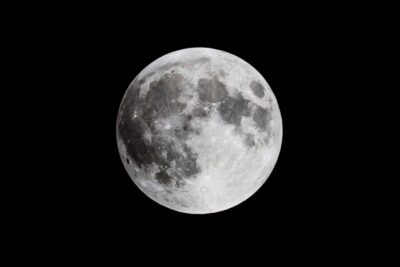
Houston Museum of Natural Sciences: Planetarium Ticket
Read our review →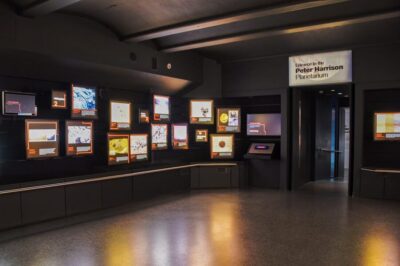
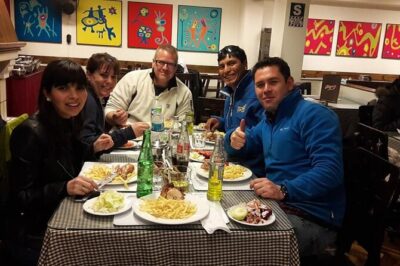
Cusco by Night: Planetarium Cusco, Dinner, and Pisco Sour
Read our review →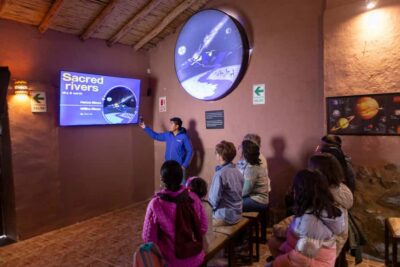
Planetarium Cusco OFFICIAL SITE: Andean Astronomy experience
Read our review →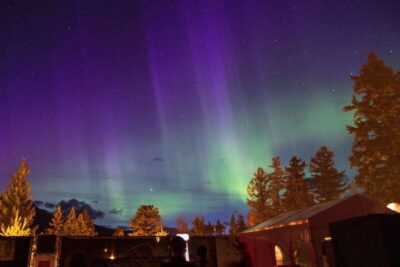

Planetarium and Night Tour with Dinner and Pisco Sour
Read our review →Browse the lists this tour appears in