
Review · MOAB
Professional Stargazing in Moab
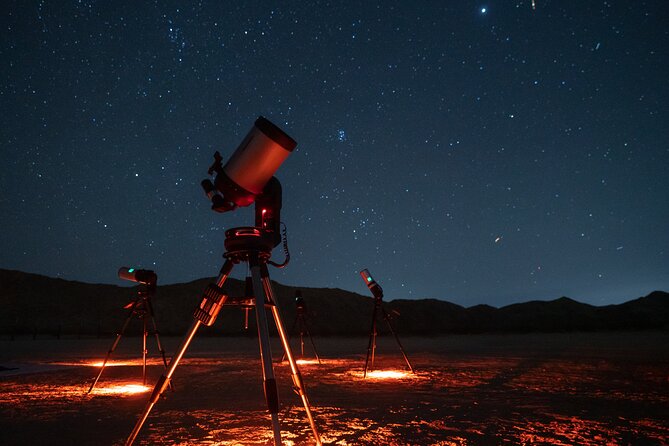
The desert gets better after dark. Professional Stargazing in Moab pairs internationally certified dark skies with an astronomer-led evening of constellations, galaxies, and nebulae. I like the personal zero-gravity loungers, which make two hours of looking up far easier, and I like the use of powerful telescopes rather than a simple talk about stars. The main concern is practical: transportation and restrooms are not provided, so you need to plan your arrival carefully.
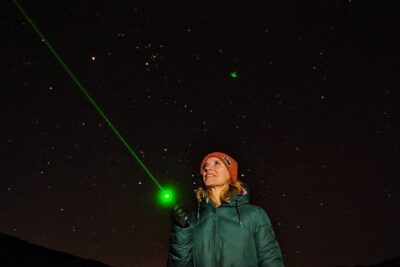
The program also has a friendly touch. You get a blanket, binoculars, and hot chocolate, coffee, or tea while the guide works through the sky with laser pointers. Guide Devon has earned especially warm praise for making the constellations easy to follow and for adding stories to the astronomy.
Key points at a glance
- A scale-model solar system starts the evening, giving you a quick sense of how our planetary neighborhood fits together.
- Each person gets a zero-gravity pod, blanket, and astro-binoculars for a more comfortable view of the sky.
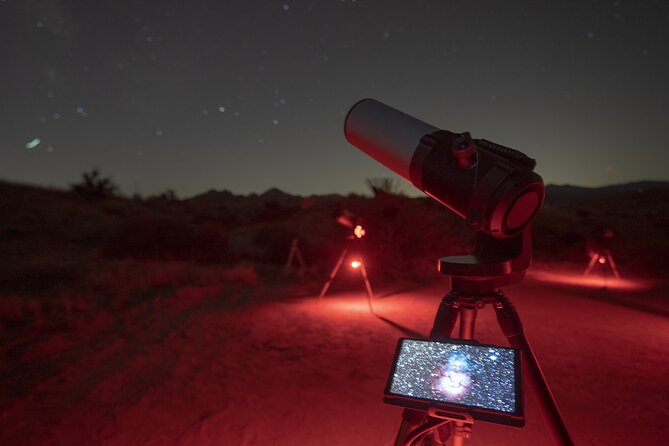
- Powerful telescopes reveal galaxies, nebulae, and star clusters, not just the brightest stars.
- Guide Devon has been singled out for lively, clear presentations and memorable constellation stories.
- The meeting point is in La Sal, Utah, and transportation is not included, so a private ride is important.
- The group is limited to 18 people, while the program lasts about two hours and costs $200 per person.
Why Moab’s night sky matters
Moab is famous for red rock by day, but the dark sky is a major part of the area’s appeal after sunset. This experience takes place under skies described as internationally certified for their darkness, giving the astronomy program a setting that city parks and ordinary campgrounds cannot match.
You will not simply be handed a telescope and left to guess what you are seeing. The evening has a clear teaching plan. It begins with the solar system, moves into constellations and their stories, then turns to distant objects that need optical help.
That order matters. I find the night sky much easier to enjoy when someone first gives me a map. Otherwise, a bright point is just a bright point. With a guide and laser pointer, you can connect individual stars into recognizable patterns and understand what the telescope is showing you.
The experience is also a good match for a first astronomy outing. You do not need to arrive with a working knowledge of planets or constellations. The program is designed to explain the basics while still offering telescope views that should interest people who already know their way around the sky.
More Stargazing Tours in the USA:
- Small Group Big Island Twilight Volcano and Stargazing Tour
★ 5.0 · 1,619 reviews - Sedona Stargazing Tours LLC
★ 4.5 · 881 reviews - The Original Sedona UFO and Stargazing Night Tour
★ 4.5 · 269 reviews
Starting with the solar system model
The first part of the evening is a short walk through a scale model of the solar system. This takes place as astronomical twilight begins, when the last daylight is fading and the sky is becoming useful for stargazing.
A model like this gives the opening some shape. Instead of beginning with a dark field and a long wait for stars to appear, you get a simple introduction to the planets next door. It helps place Earth in context before the program turns outward toward more distant objects.
The walk is also one of the few parts that requires you to be on your feet. The stated physical guidance says you should be able to stand for about 30 minutes, and the experience calls for a moderate level of physical fitness. If standing is difficult for you, this is an important point to consider before paying.
After the introduction, the setup becomes much more relaxed. Each guest gets a zero-gravity pod, blanket, and pair of astro-binoculars. You can settle in rather than spend the whole evening standing beside a telescope.
Zero-gravity pods make a real difference
Stargazing sounds restful until you try to crane your neck for a long time. The zero-gravity pods are one of the smartest details here. They conform to your body and reduce pressure points, making it easier to look upward for an extended period.
I like this arrangement because it changes the pace of the evening. You are not rushing from one object to the next. You can listen to the guide, scan the sky with binoculars, and then look through a telescope without constantly shifting your posture.
The blankets matter too. Desert evenings can feel chilly, and sitting still makes that more noticeable. Hot chocolate, coffee, and tea are available at a beverage station, adding a little comfort without distracting from the main event.
The pods are individual, which also gives you a clear personal place to settle. The group can include up to 18 people, so this is not a private astronomy lesson. Still, the loungers should make the group format feel less crowded than a standard standing tour.
Following constellations with a laser pointer
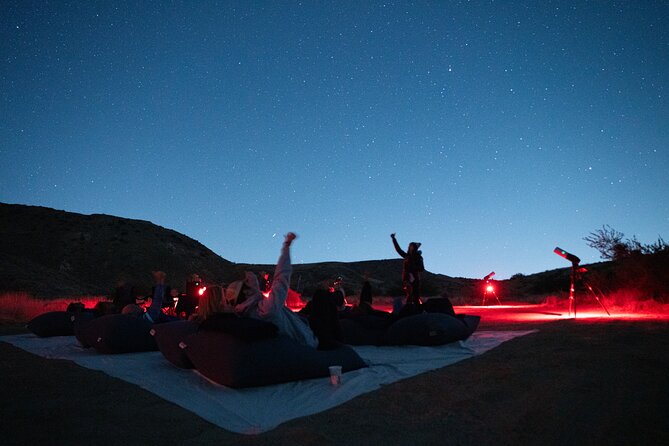
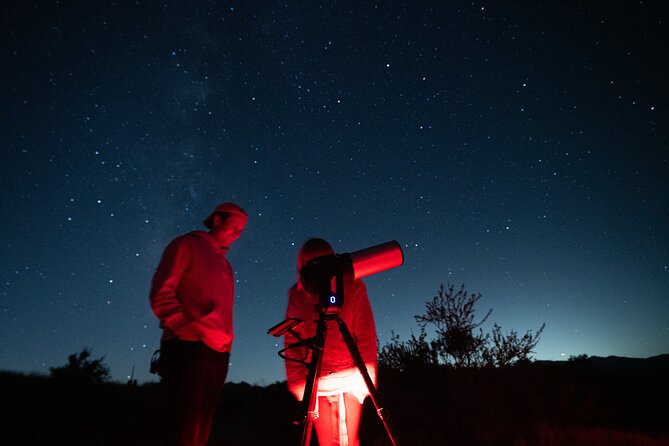
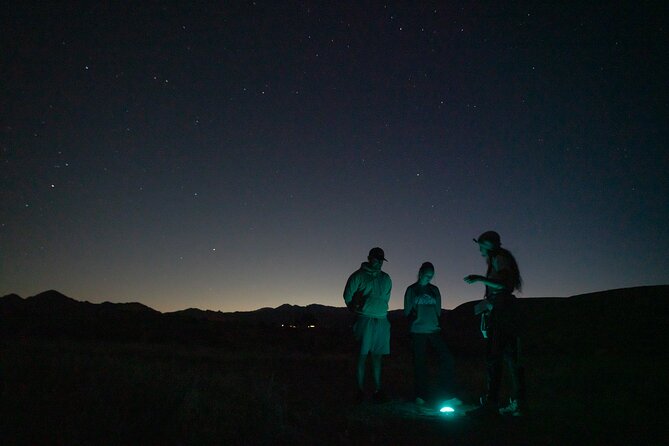
Once the sky is dark, the astronomy guide uses laser pointers to identify constellations and other objects overhead. This is where the program becomes more than a pleasant night under the stars.
A laser pointer gives you a direct line from the explanation to the sky. You can follow the guide’s hand without guessing which star is being discussed. Constellation stories add another layer, turning a collection of distant lights into patterns with names and meaning.
Guide Devon has received especially strong praise for this part of the experience. She is described as entertaining and clear, and her presentation helped make the night memorable for people who had already planned several other Moab activities.
That kind of guide can make or break a stargazing program. The equipment matters, but a telescope cannot explain itself. You need someone who can keep the presentation moving, answer basic questions, and make the sky feel approachable rather than technical.
The two-hour format gives the guide enough time to cover several parts of the sky. It is long enough for the program to move beyond a quick introduction, though anyone who expects a full-night astronomy session should know that this is still a compact experience.
Same dark sky, a different way to spend it:
- Griffith Observatory Hike: Guided Tour through Griffith Park
★ 5.0 · 1,020 reviews - Los Angeles: Hollywood Night Tour with Griffith Observatory
★ 4.2 · 531 reviews - Miami: Frost Museum of Science and Planetarium Entry Ticket
★ 4.5 · 429 reviews - Griffith Observatory Insider Tour
★ 4.5 · 306 reviews
Galaxies, nebulae, and clusters through telescopes
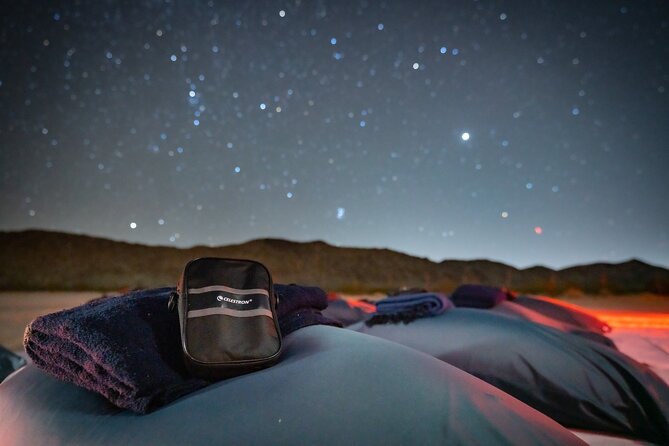
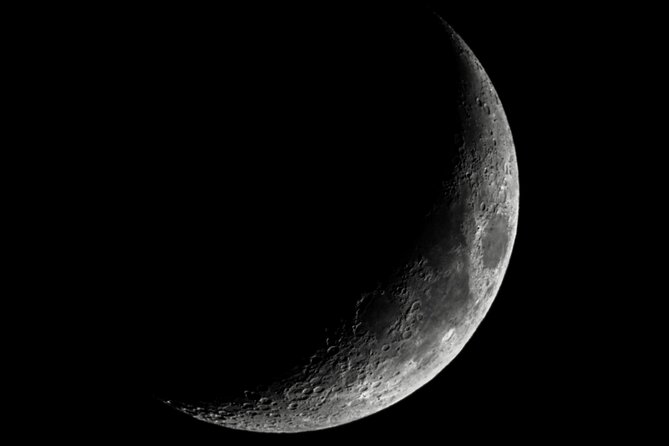
The highlight is the chance to see celestial objects through powerful telescopes. The program includes views of galaxies, nebulae, and clusters, which are difficult or impossible to appreciate with the naked eye.
A telescope changes your sense of distance. Constellations are nearby patterns from our point of view, but galaxies and nebulae take you much farther out. The guide can help you understand what you are looking at instead of leaving you with a vague impression of a blurry patch of light.
The exact objects visible will depend on the night sky, timing, and conditions. I would not book this expecting a fixed list of named targets. Astronomy changes with the season and with the weather, and the operators note that the experience requires good conditions.
Astro-binoculars give you another way to look. They are less powerful than the telescopes, but they can offer a wider view and help you scan the sky between guided telescope turns. This is useful because a telescope shows a focused target, while binoculars can help you get a broader feel for the stars overhead.
The combination of binoculars, telescopes, and unaided viewing is a real strength. You are not stuck with one piece of equipment for two hours.
What $200 per person gets you
At $200 per person, this is a premium evening activity. The price is easier to justify if you value the setting, the astronomy instruction, the equipment, and the comfort features rather than treating it as simple sightseeing.
You are paying for an astronomer-led program, access to telescopes, astro-binoculars, an individual lounger, a blanket, and hot drinks. The group limit of 18 also keeps the experience smaller than a large bus-based attraction, though it is not an intimate private tour.
I would compare the cost with the value of a guided night-sky program, not with the price of sitting outside on your own. You can look at stars for free, but you would not automatically have the telescopes, organized explanations, or help finding distant objects.
The value is strongest for first-time stargazers, families with older children, and anyone who wants a planned evening after a day of hiking or sightseeing. It is weaker for people who already own serious astronomy equipment or who simply want a quiet, unstructured night outdoors.
The experience is often booked well ahead, with an average booking lead time of about 48 days. That suggests you should not leave it until the last evening of a busy Moab trip, especially if your schedule is tight.
Getting to the meeting point in La Sal
The meeting point is listed at 8HFF+7V La Sal, Utah, and the activity ends back there. Transportation is not included, so you are responsible for reaching the site and returning afterward.
This is the most important practical warning. Do not assume a rideshare will be available for a remote evening activity. One booking problem arose when a visitor without a car could not secure a ride and could not reach the operator in time to solve the issue.
The information provided for the experience says no transportation is offered. A separate response from the operator referred to a possible shuttle, but you should not rely on that unless you have confirmed it directly in writing before the day of the tour. Plan around the clearly stated terms: arrange your own transportation.
The location details also deserve attention because the meeting point is not simply described as a central Moab pickup. Check the confirmation carefully, allow enough time to reach La Sal, and make sure your return plan is set before the program begins.
There is no restroom included with the activity. Use facilities before arriving and avoid assuming one will be available at the observation site.
Weather, cancellation, and comfort
Stargazing depends on clear skies, so poor weather can cancel the activity. If that happens, you are offered a different date or a full refund. The same options apply if the minimum number of people is not reached.
For your own cancellation, you can receive a full refund if you cancel at least 24 hours before the start time. Cancellations or changes made inside that window are not accepted for a refund.
These rules are reasonable for a weather-dependent program, but they make timing important. If you are in Moab for only one night, you have less room to shift the activity to another date. I would place it early enough in your visit to leave some flexibility.
The experience is offered in English. Service animals are allowed. The physical requirements are modest for many people, but you should be comfortable standing for roughly 30 minutes before the lounge portion begins.
Who will enjoy this most
I would recommend this experience to you if you want a guided introduction to astronomy without giving up comfort. The pods, blankets, hot drinks, and organized presentation make it easier to enjoy than an improvised roadside stop.
It is particularly suited to:
- Families with older children who can stay engaged for two hours
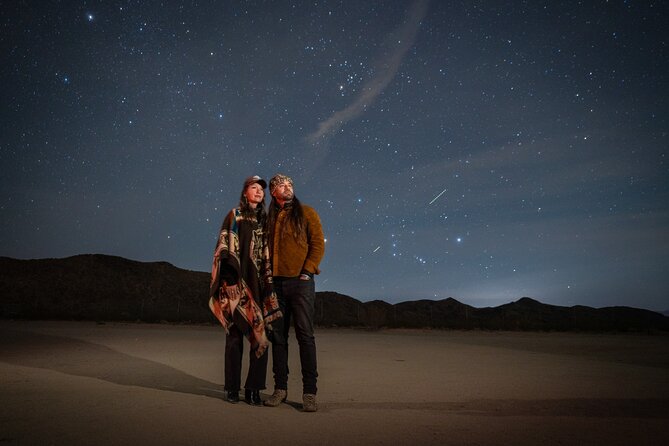
- Couples looking for a quieter evening activity
- First-time stargazers who want help identifying constellations
- People interested in seeing galaxies, nebulae, and clusters through telescopes
- Moab visitors who have arranged a reliable private ride
You might want to skip it if you cannot stand for about 30 minutes, need guaranteed restroom access, or have no dependable way to reach La Sal. It may also feel expensive if your main goal is simply to see the stars without instruction or equipment.
The strongest reason to book is the combination of a truly dark setting and a skilled guide. Devon’s presentation has been praised for making the constellations and stories easy to follow, which is exactly what turns astronomy from a distant subject into an enjoyable evening.
Should you book Professional Stargazing in Moab?
I would book this if astronomy interests you and you are willing to pay for a well-equipped, guided experience. The telescopes, personal loungers, binoculars, blankets, and hot drinks give the evening more substance than a basic star party.
Before booking, settle the transportation question first. The lack of a restroom is also worth noting, and the weather policy means you should keep some flexibility in your schedule.
For the right audience, this can become one of the most memorable parts of a Moab visit. The red rocks may get the daylight attention, but a clear desert sky gives you a completely different view of the region.
FAQ
Where does Professional Stargazing in Moab meet?
The meeting point is listed at 8HFF+7V La Sal, Utah. The activity ends back at the same meeting point.
How long does the stargazing experience last?
The program lasts approximately two hours.
How much does the experience cost?
The listed price is $200 per person.
Is transportation included?
No. Transportation to and from the observation site is not included.
Are restrooms available?
Restroom access is not included with the activity.
What equipment is provided?
The experience provides telescopes, astro-binoculars, zero-gravity loungers, blankets, and an astronomer-led presentation.
Are hot drinks available?
Yes. Hot chocolate, coffee, and tea are provided at a hot beverage station.
How many people can join the group?
The activity has a maximum group size of 18 people.
What happens if the weather is poor?
If poor weather causes cancellation, you can choose a different date or receive a full refund.
Just added around the USA
- Stargazing and Milky Way Portrait in Capitol Reef National Park★ 4.5 · 13 reviews
- Temecula Wine Country Stargazing Tour★ 5.0 · 2 reviews
- Astronomy and Stargazing Tour in Utah★ 5.0 · 8 reviews
- Private Stargazing – Sequoia National Park★ 4.5 · 14 reviews
- Sunset Sedona Sacred Places -gourmet picnic dinner and stargazing★ 5.0 · 12 reviews
- Sedona Night Hike and Stargazing★ 5.0 · 7 reviews
- Stargazing Tour with Telescopes and Video Astronomy in Sedona★ 5.0 · 40 reviews
- PRIVATE Sedona Jeep Tour 4X4 Stargazing Tour at Night★ 4.5 · 11 reviews
Stargazing Tours, compared.
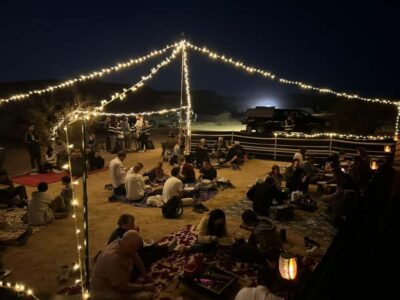
Dubai Red Dunes ATV, Camels, Stargazing & 5* BBQ Al Khayma Camp
Read our review →
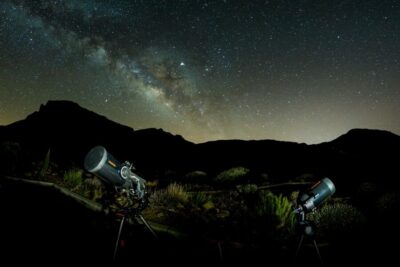
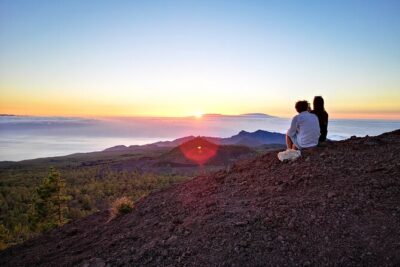
Teide National Park Sunset & Stargazing with Dinner (Star Safari)
Read our review →
Sunset Camel Trek, Al Khayma Camp, Stargazing & BBQ
Read our review →
Overnight Safari, Dinner, Stargazing & Al Khayma Camp
Read our review →
Dubai Overnight Desert Safari, BBQ & Stargazing at Al Khayma Camp
Read our review →Browse the lists this tour appears in