
Review · NATIONAL PARK
Sequoia National Park: Group Stargazing Program
The best park show starts after dark. This one-hour group stargazing program gives you an easy way to see Sequoia’s night sky without driving an hour back to your rental afterward. I especially like the mix of astronomy and cultural stories, plus the relaxed format with no hiking. I also like that guide Scott has spent 11 years leading stargazing programs in Sequoia and brings star maps, solar system models, and a laser pointer.
The main thing to consider is the setting. You will be outside in near-total darkness, and one person found the park a little spooky because of possible wildlife nearby. The meeting point can also be easy to miss, with no cell service and no Google Maps pin, so you need to read the directions carefully and bring a flashlight.
Key Details Before You Book
- Scott’s 11 years in Sequoia: You get a guide who knows the local night sky and can connect astronomy with stories from cultures around the world.
- One hour with no hiking: Sit or stand, look up, and learn. This suits tired park visitors and first-time stargazers.
- Two park locations: Meet near Potwisha Campground or at the General Sherman Tree parking area, depending on the scheduled program.
- Useful teaching tools: Star maps, a 3D solar system model, a 3D Saturn model, and a laser pointer help make the lesson easy to follow.
- A good value at $25: The price is modest for a personal guide, equipment, and a focused evening activity inside the park.
- Come ready for cold and darkness: Warm layers, closed shoes, and a flashlight are more important than fancy camera gear.
What This Stargazing Program Is Really Like
This is not a long astronomy lecture or a hike to a remote viewpoint. You gather at a parking area, then spend an hour looking upward while Scott points out constellations and explains what you are seeing.
The tone is meant to be relaxed. You can sit or stand, and seating is available upon request for mobility needs. That simple setup matters after a full day among giant trees. You do not need to walk a trail in the dark or manage a complicated piece of equipment.
The program works for beginners because Scott explains the basics in plain terms. At the same time, people who already follow astronomy have room to ask about current discoveries, space missions, unusual objects, and events such as comets or nova activity. Those special sightings depend on nature and timing, so they are possibilities, not promises.
I like the balance between facts and stories. A constellation is more than a shape made by connecting stars. Its name and meaning can change from one culture to another, and the program looks at those traditions alongside modern science. That gives the hour a human side without losing the excitement of planets, stars, and space missions.
The supplied equipment is basic but useful. A planisphere, or star map, can help you understand how the sky changes with the season. The 3D solar system and Saturn models give beginners something concrete to study before looking back up at the real sky. Scott’s laser pointer helps direct everyone’s attention, although you do not take the pointer or teaching materials home.
And yes, the program includes dad jokes and puns. That may sound minor, but it helps keep an evening lesson from feeling stiff. The tone appears especially suited to families and mixed-age groups.
More National Park Stargazing in the USA:
- Stargazing in Zion National Park’s International Dark Sky
★ 5.0 · 73 reviews - Astro-Photo, Hiking and Stargazing Tour in Arches National Park
★ 5.0 · 63 reviews - Private Stargazing – Sequoia National Park
★ 4.5 · 14 reviews
Meeting Near Potwisha Campground
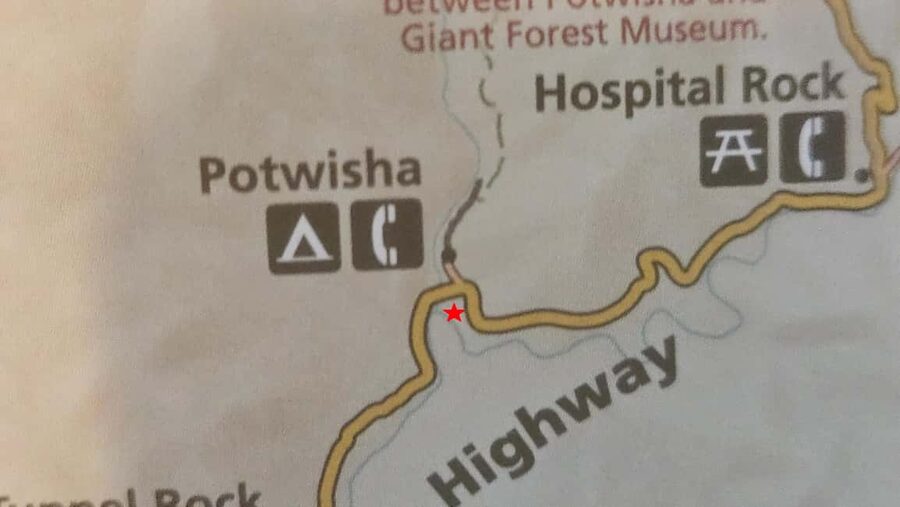
The Potwisha meeting area is about 10 minutes inside Sequoia National Park from the Three Rivers entrance station. It is across the Generals Highway from Potwisha Campground, in an overflow parking lot.
This detail is important: you do not meet inside the campground. The campground entrance is on one side of the road, while the meeting area is on the other. Scott sets up red lights to mark the spot, but you should still study the photos and directions before leaving your lodging.
There is no Google Maps location for the exact meeting point, and there is no cell coverage there. I would not wait until you reach the parking lot to figure things out. Save the details ahead of time, arrive with enough time to cross the road safely, and keep a flashlight handy.
Potwisha is the more convenient choice if you are staying near Three Rivers or entering from the south. It avoids a long drive farther into the park and makes the program a practical evening activity after a day near the lower elevations.
Winter times are also available at Potwisha. Since the hour is outdoors, check the scheduled time and dress for the conditions. Nights can feel cold even after a warm afternoon.
The General Sherman Tree Meeting Point
The second location is the parking area for the General Sherman Tree. This option is about a 10-minute drive from Wuksachi Lodge or Lodgepole Campground.
For people staying in the park’s higher areas, this location can save a great deal of evening driving. That is one of the program’s strongest practical benefits. You see the stars near where you are sleeping instead of facing a long, dark return trip after the activity.
The setting near the General Sherman Tree also places you closer to the high-elevation portion of Sequoia. The program does not promise a particular constellation or astronomical event, and the visible sky changes with the date and conditions. Still, staying within the park makes this a much easier choice than driving out to a distant astronomy site.
Pay close attention to the location assigned to your booking. Potwisha and the Sherman Tree area are not interchangeable meeting points, and the guide may operate at different times or places depending on the season.
How the One-Hour Itinerary Unfolds
The stated route is simple: meet at the Potwisha area, spend one hour on the guided stargazing program, then return to the same meeting area. At the General Sherman location, the same basic format applies, with the activity centered around the designated parking area.
At the start, Scott gets the group oriented to the sky. He uses a laser pointer to identify constellations and star clusters, helping you understand where to look rather than simply naming objects in passing.
The lesson then moves between science and story. You might hear how constellations received their names, how different cultures interpreted the same stars, and how those old traditions still shape the way people look upward. One family from Hawaii particularly appreciated hearing about Māori and Hawaiian culture during the program.
Scott also discusses current scientific findings and space missions. This is a useful feature for families with older children or adults who want more than mythology. You can ask astronomy questions, and the program leaves room for discussion rather than forcing every minute into a fixed script.
The final part is still guided, but it remains calm. You continue looking at the sky, asking questions, and taking in the darkness. The hour is short enough to fit into a busy park itinerary, though people who want telescope viewing or a longer session should book a private or telescope program through Big Trees Tours instead.
More Stargazing Tours in the USA:
- Small Group Big Island Twilight Volcano and Stargazing Tour
★ 5.0 · 1,619 reviews - Sedona Stargazing Tours LLC
★ 4.5 · 881 reviews - The Original Sedona UFO and Stargazing Night Tour
★ 4.5 · 269 reviews - Mauna Kea Stargazing Experience + Photos
★ 5.0 · 261 reviews
Why the Stories Matter as Much as the Stars
A star map can tell you where to look. A story can tell you why people have looked there for thousands of years.
This program treats the night sky as both a scientific subject and a cultural record. That approach gives parents an easy way to keep children interested, while adults get more context than a simple list of constellation names.
The cultural material also helps you remember what you see. It is easier to recall a constellation when it is linked to a story, a tradition, or a question about how another society understood the heavens.
The science side keeps the program current. Scott can discuss discoveries and missions rather than treating astronomy as a collection of old myths. On a rare evening, a comet or nova may appear, but you should regard that as a bonus. No guide can schedule nature.
A Good Choice for Families and Beginners
The program is particularly well suited to families with school-age children. One 9-year-old held the guide’s attention well, and another family said their 10-year-old kept remembering the astronomy facts afterward. That tells you something useful about the presentation: it is not aimed only at serious hobbyists.
Couples can also make good use of the hour. One couple described the setting as relaxed and the guide’s excitement as infectious. A Valentine’s Day session added a memorable touch, though the program itself is not a special romantic package.
First-time stargazers should feel comfortable asking basic questions. You do not need to know the constellations beforehand, own binoculars, or understand technical astronomy terms.
People with a strong interest in space will not be left with only introductory material. The program includes current science, missions, and the chance to discuss unusual sky events. For a full astronomy lesson with more equipment, however, the private telescope option may be a better match.
The main limitations concern sensory access. The activity is conducted in English, and no visual aids are provided for people with visual impairments. It is also listed as unsuitable for people with hearing impairments. Seating can be supplied for mobility needs, but you should request it in advance.
Children under two are not suitable, and minors may not attend without an accompanying adult. Drones, fireworks, and bare feet are not allowed.
What to Wear and Bring After Sunset
Dress warmly. This is the most important preparation advice in the entire experience. You may stand or sit outside for the full hour, and temperatures can drop quickly after sunset.
Bring a flashlight for the walk from your vehicle and for road safety near the Potwisha meeting area. Use it carefully so you do not shine it into other people’s eyes. The red lights at the meeting point help identify the group, but they are not a substitute for your own light.
Closed shoes make sense on a dark parking area. The activity is not a hike, but bare feet are specifically not allowed.
You do not need to bring a telescope. Scott supplies star maps and models, and he uses a laser pointer to direct the group. You also should not expect take-home materials or a personal laser pointer.
If you have mobility needs, ask for seating ahead of time. The program is wheelchair accessible, but advance notice is the sensible way to make sure the setup fits your needs.
Is $25 a Fair Price?
At $25 per person, this is a reasonable add-on to a Sequoia visit. You are paying for a focused hour with a live guide, local experience, educational materials, and a program that does not require a long drive outside the park.
The value is strongest if you are already staying near one of the meeting points. A nearby evening activity can save you the fatigue and fuel involved in driving back to Three Rivers or another rental area.
The price is less compelling if you expect telescope viewing, a private guide, or a long session. Those are not part of this group format. You receive a shared experience using a laser pointer, planispheres, and models rather than individual equipment.
The reserve-now-and-pay-later option also helps if your park schedule is uncertain. You can hold a place without paying immediately, and cancellation is free up to 24 hours before the activity.
The published rating is 4.7 from 10 reviews, with repeated praise for Scott’s storytelling, astronomy knowledge, and ability to connect with children. The strongest pattern is not a single spectacular sight. It is the quality of the explanation and the easygoing way the hour is handled.
The Small Drawbacks to Keep in Mind
The dark setting is part of the appeal, but it can also feel unsettling. One person described the experience as a little spooky because the group was in complete darkness and wildlife might appear. Scott helped the group feel safe, but you should know that this is not a bright, polished evening attraction.
The meeting directions also require care. No cell coverage, no exact map pin, and a road crossing near Potwisha make preparation important.
The group format means you will share Scott’s attention. The one-hour length keeps the activity manageable, but it also limits how much you can cover. If you have many detailed questions, you may need a private session.
Finally, stargazing depends on the sky. The program can point out stars and explain the science, but it cannot guarantee perfect conditions or a rare comet. Book it for the guided experience first, and treat unusual astronomical events as a lucky extra.
Should You Book This Sequoia Stargazing Program?
I would book this if you want an easy, low-effort night activity inside Sequoia National Park. It is especially well suited to families, couples, beginners, and anyone staying near Potwisha, Wuksachi Lodge, or Lodgepole Campground.
The best reason to go is Scott himself. His 11 years of local stargazing experience, clear explanations, cultural stories, and ability to engage children give the hour more personality than a basic constellation talk.
Skip it if you need a telescope, a private session, or an activity suited to hearing or visual impairments. Also skip it if you are unwilling to prepare for cold, darkness, and a meeting point without cell service.
For $25, this is a sensible way to finish a day among the sequoias. Bring warm clothes, save the directions, arrive prepared, and let the night sky do the rest.
FAQ
How long does the Sequoia stargazing program last?
The guided stargazing program lasts one hour.
How much does the experience cost?
The price is $25 per person.
Where does the program meet?
It meets at one of two locations in Sequoia National Park: the Potwisha overflow parking lot across the Generals Highway from Potwisha Campground, or the parking area for the General Sherman Tree.
Is the Potwisha meeting point inside the campground?
No. The meeting point is in an overflow parking lot across the road from the campground entrance.
Is there cell service at the Potwisha meeting point?
No. There is no cell coverage at the meeting location, and there is no Google Maps location for the exact spot.
What should I bring?
Bring warm clothing and a flashlight. You do not need to bring a telescope, since the program includes star maps, models, and a laser pointer.
Is seating available?
Yes. Seating can be provided upon request for people with mobility needs.
Is the program wheelchair accessible?
Yes, the activity is listed as wheelchair accessible.
Is the program suitable for young children?
Children under two are not suitable for this experience. Unaccompanied minors are not allowed.
Can I cancel the booking?
Yes. You can cancel up to 24 hours in advance for a full refund. You can also reserve now and pay later.
Just added around the USA
- Stargazing and Milky Way Portrait in Capitol Reef National Park★ 4.5 · 13 reviews
- Temecula Wine Country Stargazing Tour★ 5.0 · 2 reviews
- Astronomy and Stargazing Tour in Utah★ 5.0 · 8 reviews
- Private Stargazing – Sequoia National Park★ 4.5 · 14 reviews
- Sunset Sedona Sacred Places -gourmet picnic dinner and stargazing★ 5.0 · 12 reviews
- Sedona Night Hike and Stargazing★ 5.0 · 7 reviews
- Stargazing Tour with Telescopes and Video Astronomy in Sedona★ 5.0 · 40 reviews
- PRIVATE Sedona Jeep Tour 4X4 Stargazing Tour at Night★ 4.5 · 11 reviews
National Park Stargazing, compared.
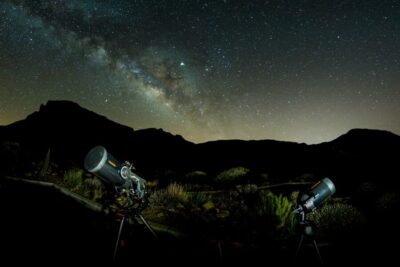
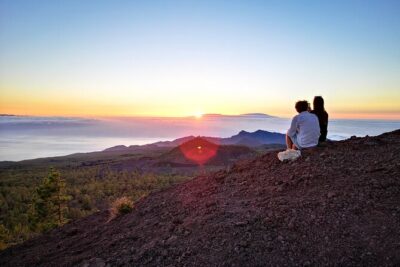
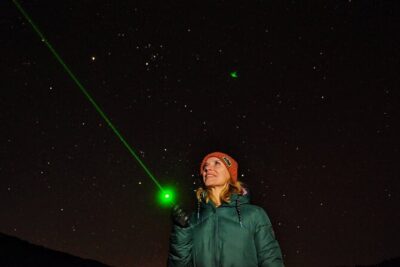
Teide National Park Sunset & Stargazing with Dinner (Star Safari)
Read our review →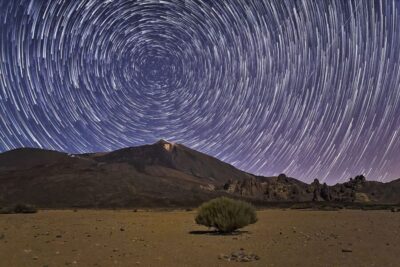
Teide National Park: Sunset & Stargazing Safari with Dinner
Read our review →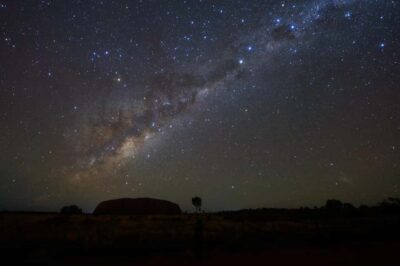
Uluru: National Park Astronomy Tour with Telescope and Photo
Read our review →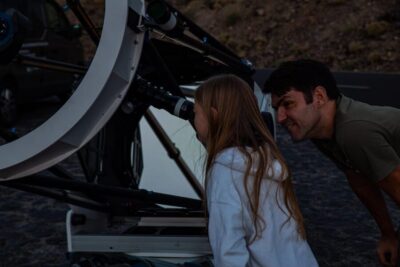
Teide National Park: Guided Large Telescope Stargazing Tour
Read our review →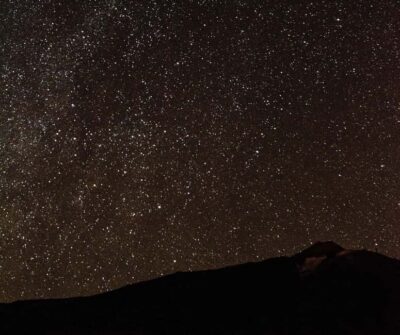
Browse the lists this tour appears in