
Review · THE USA
Houston Museum of Natural Sciences: Planetarium Ticket
Space gets big fast. At Houston’s Burke Baker Planetarium, a 20-minute dome show sends you across galaxies, over planetary surfaces, and through asteroid fields using high-resolution digital projection. It is a short, focused add-on to the Houston Museum of Natural Science, and the $12 price is reasonable if you choose a strong show.
I like the range of subjects, from black holes and alien life to the night sky and Pink Floyd’s Dark Side of the Moon. I also like that the presentation works for different ages: children get the spectacle, while adults can still pick up useful science. The main catch is timing. You buy one show, not a full museum ticket, and show quality can vary by subject.
The experience earns a 4.5 rating from 139 reviews, with especially strong praise for Passport to the Universe, clear explanations, and the general educational value. One practical warning matters: the final show begins at 5:00 pm, and late entry is not allowed, so do not cut it close.
Key Points Before You Book
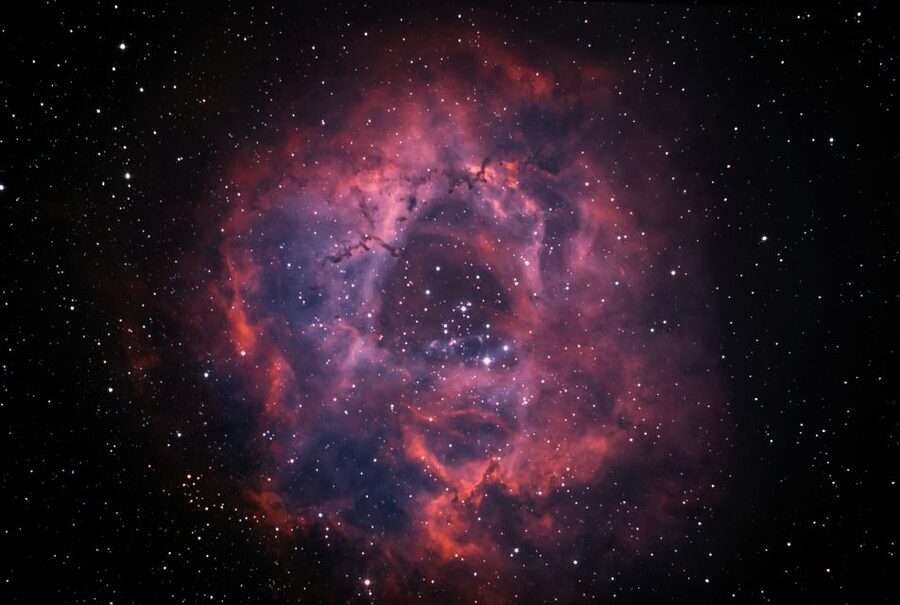
- A 20-minute trip through space: The short running time fits neatly into a museum day, but it may feel brief for the $12 price if you expect a long film.
- Several shows, different moods: Options include Black Holes, Lamps of Atlantis, Are We Really Alone?, Starry Night Express, Dark Side of the Moon, and Passport to the Universe.
- High-resolution dome projection: Planets, stars, galaxies, and asteroid fields fill the ceiling and walls around you.
- The subject matters: Educational space shows received the strongest praise, while at least one sky-viewing program was found slow.
- Plan around the 5:00 pm cutoff: The last show starts at 5:00 pm, with no late entry.
- Wheelchair accessible: The planetarium is listed as accessible, and flash photography is not allowed.
What the Burke Baker Planetarium Actually Offers
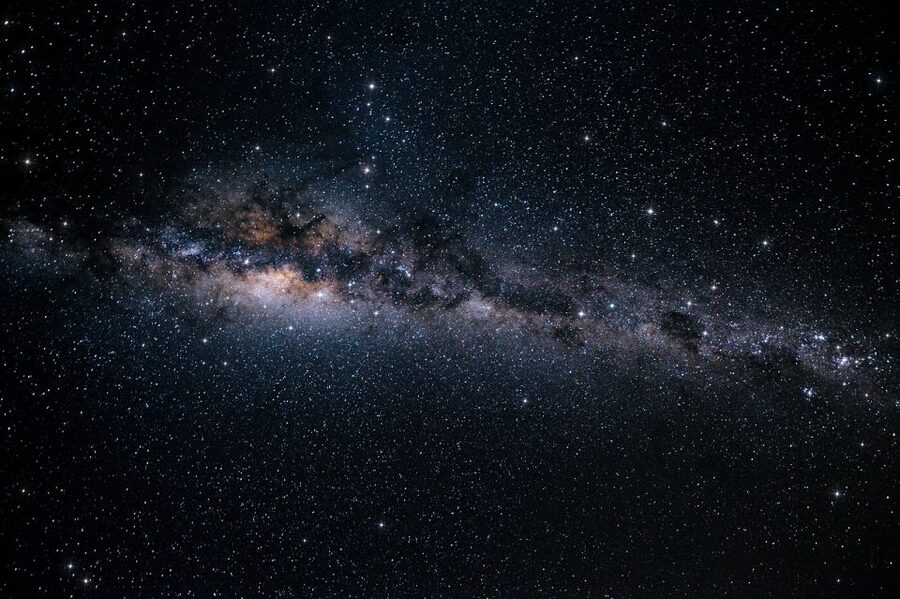
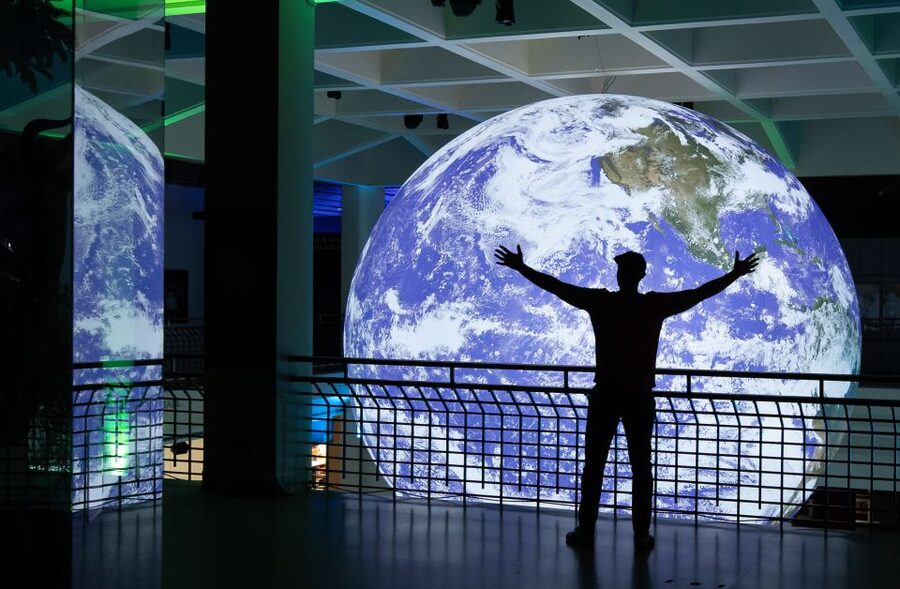
This is not a guided walking tour or a long museum lecture. You go to the Burke Baker Planetarium, take your seat, and watch one scheduled dome show. The digital system projects stars, planets, galaxies, and other space scenes across the curved ceiling, giving the presentation a much larger feel than a normal cinema screen.
The appeal comes from scale. A standard movie shows you space from one direction. A planetarium can place you under a star field, carry you past a planet, or send you through an asteroid field. The effect is designed to make the universe feel wide and active rather than like a diagram in a textbook.
The system uses digital planetarium software and a high-resolution projection setup described as one of the leading systems of its type. That matters most during scenes with stars and galaxies, where a sharp image helps preserve detail. It also helps younger children follow what they are seeing because the visuals do more work than spoken explanation alone.
Still, keep your expectations sensible. This is a single show lasting about 20 minutes. It can be a memorable part of a museum visit, but it is not a half-day space program.
More Planetarium Visits in the USA:
- Miami: Frost Museum of Science and Planetarium Entry Ticket
★ 4.5 · 429 reviews - Planetarium and Telescope Combo Tour
★ 4.0 · 144 reviews - Jasper: Jasper Planetarium and Telescope Combo Tour Tickets
★ 3.8 · 118 reviews
Choosing Between Black Holes, Atlantis, and the Night Sky
The available program changes by date and time, so you should check the Burke Baker Planetarium schedule before booking. The listed subjects cover several styles, and choosing the right one will have a bigger effect on your experience than the ticket price.
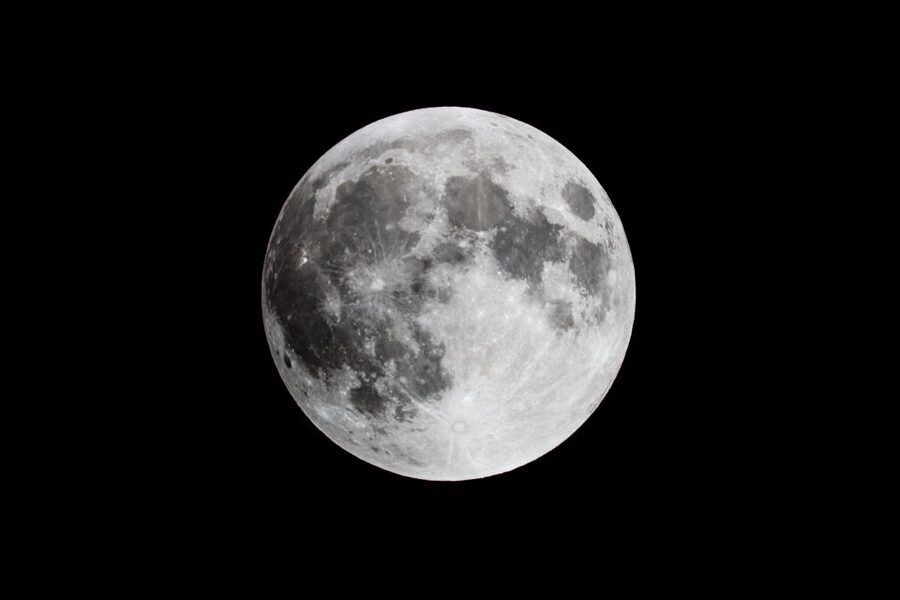
Black Holes is likely the best fit if you want a major space mystery. Black holes are hard to picture from a written explanation, so the dome format can help show how matter, light, and gravity relate to these objects. It should suit curious adults, older children, and anyone who wants a science-first program.
Are We Really Alone? turns toward the question of life beyond Earth. This is a natural pick for families and first-time planetarium visitors because the subject starts with a question almost everyone understands. You can expect a blend of space imagery and scientific ideas rather than a simple answer to the question.
Passport to the Universe received particularly warm praise. It takes you outward from familiar surroundings toward the larger universe, making it a good choice if you want the broadest sense of scale. The program was described as loved, educational, and memorable, which makes it a strong option when several shows are available.
Lamps of Atlantis offers a different tone. The title suggests a more story-driven program, so it may appeal to children or anyone who prefers mythology and imagination alongside astronomy. Check the current description before choosing, since the exact program schedule can change.
Starry Night Express and the sky-focused programs may appeal to you if you want to connect the planetarium to what you can see overhead. One important piece of feedback is that a show about what to look for in the sky on a particular night felt slow and boring to one viewer. That does not make it a poor choice for everyone, but it is a useful warning if you prefer fast-moving visuals and dramatic space travel.
Finally, Dark Side of the Moon provides a music-centered option. It is likely best for adults, older children, or anyone who wants a sensory show rather than a traditional science lesson. If you are visiting with young children and want clear explanations, a science-focused title may be the safer choice.
The 20-Minute Show: What Your Time Looks Like
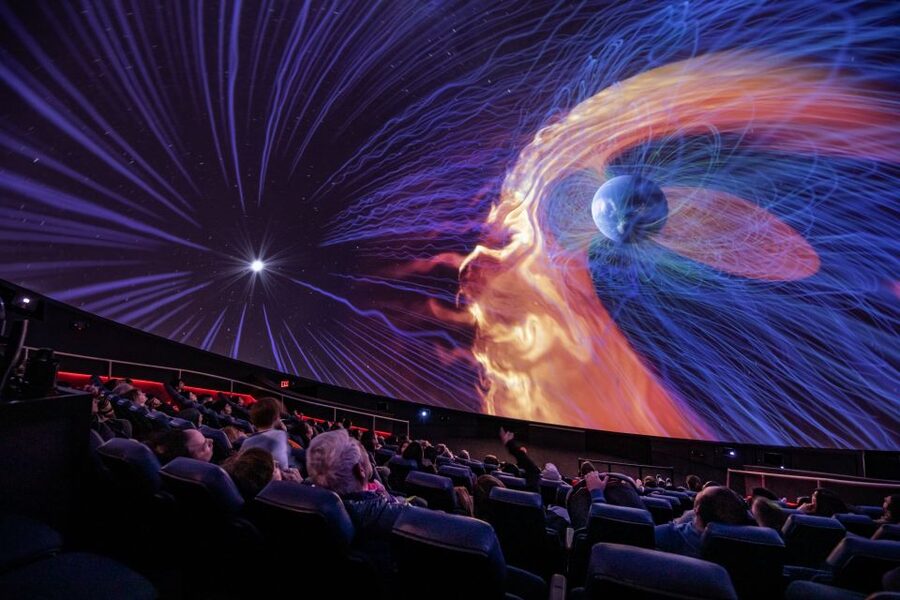
Your experience begins at the Burke Baker Planetarium inside the Houston Museum of Natural Science. The ticket includes one show only. Additional museum exhibits, other films, food, drinks, and transportation are not included.
Once the show begins, the dome becomes the main screen. You may see stars and galaxies spread overhead, planetary surfaces close up, and asteroid fields passing across your view. The program can make you feel as if you have left Earth, though the exact route depends on the title and schedule.
At 20 minutes, the show is easy to fit between museum galleries. It is also a good choice if your group has mixed attention spans. Children get a compact burst of space imagery, and adults do not need to commit a full afternoon to one presentation.
The short length also explains the mixed value opinions. At $12 per person, the cost is fair if the show is a highlight of your museum visit. It feels less compelling if you see it as a stand-alone movie and expect a longer program. One past price comment mentioned about $8.80 for roughly half an hour, so pricing and show length may have differed at that time. For the current offer described here, plan on $12 and 20 minutes.
Why the Projection System Matters
A planetarium succeeds or fails on what you can see above you. A weak image makes the dome feel like a curved cinema. A strong projection system gives the stars depth and makes movement through space easier to follow.
The Burke Baker Planetarium uses high-resolution digital video and advanced planetarium software. That allows the show to move from a close view of a planet to a much wider view of galaxies without changing screens or scenery.
You will likely notice the system most during fast movement. The experience can carry you over a planetary surface, through an asteroid field, or out into the wider universe. Those sequences make the $12 ticket more understandable because you are paying for the format as well as the subject.
The best value comes when the visuals and the script work together. The strongest programs appear to be the ones that explain a big idea while showing it clearly. Several comments praised how the show made space mysteries understandable for all ages. That is a useful sign for families who want entertainment with real educational value.
Same dark sky, a different way to spend it:
- Small Group Big Island Twilight Volcano and Stargazing Tour
★ 5.0 · 1,619 reviews - Griffith Observatory Hike: Guided Tour through Griffith Park
★ 5.0 · 1,020 reviews - Sedona Stargazing Tours LLC
★ 4.5 · 881 reviews - Los Angeles: Hollywood Night Tour with Griffith Observatory
★ 4.2 · 531 reviews
Seating and Viewing Comfort
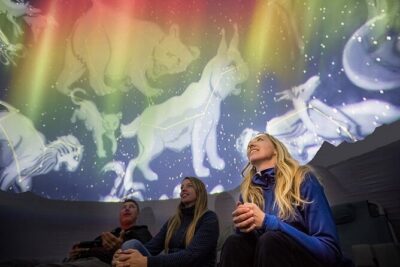
A dome screen requires more head movement than a flat movie screen. One comment specifically wished the seats reclined farther, making it easier to see the entire dome without turning from side to side.
That is worth considering if you have neck or back concerns. You may find that the best view requires looking upward for much of the show. The format is built for a wide field of vision, but it is not the same as sitting in a deeply reclining theater chair.
The planetarium is wheelchair accessible, which makes it a practical option for a wider range of visitors. Since the provided information does not specify seating locations or transfer arrangements, contact the museum directly if you need a particular accommodation.
Flash photography is not allowed. That rule protects the dark viewing environment and keeps bright bursts from distracting people during the presentation.
How It Fits Into a Museum Day
The planetarium works best as part of a larger visit to the Houston Museum of Natural Science. A single 20-minute show gives your day a clear appointment without taking over your schedule.
You can pair it with general museum admission, but that admission is separate. Other exhibits and shows are not included in this ticket, so check your total plans before purchasing. If you already intend to spend several hours at the museum, the planetarium can add variety after indoor galleries and displays.
Spring break may bring heavy crowds around the museum. One account described the building as very crowded during that period, though staff were helpful and available. Give yourself extra time to find the planetarium and reach the correct show if you visit during a busy school holiday.
The 5:00 pm final show is the key scheduling point. There is no late entry, so you should arrive with time to spare. A late afternoon ticket can work well, but it is risky if you are still across the museum or dealing with a delayed meal.
Is $12 Good Value?
For many people, yes, but the answer depends on how you use it.
The price is modest compared with a full attraction ticket, and the show adds a different kind of experience to the museum. You are not simply looking at another exhibit case. For 20 minutes, the ceiling becomes a moving view of space, with planets, galaxies, and astronomical subjects presented at a scale ordinary displays cannot match.
I would call $12 good value when:
- You already plan to visit the museum.
- You choose a subject that matches your interests.
- You want a family-friendly activity with educational content.
- You appreciate visual effects and large-scale projection.
- You can attend without rushing to the 5:00 pm cutoff.
I would hesitate when:
- You dislike looking upward for a long period.
- You expect a long movie or live guide.
- The only available show has a slow subject that does not interest you.
- You are paying for the planetarium alone and need a full afternoon of entertainment.
A past visitor found one show too expensive for its short length, while another received a discount when adding a second show through the booking platform. The discount is not guaranteed here, so confirm the current terms before planning around multiple presentations.
Who Will Enjoy It Most?
Families are a natural match. The dome imagery gives children something exciting to watch, while the explanations can help adults answer questions about planets, black holes, and life beyond Earth. Several comments praised the material for being understandable across age groups.
It also suits adults who want a compact science experience. Black Holes and Passport to the Universe should appeal to people who enjoy large questions and dramatic space imagery. Dark Side of the Moon may work better for music fans than for someone seeking a traditional astronomy lesson.
This is less suitable for anyone who wants personal interaction. There is no guide name or live tour element provided, and the experience is built around one recorded or digitally presented show. If you prefer hands-on exhibits, treat the planetarium as one part of the museum rather than the whole visit.
The accessible format and short running time also help multigenerational groups. You can enjoy a major visual experience without committing to a long, physically demanding activity.
Booking, Timing, and Cancellation Tips
The meeting point is the Burke Baker Planetarium. Check the current show schedule before selecting a date because titles and start times vary.
The ticket includes one planetarium show. It does not include hotel pickup, hotel drop-off, food, drinks, other museum exhibits, or additional shows. Plan your museum admission separately if needed.
You can cancel up to 24 hours before the experience for a full refund, and the booking option allows you to reserve now and pay later. Those terms are useful if your Houston schedule may change.
Arrive early enough to find the planetarium and settle in. The final presentation starts at 5:00 pm, and late entry is not permitted. Flash photography is prohibited, and wheelchair access is available.
Should You Book the Burke Baker Planetarium?
Book it if you want a short, visual, family-friendly space experience inside a major Houston museum. I would give priority to Passport to the Universe, Black Holes, or Are We Really Alone? when those titles are available, especially if you want strong science content.
I would pause if the only available program is a slow sky guide and your group needs fast-moving action. Also check the price against the 20-minute running time, since value depends on whether the show becomes a highlight of your museum day.
For $12, the planetarium is a sensible add-on rather than a complete Houston attraction by itself. Choose your show carefully, arrive before the 5:00 pm cutoff, and you should get a memorable look at space without spending half your day in one room.
FAQ
How long does the planetarium show last?
Most shows last 20 minutes.
How much does the planetarium ticket cost?
The listed price is $12 per person.
What does the ticket include?
It includes one show at the Burke Baker Planetarium.
Does the ticket include Houston Museum of Natural Science admission?
No. Additional museum exhibits and shows are not included.
What shows may be available?
Possible programs include Lamps of Atlantis, Are We Really Alone?, Black Holes, Starry Night Express, Dark Side of the Moon, and Passport to the Universe. Shows vary by date and time.
What time is the last show?
The last show begins at 5:00 pm. Late entry is not allowed.
Is the planetarium wheelchair accessible?
Yes, the experience is listed as wheelchair accessible.
Can I cancel the ticket for a refund?
Yes. You can cancel up to 24 hours in advance for a full refund.
Just added around the USA
- Stargazing and Milky Way Portrait in Capitol Reef National Park★ 4.5 · 13 reviews
- Temecula Wine Country Stargazing Tour★ 5.0 · 2 reviews
- Astronomy and Stargazing Tour in Utah★ 5.0 · 8 reviews
- Private Stargazing – Sequoia National Park★ 4.5 · 14 reviews
- Sunset Sedona Sacred Places -gourmet picnic dinner and stargazing★ 5.0 · 12 reviews
- Sedona Night Hike and Stargazing★ 5.0 · 7 reviews
- Stargazing Tour with Telescopes and Video Astronomy in Sedona★ 5.0 · 40 reviews
- PRIVATE Sedona Jeep Tour 4X4 Stargazing Tour at Night★ 4.5 · 11 reviews
Planetarium Visits, compared.
Miami: Frost Museum of Science and Planetarium Entry Ticket
Read our review →
Jasper Planetarium and Telescope Combo Tour Tickets
Read our review →

Cusco by Night: Planetarium Cusco, Dinner, and Pisco Sour
Read our review →
Planetarium Cusco OFFICIAL SITE: Andean Astronomy experience
Read our review →

Planetarium and Night Tour with Dinner and Pisco Sour
Read our review →Browse the lists this tour appears in