
Review · LA PALMA
La Palma: Let’s go to Roque Observatory & Visitor Centre
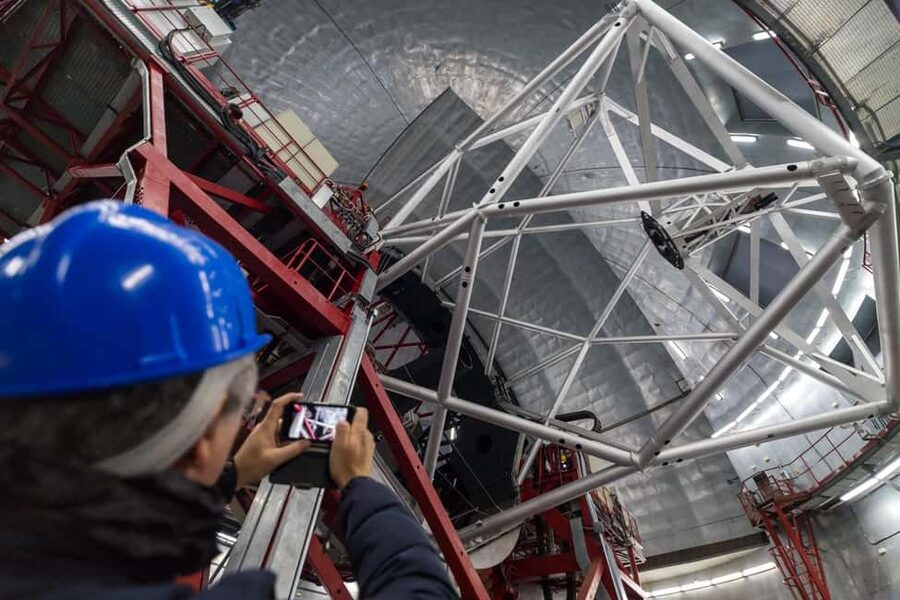
La Palma reaches for the stars. This half-day trip takes you high into the island’s mountain interior, where giant telescopes study the night sky. I like the access to the Gran Telescopio Canarias and the clear explanation of La Palma’s unusually good conditions for astronomy. I also like that transport and both observatory visits are arranged together.
The main drawback is the long mountain drive. You spend about two hours each way on winding roads, and motion sickness can make the journey unpleasant. The high altitude also calls for warm clothes, even when the coast feels sunny and mild.
Key points at a glance
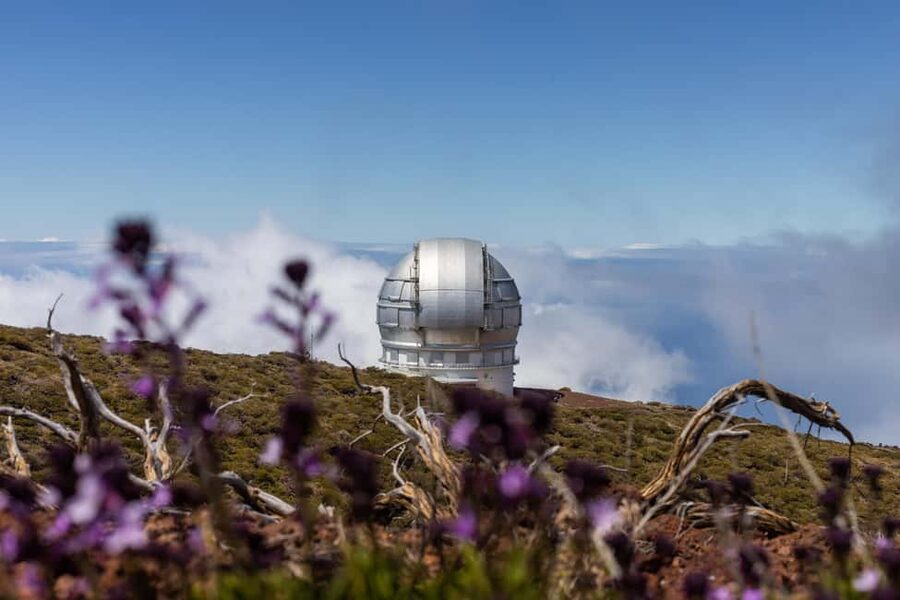
- The Gran Telescopio Canarias: Enter the site of the largest optical-infrared telescope on the planet.
- A two-part astronomy visit: See the observatory complex, then spend about an hour inside the Roque de los Muchachos Visitor Centre.
- Starlight-certified guidance: English and Spanish guides explain the telescopes and the sky above La Palma.
- A high-mountain setting: The observatory sits at the highest point reached on this excursion, far above the island’s coastal resorts.
- A full transport day: Allow 5.5 to 6.5 hours, including roughly four hours on the bus.
- A practical choice for non-drivers: Hotel-area pickup and return are included from five locations.
Why Roque de los Muchachos matters
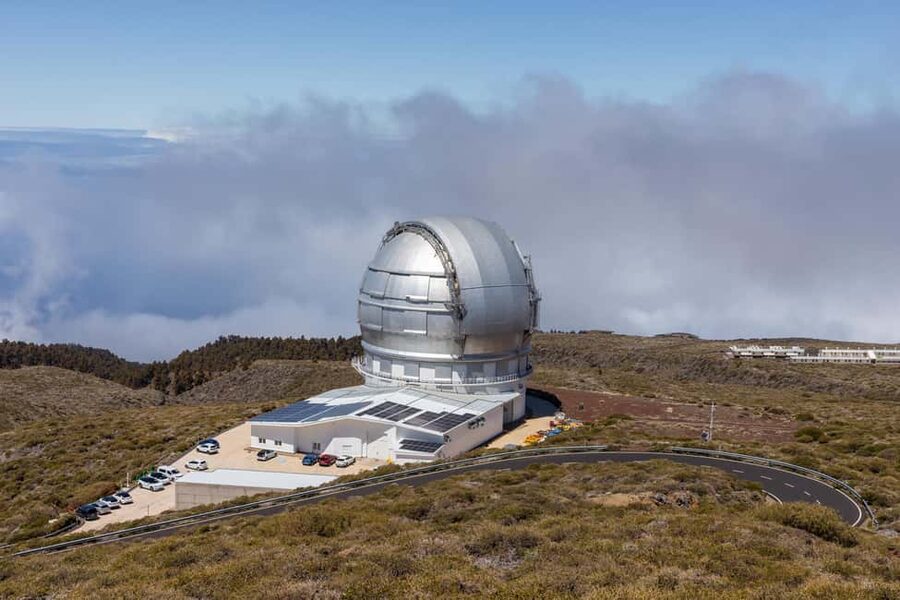
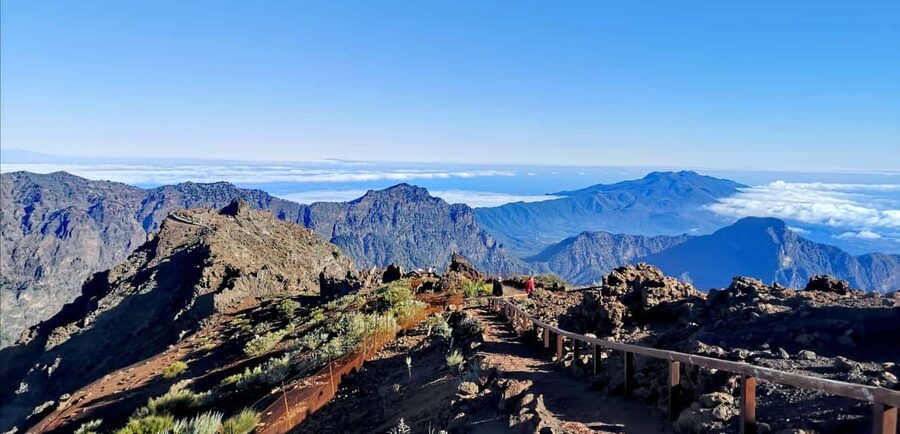
La Palma is famous for more than beaches and volcanic scenery. Its high mountain summit is home to one of the world’s most important groups of astronomical instruments. This tour gives you a rare chance to see that scientific centre during daylight and understand why the sky above the island is so useful for research.
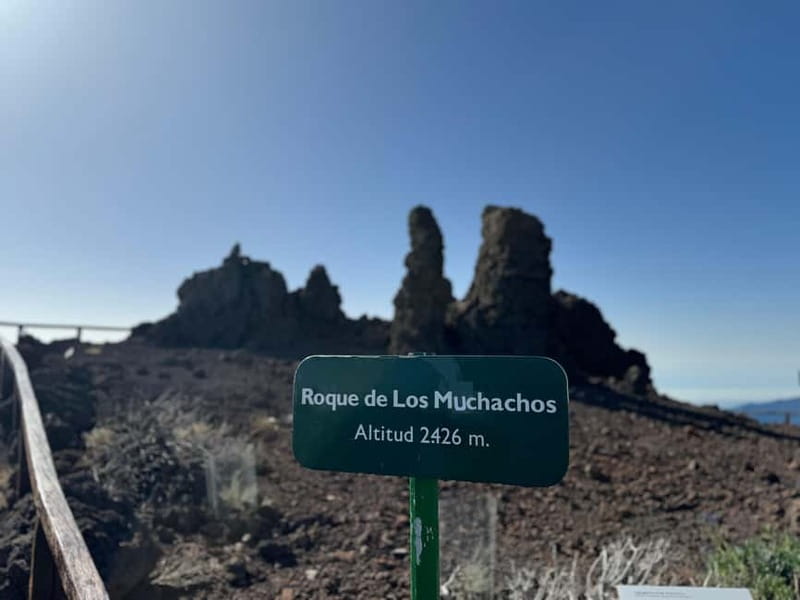
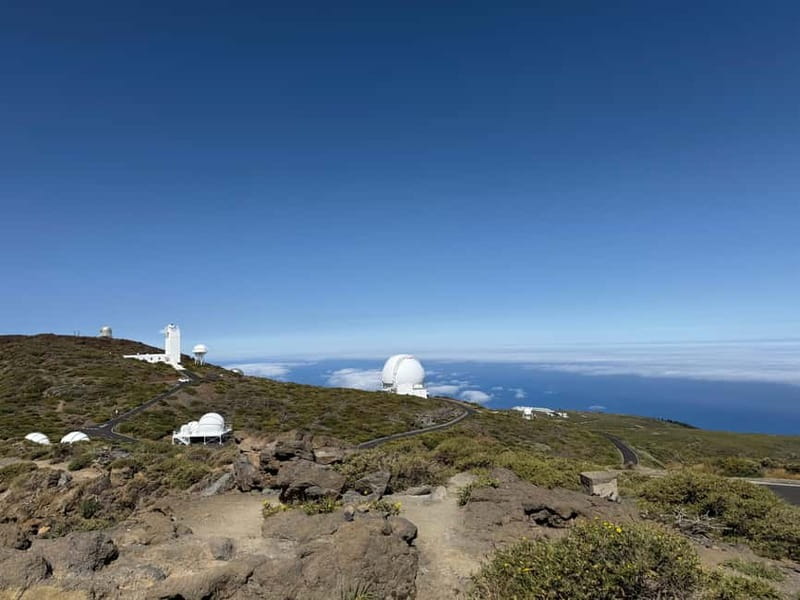
The visit takes place at Roque de los Muchachos, the summit area that houses the observatory. You are not simply looking at one telescope from a distance. The experience includes access connected with the Gran Telescopio Canarias, plus exterior views of the MAGIC and CTA telescopes.
I like this mix because it gives you both scale and context. The huge instruments show what modern astronomy looks like, while the guide explains the natural conditions that make this remote part of La Palma valuable. The focus is scientific rather than theatrical, so this suits you best if you enjoy learning how astronomy works.
You also get a second viewpoint at the Visitor Centre. Its displays and guided visit are designed to make the subject easier to understand. If the giant telescopes feel technical, the centre gives you a more approachable explanation of the island’s role in astronomy.
More Observatory Visits in Spain:
- Tenerife: Mount Teide Observatory Guided Tour
★ 4.6 · 818 reviews - Tenerife: Mount Teide Observatory Astronomical Tour
★ 4.4 · 126 reviews - Astronomic Small-Group Tour on Tenerife Teide Observatory
★ 4.0 · 34 reviews
The early pickup from five La Palma locations
The day begins with a morning pickup. The listed times are:
- Fuencaliente, Hotel La Palma and Teneguía Princess: 8:00 am
- Puerto Naos, Meliá La Palma main road bus stop: 8:00 am
- Los Cancajos, Centro Cancajos bus stop: 9:00 am
- Los Cancajos, bus stop near the pharmacy: 9:05 am
- Santa Cruz de La Palma, bus stop line 3 north: 9:15 am
You should check the exact pickup point carefully. Some locations are hotels, while others are public bus stops, and the Puerto Naos pickup is specifically on the main road. That detail matters if you are carrying a day bag or staying away from the hotel named in the schedule.
The early start is sensible. The observatory is a long way from the main resorts, and the tour needs time for the ascent, the guided visits, and the return trip. I would eat before pickup or carry a snack, since food is not included.
The two-hour mountain drive
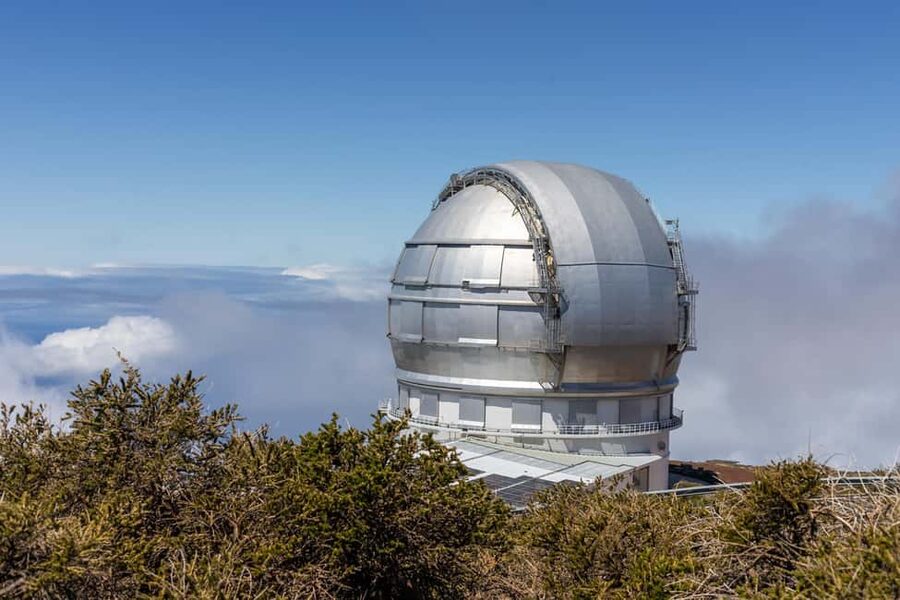
The bus journey is a major part of the day. The trip lists about two hours each way, so you spend close to four hours on the road altogether. That sounds lengthy, but it is the price of reaching the summit from the coastal pickup points.
The road includes many bends as it climbs. One confirmed account describes the winding ascent as tiring and warns that it may not suit people who become sick easily. That is useful advice, not a minor footnote. If you suffer from motion sickness, this should be one of your main booking decisions.
You should also bring comfortable shoes and warm clothing. The summit conditions can be much cooler than the coast, and the tour takes place in a high mountain setting. Comfortable footwear will help during the visits and any movement around the observatory grounds.
The bus transfer is valuable for another reason. Driving yourself would require concentrating on the road and finding the correct access points, while the included transport lets you focus on the explanations and scenery. Still, this is not a quick transfer. If you dislike long bus rides, the observatory itself may not justify the journey.
Inside the observatory for about 110 minutes
The main Roque de los Muchachos visit lasts about 110 minutes. You are accompanied by a Starlight-certified guide, with English and Spanish available. The guide-led format matters here because the equipment is large and specialised. Without explanation, you might mainly see buildings and domes. With the guide, you can connect the instruments to the work carried out there.
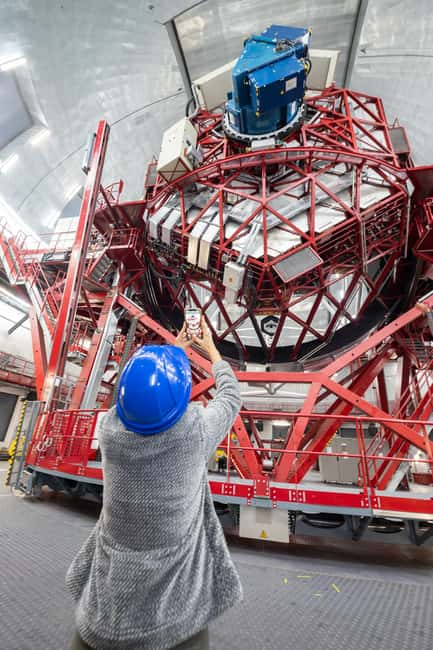
The central attraction is the Gran Telescopio Canarias, also known as the GTC. The experience includes admission to the largest optical-infrared telescope on the planet. That is the strongest reason to choose this excursion over a general mountain sightseeing trip.
The visit also includes exterior views of the MAGIC and CTA telescopes. Seeing more than one project helps you understand that Roque de los Muchachos is a collection of major instruments, not a single isolated telescope. The guide can place the GTC, MAGIC, and CTA in the same scientific setting and explain why different instruments are needed to study different parts of the universe.
I would keep your expectations realistic. This is not an evening stargazing session, and it is not advertised as a chance to look through the telescopes at stars. The value comes from seeing the facilities and learning how the site supports astronomical research.
The setting itself adds to the visit. You are taken to the highest point on the island included in the tour, and the mountain location gives the observatory a sense of remoteness. The trip is as much about reaching this unusual scientific place as it is about the individual telescope buildings.
Same dark sky, a different way to spend it:
- Tenerife: Teide National Park Sunset & Stargazing Tour
★ 4.2 · 3,812 reviews - Tenerife: Sunset and Stargazing at Teide National Park
★ 4.7 · 2,826 reviews - Teide National Park Sunset & Stargazing with Dinner (Star Safari)
★ 5.0 · 2,601 reviews - Teide National Park: Sunset & Stargazing Safari with Dinner
★ 4.6 · 2,115 reviews
The Visitor Centre adds the human explanation
After the observatory, you spend about one hour at the Roque de los Muchachos Visitor Centre. Centre guides lead this part of the visit, which gives you a different style of presentation from the outdoor observatory tour.
This stop is important because astronomy can become abstract very quickly. The Visitor Centre is dedicated to the subject and helps explain the reason for La Palma’s scientific importance. You can use this hour to connect what you have just seen outside with the broader story of astronomical research on the island.
The two visits work well together. At the observatory, the scale of the equipment makes the strongest impression. At the centre, the information is more structured and accessible. I like that the schedule does not treat the visitor centre as a spare room or a quick shop stop. An hour gives it proper weight in the day.
If you are travelling with children, note that the experience is not suitable for children under six. Older children may appreciate it, but the long transfer and technical subject still make this a better choice for families whose children can manage a full day of organised sightseeing.
What the guides add to the experience
The tour includes a Starlight-certified guide, and the advertised languages are English and Spanish. The guide’s role is central, since the telescopes are not self-explanatory and the visit depends on understanding the conditions above La Palma.
One guide named in the feedback is Yaaga, who received especially strong praise for providing guidance throughout the day and helping the transport arrangements run smoothly. That is exactly the sort of practical support you want on a trip with early pickup, a long climb, and several scheduled stops.
Another account praised the guides for their enthusiasm, useful explanations, and willingness to help. Those qualities matter more here than a polished performance. The best guide will help you understand why the sky is suitable for research, what the instruments are designed to do, and how the observatory fits into modern astronomy.
Because the experience is available in English and Spanish, you should confirm your preferred language when booking. The supplied information does not state that every departure is bilingual or that separate language groups are always used.
Is $68 good value?
At $68 per person, the price is reasonable if you want a guided visit to the observatory and do not have your own transport. The fee includes hotel-area transfers, the Roque de los Muchachos observatory tour, a Starlight-certified guide, entry to the Visitor Centre, and the return journey.
Transport is the biggest part of the value. The observatory is not a simple walk from Santa Cruz or the resort areas, and the round trip takes about four hours. You are paying for access to a difficult-to-reach site, not just for admission to a building.
The price also makes more sense because the day includes two separate guided experiences. You get about 110 minutes at the observatory and another hour at the Visitor Centre. That gives you roughly two hours of organised astronomy content, plus the mountain journey.
Food is not included, so budget for your own meal or snacks. The supplied details do not specify a restaurant stop or meal break, so I would not book this expecting lunch to be arranged. A small bag with water and food is a sensible addition, as long as it follows the operator’s rules.
Who should book this excursion?
I would recommend it to you if you have a strong interest in science, astronomy, engineering, or unusual places that most island visitors never see. It also suits you if you want to visit the observatory but do not want to organise mountain transport yourself.
It works well for adults and older children who can handle a long day. The guides add enough explanation to make the visit useful even if you are not already familiar with telescopes. You do not need an astronomy background to appreciate the scale of the GTC and the reason for the site’s location.
I would be cautious if you have low fitness, heart problems, vertigo, claustrophobia, epilepsy, or serious motion sickness. The activity is specifically listed as unsuitable for people with mobility impairments and wheelchair users. It is also not suitable for party groups, bachelor or bachelorette groups, or anyone planning to drink during the excursion.
The long bus ride is the key test. If winding mountain roads regularly make you ill, the journey could overshadow the visit. If you are comfortable with that limitation, the observatory offers something genuinely different from La Palma’s usual coastal outings.
Practical preparation for the summit
Wear proper walking shoes rather than sandals or bare feet. The instructions specifically call for comfortable shoes, and warm clothing is essential. The summit can feel very different from the lower parts of the island, so bring an extra layer even if the morning begins pleasantly.
Take water and food because meals are not included. Keep your bag modest and useful. Alcohol and drugs are not allowed, and the experience is not designed for party behaviour.
Check your pickup location and time before departure. The five pickup points have different schedules, and some are clearly marked public stops rather than hotel entrances. Arriving early is wise, especially for the 8:00 am departures from Fuencaliente and Puerto Naos.
The tour duration is listed as 5.5 to 6.5 hours. The difference likely reflects the pickup route and operating schedule, so keep the larger time allowance in your plans. Do not schedule a tight afternoon connection immediately afterward.
Free cancellation is available up to 24 hours before the activity for a full refund. You can also reserve and pay later, which helps if your island plans depend on weather or changing transport arrangements.
What the ratings suggest about the experience
The overall rating is 4.7 from six reviews, with particularly strong praise for the guides and transport. One five-star account highlighted enthusiastic, helpful guiding. Another five-star account called the observatory visit superb and singled out Yaaga’s guidance and the transport arrangements.
The one four-star account is useful because it identifies the main weakness rather than suggesting a problem with the visit itself. The observatory and views were considered interesting, but the winding bus road was tiring and potentially difficult for anyone prone to sickness.
That pattern gives you a fair picture. The content at Roque de los Muchachos is the strong point. The road is the compromise. I would trust that balance when deciding, since a tour to such a high and remote site cannot avoid the climb.
Should you book the Roque Observatory tour?
Book it if the Gran Telescopio Canarias is high on your La Palma wish list, you want a guide to explain the science, and you value included transport. The combination of the observatory, MAGIC and CTA exterior views, the Visitor Centre, and the mountain setting gives you a focused day with a clear purpose.
Skip it if you dislike winding roads, need full accessibility, or want a relaxed food-and-scenery excursion. This is a structured scientific visit with a long transfer, not a casual half-day outing.
For the right person, $68 is a fair price for reaching one of La Palma’s most unusual places without arranging the transport yourself. Bring warm clothes, prepare for the road, and give the guides your full attention. That is how this excursion earns its place in a La Palma itinerary.
FAQ
How long does the Roque Observatory tour last?
The activity lasts approximately 5.5 to 6.5 hours, depending on the operating schedule and pickup arrangements.
What is included in the price?
The price includes transfers from the listed hotel and bus-stop pickup locations, the Roque de los Muchachos Observatory tour, a Starlight-certified guide, entry to the Visitor Centre, and the return transfer.
Is food included?
No. Food is not included, so you should plan to bring your own food or make your own arrangements.
Which languages are available?
The live tour guide service is available in English and Spanish.
Where are the pickup points?
Pickup is available from Hotel La Palma and Teneguía Princess in Fuencaliente, the Meliá La Palma main road bus stop in Puerto Naos, two stops in Los Cancajos, and the northbound line 3 bus stop in Santa Cruz de La Palma.
What should I bring?
Bring comfortable shoes and warm clothing. You should also consider bringing food and water because meals are not included.
Is the tour suitable for children?
The activity is not suitable for children under six years old.
Can wheelchair users join?
No. The activity is listed as unsuitable for wheelchair users and people with mobility impairments. It is also not suitable for people with vertigo, epilepsy, heart problems, claustrophobia, low fitness, or motion sickness.
Just added around Spain
- VIP Sunset & Stargazing experience★ 4.5 · 44 reviews
- Skip the Line: Teide Observatory Entrance Ticket★ 3.0 · 33 reviews
- Small Group Teide Stargazing Tour with Picnic at Sunset★ 5.0 · 3 reviews
- Sunset and stargazing from Teide★ 3.5 · 51 reviews
- Tenerife Exclusive & Private Gastronomic, Sunset-Stargazing★ 5.0 · 3 reviews
- TEIDE NIGHT Astronomy Stargazing Bus Tour, Meal & Drinks included!★ 4.0 · 15 reviews
- PRIVATE TOUR Teide National Park: Hiking and Stargazing★ 5.0 · 38 reviews
- Sunset & Stargazing Experience from Teide★ 4.0 · 31 reviews
Observatory Visits, compared.
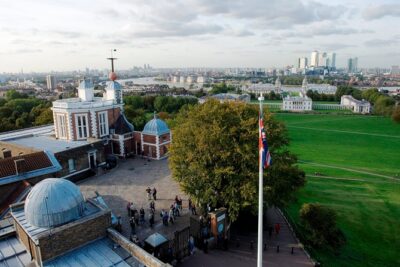
Royal Observatory Greenwich & Prime Meridian Entrance Ticket
Read our review →
Griffith Observatory Hike: Guided Tour through Griffith Park
Read our review →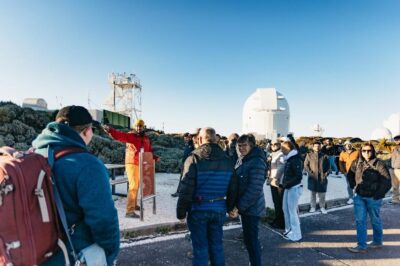
Royal Observatory Greenwich & Prime Meridian Entry Ticket London
Read our review →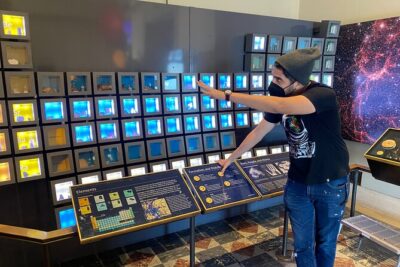
Browse the lists this tour appears in