Review · FRANCE
Stroll among the stars : Stargazing and Astronomy Tour
The mountains turn into a planetarium. This two-hour evening outing from Lans-en-Vercors pairs a guided look at stars, planets, and constellations with Greek myths and stories from other cultures. I like the gentle start at sunset, and I like that the experience adds real astronomy and astrophysics to the storytelling rather than treating the night sky as simple decoration.
The small-group promise of up to eight people also sounds appealing, especially when a digital telescope is being shared. The main concern is value: at $76 per person, the price feels high if the group is larger than advertised or if cloudy weather limits what you can see.
Key points at a glance
- Sunset begins the evening: You first take time to watch the sun go down before looking for stars.
- Greek myths meet world astronomy: The guide explains familiar constellations through Greek legends and compares them with stories from other cultures.
- A digital telescope adds detail: The second part focuses on observing distant objects in the night sky.
- The tour lasts about two hours: That is long enough for a relaxed introduction without turning into a late-night marathon.
- The group should be small: The stated limit is eight participants, though one August 2025 booking experienced a group of more than 20.
- Warm clothing is essential: Even a mild evening can feel cold when you are standing still under an open sky.
Why this Lans-en-Vercors night tour is appealing
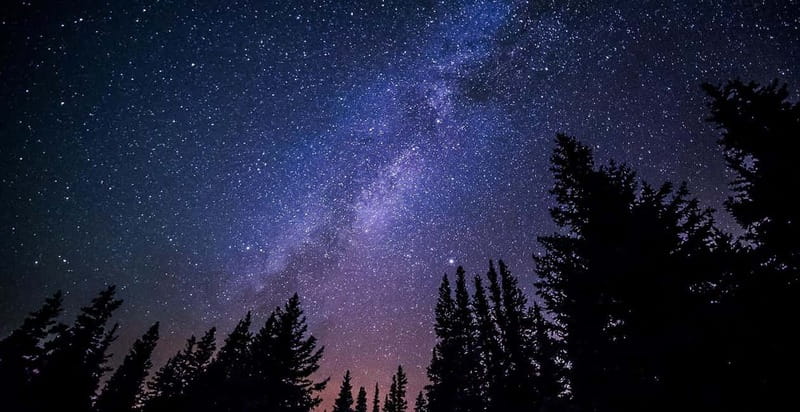
Stargazing works best when someone helps you know what to look for. Without guidance, you may see a scatter of bright points and little else. Here, an astronomer leads your attention toward planets, constellations, and objects that are easy to miss on your own.
I like the mix of science and story. You learn about the physical universe, then hear how Greek culture gave familiar star patterns names and personalities. The guide also brings in myths from other civilizations, which gives the sky a wider human context. Different societies looked up at the same stars and built very different explanations around them.
That makes this more than a telescope session. You are not simply waiting for an object to appear in the eyepiece. You are learning how people have tried to understand the sky across time and place.
The format should suit curious beginners. You do not need to know the difference between a planet and a constellation before arriving. The activity is presented as an accessible introduction, with room for questions and discussion. Children under seven are not accepted, but older children may enjoy the combination of stories, science, and the chance to look through a modern telescope.
More Stargazing Tours in the world:
- Dubai Red Dunes ATV, Camels, Stargazing & 5* BBQ Al Khayma Camp
★ 5.0 · 21,620 reviews - Sharm El-Sheikh: Ultimate ATV Quad, Stargazing & BBQ Dinner
★ 4.7 · 4,084 reviews - Tenerife: Teide National Park Sunset & Stargazing Tour
★ 4.2 · 3,812 reviews
Starting with sunset before the stars appear
The evening begins at the Tourism information point in Lans-en-Vercors. From there, the experience starts with the fading daylight, giving you time to notice the change from sunset to a darker sky.
This opening is useful for two reasons. First, it gives your eyes and mind time to adjust to the evening. Second, it creates a natural rhythm. You are not rushed straight into technical explanations while it is still light.
The sunset portion is also a reminder that astronomy is not only about equipment. The changing light, the first visible stars, and the slow arrival of darkness are part of the experience. I would arrive ready to spend much of the evening outdoors, not just to walk briefly to a telescope.
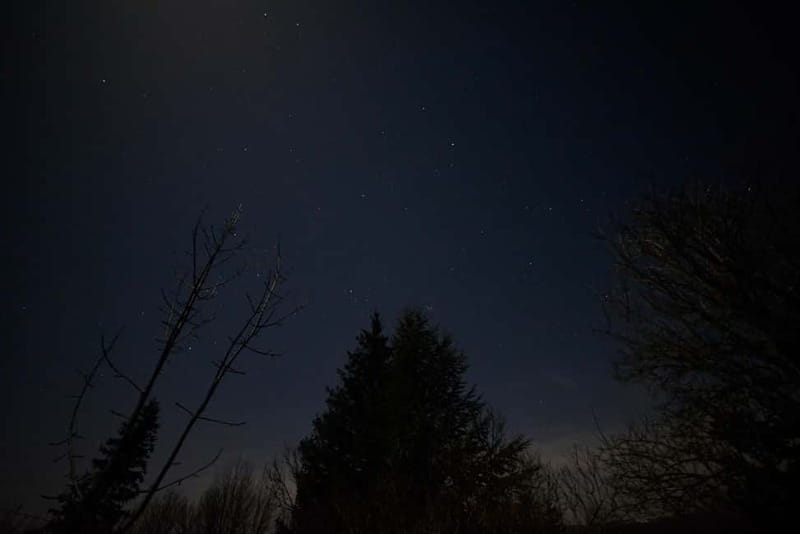
The exact observing location matters. A direct account from an August 25, 2025 booking described trees on both sides of the site, which made the viewing area less open than expected. That could restrict the part of the sky you can see, especially when the guide is trying to point out objects close to the horizon.
Access and parking were also described as somewhat complicated, with little indication at the site itself. Since the stated meeting point is the Lans-en-Vercors Tourism information point, I would pay close attention to the meeting instructions and allow extra time to get there. Do not assume the observing spot will be obvious once you leave the main meeting point.
Finding constellations through Greek myths
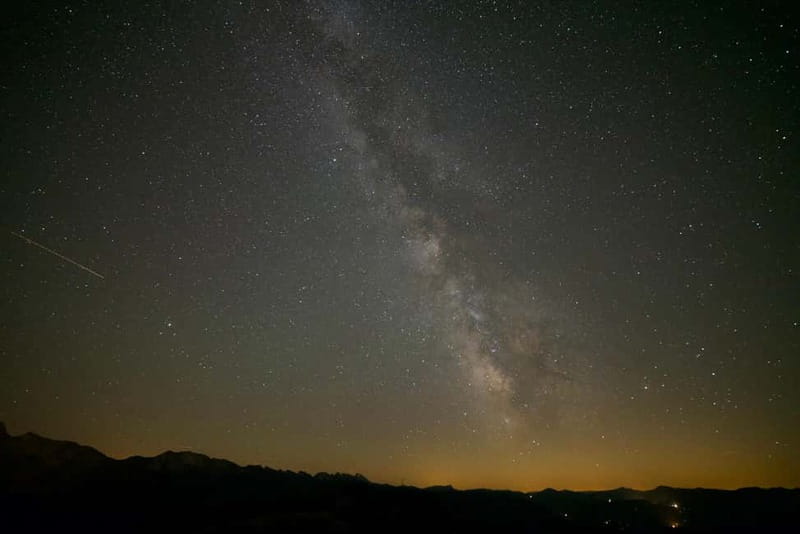
Once darkness arrives, the guide turns your attention to the constellations. This is where the experience should feel most like a traditional astronomy walk, with the sky used as a map and the stories used as memory aids.
Greek myths can make patterns easier to remember. A constellation is just a group of stars that appear close together from Earth, but its story gives the pattern a human shape. The guide explains the legends linked to Greek constellations, helping you connect names, figures, and star positions.
I like this approach because it gives beginners something concrete to hold onto. Instead of hearing a list of technical terms, you get a story and a visual pattern. Later, when you look up at the same stars, you may remember the tale before you remember the scientific details.
The tour does not stop with Greek tradition. You also hear myths and stories from other civilizations. That comparison is one of the more worthwhile parts of the evening. It shows that the night sky has never belonged to one culture. People everywhere have watched the same heavens, but their explanations have reflected their own beliefs and daily lives.
The guide also invites questions about the universe and its mysteries. That open format is important in a small group. You can ask about a bright object, a constellation, or a basic astronomy question without needing to prepare in advance.
Adding science to the storytelling
The astronomy content is intended to go beyond naming stars. The guide shares scientific ideas from astronomy and astrophysics, giving the stories a factual counterpart.
You might hear explanations about what you are seeing, how planets differ from stars, or why some objects are easier to observe than others. The available description does not provide a fixed list of subjects, so the exact discussion will depend on the season, the sky, and the questions asked by the group.
That flexible approach can be a strength. A good guide can respond to what interests the people in front of them. It can also mean that the level of detail varies. One booking described the explanations as pleasant but hesitant at times, so you should expect an approachable introduction rather than a formal university lecture.
The tour is offered in French and English. If you have a strong preference, make it clear when booking or at the meeting point. The language choice may shape how easily you can follow the technical explanations and the myths.
Same dark sky, a different way to spend it:
- Tenerife: Sunset and Stargazing at Teide National Park
★ 4.7 · 2,826 reviews - Teide National Park Sunset & Stargazing with Dinner (Star Safari)
★ 5.0 · 2,601 reviews - Dubai: Sunset Camel Trek, Al Khayma Camp, Stargazing & BBQ
★ 4.8 · 2,588 reviews - Dubai: Overnight Safari, Dinner, Stargazing & Al Khayma Camp
★ 4.8 · 2,562 reviews
Looking through the digital telescope
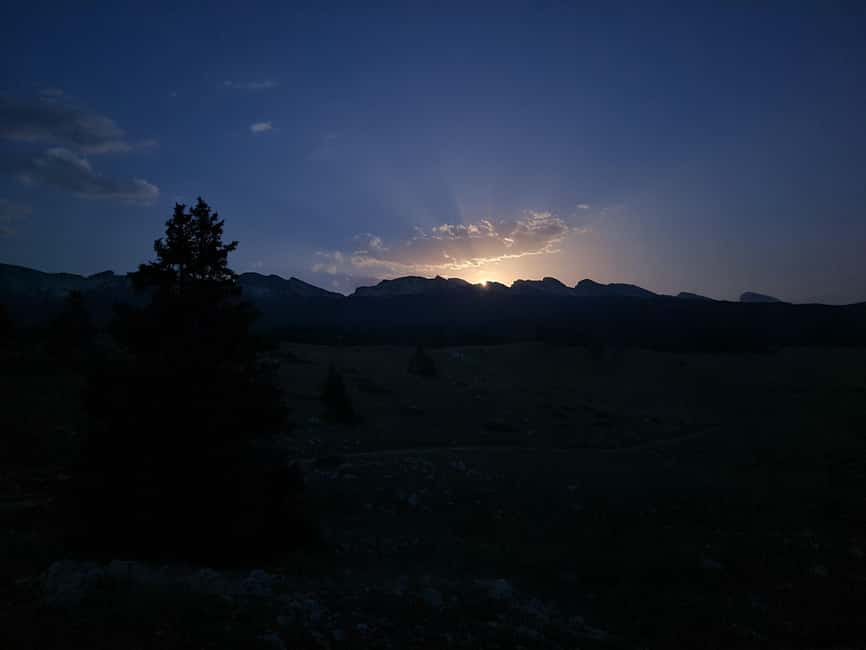
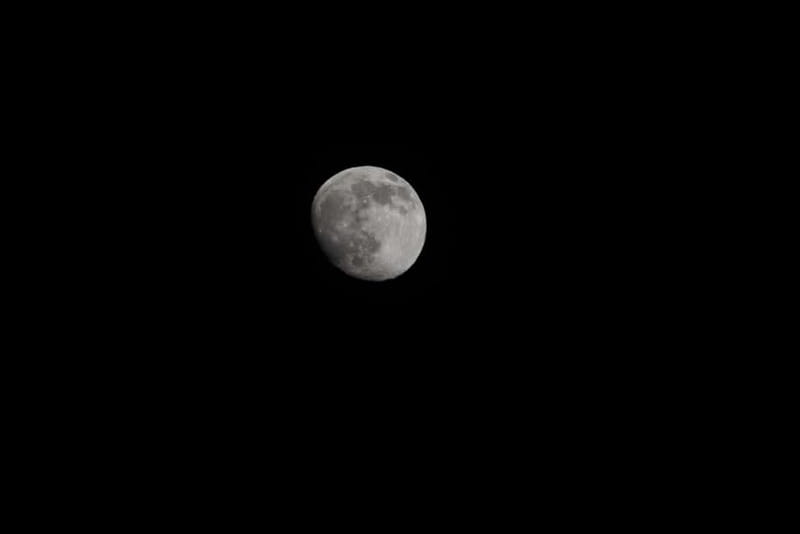
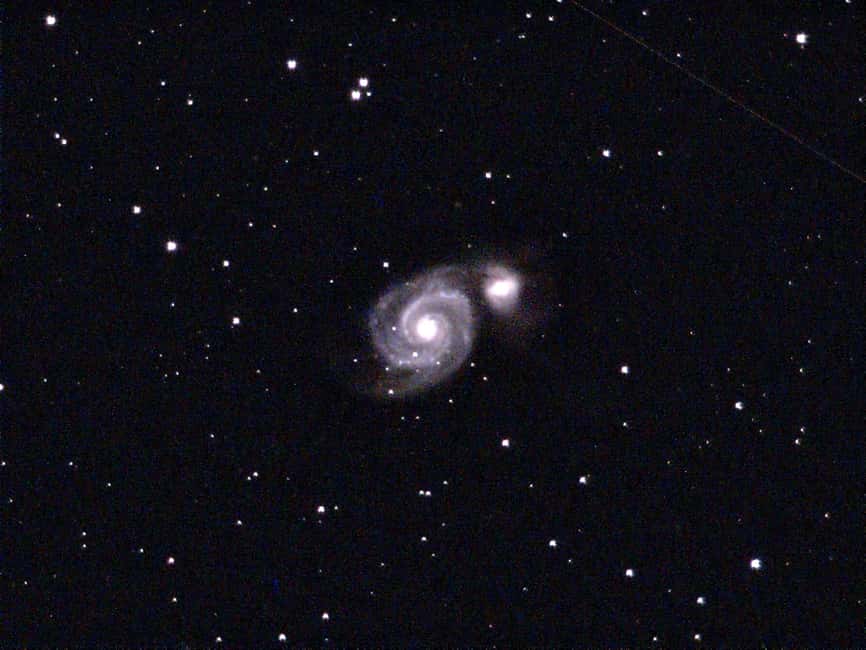
The second stage focuses on the night sky with one of the latest digital telescopes. This is the part many people will be waiting for, since a telescope can reveal details that are not visible to the naked eye.
A digital telescope also changes how the group interacts with the equipment. If only a few people are present, you should have a better chance to approach the device and see what the guide is showing. The advertised group size of eight is therefore important, not a minor booking detail.
One August 2025 participant found more than 20 people on the outing, despite the stated small-group limit. The same account said the telescope or tablet was less accessible during a free outing with more people, and found the larger group a problem here as well. That is the clearest warning attached to the experience: confirm the expected group size if direct telescope viewing is a major reason you are booking.
The telescope will not make clouds disappear or turn every evening into a major observatory visit. The date may change because of bad weather, which is sensible for an activity that depends on clear skies. Even with good conditions, the objects visible will depend on the season and the location.
You may also see something unexpected. The August booking included several shooting stars, which added a memorable moment to the evening. That kind of sight is not guaranteed, but it shows why looking up for a sustained period can pay off.
What the two-hour format really gives you
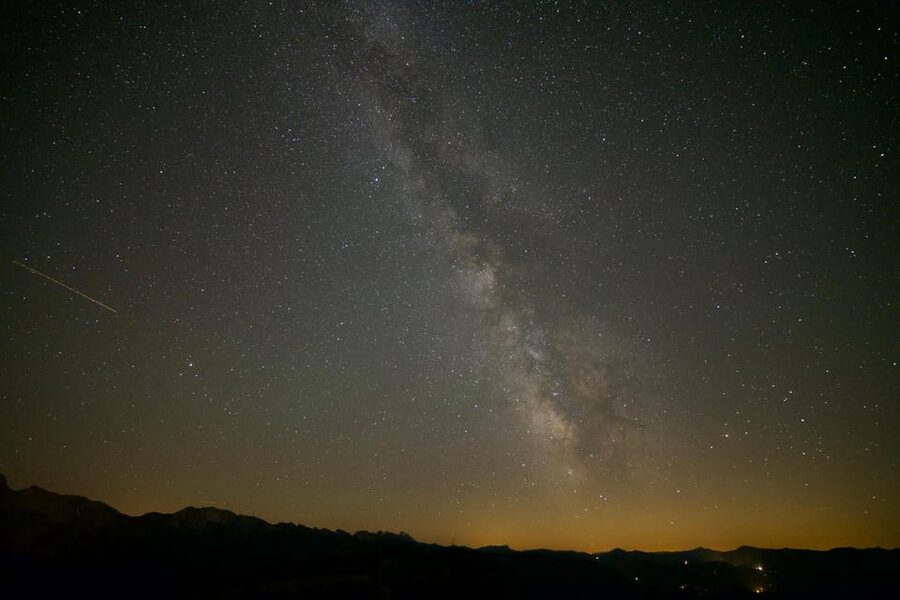
Two hours is a sensible length for an introductory stargazing session. You have time to watch the sunset, orient yourself under the stars, hear the stories, ask questions, and use the telescope.
The format should not feel like a rushed stop between other attractions. At the same time, it is not an all-night astronomy course. If you already know the major constellations and want detailed astrophysics, you may find the content fairly basic or uneven.
For first-time stargazers, two hours is enough to build confidence. You learn how to look, where to direct your attention, and why the sky changes through the evening. I like that balance. You get more than a quick look through a telescope, but you do not need to commit a whole night.
The evening may feel longer if conditions are cold or if there is a delay caused by fading light and equipment setup. Wear warm clothing in layers. The official advice is simple, but it matters: you will spend time outside, often standing still, and warmth makes it much easier to concentrate.
High-heeled shoes are not allowed. Practical footwear is the better choice anyway, especially since the access and parking arrangements may not be perfectly clear.
Is $76 a fair price for the experience?
At $76 per person, this is a premium price for a two-hour activity. You are paying for the astronomer, the telescope, the interpretation, and the small-group format rather than for transport, food, or a full evening meal.
I think the price can make sense if the group really is limited to eight and the sky is clear. In that situation, you should have more opportunities to ask questions and see what the telescope reveals. The cultural stories also add value that a basic public viewing session might not include.
The calculation changes if the group grows beyond the advertised limit. A larger crowd means less time at the telescope, fewer chances to ask questions, and a weaker sense of personal guidance. One booking also compared this paid experience with a free outing in Lans-en-Vercors that offered a similar presentation, though with more people and less direct access to the tablet.
That comparison does not make this tour automatically poor value. A paid small-group activity can reasonably cost more than a free public event. But the group-size issue becomes important at this price. If the operator cannot maintain the promised limit, the experience may feel expensive for what you receive.
Food and drinks are not included, and hotel pickup and drop-off are not provided. Plan your own meal and transport around the two-hour schedule.
Who should book this stargazing experience?
I would recommend it most strongly to adults, older children, and couples who want a calm evening with a mix of science and mythology. It suits you if you enjoy asking questions, listening to stories, and taking time to observe rather than moving quickly from one sight to the next.
Families should note the minimum age of seven. Young people who like planets, space, or myths may find plenty to hold their attention, but the evening still involves waiting in the dark and standing outdoors. Children who need constant activity may not enjoy the slower pace.
This is also a good choice if you are visiting the Vercors area and want an experience tied to the local night sky rather than another daytime attraction. You do not need specialist astronomy knowledge.
I would hesitate if your main goal is a guaranteed view through a telescope. Weather can change the date, trees may limit part of the sky, and an unexpectedly large group can reduce access to the equipment. You should also think twice if $76 feels high for a guided introduction.
The operator, Nature Vercors, offers free cancellation up to 24 hours before the activity and a reserve-now, pay-later option. Those policies help reduce the risk of committing too early, especially when the date may shift because of weather.
My verdict on the Lans-en-Vercors star tour
I like the idea behind this experience. Sunset, constellations, Greek legends, stories from other cultures, scientific explanations, and a digital telescope create a well-rounded evening. The best moments should come from the guide helping you connect a point of light with both a physical explanation and a human story.
The main issue is consistency. A group of up to eight would support the personal, question-friendly format promised here. A group of more than 20 would make the $76 price harder to justify, especially when telescope access becomes limited.
Book it if you want an accessible introduction to astronomy and mythology, you can dress warmly, and you are willing to accept some weather dependence. Before paying, confirm the group size and meeting details. If those line up, this can be a thoughtful night under the stars. If not, a free public stargazing event may offer similar information at a better price.
FAQ
Where does the stargazing tour meet?
The meeting point is at the Lans-en-Vercors Tourism information point.
How long does the astronomy experience last?
The tour lasts around two hours.
What languages are available?
The live tour guide is available in French and English.
How many people are supposed to be in the group?
The advertised group limit is eight participants.
Is the telescope included?
Yes. The experience includes observation of the night sky with a digital telescope.
What should I bring?
Bring warm clothing because the activity takes place outdoors in the evening.
Are children allowed to join?
Children under seven are not permitted to take part.
Can the date change because of weather?
Yes. The date may change in case of bad weather. You can also cancel up to 24 hours in advance for a full refund.
Just added around the world
- ( canyon hurghada & stargazing )★ 4.9 · 16 reviews
- Vincentia: Jervis Bay Beach Stargazing with an Expert★ 4.9 · 19 reviews
- Blue Mountains: Stargazing with a Telescope and Astronomer★ 4.4 · 21 reviews
- Twizel Stargazing Experience with a Guide (Carbon Positive)★ 4.7 · 26 reviews
- Twizel: Stargazing Tour with an Astronomer and Telescope★ 4.9 · 36 reviews
- Star Safari Stargazing Experience, Martinborough★ 5.0 · 6 reviews
- Klein Karoo “High 5” Stargazing Experience in Oudtshoorn★ 5.0 · 7 reviews
- VIP Sunset & Stargazing experience★ 4.5 · 44 reviews
Stargazing Tours, compared.
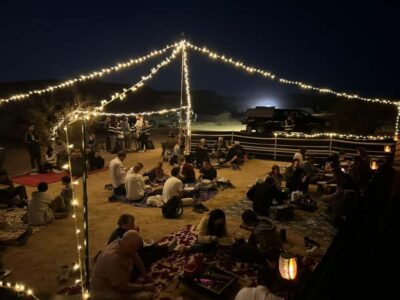
Dubai Red Dunes ATV, Camels, Stargazing & 5* BBQ Al Khayma Camp
Read our review →
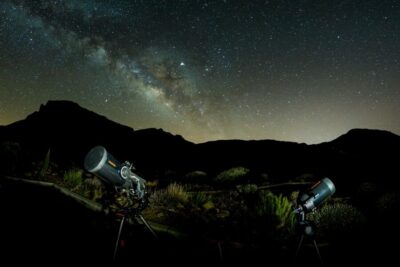
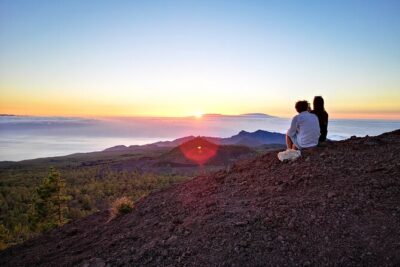
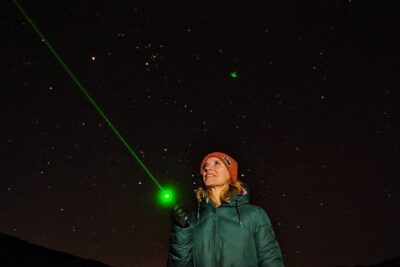
Teide National Park Sunset & Stargazing with Dinner (Star Safari)
Read our review →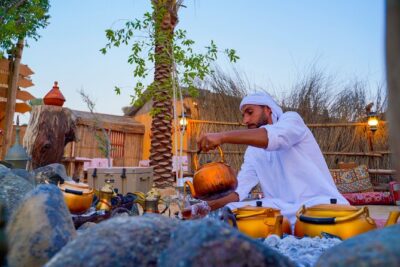
Sunset Camel Trek, Al Khayma Camp, Stargazing & BBQ
Read our review →
Overnight Safari, Dinner, Stargazing & Al Khayma Camp
Read our review →