
Review · AUSTRALIA
Vincentia: Jervis Bay Beach Stargazing with an Expert
Look up, and the coastline becomes a planetarium. This 90-minute Jervis Bay stargazing experience takes you to a beach in Vincentia, away from city lights, for laser-guided constellation stories, telescope viewing, and practical tips for finding your way by the stars. I like the mix of science and storytelling, and I like that you are not simply shown a few bright objects through a telescope. You also learn how to read the sky with your own eyes.
The setting adds real atmosphere. You hear the waves while the guide points out stars and constellations, then switch to astronomy binoculars and a state-of-the-art telescope. The main caution is weather and group size: cloudy skies can cancel the evening, and at least eight participants are needed for the tour to run.
Key points to know before booking
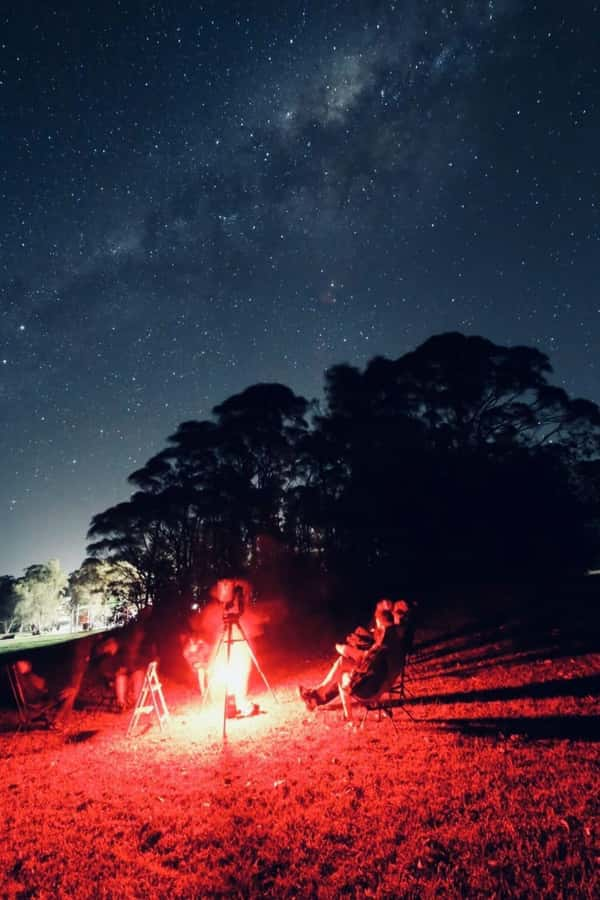
- Beachside astronomy with wave sounds: The session takes place at a Vincentia beach, giving the night sky a natural coastal setting.
- Telescope targets change by season: Depending on the date, you might see the Moon, Saturn, Jupiter’s moons, Mars, Venus, the Orion Nebula, star clusters, double stars, or galaxies.
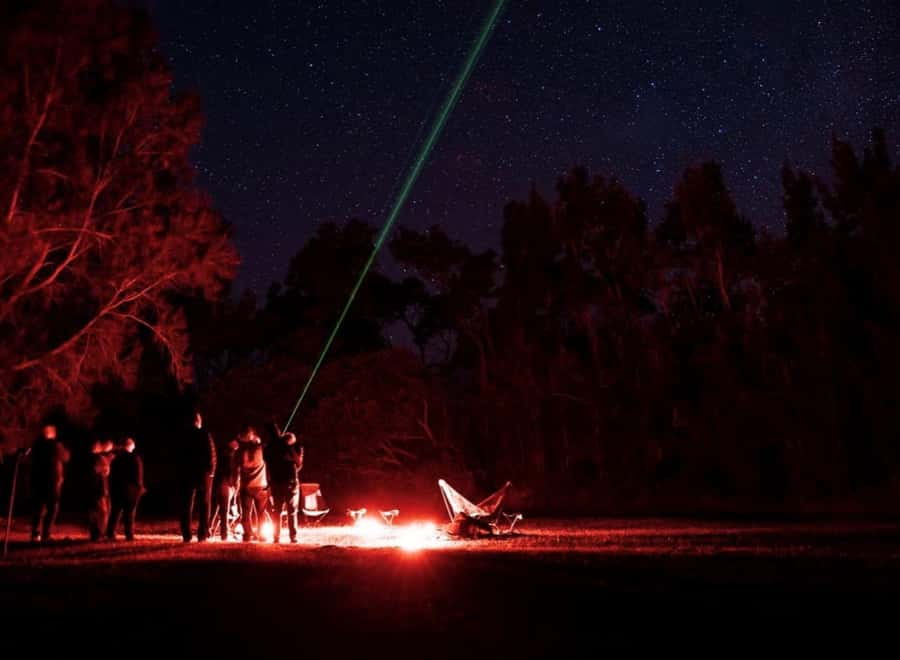
- The guide does more than point upward: Laser-guided explanations cover navigation, star signs, constellation stories, and the history of constellations across cultures.
- The minimum group size matters: Eight people are needed for the tour to operate, with a maximum of 20 participants.
- Weather can affect the whole plan: If clouds are expected, cancellation notification is sent at 3 pm on the day.
- The $65 price includes useful extras: Telescope and binocular viewing, a live English-speaking astrophysicist, questions and answers, and a complimentary night photography souvenir are included.
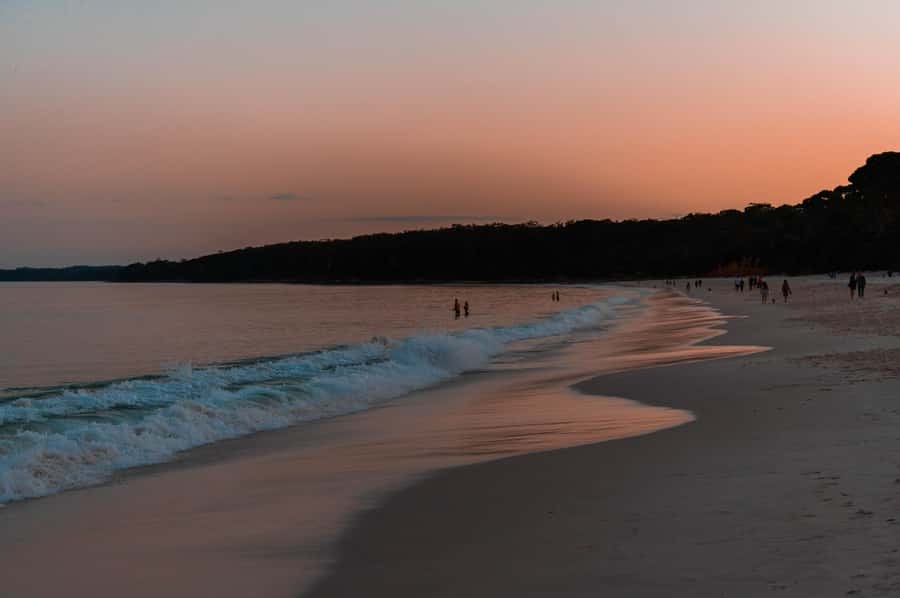
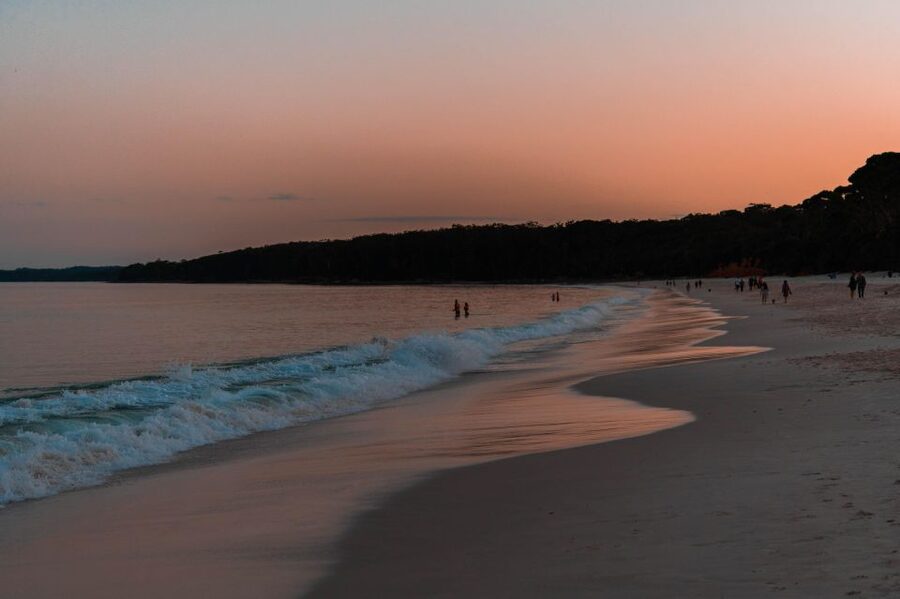
A beach becomes your viewing platform
The exact meeting address is sent after booking, but you know in advance that it will be a beach in Vincentia. That arrangement keeps the location flexible and helps the guide choose a suitable spot for the evening, though it means you cannot plan your route from the public information alone.
The beach setting is more than decoration. The sound of the waves gives the session a calm rhythm, while the lack of strong urban lighting helps your eyes adjust to the sky. You are not sitting inside a formal observatory with walls and a fixed roof. You are outside, under the same stars that sailors, farmers, and storytellers have used for centuries.
You should plan around the coastal setting. The information provided does not specify seating, parking, or walking distance from the meeting point, so confirm those details if they matter to you. One piece of practical feedback is especially useful: a chair was reported to need caution. That is a small point, but it is a good reminder to treat the supplied seating carefully and bring sensible outdoor clothing.
More Stargazing Tours in Australia:
- Pinnacles Desert: Sunset BBQ & Stargazing Tour +Sandboarding
★ 4.8 · 1,555 reviews - Pinnacles Desert Sunset Dinner and Stargazing Tour
★ 5.0 · 1,034 reviews - From Perth: Pinnacles Sunset and Stargazing Tour with Dinner
★ 4.7 · 803 reviews
The first 20 minutes: finding your way by starlight
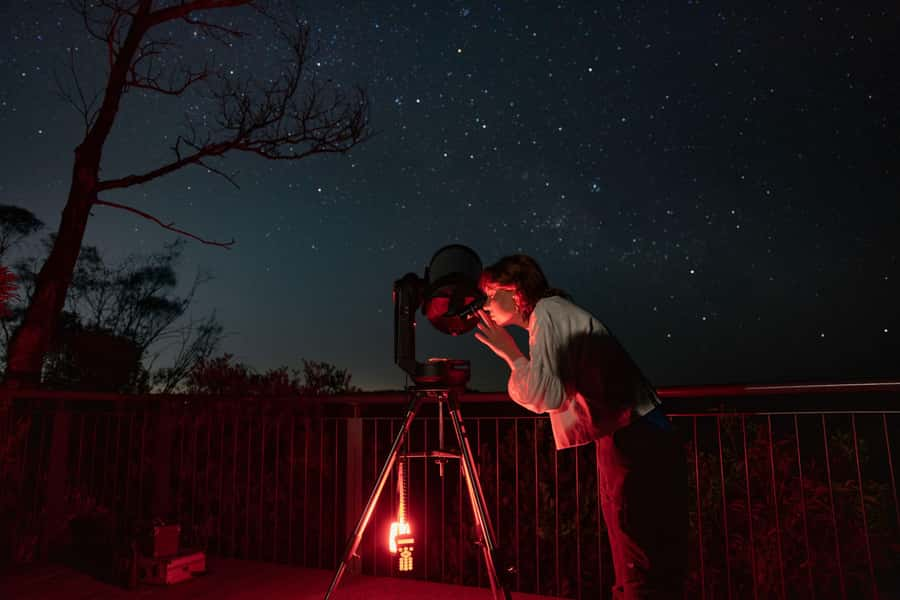
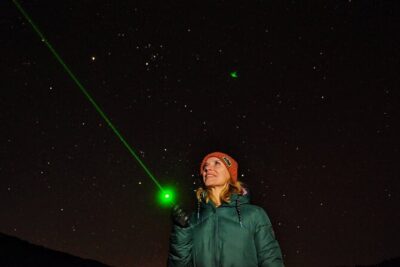
The session begins with naked-eye astronomy. The guide uses a laser to point out stars and patterns, often making it easier to understand the sky than a printed chart or phone app. The laser gives you a clear reference, especially when several stars look equally bright at first.
The navigation tips are one of the strongest parts of the experience. You learn how to use the stars to get your bearings, rather than simply memorizing a list of constellation names. That practical approach gives the session a purpose. Even if you forget some of the astronomy later, you may remember how certain stars relate to direction and position.
The guide also discusses objects that might pass overhead. Depending on the night and the time of year, you could see satellites, the International Space Station, or China’s Tiangong space station. Shooting stars are also possible, but they are never a promise. This is an important distinction: the telescope can be aimed, but a satellite or meteor has its own schedule.
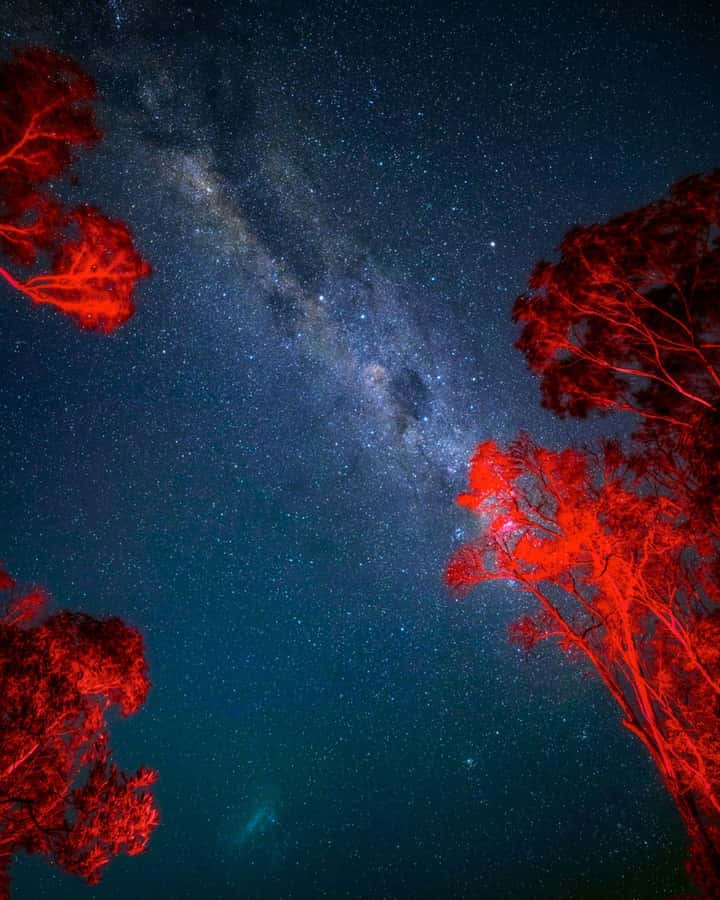
The Milky Way may also appear, depending on the season and viewing conditions. Cloud cover, light levels, and the natural cycle of the Moon all affect what you see. A bright Moon can be wonderful through the telescope, but it can make faint parts of the Milky Way harder to spot.
Constellation stories from Orion to other cultures
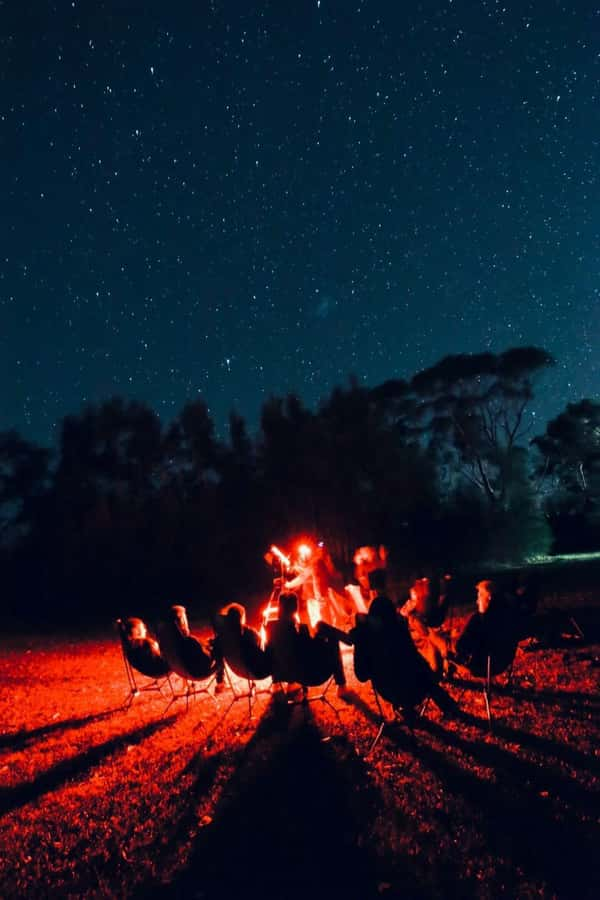
The constellation section gives the evening its human side. You hear stories about star signs, antique constellations, and the way different cultures have named and interpreted patterns in the sky.
Orion may be included when it is visible at that time of year. It is one of the most recognizable patterns in the night sky, and it provides a useful anchor for beginners. Once you know where Orion sits, nearby stars and objects become easier to identify.
The guide also covers the history of constellations and constellations in other cultures. This matters because the sky is not just a scientific diagram. People in different places have looked at the same stars and built different stories around them. The session gives you both the practical map and the cultural background.
I especially like this balance. The science keeps the experience grounded, while the stories make it memorable. The tour is delivered in English, and previous feedback describes the guides as friendly, amusing, and good at explaining difficult ideas in a relaxed way. That tone should suit you if you want astronomy without a lecture-hall feel.
Telescope viewing: what you might see
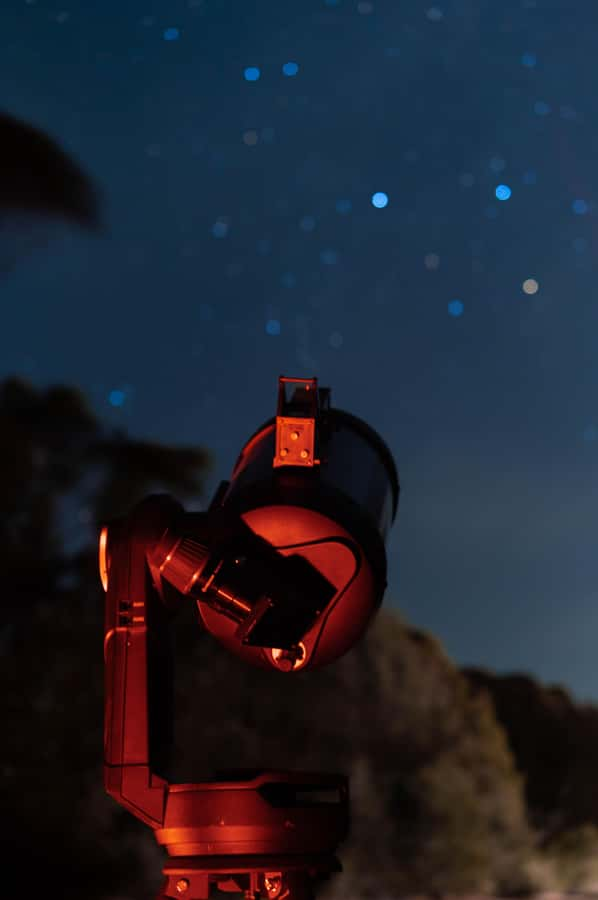
The state-of-the-art telescope is the technical centerpiece. The exact targets depend on the date, the position of the planets, the Moon’s phase, and the sky conditions. You might view the Moon’s craters and seas, Saturn’s rings, the moons of Jupiter, Mars, Venus, or the Orion Nebula.
You may also see star clusters, double and triple stars, and distant galaxies. These objects offer different kinds of viewing. The Moon gives you sharp surface detail. Saturn is memorable because its rings are visible as a clear structure rather than a simple point of light. Jupiter’s moons show how much can be learned from a small group of bright objects orbiting another world.
The planets are not always available. Mars and Venus move through the sky, and Saturn is not visible at every time of year. Orion and its nebula are seasonal targets as well. It is best to treat the list as a guide to possible highlights, not a fixed menu.
That variability is part of real astronomy. You will not get the exact same show every month. A repeat visit could reveal a different set of planets or constellations, and the Moon can change the character of the whole session.
Same dark sky, a different way to spend it:
- Pinnacles Sunset Stargazing Dinner Experience Small Group Tour
★ 4.5 · 396 reviews - Uluru: National Park Astronomy Tour with Telescope and Photo
★ 4.4 · 357 reviews - Stargazing with an Astronomer in the Blue Mountains
★ 5.0 · 243 reviews - Perth: Pinnacles Desert Sunset & Stargazing with Dinner
★ 4.3 · 215 reviews
Astronomy binoculars add a useful second view
The astronomy binoculars give you an intermediate step between looking up with your eyes and using the telescope. They can help you see larger star fields and brighter clusters while keeping a broader sense of where the object sits in the sky.
That broader view is useful for beginners. A telescope can show impressive detail, but its narrow field can make it hard to connect the object with the surrounding stars. Binoculars help bridge that gap.
You also get a chance to ask questions directly. The Q&A is led by an astrophysicist, so you can raise questions about what you have just seen rather than relying on a fixed script. The supplied experience does not list a precise number of telescope stops or a timed schedule, so the balance between storytelling, telescope viewing, binoculars, and questions may vary with the night.
How the 90-minute format affects the experience
Ninety minutes is a sensible length for an outdoor astronomy session. It gives the guide enough time to explain the sky, move between equipment, and answer questions without turning the evening into a long endurance test.
Still, the pace will depend on the group. The maximum capacity is 20 people, and a full group can mean more waiting at the telescope. The minimum of eight participants keeps the experience viable, but it also creates uncertainty when you book for a small party.
You can reserve fewer than eight places, and you will be told 24 hours before the tour if the minimum has not been met. If the session cannot run for that reason, you receive a refund. For a more personal experience, private tours require at least eight participants, or 15 participants on weekends. That makes a private booking more realistic for families, clubs, or organized groups than for a couple traveling alone.
Is $65 good value?
At $65 per person, this is not just a quick look through a telescope. The price includes a 90-minute guided session, an astrophysicist, laser-guided astronomy, telescope viewing, astronomy binoculars, the Q&A, and a complimentary night photography souvenir.
I think the value is strongest if you are genuinely curious about the sky. The navigation tips and constellation stories give you something to take away, while the telescope provides the memorable visual moments. You are paying for interpretation and access to equipment, not simply a beach walk after dark.
The value is less certain if you expect a guaranteed view of Saturn, the Milky Way, or the International Space Station. None of those sights can be promised because visibility changes with season and weather. Cloud cover can cancel the entire session, although the operator offers either a refund with a 5 percent service fee retained or a transferable credit valid for three years in Jervis Bay or the Blue Mountains.
Bookings can be canceled up to 24 hours before the start for a full refund, while guest cancellations after that point and no-shows are non-refundable. You can also reserve now and pay later, which helps if you are still arranging your Jervis Bay plans.
Weather is the main risk
Astronomy needs clear skies, and this experience does not pretend otherwise. If the evening is too overcast, a cancellation email is sent at 3 pm on the day of the tour.
The replacement choices are practical. You can request a refund, accepting the non-refundable 5 percent service fee, or choose a credit valid for three years. The credit can be transferred to someone else as a gift voucher and can be used in Jervis Bay or the Blue Mountains.
One useful example comes from a canceled evening where the guide was described as understanding and well organized, and a gift card was provided for another viewing. That does not remove the disappointment of losing an evening, but it suggests the cancellation process is handled with care.
If your visit to Vincentia is short, avoid placing this tour on your final night. Give yourself another evening in the area in case clouds intervene. You can reschedule up to 24 hours before the start time, subject to availability.
Who will enjoy this Vincentia night tour?
This experience suits adults, older children, couples, families with children over six, and anyone who wants a gentle introduction to astronomy. Children aged 6 to 15 use a child ticket, while children under six are not allowed.
It should work well for a family because the session combines stories, equipment, and the excitement of spotting moving objects overhead. The guide’s friendly and amusing style, noted in the feedback, should also help keep the subject approachable for children who might not enjoy a technical presentation.
It is less suitable for babies, wheelchair users, or anyone needing a fully accessible venue. The experience is not wheelchair-accessible, and it is not dog-friendly. Alcohol and drugs are not allowed, including alcoholic drinks in the vehicle.
You should also be comfortable spending 90 minutes outdoors at a beach after dark. The provided details do not specify toilets, transport, or shelter, so ask about those points if they affect your plans.
What to bring and how to prepare
Wear warm, comfortable clothing suited to a coastal evening. The supplied information does not provide a dress code or equipment list, but a beach after dark can feel cooler than expected, especially when you are sitting still.
Arrive ready to listen without relying on your phone. A phone can be useful for taking notes, but bright screens can interfere with night vision and distract from the laser-guided explanations. The complimentary night digital photography souvenir means you do not need to depend on your own camera for a keepsake.
It also helps to keep your expectations flexible. The Moon may replace the Milky Way as the main attraction. A planet may not be visible on your date. A satellite may appear briefly, or a shooting star may not appear at all. The pleasure comes from learning what the sky is offering that night.
Should you book it?
You should book this Vincentia stargazing tour if you want a friendly, guided introduction to the night sky, especially if you value explanations as much as telescope views. The beach setting, waves, laser pointers, binoculars, and astrophysicist-led Q&A create a fuller experience than a quick star party.
I would book it for a family with children over six, a couple seeking a quiet evening, or anyone who wants to learn basic star navigation. I would hesitate only if your schedule cannot handle a weather cancellation, if you require wheelchair access, or if you want a guaranteed view of one particular planet.
Choose a night when you can keep your plans flexible, check the weather notification at 3 pm, and remember that astronomy is shaped by the sky rather than a fixed timetable. For $65, the experience offers good value when you treat it as both a coastal evening outdoors and a lesson in how to look up with purpose.
FAQ
Where does the stargazing tour meet?
The meeting point is a beach in Vincentia. The exact address is sent after you book.
How long does the experience last?
The stargazing tour lasts 90 minutes.
What language is the tour conducted in?
The live tour is conducted in English.
How many people are needed for the tour to run?
A minimum of eight participants is required. You can book for fewer people, and you will be notified 24 hours before the tour if the minimum has not been reached.
How many people can join the tour?
The maximum capacity is 20 participants.
What can I see through the telescope?
Depending on the time of year, you might see the Moon and its craters and seas, Saturn’s rings, Jupiter’s moons, Mars, Venus, the Orion Nebula, star clusters, double and triple stars, and galaxies.
What happens if the sky is cloudy?
If the sky is overcast, a cancellation notification is sent at 3 pm on the day of the tour. You can choose a refund, with a 5 percent service fee retained, or a transferable credit valid for three years in Jervis Bay or the Blue Mountains.
Is the tour suitable for children and wheelchair users?
Children must be at least six years old. Children aged 6 to 15 use a child ticket. The experience is not wheelchair-accessible, is not suitable for babies under one year, and is not dog-friendly.
Just added around Australia
- Blue Mountains: Stargazing with a Telescope and Astronomer★ 4.4 · 21 reviews
- Gold Coast: Glow Worms, Sunset & Stargazing with BBQ dinner★ 4.5 · 3 reviews
- Pinnacles Desert Sunset Stargazing Adventure Tour from Perth★ 5.0 · 25 reviews
- Jervis Bay Beach Stargazing Tour with our Astronomer★ 5.0 · 35 reviews
- Brisbane: Glow Worms, Sunset, Telescope Stargazing & Dinner★ 4.0 · 15 reviews
- Exmouth: Summer Sunset Turtle Watching and Stargazing Tour★ 5.0 · 2 reviews
- Esperance: Astronomy Night Experience★ 5.0 · 5 reviews
- Brisbane: Glow Worms, Sunset, Star Gazing & BBQ★ 4.4 · 26 reviews
Stargazing Tours, compared.
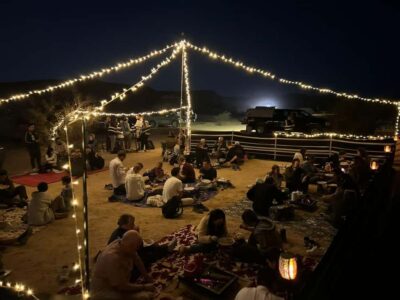
Dubai Red Dunes ATV, Camels, Stargazing & 5* BBQ Al Khayma Camp
Read our review →
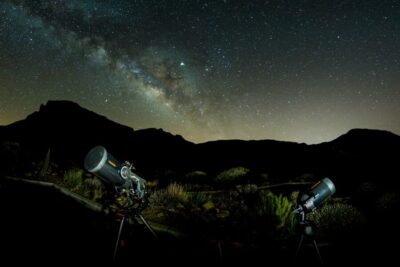
Teide National Park Sunset & Stargazing with Dinner (Star Safari)
Read our review →
Sunset Camel Trek, Al Khayma Camp, Stargazing & BBQ
Read our review →
Overnight Safari, Dinner, Stargazing & Al Khayma Camp
Read our review →
Dubai Overnight Desert Safari, BBQ & Stargazing at Al Khayma Camp
Read our review →Browse the lists this tour appears in