
Review · AUSTRALIA
Stargazing with an Astronomer in the Blue Mountains
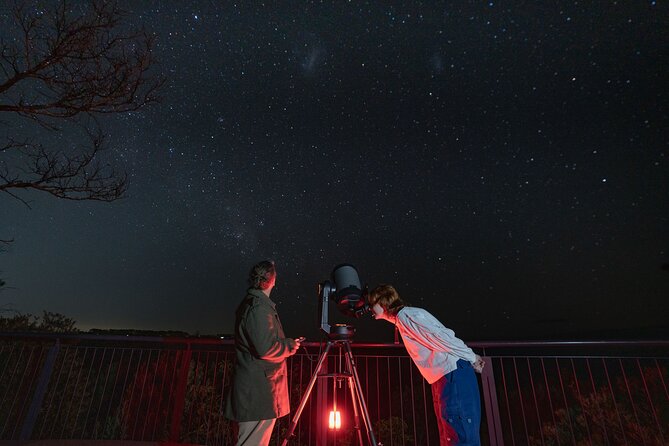
Look up, and Australia changes shape. This 90-minute Blue Mountains stargazing experience pairs a professional astronomer with a state-of-the-art telescope, giving you a clear introduction to the Southern Hemisphere sky. I like the laser-guided constellation stories and the chance to see objects such as Saturn’s rings, Jupiter’s moons, the Orion Nebula, and distant galaxies. I also like the warm drinks and blankets, small comforts that matter on a cold mountain night. The main catch is weather: clouds and wind can change the plan, and the bad-weather terms need careful attention before you book.
You meet at Wentworth Falls Lookout Track and return to the same point after the session. The experience costs $60.97 per person, runs for about 90 minutes, and normally has no more than 20 people. English and French are available, and the activity is wheelchair and stroller accessible, though outdoor conditions and the precise viewing spot may affect comfort.
Five things to know before you book
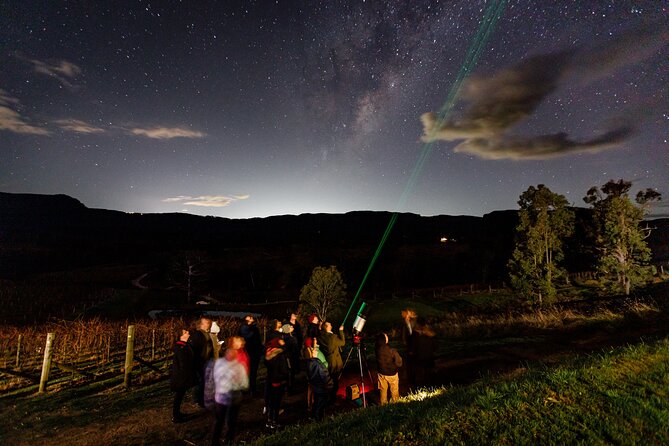
- You see the Southern Cross with fresh eyes: The session teaches you to identify Crux and other constellations without relying only on a telescope.
- The telescope is the main event: Depending on the season and sky conditions, you might view the Moon, planets, star clusters, double stars, galaxies, or the Orion Nebula.
- The guide makes the difference: Astrophysicist Nathan has received warm praise for his enthusiasm and clear explanations. Tom and Alka have also led engaging sessions.
- The weather decision comes at 1 p.m.: If you have not received an email by then, the outdoor stargazing session is confirmed.
- Hot chocolate is part of the charm: Warm drinks and blankets make the wait between telescope views easier on a chilly Blue Mountains evening.
Why stargazing works so well in the Blue Mountains
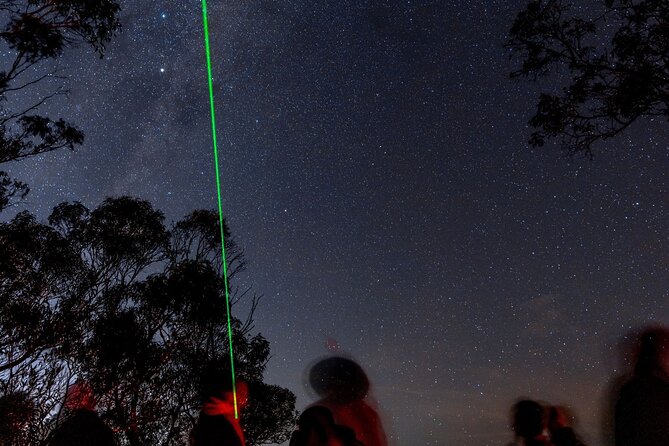
The Greater Blue Mountains are a World Heritage-listed setting, but the real attraction after sunset is the sky above it. Away from the bright city core, the darkness gives stars and constellations more room to show themselves.
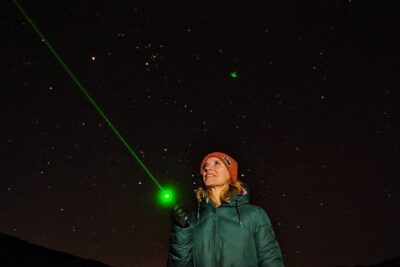
You do not need an advanced interest in astronomy. The session begins with the naked-eye sky, which is important. A telescope can show you a planet, nebula, or cluster, but first you need to know where to look. The astronomer uses a laser to point out constellations and explain how the stars relate to one another.
That approach helps you stay oriented. Instead of seeing a mass of tiny lights, you begin to recognize patterns. The Southern Cross is a particularly good example. One review described the pleasure of watching Crux appear as sunset faded through twilight, a useful reminder that the best part of the night may begin before full darkness.
The experience is also more social than simply setting up your own telescope in a park. You can ask questions throughout the session, and the 20-person maximum is small enough for an interactive feel. It is not a private viewing, but it should be more personal than a large auditorium presentation.
More Stargazing Tours in Australia:
- Pinnacles Desert: Sunset BBQ & Stargazing Tour +Sandboarding
★ 4.8 · 1,555 reviews - Pinnacles Desert Sunset Dinner and Stargazing Tour
★ 5.0 · 1,034 reviews - From Perth: Pinnacles Sunset and Stargazing Tour with Dinner
★ 4.7 · 803 reviews
From sunset to the first stars
The schedule lasts roughly 90 minutes, so you should expect a compact presentation rather than a full night of observing. The exact order depends on the season, cloud cover, wind, and which objects are visible.
The opening usually focuses on getting your bearings. You may learn the names and shapes of major constellations, then watch the sky change from sunset to twilight. This gradual shift is worth paying attention to. It lets you see stars appear in stages instead of arriving after dark and facing a sky that seems instantly full.
The Southern Cross is one of the strongest reasons to choose this experience if you are visiting from the Northern Hemisphere. It is a symbol of the southern sky, but it can be surprisingly hard to identify without help. The guide’s laser storytelling gives you a practical way to find it and understand its position.
The location can change if wind or other conditions make the lookout unsuitable. One session moved to a park because of strong wind. That is not necessarily a dealbreaker, but it means you should not assume every photograph or description reflects the exact spot used on your night.
Looking through the professional telescope
The telescope viewing gives the session its focus. You may look at the Moon, Mars, Venus, Saturn’s rings, Jupiter and its moons, the Orion Nebula, star clusters, double and triple stars, galaxies, or parts of the Milky Way.
The word may matters here. Astronomy is controlled by the date, the time, the position of the object, and the weather. The Moon can be spectacular but may wash out faint stars when it is bright. A planet might be below the horizon during your session. Clouds can block the best target just when you are ready to view it.
That uncertainty is part of real stargazing, but it is also the main difference between this experience and a fixed museum display. The astronomer has to work with the sky available on the night. A professional telescope improves your chances of seeing detail, yet it cannot order Saturn to appear at a convenient time.
The telescope is supported by astronomy binoculars. They can be useful for wider views of star fields and for showing how different optical tools reveal different details. You also receive time for questions, so you can ask about what you are seeing instead of simply moving through a line and peering at a view for a few seconds.
The group size matters here. With a maximum of 20 people, the telescope experience may still involve taking turns, particularly if the sky is busy with several visible targets. If you want a private, unhurried session at every object, this is not that. If you want expert guidance without needing to own or understand astronomical equipment, it offers good value.
The guide-led storytelling
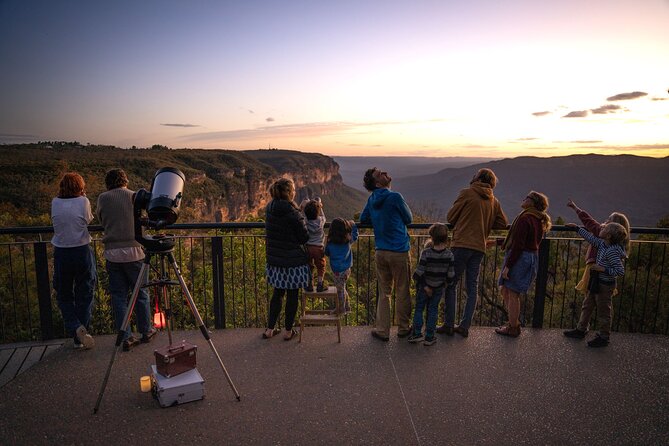
The astronomer is central to the experience. The provider describes the guide as an astrophysicist with more than ten years of experience, and the session includes both explanation and question time.
Nathan has been singled out for his enthusiasm and clear delivery. Tom and Alka have also led sessions praised for their friendly manner and willingness to answer questions. Those details matter because the telescope alone is not enough. A good guide turns a bright dot into something you can place in the wider story of the night sky.
The explanations are designed for ordinary visitors rather than only serious astronomy fans. You can arrive knowing little and still follow along. One particularly useful sign is that the experience combines naked-eye instruction, laser pointing, telescope viewing, binoculars, and open questions. You are not stuck with one style of teaching for the whole 90 minutes.
The atmosphere also appears to be relaxed. One person who expected to care more about the hot chocolate than astronomy still found the information accessible and fascinating. That is a fair description of the appeal: you can enjoy the science at your own level, without needing to prepare beforehand.
English and French are available. If language access matters to you, confirm your preferred language when booking, since the supplied information does not specify how each session is assigned.
Same dark sky, a different way to spend it:
- Pinnacles Sunset Stargazing Dinner Experience Small Group Tour
★ 4.5 · 396 reviews - Uluru: National Park Astronomy Tour with Telescope and Photo
★ 4.4 · 357 reviews - Perth: Pinnacles Desert Sunset & Stargazing with Dinner
★ 4.3 · 215 reviews - Pinnacle Desert Sunset and Night-time Stargazing Tour from Perth
★ 4.5 · 120 reviews
Hot chocolate, blankets, and mountain-night comfort
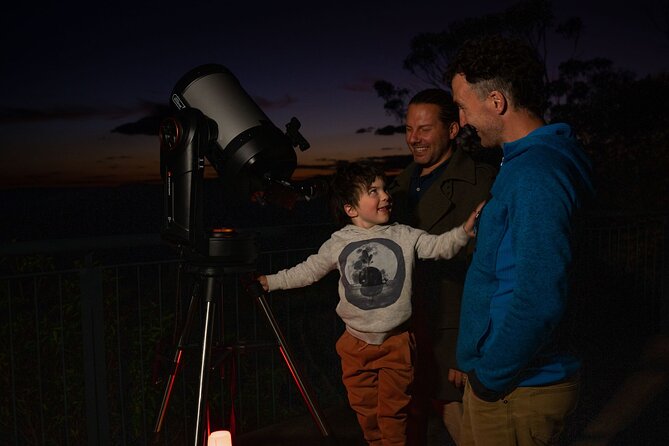
The practical comforts are easy to dismiss until you are standing outside after sunset. Warm or cold drinks are provided depending on weather, and hot chocolate is specifically included in the experience description. Warm blankets have also been available during sessions.
These touches do not turn the event into a luxury outing, but they make the format more pleasant. You may spend time waiting for a telescope to be adjusted, for a cloud to pass, or for darkness to deepen. A hot drink gives that pause a purpose and helps take the edge off the cold.
Wind is a separate issue. A blanket and hot chocolate cannot fix a gusty night, and the viewing point may move to a park if the lookout becomes uncomfortable. Wear clothing suited to outdoor conditions rather than assuming the drink station will keep you warm.
The experience is listed as wheelchair and stroller accessible, and service animals are allowed. It is also near public transportation. The information does not spell out the exact surface or route at the viewing point, so if you need specific mobility details, ask before arrival. Outdoor accessibility can vary with the chosen location and weather.
Price, group size, and overall value
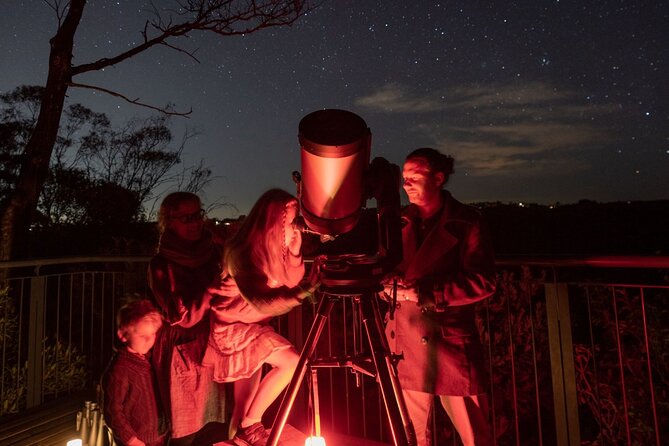
At $60.97 per person, this is priced above a simple lookout visit but below a private astronomy lesson. The value comes from the equipment and the guide. You are paying for access to a professional telescope, astronomy binoculars, a structured explanation of the Southern Hemisphere sky, and the chance to ask an astrophysicist questions.
It is especially worthwhile if you would otherwise struggle to identify constellations or know where to point your phone. The guide helps you find the important features, while the telescope gives you a chance to see objects that are difficult to observe with the naked eye.
The value is less certain if you want guaranteed views of one particular planet. Astronomy cannot promise that. You may see a superb object, or you may spend more time learning the sky and viewing whatever conditions allow. I would book this for the guided experience first and the specific telescope targets second.
The maximum group size is 20. That keeps the outing manageable, but it does not mean every person receives a long private look through the telescope. The 90-minute duration is enough for a useful introduction, though keen amateur astronomers may want a longer or more specialized session.
The experience is booked, on average, 24 days ahead. That suggests you should not leave it until the last evening of a Blue Mountains visit, especially if your schedule is tight.
Weather rules you should understand
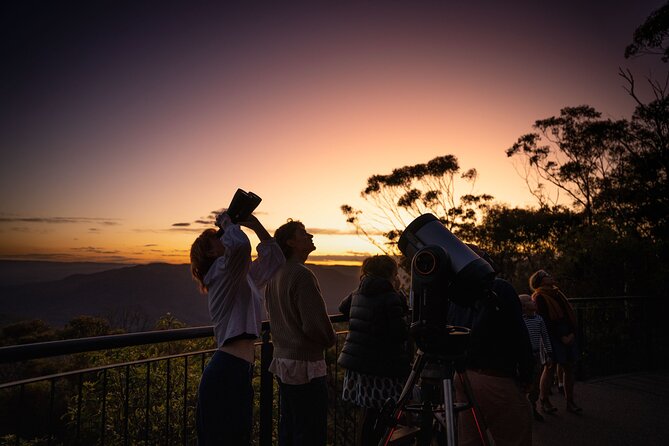
Weather is the biggest practical concern. At 1 p.m. on the day of the experience, you receive one of two outcomes. If you have not received an email by that time, the outdoor stargazing tour is confirmed.
In bad weather, you are offered a choice of a transferable gift voucher or credit to reschedule. The credit is valid for three years. The second option is an indoor 90-minute Planetarium Astronomy tour, held inside a dome with a powerful projector and cinema-style presentation. The indoor session requires at least eight people to run.
There is an important inconsistency in the supplied booking terms. One section says no refund is offered for bad weather, while the cancellation policy says that if the provider cancels because of poor weather, you may be offered another date or a full refund. Because those statements do not match, ask the provider to confirm the current weather policy before paying.
The general cancellation rule is strict: the booking is non-refundable and cannot be changed for personal reasons. If the minimum number of people is not reached, the provider says you will be offered another date, another experience, or a full refund.
Who will enjoy this experience most?
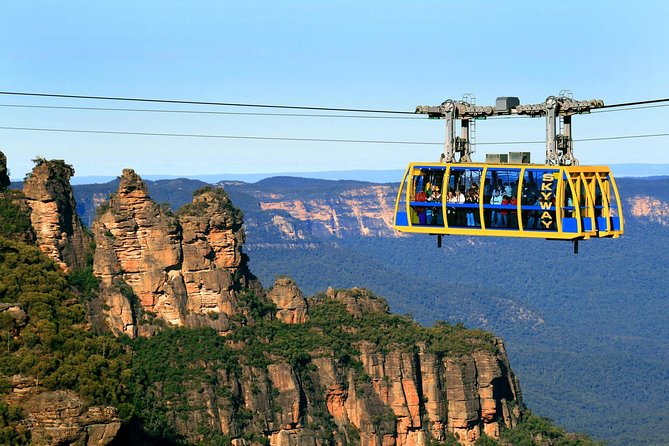
I would recommend it to first-time stargazers, families, couples, and anyone visiting the Blue Mountains who wants an evening activity beyond the usual daytime lookouts. It also suits people who enjoy asking questions and learning by seeing rather than reading a long astronomy display.
It is a strong choice for Northern Hemisphere visitors who want to recognize southern constellations. The first sight of the Southern Cross can be a memorable travel moment, especially when the guide shows you how to find it for yourself.
Children can take part, and strollers are supported, but the night setting, outdoor conditions, and 90-minute duration may not suit very young children who tire quickly. Astronomy fans may enjoy it too, though they should understand that this is an introductory public session rather than a private observing workshop.
I would be more cautious if you have only one possible night and would be very disappointed by clouds. The provider offers alternatives, but an indoor planetarium session is not the same as seeing real stars overhead.
Should you book Blue Mountains Stargazing?
Book it if you want a friendly, guided introduction to the Southern Hemisphere sky, especially if you have never used a serious telescope. The combination of Crux, laser-guided constellations, astronomy stories, telescope targets, hot chocolate, and question time gives you more than a simple night at a lookout.
I would skip it only if your plans cannot handle a weather change, or if you need a guaranteed view of a particular planet. For everyone else, the price is reasonable for the equipment and expert guidance, and the experience offers something genuinely tied to the Blue Mountains after dark.
FAQ
How long does the stargazing experience last?
The outdoor stargazing session lasts approximately 90 minutes.
Where does the experience start and finish?
It starts at Wentworth Falls Lookout Track in New South Wales and finishes back at the same meeting point.
How much does the experience cost?
The listed price is $60.97 per person.
What might I see through the telescope?
Depending on the night and time of year, you might see the Moon, Mars, Venus, Saturn’s rings, Jupiter’s moons, the Orion Nebula, star clusters, double or triple stars, galaxies, and parts of the Milky Way.
What happens if the weather is bad?
At 1 p.m. on the day, you may be offered a transferable voucher or credit to reschedule, or an alternative 90-minute indoor planetarium experience. The indoor tour requires a minimum of eight people. Because the supplied terms give different information about refunds, confirm the current policy before booking.
Is the activity accessible?
The experience is listed as wheelchair and stroller accessible. Service animals are allowed, and the location is near public transportation.
How many people can join the session?
The maximum group size is 20 people.
Just added around Australia
- Vincentia: Jervis Bay Beach Stargazing with an Expert★ 4.9 · 19 reviews
- Blue Mountains: Stargazing with a Telescope and Astronomer★ 4.4 · 21 reviews
- Gold Coast: Glow Worms, Sunset & Stargazing with BBQ dinner★ 4.5 · 3 reviews
- Pinnacles Desert Sunset Stargazing Adventure Tour from Perth★ 5.0 · 25 reviews
- Jervis Bay Beach Stargazing Tour with our Astronomer★ 5.0 · 35 reviews
- Brisbane: Glow Worms, Sunset, Telescope Stargazing & Dinner★ 4.0 · 15 reviews
- Exmouth: Summer Sunset Turtle Watching and Stargazing Tour★ 5.0 · 2 reviews
- Esperance: Astronomy Night Experience★ 5.0 · 5 reviews
Stargazing Tours, compared.
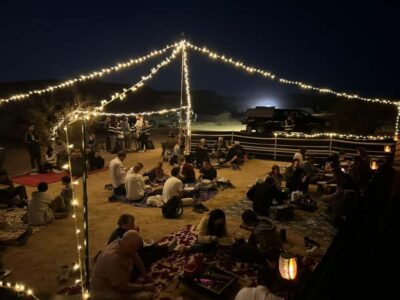
Dubai Red Dunes ATV, Camels, Stargazing & 5* BBQ Al Khayma Camp
Read our review →
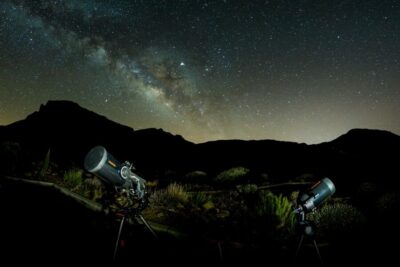
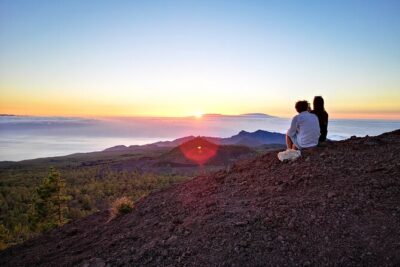
Teide National Park Sunset & Stargazing with Dinner (Star Safari)
Read our review →
Sunset Camel Trek, Al Khayma Camp, Stargazing & BBQ
Read our review →
Overnight Safari, Dinner, Stargazing & Al Khayma Camp
Read our review →
Dubai Overnight Desert Safari, BBQ & Stargazing at Al Khayma Camp
Read our review →Browse the lists this tour appears in