
Review · AUSTRALIA
Esperance: Astronomy Night Experience
Look up, and Esperance gets much bigger. Ningaloo Stars brings you to a dark sky location for a two-hour astronomy evening with laser-guided constellation tours, premium telescopes, and stories that connect science with cultures around the world. It is less a formal lecture than a friendly night outdoors, with plenty of time to look, ask questions, and get your bearings under the southern sky.
I like the small telescope groups, with no more than five people sharing each instrument. I also like the way Paul and Hannah combine astronomy with history, traditional star stories, and modern science. The main consideration is simple: this is a two-hour introduction, not an advanced observing course, so serious astronomy fans may want more detail and longer time at the eyepiece.
The setting does much of the work. From one of Australia’s darkest locations, the stars have room to show themselves. You will also want to plan for an outdoor evening, follow the rules about no flashlights or flash photography, and arrange your own transport to the car park meeting point.
Key things to know before you book
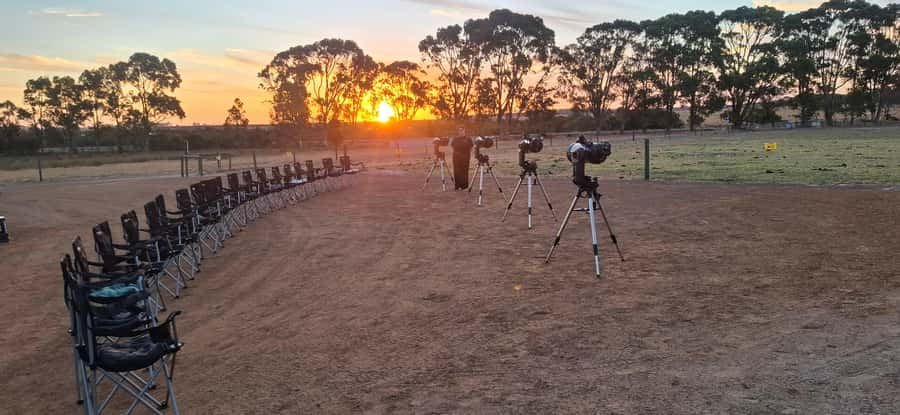
- Three telescopes may be available: A recent evening with Paul and Hannah used three telescopes, helping keep waiting time short for the small group.
- No more than five people per telescope: You get a proper turn at the eyepiece rather than a quick glance before moving aside.
- The evening mixes science and culture: Constellations are explained through current astronomy and traditional stories from local and world cultures.
- Simple comforts are included: Seating is provided, and one recent evening included blankets, hot chocolate, and a chocolate bar.
- The experience suits beginners: The explanations are clear and welcoming, but one two-hour session may feel like a first taste for keen astronomy fans.
- The price is $60 per person: That is fair value if you want guided access to quality equipment rather than simply finding a dark place and looking up yourself.
Starting in Esperance under a proper dark sky
The Ningaloo Stars team meets you in the car park when you arrive. Transport is not included, so you need to drive yourself or arrange another way to reach the meeting point. The exact start time changes, so check availability when booking.
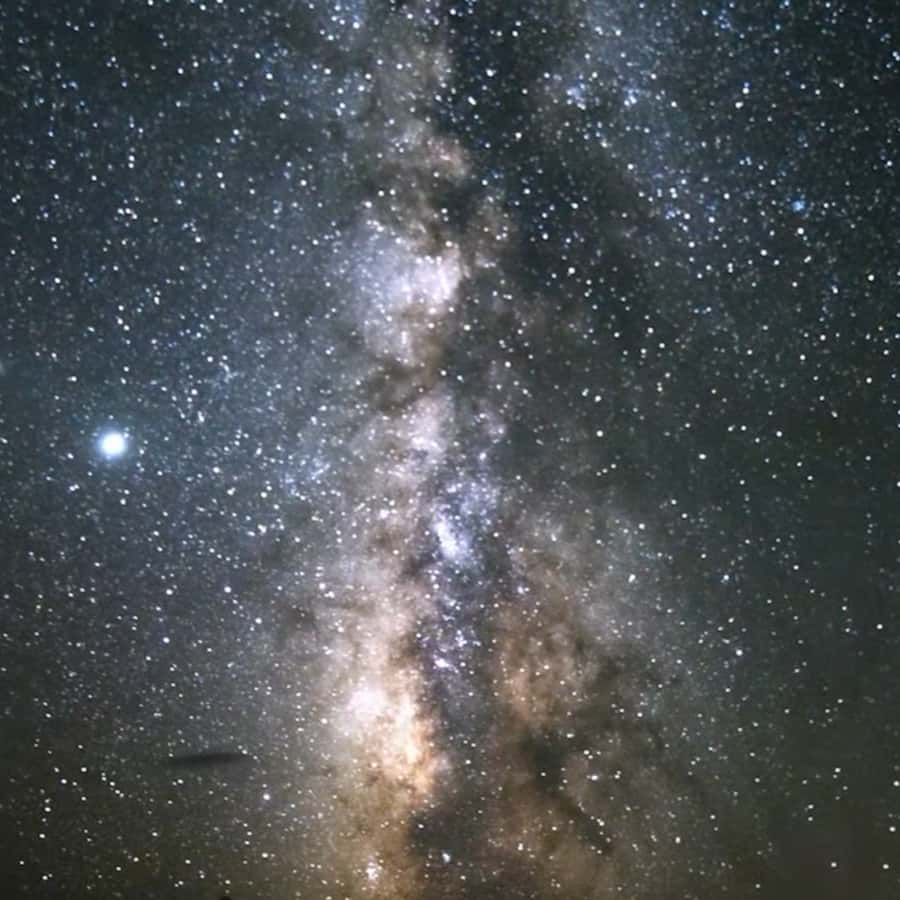
That meeting point matters more than it might sound. Astronomy depends on darkness, and a dark sky location gives the evening a better chance of showing the Milky Way, planets, star clusters, and other objects that are hard to pick out near bright town lights. You are not just attending a talk indoors with a few star pictures on a screen. The sky above you is the main attraction.
The experience lasts two hours. That is long enough for a guided tour, telescope viewing, and questions without turning into a late-night endurance test. Still, you should dress for sitting outside after sunset. Seating is supplied, and blankets have been part of the welcome on at least one recent evening, but the supplied information does not specify the full range of facilities or weather arrangements.
Smoking, vaping, alcohol, drugs, flash photography, and flashlights are not allowed. These rules protect the dark conditions and help keep the group comfortable. A phone screen or bright torch can ruin another person’s view just as they are trying to spot a faint object, so take the restrictions seriously.
More Stargazing Tours in Australia:
- Pinnacles Desert: Sunset BBQ & Stargazing Tour +Sandboarding
★ 4.8 · 1,555 reviews - Pinnacles Desert Sunset Dinner and Stargazing Tour
★ 5.0 · 1,034 reviews - From Perth: Pinnacles Sunset and Stargazing Tour with Dinner
★ 4.7 · 803 reviews
The laser tour gives the sky some order
A dark sky can be wonderful, but it can also be confusing. At first, you may see a mass of bright points with no clear idea where to begin. The laser-guided part of the evening gives you a map.
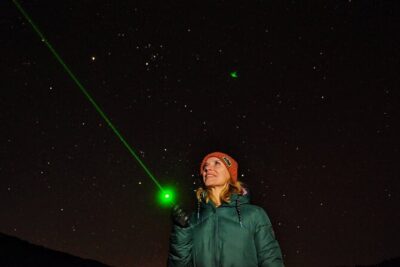
Your guide traces constellations, planets, and the Milky Way with a laser, then explains the seasonal highlights in plain language. This is especially useful if you are new to stargazing. Instead of being handed a list of names, you get help understanding where to look and how different parts of the sky relate to one another.
The guide-led format also keeps the evening moving. You are not left to guess which faint patch is a nebula or which bright point is a planet. The session offers context before you reach the telescope, which makes the later viewing more rewarding.
The exact objects on view will depend on the season, conditions, and what is visible that night. The experience specifically mentions planets, star clusters, nebulae, galaxies, and the Milky Way, but no fixed object list is promised. That is a good thing in one sense. Astronomy should respond to the actual sky rather than force a rigid script.
Telescope time is the strongest part
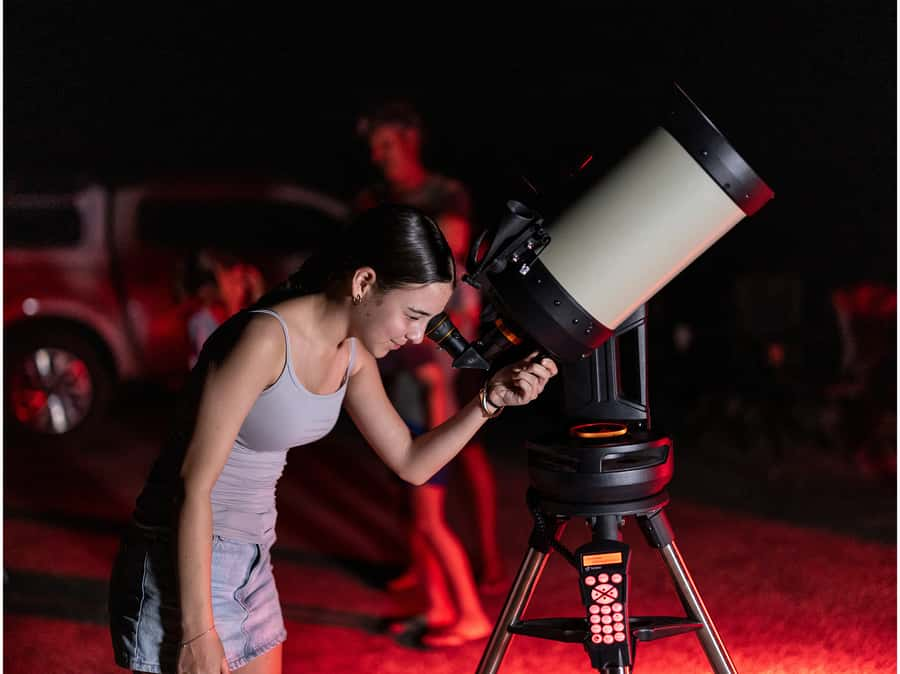
The telescopes are premium instruments, and the group size is limited to five people per scope. That small number is one of the best reasons to choose this experience instead of a large public stargazing event.
At a crowded telescope, you may wait several minutes for a brief look, then feel pressure to step away. Here, you have a better chance to settle at the eyepiece and take in what you are seeing. A recent evening had three telescopes available, which helped keep the line short even within a small group.
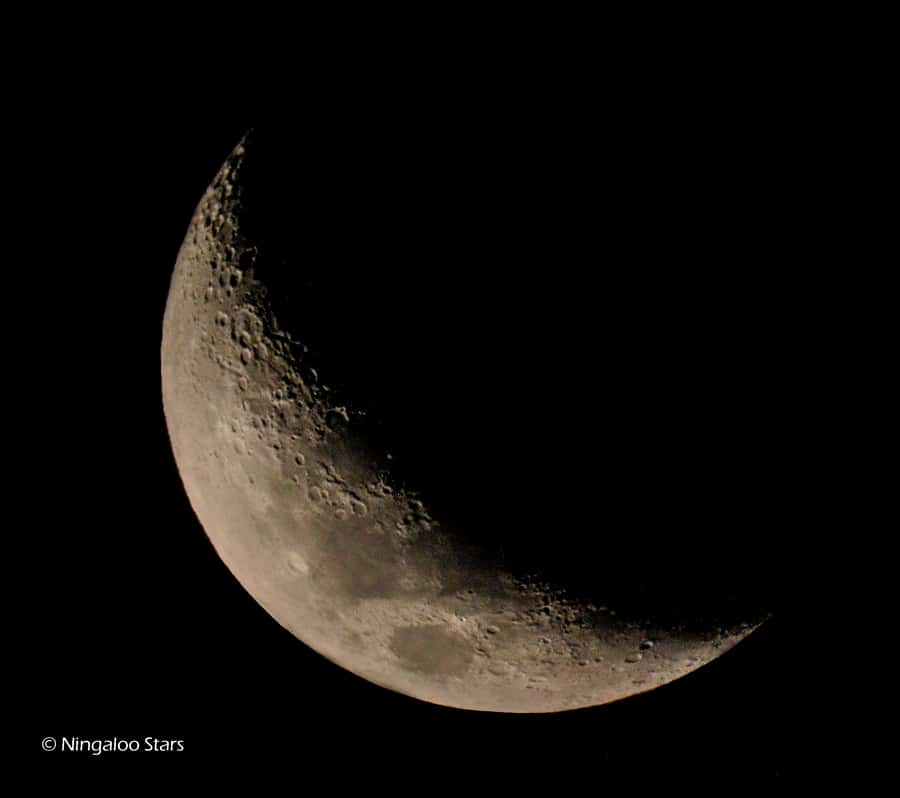
The telescopes are used to show objects that are invisible to the naked eye. Depending on the night, you might look at a planet, a star cluster, a nebula, or a galaxy. You should keep your expectations realistic: telescope views are not identical to colourful space photographs. The value is in seeing a distant object directly, with a guide explaining what makes it worth your attention.
This arrangement is also good for families and mixed groups. One person can ask a basic question while another wants more detail, and the evening remains shared rather than split into separate levels. The experience welcomes first-time stargazers as well as people with more experience.
One point for keen observers: a two-hour session may leave you wanting more. Justin described the evening as a good introduction and wanted the chance to study the subject in greater depth later. That is a useful way to judge the tour. It works very well as a first astronomy experience, but it may not satisfy someone seeking a long technical observing session.
Paul and Hannah bring more than star charts
The people guiding the evening matter. Paul and Hannah received especially warm praise for making the night both informative and enjoyable. Their approach includes astronomy, history, and science, so the session does not stop at naming constellations.
Traditional star stories from local and world cultures are placed alongside contemporary scientific explanations. That gives you more than one way to think about the sky. A constellation can be a pattern used in modern astronomy, a guide for finding other objects, and part of a much older cultural story.
This mix is valuable because it keeps the evening human. Science explains distance, light, planets, and galaxies. Cultural stories show how people in different places have watched the same sky and given it meaning. You do not need prior knowledge to follow along, and the guides aim to make the material clear for all levels of interest.
The presentation also sounds relaxed rather than stiff. You can expect a hosted evening with explanations and conversation, not a silent session where you are expected to know the rules. English is the only listed language, so the experience is best suited to people comfortable following an English-speaking guide.
Same dark sky, a different way to spend it:
- Pinnacles Sunset Stargazing Dinner Experience Small Group Tour
★ 4.5 · 396 reviews - Uluru: National Park Astronomy Tour with Telescope and Photo
★ 4.4 · 357 reviews - Stargazing with an Astronomer in the Blue Mountains
★ 5.0 · 243 reviews - Perth: Pinnacles Desert Sunset & Stargazing with Dinner
★ 4.3 · 215 reviews
Small comforts make a cold night easier
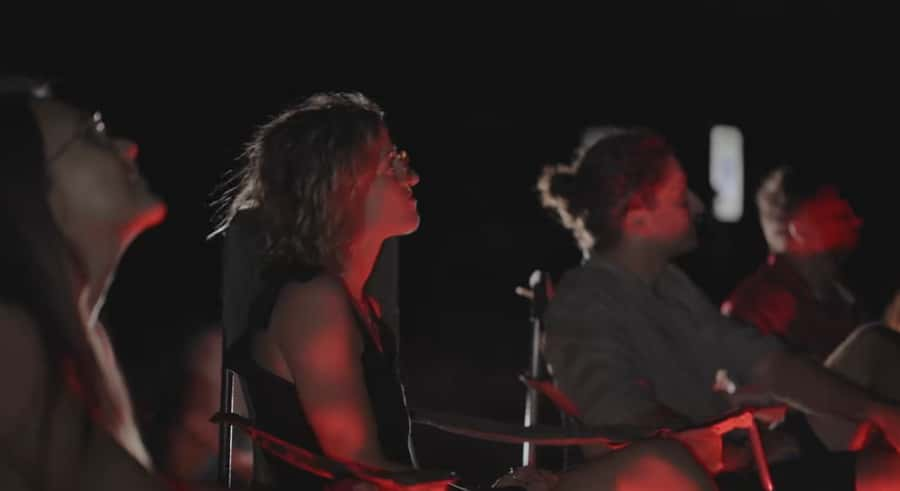
A telescope is the main reason to book, but practical comforts can shape your memory of the evening. Seating is included, which lets you look up without standing for the entire two hours.
On one recent evening, the welcome also included blankets, hot chocolate, and a chocolate bar. These are modest touches, but they suit the setting. A warm drink can make it easier to stay focused when the air cools, and a small snack prevents the session from feeling like a test of endurance.
Meals are not included, and alcohol is not part of the experience. You should eat beforehand if you need a full dinner. Personal expenses are also your responsibility.
The supplied information does not promise blankets or hot chocolate at every session, so treat them as pleasant additions rather than guaranteed inclusions. The confirmed features are seating, the hosted astronomy session, the laser tour, and access to the telescopes.
Is $60 good value?
At $60 per person, this is not the cheapest way to look at stars. You can always find a quiet place, lie back, and watch the sky without paying an admission fee. But that comparison misses the main service here: you get a guide, a structured explanation, quality equipment, cultural storytelling, and a fair amount of telescope access.
I think the price works best for visitors who want help making sense of the sky. The laser tour gives you a starting point, and the telescope lets you see objects that would otherwise remain out of reach. The small group arrangement adds real value because your viewing time is less likely to be rushed.
For a family, couple, or small group of friends, $60 buys a focused evening rather than a general attraction. For an experienced amateur astronomer who already owns good equipment and knows the seasonal sky, the value may be lower. You are paying for guidance and access, not for an equipment-heavy technical workshop.
The five existing ratings are all 5 out of 5, which fits the experience’s clear strengths: personal guiding, a welcoming tone, and good telescope access. You should still remember that satisfaction depends on your expectations. Beginners are likely to get the most from the format, while advanced observers may want a longer or more specialised session.
Who will enjoy this Esperance evening?
This is a strong choice for:
- First-time stargazers who want an easy introduction
- Families with children who can remain with an accompanied adult
- Couples looking for a calm evening activity
- Visitors interested in both science and cultural stories
- People who prefer a small group to a large public event
- Anyone who wants to see the southern sky with proper equipment
Unaccompanied minors are not allowed. The experience is wheelchair accessible, and the organisers aim to include people of different ages, backgrounds, interests, and accessibility needs. If you have a specific access requirement, it is sensible to confirm the details before booking, since the available information does not describe the exact terrain or facilities at the car park.
This is less suitable for anyone wanting a meal, transport, alcohol, or an all-night astronomy session. It is also not the right pick if you dislike sitting outdoors at night or need a fully fixed itinerary.
How to prepare for the two hours
Arrive ready for darkness and outdoor conditions. Wear warm clothing and comfortable layers, even if the day has been mild. Seating is provided, but you will still be outside for much of the session.
Keep your phone brightness low and leave the flashlight at home. Flash photography and flashlights are prohibited, and that rule protects everyone’s night vision. If you want photographs, ask the guide what is acceptable, but do not assume ordinary phone photography will work in the dark.
Eat before you arrive because meals are not included. You can also plan your evening around the provided hot chocolate and chocolate bar, but those treats should not be treated as a full snack or dinner.
Most of all, arrive with patience. The sky does not always perform on command, and the objects visible can change. The guides can explain what you are seeing, but they cannot guarantee a particular planet, galaxy, or nebula on every date.
Should you book Ningaloo Stars?
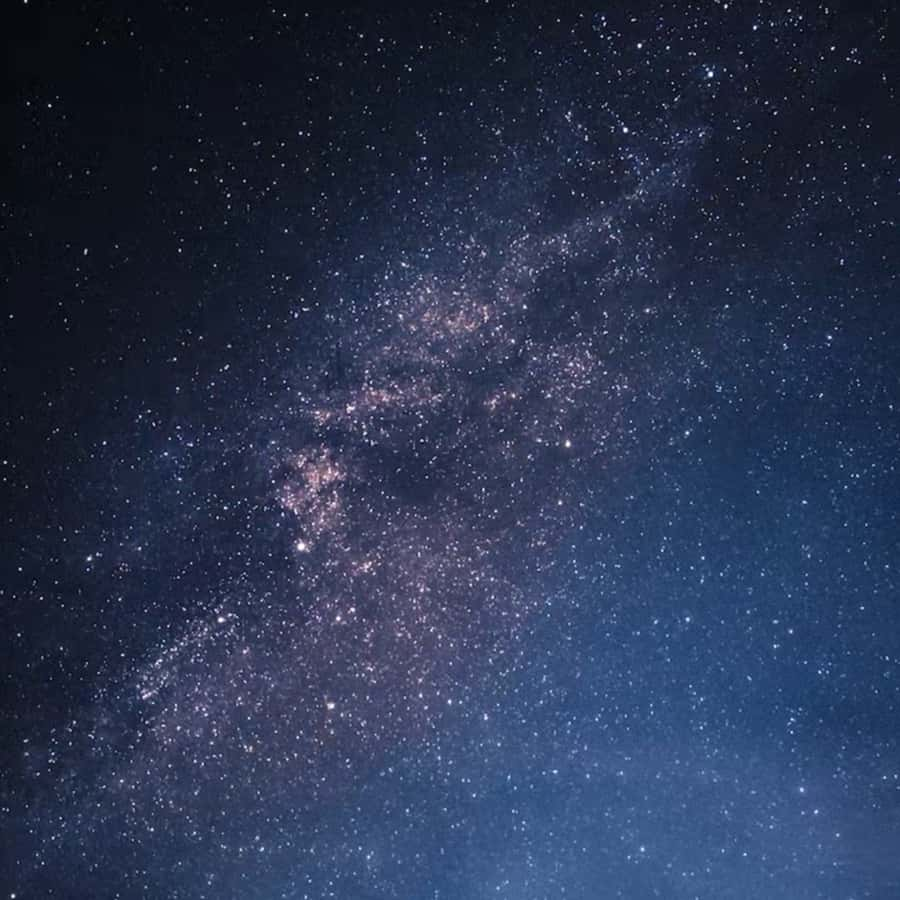
Book it if you want a friendly, small-group introduction to the southern night sky, especially if you are visiting Esperance and do not own a telescope. The combination of a dark sky location, laser guidance, cultural stories, and up to five people per telescope gives the $60 price a solid purpose.
I would be most likely to recommend it to first-time stargazers, families, and couples who want something quieter than a standard sightseeing activity. Paul and Hannah’s mix of history, science, and astronomy also makes the night more memorable than a simple equipment demonstration.
Think twice if you are looking for advanced astronomy training or a long observing session. Two hours can give you a satisfying first taste, but it may leave serious sky-watchers asking for more. For most visitors, though, that is a good problem to have: you leave with a better sense of the sky and a reason to keep looking up.
FAQ
Where does the Esperance Astronomy Night Experience take place?
It takes place in Esperance, Western Australia, at a dark sky location. The Ningaloo Stars team meets you in the car park when you arrive.
How long does the astronomy experience last?
The session lasts two hours. Starting times vary, so you need to check availability for your chosen date.
How much does it cost?
The price is $60 per person.
Is transport included?
No. You are responsible for getting to and from the meeting point.
What can I see through the telescopes?
The telescopes may show planets, star clusters, nebulae, galaxies, and other objects that are not visible to the naked eye. The exact sights depend on the seasonal sky and viewing conditions.
How many people share each telescope?
No more than five people use each telescope, giving everyone time at the eyepiece.
Is the experience suitable for beginners?
Yes. The guide explains constellations and seasonal highlights in a clear way for all levels of interest, including first-time stargazers.
Is the experience wheelchair accessible?
Yes. It is listed as wheelchair accessible.
What language is the tour conducted in?
The live tour is conducted in English, and English is the only listed language.
What should I not bring or use during the session?
Smoking, vaping, flash photography, alcohol, drugs, and flashlights are not allowed. Unaccompanied minors are also not permitted.
Is cancellation available?
Yes. You can cancel up to 24 hours in advance for a full refund. You can also reserve now and pay later, which keeps your plans flexible.
Just added around Australia
- Vincentia: Jervis Bay Beach Stargazing with an Expert★ 4.9 · 19 reviews
- Blue Mountains: Stargazing with a Telescope and Astronomer★ 4.4 · 21 reviews
- Gold Coast: Glow Worms, Sunset & Stargazing with BBQ dinner★ 4.5 · 3 reviews
- Pinnacles Desert Sunset Stargazing Adventure Tour from Perth★ 5.0 · 25 reviews
- Jervis Bay Beach Stargazing Tour with our Astronomer★ 5.0 · 35 reviews
- Brisbane: Glow Worms, Sunset, Telescope Stargazing & Dinner★ 4.0 · 15 reviews
- Exmouth: Summer Sunset Turtle Watching and Stargazing Tour★ 5.0 · 2 reviews
- Brisbane: Glow Worms, Sunset, Star Gazing & BBQ★ 4.4 · 26 reviews
Stargazing Tours, compared.
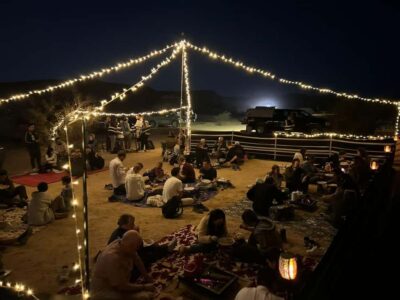
Dubai Red Dunes ATV, Camels, Stargazing & 5* BBQ Al Khayma Camp
Read our review →
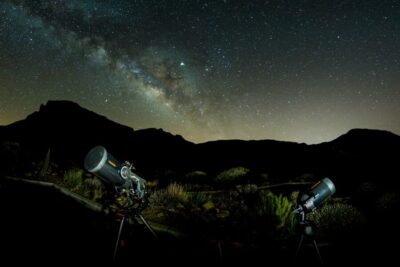
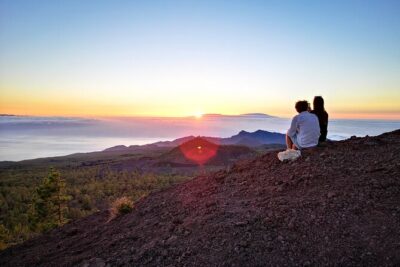
Teide National Park Sunset & Stargazing with Dinner (Star Safari)
Read our review →
Sunset Camel Trek, Al Khayma Camp, Stargazing & BBQ
Read our review →
Overnight Safari, Dinner, Stargazing & Al Khayma Camp
Read our review →
Dubai Overnight Desert Safari, BBQ & Stargazing at Al Khayma Camp
Read our review →Browse the lists this tour appears in