
Review · JASPER
Planetarium and Telescope Combo Tour
The sky is the main event. Jasper’s Planetarium and Telescope Combo Tour mixes a 35-minute dome presentation with outdoor telescope viewing, Aurora science, Indigenous star stories, and a look at the universe from Rocky Mountain glaciers to its farthest edge. I like the friendly local guides and the chance to handle Moon and Mars rocks. The main catch is simple: clear skies make a huge difference.
I also like the easy setting at Fairmont Jasper Park Lodge, with free parking and several evening start times. The included two-year rain check is useful, but it may not help much if you are on a one-time Canadian holiday and will not return to Jasper.
At a glance: what matters most
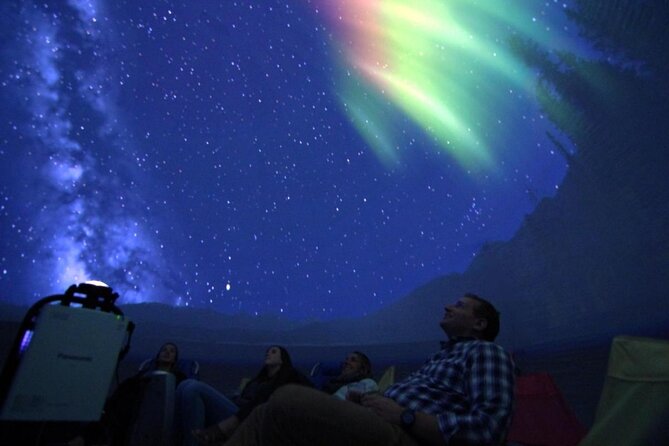
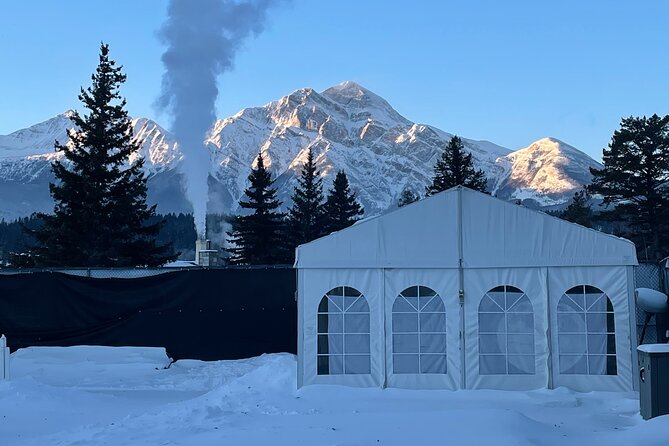
- The dome is not a conventional observatory building: Recent visitors describe a tent-based setup with a projector, despite the 38-seat dome theatre format.
- The telescope portion depends heavily on weather: Clear skies may bring views of planets, stars, or even the Aurora Borealis. Clouds mean 4K replay footage instead.
- The guides are a major strength: Staff such as Kaitlyn, Tyler, Emma, and others have been praised for their enthusiasm, clear explanations, and warmth.
- You will spend time standing outdoors: Wear warm layers, gloves, and sturdy shoes. This is not a sit-down evening from start to finish.
- The tour costs $68.61 per person: That is fair if you value the presentation and live telescope session, but it feels expensive if clouds cancel the outdoor viewing.
- The group can reach 34 people: The dome itself has 38 seats, while the telescope portion may feel less orderly when several groups gather outside.
A short evening with a lot packed in
The full program lasts about 1 hour and 30 minutes. It begins at the Main Lodge of Fairmont Jasper Park Lodge, at 1 Old Lodge Road in Jasper, Alberta, and ends back at the same meeting point.
The first section takes place inside the planetarium dome and lasts about 35 minutes. The second section takes you outdoors for roughly 45 minutes. The timing gives you a neat progression: first understand the sky through a guided show, then look upward and try to identify some of it for yourself.
I would think of this as an educational night activity with a chance for real stargazing, not as a guaranteed Northern Lights excursion. Aurora viewing is never promised, and clouds can affect both the stars and the lights.
More Planetarium Visits in Canada:
- Jasper: Jasper Planetarium and Telescope Combo Tour Tickets
★ 3.8 · 118 reviews - Jasper: Jasper Planetarium Dark Sky Experience
★ 4.2 · 11 reviews - Jasper: Planetarium Indoor Dome Experience
★ 3.9 · 8 reviews
Inside Jasper’s 35-minute dome presentation
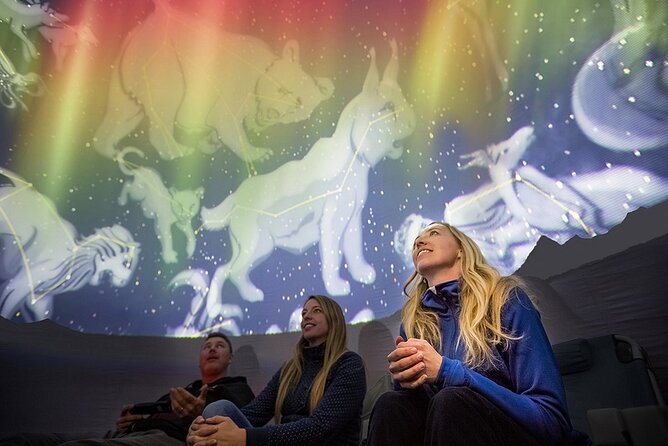
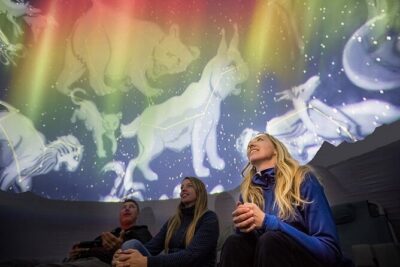
The dome show is more than a standard list of planets. You move from Indigenous constellations and stories to the Northern Lights over mountain peaks, then out toward the edge of the universe before returning to Earth.
That range makes the presentation suitable for mixed groups. Children can follow the moving images and big ideas, while adults who enjoy astronomy may appreciate the more technical explanation. One particularly strong feature is the inclusion of First Nations information and stories, which gives the show a sense of place rather than treating Jasper as just another dark location.
The guides also leave room for questions after the presentation. That matters because a filmed show can feel passive. Here, the local astronomy guides can explain what you have seen and adjust the conversation to the group.
Kaitlyn has been praised for her narration and ability to keep the audience involved. Tyler and Emma have also been singled out for being personable, clear, and enthusiastic. The quality of the presentation depends partly on your guide, but the staff generally come across as people who enjoy their subject.
There is one important expectation to set before you arrive. Do not picture a large permanent science museum or a full observatory complex. Recent accounts describe the planetarium as a tent outfitted with a projector, located close to the lodge. The dome can still provide an entertaining show, but the physical setup may feel modest compared with the price if you expected a substantial building.
A few people also felt the presentation leaned toward children. I would agree that families are likely to get the most obvious fun from the visual format, but adults with an interest in space should still find enough substance, especially in the Indigenous astronomy section, Aurora science, and question period.
The 45-minute telescope session outdoors
After the dome, you head outside for the telescope portion. Put on your warmest clothes before leaving the lodge. Even in summer, Jasper evenings can be cold, and the outdoor section involves standing for extended periods.
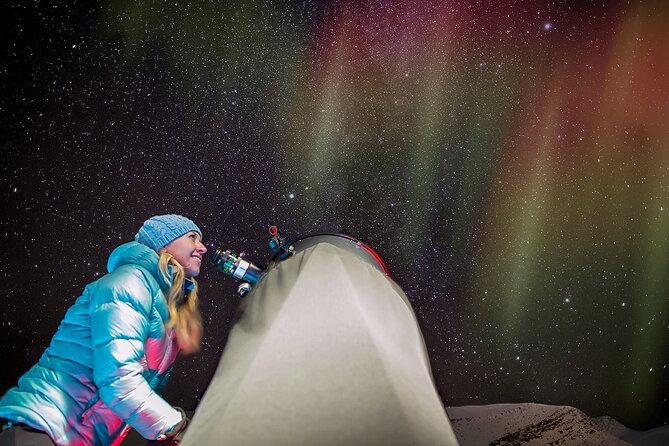
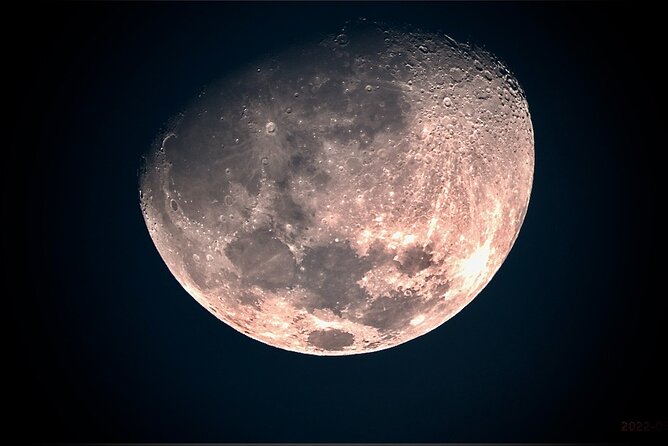
On a clear night, the team guides you between some of the most powerful telescopes in the Rocky Mountains. You might see stars, planets, or other night-sky targets. Saturn and its rings have provided a memorable sight for some people, and the chance to view a real object through a telescope is a different experience from watching a projected image.
The telescopes are also a good reason to ask questions. The guides explain the science behind the Aurora Borealis and offer practical advice on photographing it. If you bring a camera or phone, listen closely to this section, since Aurora photography requires more than simply pointing and pressing the shutter.
You may also get to handle a Moon rock and a Mars rock. Those objects add a physical element to the program and help connect the distant subjects on the screen with something you can actually touch.
Clear skies are not guaranteed. If clouds block the telescopes, the staff show 4K replays recorded during clear conditions. That keeps the program moving, but it is not equal to seeing Saturn or a live star field yourself. The two-year rain check applies when poor weather prevents the intended viewing, though this policy is much more useful to people living nearby than to those making a single visit to Jasper.
Why the weather policy matters
Weather is the deciding factor in the value of this tour. The planetarium presentation can go ahead in clouds, but the telescope session becomes a substitute video program. You still receive explanations about the sky, the Aurora, and photography, yet the live element is gone.
This is not a minor detail. Some people have described the cloudy-night version as worthwhile because the guides remained engaging and the astronomy information was strong. Others felt they paid for live stargazing and received too little in return.
The tour offers a two-year rain check, and the cancellation terms also state that if the activity is canceled because of poor weather, you may receive a different date or a full refund. The practical point is to clarify the policy at booking and pay attention to the weather forecast before you go. If you are already in Jasper and the sky looks poor, ask what will operate that evening and what remedy applies.
I would not book this as your only plan for seeing the Northern Lights. The Aurora is unpredictable, and even a clear sky does not guarantee activity. Some people have seen a fine display during the tour, while others later found a better view from their lodge near the lake.
More Telescope Stargazing in Canada:
- Teide by Night: Sunset & Stargazing with Telescopes Experience
★ 4.5 · 1,492 reviews - Uluru: National Park Astronomy Tour with Telescope and Photo
★ 4.4 · 357 reviews - Teide National Park: Guided Large Telescope Stargazing Tour
★ 4.9 · 319 reviews - Levi: Northern Lights Tour and Stargazing by Telescope
★ 4.6 · 183 reviews
The setting at Fairmont Jasper Park Lodge
The location is convenient if you are already staying at Fairmont Jasper Park Lodge or have a car. Free parking is included, and the activity begins and ends at the Main Lodge.
If you are staying elsewhere in Jasper, check your transportation plan carefully. One person found the trip costly after needing a taxi to and from the lodge. The tour itself does not include food or drink, and there is no indication that transportation from town is included.
The lodge setting gives the activity an easy, resort-based feel. You do not need to drive into a remote backcountry site, which can be a real advantage after a day of hiking. The tradeoff is that lodge lighting and nearby groups may affect the outdoor viewing. The telescope session can feel crowded or less orderly when several groups gather in the same dark area.
Follow staff instructions closely once you are outside. Group members have sometimes been asked to follow a particular guide, but it can be difficult to see who you are meant to follow in the dark. Stay close to your group and ask for help if you lose sight of the guide.
Group size, comfort, and accessibility
The activity allows up to 34 people, while the dome theatre has 38 seats. That is a manageable size indoors, though the outdoor telescope section may feel busier because people gather around a limited number of scopes.
The program is not ideal if you have trouble standing for long periods. The outdoor portion involves waiting and moving between viewing points, and chairs are not guaranteed. Bring a warm coat, hat, gloves, and sensible footwear. Gloves are especially useful, since you may be outside for nearly three quarters of an hour.
Service animals are allowed, and most people can participate. The activity is offered in English, so you should be comfortable following spoken explanations in English.
Families can enjoy the format, particularly the moving dome show and hands-on meteorite material. Couples and solo visitors may also like it as a low-key evening activity, especially if they have an interest in science. People looking for a polished observatory with extensive exhibits may find the setup too basic.
Is $68.61 per person good value?
At $68.61 per person, the price sits in the middle ground between a simple lodge activity and a major paid attraction. The value is strongest when you receive all of the following:
- A lively dome presentation
- Useful Aurora and photography advice
- A clear night with live telescope viewing
- Time for questions with the guides
- A memorable sight such as Saturn’s rings or the Northern Lights
On a cloudy night, you still receive the dome show, the outdoor astronomy talk, 4K replay footage, and the chance to handle Moon and Mars rocks. That has value, especially for families who want an educational activity close to the lodge. Still, the experience can feel overpriced if your main reason for booking is live stargazing and the sky is completely covered.
I see the price as reasonable for people who enjoy astronomy and understand the weather risk. I would be more cautious if you are mainly chasing the Aurora or expect a large, permanent planetarium building.
How to make the most of your evening
Choose the clearest evening available if you have flexibility. The tour offers several evening start times, so compare them with sunset and the forecast. A darker time may be better for stars, while an earlier start may still work as a family activity if daylight remains.
Arrive early enough to find the correct check-in point at the Main Lodge. The lodge grounds and activity areas can be confusing, and unclear directions caused trouble for at least one party. If there is any doubt about your scheduled time, confirm it before entering the dome.
Dress for a cold night even in warmer months. The outdoor section is not a quick step outside for a single telescope glance. You may stand around while the guides organize the group and rotate people through the scopes.
Keep your expectations realistic. The dome is a compact, projector-based presentation rather than a large observatory show. The telescope session is weather-dependent, and the Aurora is never guaranteed. With those limits understood, the tour can be a pleasant and useful way to spend an evening in Jasper.
Who should book the Jasper Planetarium Combo Tour?
I would recommend it to families, couples, solo visitors, and curious beginners who want a guided introduction to the night sky. The strongest part is the combination of clear explanations, Indigenous astronomy, Aurora science, and the chance to see real objects through telescopes.
I would also recommend it to anyone already staying at Fairmont Jasper Park Lodge, since the setting makes the logistics easy. The free parking and short walk to the dome add real convenience.
I would hesitate if you dislike standing outside in cold weather, expect a grand permanent planetarium, or have only one night in Jasper and need a guaranteed attraction. In those cases, the weather risk and modest physical setup may not justify the cost.
Final verdict: book it with the right expectations
The Jasper Planetarium and Telescope Combo Tour is a friendly, educational evening with especially strong guides and an appealing mix of science, local stories, and hands-on objects. A clear night can make it genuinely memorable, particularly if you see Saturn’s rings or a burst of Aurora.
Book it for the astronomy lesson and the chance of live viewing, not as a sure route to the Northern Lights. Check the forecast, dress warmly, confirm the meeting point, and understand the rain-check policy before paying. If you do that, this is a worthwhile Jasper activity for curious people who can accept that the sky, not the tour company, gets the final word.
FAQ
Where does the Planetarium and Telescope Combo Tour begin?
The tour begins at the Main Lodge of Fairmont Jasper Park Lodge, at 1 Old Lodge Road in Jasper, Alberta. It ends back at the same meeting point.
How long does the tour last?
The experience lasts approximately 1 hour and 30 minutes. The dome presentation takes about 35 minutes, followed by roughly 45 minutes outdoors with the telescopes and astronomy guides.
Is telescope viewing guaranteed?
No. Telescope viewing depends on clear skies. If clouds block the view, 4K replays from clear nights are shown instead.
What happens if the weather is poor?
The experience includes a two-year rain check. The cancellation terms also state that if the activity is canceled because of poor weather, you may be offered another date or a full refund.
Is parking included?
Yes. Free parking is included at the experience location.
Is the tour suitable for people who cannot stand for long periods?
It is not recommended for people who cannot stand for long periods. The outdoor telescope section involves standing and moving between viewing points.
Just added around Canada
- Wildlife Wild Skies: Jasper Planetarium Combo★ 3.0 · 3 reviews
- Stargazing Tour – Kananaskis After Dark★ 5.0 · 55 reviews
- Banff Night Tour and Stargazing from Canmore or Banff★ 3.5 · 2 reviews
- Sunrise or Sunset/Stargazing Tour at Moraine Lake from Banff★ 4.7 · 50 reviews
- Canmore: Stargazing and Night Adventure★ 5.0 · 3 reviews
- Jasper: Jasper Planetarium Dark Sky Experience★ 4.2 · 11 reviews
- Jasper: Planetarium Indoor Dome Experience★ 3.9 · 8 reviews
- Canmore: Stargazing and Nature by Nightfall Walking Tour – 2hr★ 5.0 · 31 reviews
Planetarium Visits, compared.
Miami: Frost Museum of Science and Planetarium Entry Ticket
Read our review →
Houston Museum of Natural Sciences: Planetarium Ticket
Read our review →
Jasper Planetarium and Telescope Combo Tour Tickets
Read our review →
Cusco by Night: Planetarium Cusco, Dinner, and Pisco Sour
Read our review →
Planetarium Cusco OFFICIAL SITE: Andean Astronomy experience
Read our review →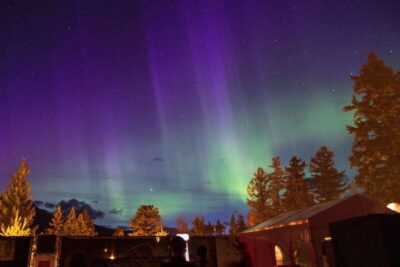

Planetarium and Night Tour with Dinner and Pisco Sour
Read our review →Browse the lists this tour appears in