
Review · THE USA
Dark Sky’s in the Florida Everglades
The Everglades looks different after sunset. This four-hour outing pairs a safari-style ride through Fakahatchee Strand with stargazing in Big Cypress National Preserve, giving you both a close look at Florida’s wet wilderness and a wide-open view of the night sky. I like the small maximum group of eight, and I like that the guides bring water, bug spray, and flashlights instead of leaving you to prepare for every swampy detail yourself. The main drawback is that the experience depends heavily on weather, and one poor communication experience resulted in a missed tour.
I also like the local perspective offered by guides Matt and Patricia, who grew up in the area and can explain plants, animals, and local ecology with more feeling than a script allows. You should also know that the $150 price includes park entrance fees, but the advertised four hours includes driving time, so the actual time spent at each stop may feel shorter than four full hours of sightseeing.
Key points to know before booking
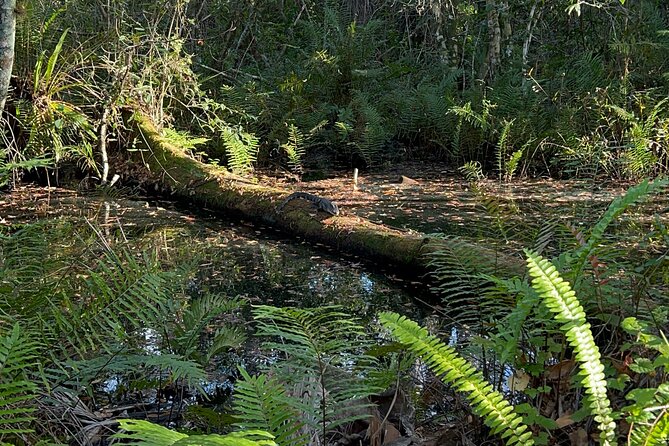
- Fakahatchee Strand covers about 80,000 acres, with wetlands, cypress domes, tropical hammocks, and rare plants.
- Big Cypress provides the night-sky setting, far from city lights and suited to viewing the Milky Way.
- Matt and Patricia bring local knowledge, including the area’s plants, animals, history, and conservation work.
- The group is limited to eight people, which gives the jeep ride a more personal feel.
- Park entrance fees, bottled water, bug spray, and flashlights are included, while snacks are not.
- The $150 price includes roughly four hours, with travel time counted in that total.
Why this Everglades night tour is different
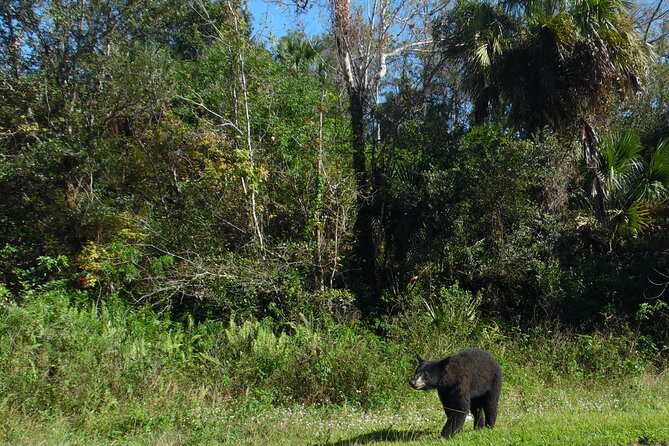
Many Everglades outings focus on daytime wildlife. This one tries to show you two sides of the same ecosystem: the living wetland before dark and the open sky above it once night arrives.
That change in light matters. During the Fakahatchee portion, you may watch for deer, birds, plants, and other signs of life. Later, in Big Cypress, the goal shifts from spotting wildlife to finding constellations and the Milky Way. It is less about checking off a long list of animals and more about noticing how quiet and broad this part of Florida can feel.
I like that combination because it gives the tour a clear shape. You are not simply sitting in a jeep for four hours, and you are not only standing around looking upward. The outing links the ecology below your feet with the sky above you.
The experience begins at 137 Coast Line Drive in Naples and returns to the same meeting point. Pickup is offered, but because a specific meeting point is also provided, confirm the pickup arrangement when you book. The group can include no more than eight people, a useful limit in a vehicle-based tour where a large crowd would make wildlife viewing and conversation harder.
More Dark Sky Tours in the USA:
- East Zion Dark Sky Stargazing Tour
★ 4.5 · 94 reviews - Sedona Dark Sky Sunset & Night Hike With a Private Guide
★ 5.0 · 86 reviews - Stargazing in Zion National Park’s International Dark Sky
★ 5.0 · 73 reviews
Fakahatchee Strand and the wet heart of Florida
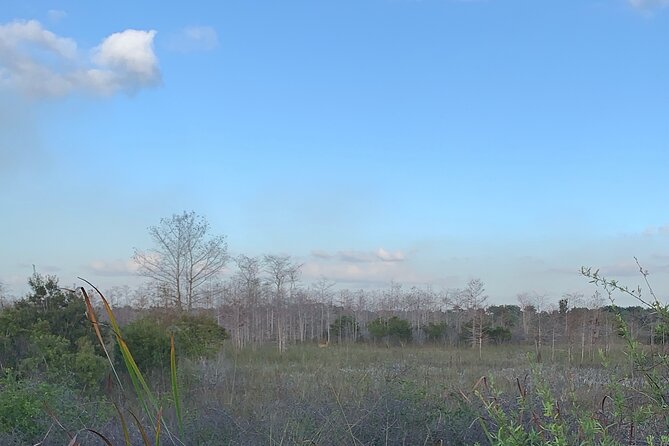
The first major stop is Fakahatchee Strand Preserve State Park. At about 80,000 acres, it is a large protected area with a mix of wetland, cypress domes, and tropical hammock. The Fakahatchee Strand itself is a long, narrow swamp fed by rainwater, which helps create the conditions for unusual plant life.
The park is often called the Amazon of North America because of its wide range of plants and animals. That nickname may sound grand, but the setting earns some of it. This is the sort of place where a guide can help you notice what you would otherwise pass by: a plant adapted to wet ground, a bird hidden among reeds, or animal movement at the edge of the road.
The rare ghost orchid is one of the park’s best-known plants. Seeing one is not guaranteed, and you should not book this outing expecting a certain flower or animal sighting. The value is in learning how the preserve works and understanding why these wet conditions support plants that cannot thrive in ordinary gardens or dry woodland.
Wildlife named for the area includes white-tailed deer, Florida panthers, Everglades mink, wading birds, and raptors. You might see some of them, but wildlife is never a promise. The better approach is to treat sightings as a bonus and pay attention to the guide’s explanations even when an animal stays out of view.
One especially useful part of this stop is the focus on both native and invasive plants and animals. That gives you a fuller picture than a simple safari ride. You learn not only what belongs in the preserve, but also what can threaten its balance and how conservation groups work to protect it.
The included two-hour park portion gives the outing a solid daytime or early-evening anchor. Still, the total tour is about four hours, and that total includes transportation. If the ride to and from the preserve takes a significant share of the schedule, do not expect two full hours of wildlife watching followed by two full hours under the stars.
What the local guides add to the ride
The guides are an important part of the experience. Matt and Patricia are described as having grown up in the area, and that local connection comes through in the way they explain the land. They can discuss the history of the region, native plants, animal behavior, invasive species, and conservation work.
That kind of knowledge is especially helpful in Fakahatchee, where the scenery can appear subtle at first. You may see trees, water, and low vegetation, but a guide can point out how those pieces fit together. The outing works best if you ask questions and stay alert to small details rather than waiting for a dramatic animal encounter.
Patricia is also praised for helping people who are not used to Florida’s climate. That matters. Heat, humidity, insects, and wet conditions can affect how much you enjoy an outdoor trip, particularly if you have arrived from a cooler climate. The supplied bug spray and bottled water are practical touches, but you should still dress for Florida conditions.
The group size helps here. With no more than eight people, you have a better chance of hearing the guide and asking about what you see. A small group also makes it easier to share a quiet wildlife moment without a busload of people talking over it.
Big Cypress after dark and the search for stars
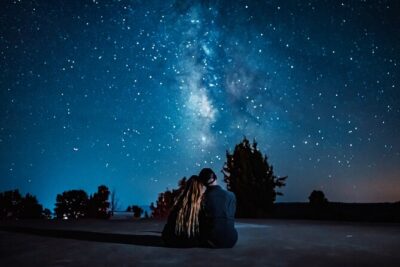
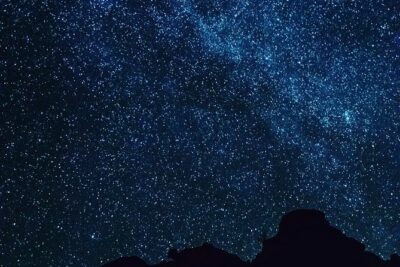
The second part takes place in Big Cypress National Preserve. The preserve offers a darker setting than Naples, allowing the constellations and Milky Way to appear with less interference from artificial light.
The guides use laser pointers to help you find stars and constellations. That makes a big difference if you do not already know the night sky. Instead of staring upward at a confusing scatter of lights, you can follow a line from one point to another and begin to understand the patterns.
The guides also share stories about the stars and the wider natural setting. This is a quieter experience than the Fakahatchee ride, and it rewards patience. You may need time for your eyes to adjust and for the sky to reveal more detail.
Photography is another strong reason to book. One couple was taken to an isolated spot overlooking a lake, where they photographed the night sky and the rising moon. That detail gives you a useful idea of the experience: the tour is not only about identifying constellations, but also about finding a scenic and relatively dark place for photographs.
If night photography matters to you, bring the equipment you already know how to use. The tour supplies flashlights, but the provided information does not promise camera gear, tripods, or photography instruction. The guides can help you find a good view, while the quality of the final photograph will depend on your own equipment and skill.
Cloud cover is the obvious risk. Even a designated dark-sky setting cannot produce a clear Milky Way view through heavy clouds or rain. Since the tour requires good weather, poor conditions can lead to a different date or a full refund.
Same dark sky, a different way to spend it:
- Small Group Big Island Twilight Volcano and Stargazing Tour
★ 5.0 · 1,619 reviews - Griffith Observatory Hike: Guided Tour through Griffith Park
★ 5.0 · 1,020 reviews - Sedona Stargazing Tours LLC
★ 4.5 · 881 reviews - Los Angeles: Hollywood Night Tour with Griffith Observatory
★ 4.2 · 531 reviews
The broader Everglades setting
Big Cypress and the wider Everglades protect a mix of habitats that support many types of wildlife. Alligators are the best-known residents, but the area also supports turtles, otters, manatees, wading birds, raptors, white-tailed deer, and the Florida panther.
The preserve is often described as the River of Grass, but this experience gives you a wider view than that phrase alone suggests. You are dealing with swamps, cypress areas, tropical plant communities, open water, and dark skies. The variety is one reason a guided outing makes sense.
You may not see an alligator, panther, mink, or manatee during a four-hour trip. That is not a flaw in the tour. It is the normal uncertainty of a wild preserve. A responsible guide cannot place wildlife on cue, and a good outing teaches you how the ecosystem works even when the animals keep their distance.
I would value this tour most for its interpretation. A guide who explains why a bird uses a particular wet area or why an invasive plant matters gives you a better understanding than a quick photograph alone. The wildlife sightings are welcome, but the setting and the explanations carry much of the experience.
What the $150 price gets you
At $150 per person, this is not a cheap evening activity. The price makes more sense if you plan to use both halves of the tour: the protected wetland visit and the Big Cypress stargazing session.
Your fee includes entrance to Fakahatchee Strand State Park and Big Cypress National Preserve. It also includes bottled water, bug spray, and flashlights. Those inclusions reduce the small extra costs that often appear on outdoor tours, and the park fees alone would otherwise be one more item to handle.
The value also depends on the guide. Matt and Patricia’s local background adds context that you would be unlikely to get from simply driving through the preserve on your own. Their ability to identify plants, explain animal behavior, and point out details can turn a dark drive into a more meaningful nature experience.
Still, keep the timing in mind. The advertised duration is approximately four hours, and travel time is part of that figure. You should not compare the price with a four-hour stationary astronomy program. This is a moving, mixed-format outing with park access, transportation, guidance, and basic supplies.
Snacks are not included. A community cooler has space for anything you want to bring, so pack something small if you tend to get hungry during an evening excursion. Bottled water is provided.
Who will enjoy this experience most
This outing suits you if you want more than a standard daytime Everglades visit. It is a good match for people who enjoy wildlife, plants, photography, astronomy, and small-group tours.
Families can consider it too, since most people can participate and service animals are allowed. The experience is not presented as a strenuous hike, though the supplied information does not describe every physical detail of the outing. If you have specific mobility concerns, ask the operator before booking.
It also works well for couples. The lake view, moonrise photography, and quiet sky watching create a more peaceful evening than a busy sightseeing stop. The night portion may be especially appealing if you have already spent time in Naples and want a change from restaurants and city lights.
You may want to skip it if your main goal is a guaranteed close-up of an alligator, panther, ghost orchid, or other particular sight. The tour is about a wild environment, not a controlled animal encounter. You should also think twice if you dislike humidity, insects, changing weather, or a schedule that includes driving between sites.
Timing, pickup, and cancellation details
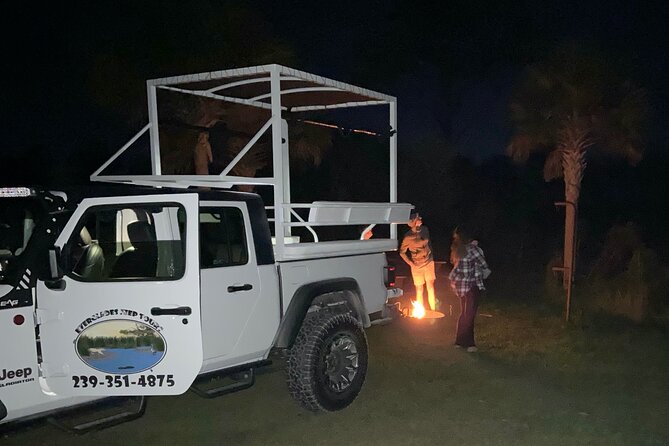
The tour starts at 137 Coast Line Drive in Naples and ends there. Pickup is offered, but confirm the exact arrangement because the meeting point is the clearly stated start location.
Confirmation is sent at booking. The maximum group size is eight, and the experience is offered in English. Since the total duration includes travel time, ask how much time is expected at each location if you want a precise schedule.
You can cancel for a full refund up to 24 hours before the start time. Cancellations made less than 24 hours ahead are not refunded, and changes inside that period are not accepted. If bad weather forces the operator to cancel, you are offered another date or a full refund.
One practical caution: make sure you have a working way to reach the operator and confirm the meeting details before the tour day. One serious complaint involved a guest arriving on time, waiting an hour, and finding that no one appeared or provided a phone number. That appears to be an isolated but important warning, especially for an evening outing in a remote area.
Should you book this dark-sky tour?
I would book it if you want a small-group introduction to two very different Everglades experiences. The strongest reasons are the local guides, the combination of Fakahatchee ecology and Big Cypress astronomy, and the chance to photograph a quiet lake beneath the night sky.
The $150 cost is fair if you value interpretation, park admission, supplies, and a group capped at eight. It is less appealing if you want a long, fixed astronomy session or guaranteed animal sightings.
Before paying, confirm the pickup plan, meeting details, weather policy, and expected time at each stop. If the forecast is clear and you enjoy both wildlife and stargazing, this outing offers a thoughtful way to see the Everglades after the day crowds and city lights fade.
FAQ
Where does the tour begin and end?
It begins at 137 Coast Line Drive, Naples, Florida, and ends back at the same meeting point.
How long does the experience last?
The experience lasts approximately four hours. The total duration includes travel time.
What places are included?
The outing includes Fakahatchee Strand Preserve State Park and Big Cypress National Preserve.
Are entrance fees included?
Yes. Entrance fees for Fakahatchee Strand State Park and Big Cypress National Preserve are included.
Is bottled water provided?
Yes. Bottled water, bug spray, and flashlights are provided.
Can I bring snacks?
Yes. Snacks are not included, but a community cooler has room for snacks you bring yourself.
What happens if the weather is poor?
The experience requires good weather. If it is canceled because of poor weather, you will be offered another date or a full refund.
Just added around the USA
- Stargazing and Milky Way Portrait in Capitol Reef National Park★ 4.5 · 13 reviews
- Temecula Wine Country Stargazing Tour★ 5.0 · 2 reviews
- Astronomy and Stargazing Tour in Utah★ 5.0 · 8 reviews
- Private Stargazing – Sequoia National Park★ 4.5 · 14 reviews
- Sunset Sedona Sacred Places -gourmet picnic dinner and stargazing★ 5.0 · 12 reviews
- Sedona Night Hike and Stargazing★ 5.0 · 7 reviews
- Stargazing Tour with Telescopes and Video Astronomy in Sedona★ 5.0 · 40 reviews
- PRIVATE Sedona Jeep Tour 4X4 Stargazing Tour at Night★ 4.5 · 11 reviews
Dark Sky Tours, compared.
Sedona Dark Sky Sunset & Night Hike With a Private Guide
Read our review →
Stargazing in Zion National Park’s International Dark Sky
Read our review →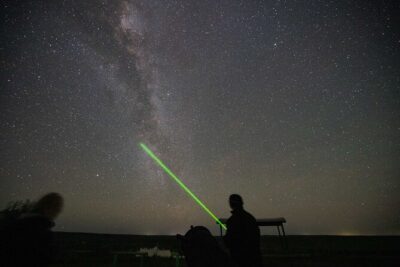
Small-Group River Murray Dark Sky and Sunset Tour with Dinner
Read our review →
Dark Sky Indoor Maori Cultural Astronomy Experience
Read our review →
Greater Zion: Dark Sky UTV Tour with Stargazing
Read our review →
Browse the lists this tour appears in