
Review · TENERIFE
Skip the Line: Teide Observatory Entrance Ticket
The sun becomes your first star guide. This guided visit to Tenerife’s Teide Observatory gives you a rare look at working solar and nocturnal telescopes, not just a scenic stop in Teide National Park. I like the chance to view sunspots and solar flares through the observatory’s equipment, and I like the clear explanations about how researchers study the sky. The main drawback is the high altitude, rough gravel paths, and risk of cancellation when weather or road conditions turn bad.
The tour lasts about two hours, with roughly 90 minutes spent on the guided visit. At $25.31 per person, it is a fair price for a specialist attraction, especially if astronomy interests you or you want something different from Tenerife’s beaches. Still, you need to arrive early, bring water and warm clothing, and check the meeting details carefully.
Key points to know before you book
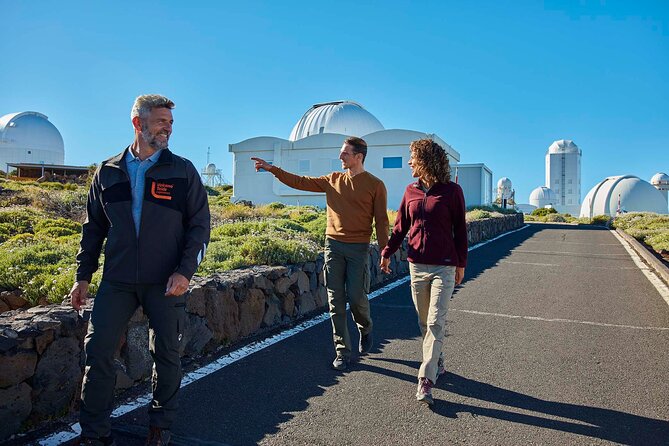
- Sun viewing is the star feature: You can observe sunspots and solar flares through dedicated solar telescopes.
- You enter a real nocturnal telescope: The tour explains how the instrument works and traces its history.
- The setting is seriously high: The observatory sits at about 2,400 meters, where oxygen levels are lower and weather can change fast.
- The guide makes the science approachable: A workshop explains astrophysics and the daily work of researchers in plain terms.
- Language matters: Tours run only in the language selected at booking: English, German, French, or Spanish.
- Arrive 30 minutes early: If you drive yourself, you must reach the parking area before the scheduled start time.
Why the Teide Observatory is worth your time
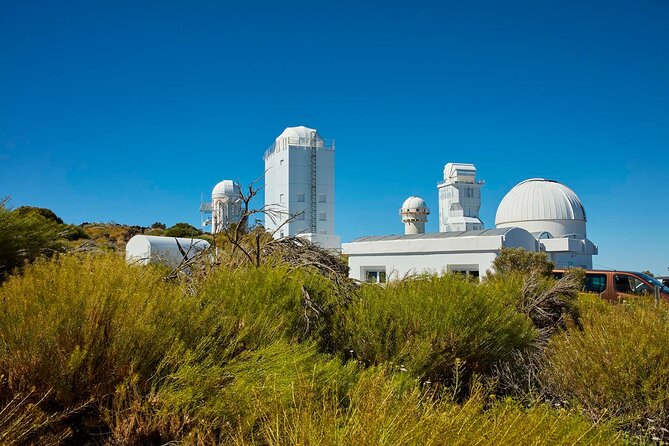
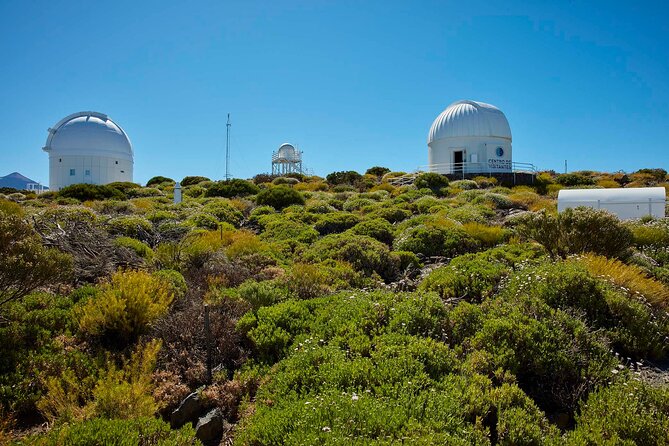
Tenerife’s Teide Observatory is more than a viewpoint with a few telescopes. It is a working scientific site operated by the Canary Islands Institute of Astrophysics, with projects focused on solar study and astronomical observation.
That difference shapes the visit. You are not simply looking at a display case or watching a recorded presentation. You move through an active observatory complex and learn why the Canary Islands are so useful for studying the sky. The high location, dry air, and generally clear conditions help explain why the site matters to researchers.
I like this mix of science and scenery. You get a practical introduction to astrophysics, then step outside for views across Teide National Park. It works well for families because the guide turns difficult ideas into things you can see, such as sunspots, solar flares, mirrors, and telescope structures.
The experience is not designed as a night-sky outing. The main focus is the observatory during the day, especially solar observation. If you want an evening stargazing session, this is the wrong product. If you want to understand what happens inside a major solar observatory, it is a much better fit.
More Observatory Visits in Tenerife:
- Tenerife: Mount Teide Observatory Guided Tour
★ 4.6 · 818 reviews - Tenerife: Mount Teide Observatory Astronomical Tour
★ 4.4 · 126 reviews - Astronomic Small-Group Tour on Tenerife Teide Observatory
★ 4.0 · 34 reviews
Arriving at the 2,400-meter Izaña site
The observatory sits in the Izaña area at about 2,400 meters, or roughly 7,900 feet. That altitude is central to the experience, but it also demands some preparation.
You should arrive at the parking area at least 30 minutes before the booked time. This early arrival is not a small suggestion. A late arrival can mean missing the group, and the site is not the sort of place where you can casually catch up after the tour has started.
Bring comfortable clothing and sturdy footwear. The group moves along gravel paths, so sandals are a poor choice. Pack a hat, sunglasses, sunscreen, and enough water or juice. The air is dry, the sun can feel strong, and temperatures can shift quickly. Bring an extra warm layer for the interiors of the telescopes as well as the open areas.
You should also be honest about your health. The lower oxygen level can be a problem for people with anemia, heart conditions, respiratory conditions, or other physical concerns. Possible warning signs include dizziness, nausea, shortness of breath, ringing in the ears, blocked ears, or a headache. Tell your guide immediately if any of these occur.
There is no medical assistance at the observatory, and the nearest hospital is about an hour and a half away by car. That fact may sound severe, but it is useful information. You can make a sensible decision before booking rather than discovering the altitude problem on arrival.
The introduction to Canary Islands astronomy
The visit begins with an explanation of why the Canary Islands are among the world’s best places for observing the sky. Your guide introduces the observatory’s telescopes, the work of the Canary Islands Institute of Astrophysics, and the projects carried out at the site.
This opening gives the rest of the tour a clear purpose. You learn why the observatory is located high above the coast and towns, rather than simply being told that it has a beautiful view. The discussion connects the island’s geography and atmosphere with the practical needs of astronomy.
The guide also explains the daily work of researchers. That is a useful part of the visit because it brings science down to earth. You get a sense of observation as a process, with equipment, monitoring, and careful study, rather than a single dramatic look through a telescope.
The quality of the guide matters a great deal here. Past experiences with this tour have included very strong praise for clear explanations, interesting facts, and engaging stories. The best guides make the material easy to follow without treating adults or children as if they need a school lecture.
The astrophysics workshop at the visitor center
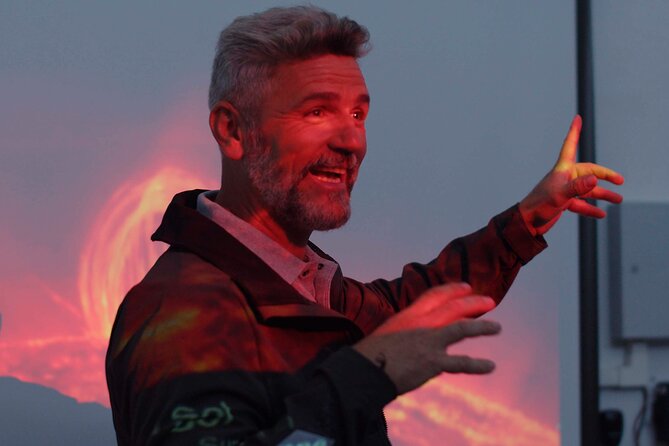
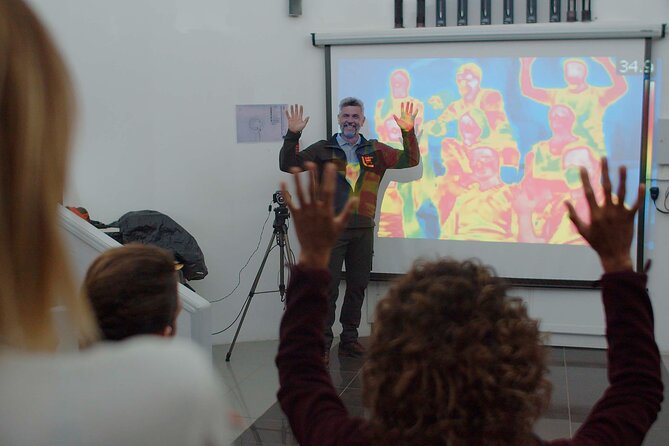
At the visitor center, you take part in a workshop about astrophysics. The guide explains what astrophysics means and how astrophysicists do their work.
This is the part that can make the tour accessible to families. Children may not remember every technical term, but they can follow the basic idea of studying stars, the sun, light, and the forces that shape the universe. Adults get enough context to understand the equipment they see later.
Do not expect a long university lesson. The workshop is intended to prepare you for the observatory, not overwhelm you with formulas. Its value is that it gives you a framework for the rest of the visit. When you look at a solar telescope or enter a nocturnal instrument, you already know what question the equipment helps answer.
The visit is offered only in the language selected when you book. The available languages are English, German, French, and Spanish. If language is important to your enjoyment, confirm that your preferred option is actually available for your chosen date. Past scheduling problems have included a German tour being changed because that language was not available on the original day.
Same dark sky, a different way to spend it:
- Tenerife: Teide National Park Sunset & Stargazing Tour
★ 4.2 · 3,812 reviews - Tenerife: Sunset and Stargazing at Teide National Park
★ 4.7 · 2,826 reviews - Teide National Park Sunset & Stargazing with Dinner (Star Safari)
★ 5.0 · 2,601 reviews - Teide National Park: Sunset & Stargazing Safari with Dinner
★ 4.6 · 2,115 reviews
Seeing sunspots and solar flares
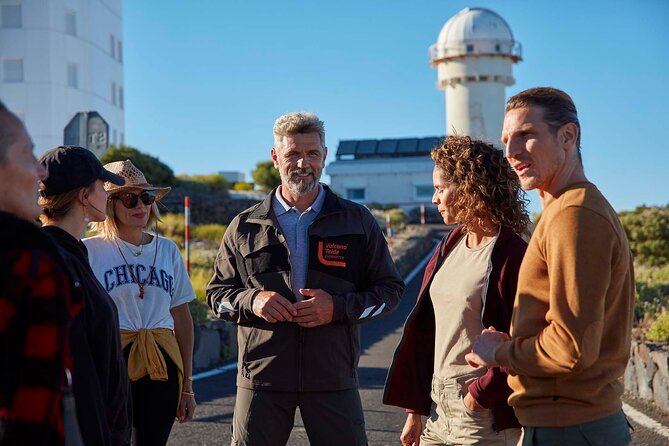
The most hands-on part of the experience is the solar observation. You use the observatory’s solar telescopes to look at the sun, including sunspots and solar flares when conditions allow.
This is a strong reason to choose the tour. The sun is familiar to everyone, but viewing its activity through a scientific instrument changes your sense of scale. You are not merely looking at a bright disk. You are learning to notice features created by the sun’s changing activity.
The guide helps you understand what you are seeing and why solar observation matters. The exact view depends on the sun and the operating condition of the equipment, so you should not expect the same display on every date. The observatory also makes clear that visits operate only when weather and telescope conditions permit.
That uncertainty is part of the deal with a working solar observatory. You get a genuine scientific visit rather than a guaranteed theatrical show. If clouds, technical problems, or other conditions prevent the telescopes from operating, the scheduled visit may be canceled.
Entering a nocturnal telescope
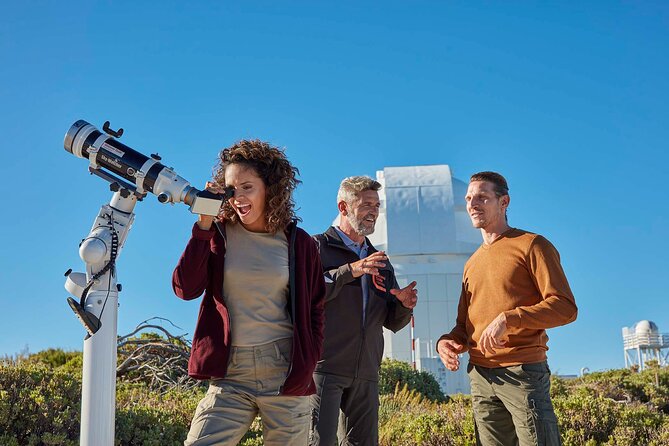
You also explore the inside of a nocturnal telescope. The guide explains its operation and shares its history.
This section gives you a useful contrast with the solar viewing. Solar telescopes are aimed at the sun and built for safe daytime observation. A nocturnal telescope serves a different purpose, and seeing its interior helps you understand the size and complexity of astronomical instruments.
For many people, the physical structure is as memorable as the science. You can see that these are large, carefully designed machines, not simply oversized tubes pointed at the sky. The guide’s explanation turns the equipment into part of the story.
The telescope visit is also a good moment to use that extra warm layer. The observatory warns that conditions can change quickly, and interiors may feel cool. Comfortable shoes matter here too, since the tour involves walking on gravel and moving around the complex.
The views over Teide National Park
The final reward is the setting itself. From the Izaña area, you get broad views over Teide National Park while standing near one of the world’s major solar observatories.
The scenery helps break up the technical material. After learning about astrophysics, telescope operation, and solar activity, you can step outside and take in the high volcanic surroundings. It is a good reminder that the observatory’s location is not accidental. The same elevation and clear air that support astronomy also create impressive views.
Bring sunglasses and sunscreen even on a cool day. The high-altitude sun can be strong, and the dry air can leave you dehydrated without much warning. Water is not supplied as part of the tour, so plan ahead.
The view is an added benefit, not the sole reason to book. If you only want scenery, a separate visit to Teide National Park may suit you better. This experience earns its price through the combination of scenery and access to scientific facilities.
What the $25.31 price really buys you
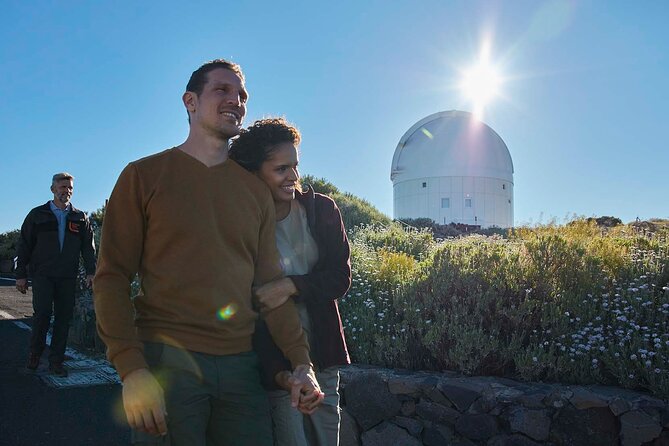
At $25.31 per person, the admission is reasonably priced for a guided visit to a specialist research facility. Your ticket includes the guided observatory visit and a guide. It does not include food or drinks, so you should eat and hydrate before arriving or bring what you need.
The value depends on your interests. If you enjoy science, astronomy, or unusual family outings, the price is easy to justify. You get access to solar telescopes, an explanation of a nocturnal telescope, a workshop, and a guide who connects the equipment to the work of researchers.
If you are looking for a simple sightseeing stop, the value is less certain. The tour requires a drive to a high-altitude site, early arrival, warm layers, and flexibility if conditions change. You are paying for an educational visit with operating limits, not a guaranteed show.
The experience is commonly booked about 25 days ahead, which suggests you should not leave it until the last minute during a busy Tenerife stay. Book only after checking the date, language, meeting point, and your transport plan.
Weather, road conditions, and cancellation risk
Weather is the main practical weakness. Visits run only when the weather and telescope operating status allow them. Winter can bring snow, ice, or falling rocks on roads leading to the observatory, and visits can be canceled for safety reasons.
If poor weather cancels the experience, you are offered another date or a full refund. You can also cancel for a full refund if you do so at least 24 hours before the start time. A cancellation made less than 24 hours before the tour is not refunded, and late changes are not accepted.
Check the meeting address with care. Past booking confusion has caused people to go to the wrong location, and reaching the observatory after that mistake can take too long. Save the exact location and allow plenty of time for the mountain route.
Who will enjoy this observatory visit most
I would recommend the tour to families with children aged eight or older, couples who want an activity beyond the coast, and anyone curious about how astronomy works in practice. Children under eight are not admitted, so this is not suitable for families with younger children.
You should have a moderate level of physical fitness. The walking is not described as strenuous, but gravel paths, altitude, sun, and changing temperatures add up. People with heart, respiratory, blood, or other serious health problems should consult a doctor before booking.
This is also a good choice if you prefer a guide who explains what you are seeing. The experience is much stronger when you engage with the workshop and ask questions about the telescopes. It may feel slow if you want only photographs and panoramic views.
Should you book the Teide Observatory ticket?
Book it if you want a short, focused science experience with real telescopes, solar viewing, and a guide. The chance to see sunspots and solar flares is the main draw, while the nocturnal telescope and Teide views add variety.
Skip it if you dislike fixed meeting times, high-altitude conditions, or plans that can change because of weather. Before paying, confirm the language, save the correct location, check the forecast, and prepare for cold, sun, dry air, and gravel paths.
At $25.31, this is good value for curious families and astronomy fans. It is not a casual stop, but with sensible preparation, it offers a memorable look at the science behind Tenerife’s famous clear skies.
FAQ
How long does the Teide Observatory visit last?
The full experience takes about two hours. The guided observatory visit itself lasts approximately one and a half hours.
Where is the observatory located?
The Teide Observatory is in the Izaña area of Tenerife, at an altitude of about 2,400 meters above sea level.
What languages are available for the guided tour?
Tours are offered only in the language selected at booking. The available languages are English, German, French, and Spanish.
How early should I arrive?
You should arrive at the parking area at least 30 minutes before the scheduled tour time.
What is included in the ticket?
The ticket includes the guided visit of the observatory and a guide.
Can I see the sun through a telescope?
Yes. The visit includes solar observation through solar telescopes, with the chance to view sunspots and solar flares when weather and telescope conditions permit.
Can children join the tour?
Children under eight years old are not included in this experience. The tour is presented as suitable for families with older children.
What should I bring?
Bring water or juice, sunscreen, sunglasses, a hat, comfortable clothing, sturdy footwear, and warm clothing for changing weather and the interiors of the telescopes.
What happens if bad weather cancels the tour?
If poor weather causes cancellation, you are offered a different date or a full refund. The observatory may also cancel when road conditions or telescope operations are unsafe or unsuitable.
Just added around Tenerife
- VIP Sunset & Stargazing experience★ 4.5 · 44 reviews
- Small Group Teide Stargazing Tour with Picnic at Sunset★ 5.0 · 3 reviews
- Tenerife Exclusive & Private Gastronomic, Sunset-Stargazing★ 5.0 · 3 reviews
- TEIDE NIGHT Astronomy Stargazing Bus Tour, Meal & Drinks included!★ 4.0 · 15 reviews
- Sunset and stargazing from Teide★ 3.5 · 51 reviews
- PRIVATE TOUR Teide National Park: Hiking and Stargazing★ 5.0 · 38 reviews
- Sunset & Stargazing Experience from Teide★ 4.0 · 31 reviews
- “Stargate” Tenerife stargazing★ 5.0 · 13 reviews
Observatory Visits, compared.
Royal Observatory Greenwich & Prime Meridian Entrance Ticket
Read our review →
Griffith Observatory Hike: Guided Tour through Griffith Park
Read our review →
Royal Observatory Greenwich & Prime Meridian Entry Ticket London
Read our review →
Browse the lists this tour appears in