
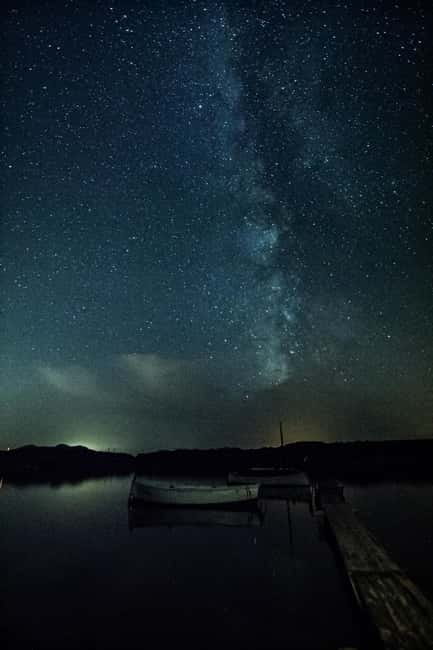
Review · TELESCOPE
Cavalleria: Guided Stargazing at the Beach with Telescope
The best seat in Menorca may be a mattress under the stars. This two-hour night outing takes you to Cala Viola de Ponent, a coastal site within a Starlight Reserve, where a Spanish-speaking guide uses two professional telescopes to explain constellations, lunar craters, star clusters, and far-off space objects. I especially like the quiet coastal setting and the way the tour joins science with old myths about Hercules, Andromeda, Cassiopeia, and Draco. The main drawback is that the guide-led presentation may feel more satisfying than the telescope time itself, so keep that in mind if direct viewing is your top priority.
At $35 per person, this is a fairly priced evening activity if you want more than simply looking up from your hotel terrace. The guide, telescopes, mattresses, and group photo are included, but you need to arrange your own way to the beach and bring a charged phone if you have chosen the audio guide option. The activity is in Spanish, with English or French audio files available when booked.
Key points to know before you book
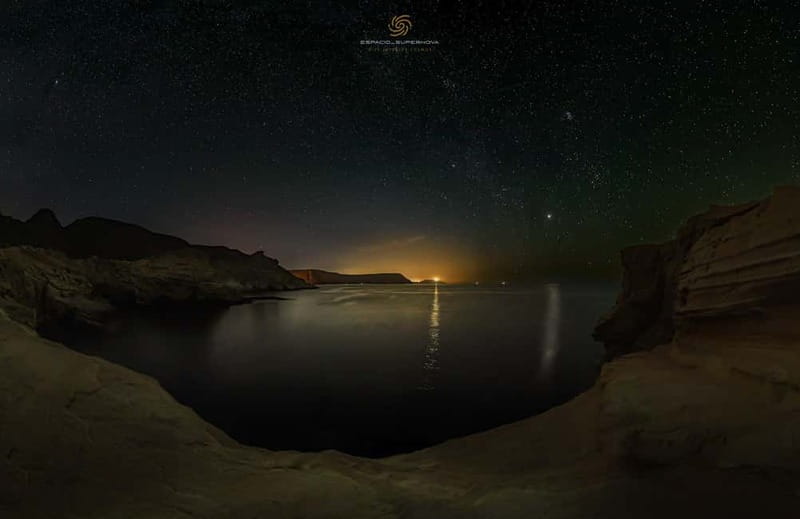
- Cala Viola de Ponent is the meeting point: You meet at the beach parking lot, with no hotel pickup or drop-off.
- Two professional telescopes are provided: They are used to examine objects such as open clusters, globular clusters, and binary stars.
- The guide turns astronomy into a story: Mythology and practical sky orientation help you connect names with patterns.
- Mattresses make the viewing easier: You can lie back rather than crane your neck for two hours.
- Gonzo receives especially strong praise: His lively teaching style helped make the outing engaging for both adults and children.
- Weather matters: The session needs suitable conditions and requires at least five participants to run.
Why Menorca’s coast makes a fine observatory
This outing works because it gets you away from city lights. A Starlight Reserve is designed for better views of the night sky, and the coastal location gives the evening a sense of space before the astronomy even begins. You are not sitting in a dark room with a projected ceiling. You are outside, looking over the sea and up into the real sky.
The meeting point is the parking lot at Cala Viola de Ponent Beach. Since transportation is not included, you need to plan your route before sunset or use a navigation app while you still have a signal. The practical side is simple, but it is important: this is not a hotel-based activity, and the provider does not collect you from your accommodation.
The beach setting also means you should think about comfort. The tour supplies mattresses for lying down, which is a welcome touch during a long period of sky watching. Still, bring clothing suitable for sitting outside at night. The supplied details do not promise blankets, food, drinks, or other personal equipment, so arrive prepared for an open-air evening.
More Telescope Stargazing in Spain:
- Teide by Night: Sunset & Stargazing with Telescopes Experience
★ 4.5 · 1,492 reviews - Teide National Park: Guided Large Telescope Stargazing Tour
★ 4.9 · 319 reviews - Magic Stargazing & Sunset in Teide with Dinner + Telescopes
★ 3.5 · 20 reviews
The two-hour journey through the night sky
The session begins with an introduction to the sky visible on that particular night. The guide helps you identify the main constellations and explains how their positions can be used to orient yourself. This is more useful than simply memorizing a few names. Once you understand how to recognize one pattern, you can make star leaps from it to other parts of the sky.
That idea gives the program a practical edge. You are not only told that Hercules or Cassiopeia is overhead. You are shown how to use known points to find other stars and constellations. For a first astronomy outing, that can change the way you look at the sky for the rest of your holiday.
The mythological stories add a human layer. Hercules, Andromeda, Cassiopeia, and Draco are not just random labels on a chart. Their stories explain why these groups of stars have the names they do, and the guide uses those tales to make the patterns easier to remember. The approach should suit families, curious adults, and anyone who finds a technical lecture a little dry.
On nights with moonlight, the focus shifts toward the Moon. Through the telescope, you can examine its craters and hear how they formed. The Moon is familiar, but seeing its surface magnified can make it feel newly strange. Moonlight can reduce the visibility of some faint stars, yet it gives the guide a bright and rewarding object to study.
What you may see through the telescopes
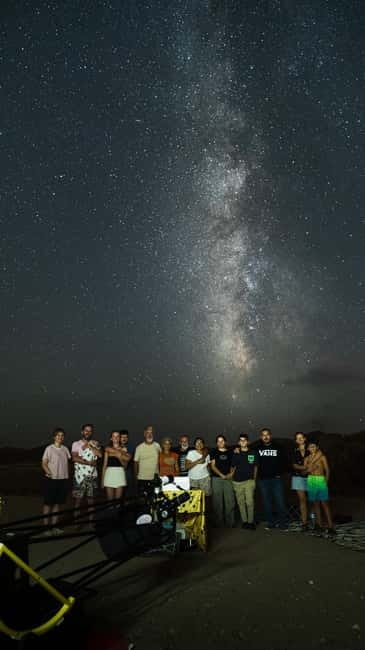
The two last-generation professional telescopes are the technical heart of the activity. They are used to look beyond the obvious stars and toward deep-space objects, including open clusters, globular clusters, and binary stars.
Open clusters are groups of stars that appear together in the sky. Globular clusters are much denser groups, often presenting a different visual impression through a telescope. Binary stars are pairs that orbit one another, and their presence helps show that the night sky is not made only of isolated points of light.
The exact objects available will depend on the date, the time of the session, and the weather. That is worth understanding before you book. Astronomy is not a fixed theater show. The guide can work with what is visible, but no one can promise a particular constellation or object on every night.
One useful point comes from the feedback on the activity. A participant rated the evening four out of five after enjoying the explanations, but wished for more direct observation through the telescope. That is a fair warning. The program includes professional equipment, but the experience may involve group instruction and shared viewing rather than long private turns at the eyepiece.
If your main goal is to spend most of the evening personally operating or looking through a telescope, ask yourself how flexible you are about the format. If you enjoy a guided lesson, stories, and learning how to read the sky, the arrangement should work well. If you want repeated, extended telescope viewing, your expectations may need adjusting.
Gonzo’s lively teaching style
The guide’s personality appears to be a major part of the experience. Gonzo receives warm praise for making complex ideas accessible and entertaining, and the session has been described as unexpectedly engaging for both adults and children.
That matters because astronomy can quickly become technical. Terms such as binary stars, globular clusters, and positional astronomy are easier to absorb when the guide keeps the subject connected to things you can see. The best moments should come when an explanation leads directly to a constellation, crater, or telescope target above you.
The activity is officially guided in Spanish. If you do not speak Spanish, an English or French audio guide may be available if you choose that option. You must use your own phone to play the audio files, and you should bring headphones if you have them. Charge your phone fully before arriving. This is a small point, but a dead battery can turn an audio guide into a silent file.
The available information does not promise live guiding in English or French. The live guide language is Spanish, so non-Spanish speakers should be comfortable following the audio option and watching the demonstrations. If your group includes mixed language abilities, check the selected option carefully before paying.
More Guided Tours in Spain:
- Teide: Guided Sunset & Stargazing Tour by Night with Dinner
★ 4.7 · 1,339 reviews - Tenerife: Mount Teide Observatory Guided Tour
★ 4.6 · 818 reviews - Fuerteventura: Guided Stargazing Calderón Hondo Volcano Tour
★ 4.7 · 594 reviews - Tejeda: Sunset & Night Sky Guided Astronomy Hiking Tour
★ 4.9 · 37 reviews
The value of the $35 price
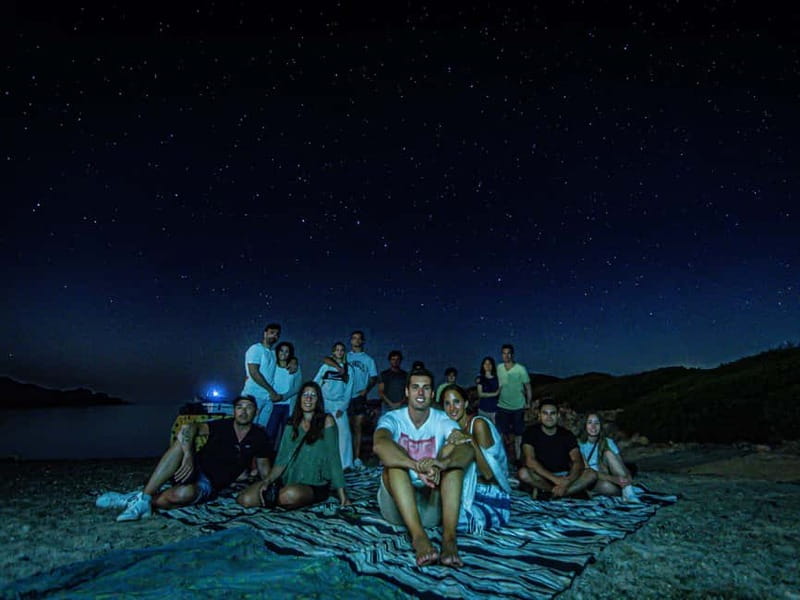
At $35, the experience sits in a reasonable range for a two-hour evening activity. You are paying for access to a certified guide, two professional telescopes, the use of mattresses, and a group photo with the stars behind you. The setting itself is also part of the value, since a dark coastal location is more useful for astronomy than a bright town center.
The price does not include transportation, food, or drinks. That keeps the cost down, but it means you should treat the outing as one part of your evening rather than a complete night package. Eat beforehand or bring what you need, since no refreshments are supplied.
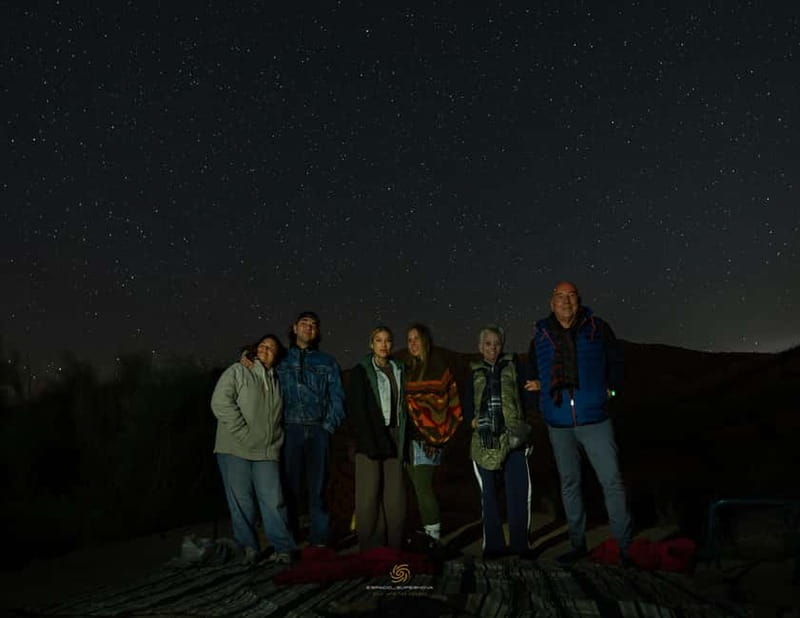
The group photo is a pleasant extra, especially if you are visiting Menorca with family or friends. It also gives the evening a clear ending. After the stories, sky orientation, lunar viewing, and telescope observations, you leave with a shared record of the night rather than only a memory of dark water and scattered stars.
The high overall rating, 4.9 from 87 reviews, supports the idea that the activity delivers strong value for people who enjoy guided astronomy. The more cautious point is that satisfaction seems tied to the guide’s teaching and the overall atmosphere as much as to direct telescope viewing. That is not a flaw, but it should guide your decision.
Weather, group size, and the limits of outdoor astronomy
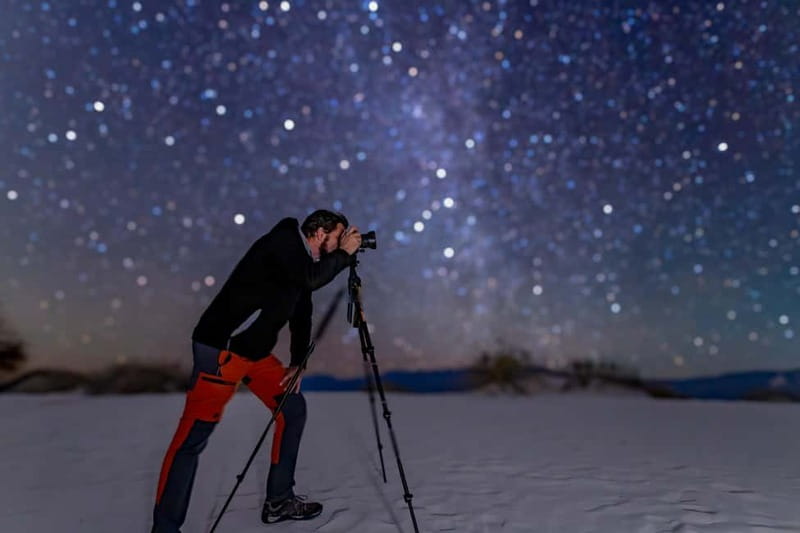
The activity depends on good weather. Clouds can block the sky, and poor conditions may force the provider to cancel, reschedule, or refund the session. You can cancel up to 24 hours in advance for a full refund, and the reservation option allows you to book without paying immediately.
There is also a minimum of five participants. If that number is not reached, the activity may not run. The provider’s team will contact you if the session is cancelled so you can arrange a new date or receive a refund.
These rules are normal for outdoor astronomy, but they affect how you plan your holiday. I would avoid putting this outing on the final night of a short Menorca visit. Give yourself another evening in case clouds or the minimum group requirement disrupts the original plan.
The two-hour duration is long enough to cover several parts of the sky without turning the evening into an all-night commitment. It is also short enough to fit around dinner, provided you allow time to reach the beach parking lot and return afterward.
Who will enjoy this beach stargazing session?
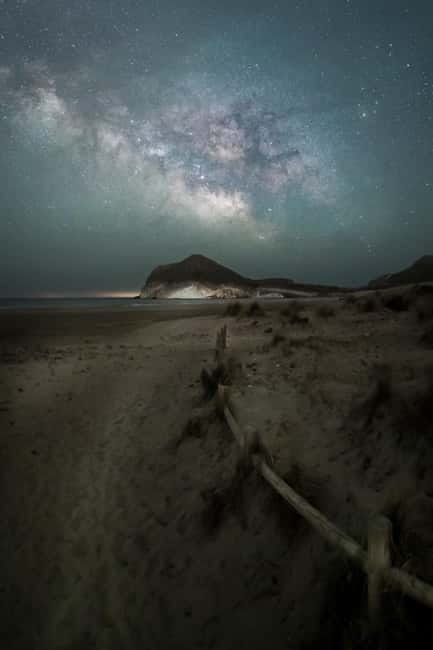
I would recommend it most strongly to people who want an introduction to astronomy with a strong sense of place. Families can benefit from the myths and the easy-to-follow constellation work. Adults who already enjoy looking at the sky may appreciate the telescope targets and the chance to examine clusters or binary stars from a protected dark-sky site.
It is also a good choice if you want an evening that feels different from the usual Menorca routine. You are not being rushed through monuments or shops. Instead, you are asked to slow down, lie on a mattress, and consider your position in the Milky Way.
It may be less suitable if you need a fully English-speaking live guide, want guaranteed views of a particular planet or constellation, or expect private telescope access. The official language is Spanish, and the sky decides what can be seen.
The activity is not suitable for wheelchair users, and it is not recommended for people over 95. The supplied information does not give further details about the beach surface or the distance from the parking lot, so anyone with mobility concerns should contact the provider before booking.
Small details that can improve the evening
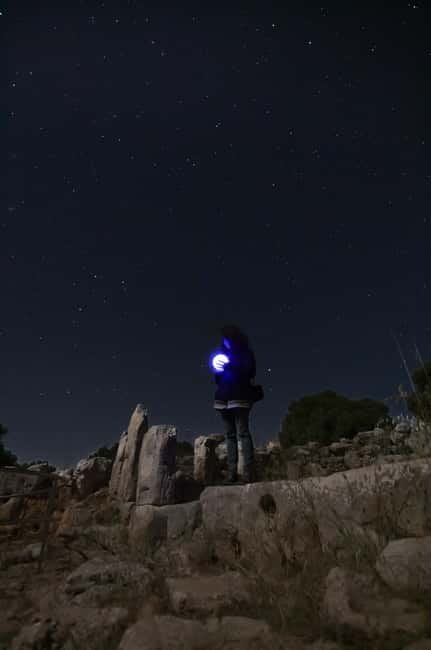
Bring a fully charged phone if you have selected the English or French audio guide. Headphones are useful, especially if you prefer to listen without disturbing people around you.
Plan to eat before arriving, since food and drinks are not included. You should also organize your own transportation to and from Cala Viola de Ponent Beach, as hotel pickup is not part of the activity.
Dress for an outdoor night rather than a warm afternoon at the coast. The mattresses make lying down easier, but they do not replace suitable clothing. Since the weather can cancel the event, keep your schedule flexible and avoid treating this as the only important evening of your stay.
Finally, arrive ready to look up without expecting a perfect scientific demonstration. The charm is in the mix: coastal darkness, traditional stories, telescope work, and the simple pleasure of finding a constellation with your own eyes.
Should you book Cavalleria stargazing?
Book it if you like guided experiences that combine science, stories, and a memorable outdoor setting. The $35 price is fair for a certified guide, two professional telescopes, mattresses, and a group photograph, especially in a Starlight Reserve away from city lights.
I would be more cautious if direct telescope viewing is your only goal. The program is built around explanation and shared discovery, and the amount of time at the eyepiece may vary. For most people, though, the chance to learn the night sky from Gonzo, hear the myths behind its constellations, and examine distant objects from Menorca’s coast makes this a worthwhile evening.
FAQ
Where does the stargazing activity meet?
The meeting point is the parking lot at Cala Viola de Ponent Beach in Menorca.
How long does the activity last?
The guided stargazing session lasts two hours.
What language is the live tour?
The live guide speaks Spanish. English and French audio guide options may be available, and those audio files must be played on your own phone.
Do I need to bring my own phone?
Yes, if you book the English or French audio guide. Bring a sufficiently charged phone, and headphones can be useful.
What equipment is included?
The activity provides two professional telescopes and mattresses for lying down while you view the night sky. A group photo is also included.
Does the activity run in bad weather?
The activity requires suitable weather. If conditions are not good, the provider may cancel and contact you to arrange a new date or a refund.
Can I cancel for a full refund?
Yes. You can cancel up to 24 hours in advance for a full refund. You can also reserve now and pay later.
Just added around Spain
- VIP Sunset & Stargazing experience★ 4.5 · 44 reviews
- Skip the Line: Teide Observatory Entrance Ticket★ 3.0 · 33 reviews
- Small Group Teide Stargazing Tour with Picnic at Sunset★ 5.0 · 3 reviews
- TEIDE NIGHT Astronomy Stargazing Bus Tour, Meal & Drinks included!★ 4.0 · 15 reviews
- Sunset and stargazing from Teide★ 3.5 · 51 reviews
- Tenerife Exclusive & Private Gastronomic, Sunset-Stargazing★ 5.0 · 3 reviews
- PRIVATE TOUR Teide National Park: Hiking and Stargazing★ 5.0 · 38 reviews
- Sunset & Stargazing Experience from Teide★ 4.0 · 31 reviews
Telescope Stargazing, compared.
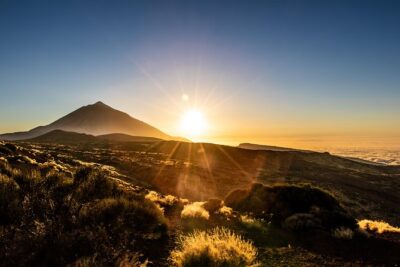
Teide by Night: Sunset & Stargazing with Telescopes Experience
Read our review →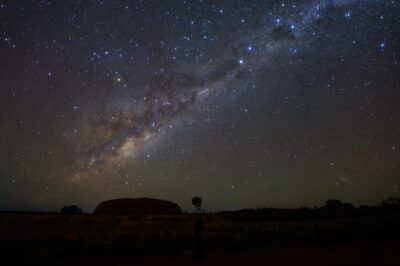
Uluru: National Park Astronomy Tour with Telescope and Photo
Read our review →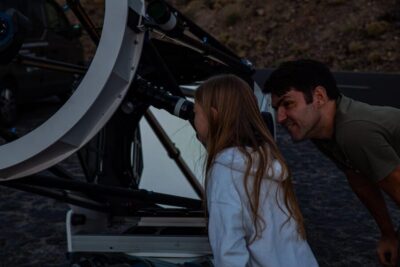
Teide National Park: Guided Large Telescope Stargazing Tour
Read our review →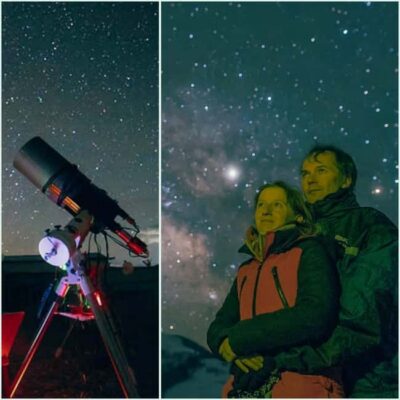
Northern Lights Tour and Stargazing by Telescope
Read our review →
Jasper Planetarium and Telescope Combo Tour Tickets
Read our review →
Stargazing Tour with Telescopes and Video Astronomy in Sedona
Read our review →
Twizel: Stargazing Tour with an Astronomer and Telescope
Read our review →Browse the lists this tour appears in