
Review · LAKE TEKAPO
Chameleon Stargazing Shared Tour
The night sky puts on the best show. Chameleon Stargazing makes Lake Tekapo’s famous darkness easy to enjoy, pairing telescope viewing with clear explanations, reclining seats, blankets, hot chocolate, and marshmallows around a fire. I especially like the small group size and the way the guides make astronomy friendly rather than overly technical. The included photo is another thoughtful touch.
The main catch is simple: weather controls the evening. Clouds, moonlight, and changing sky conditions can limit what you see, and the cold is real. Bring warm layers, even if the afternoon feels mild. On a clear night, though, this 90-minute outing offers a strong mix of science, comfort, and classic New Zealand night-sky magic.
Key points at a glance
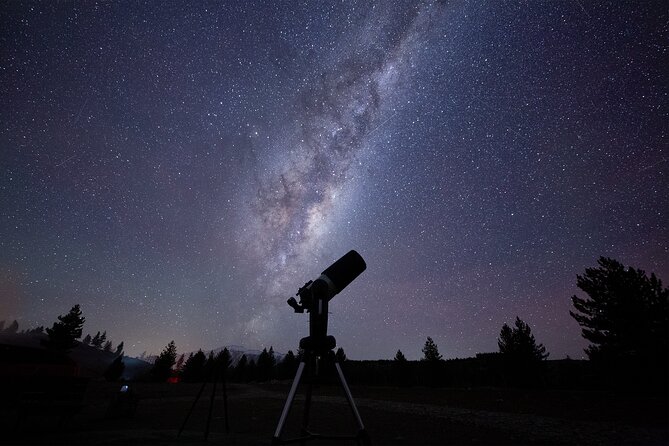
- Telescope viewing: Look at stars, planets, constellations, and deep-sky objects through powerful equipment.
- A maximum of 14 people: The group is small enough for questions and individual time at the telescope.
- Comfort in the cold: Reclining seats, thick blankets, hot chocolate, tea or coffee, and a fire bowl help make the night pleasant.
- Astronomy with local stories: Guides explain celestial objects, constellation stories, and Māori connections to the sky.
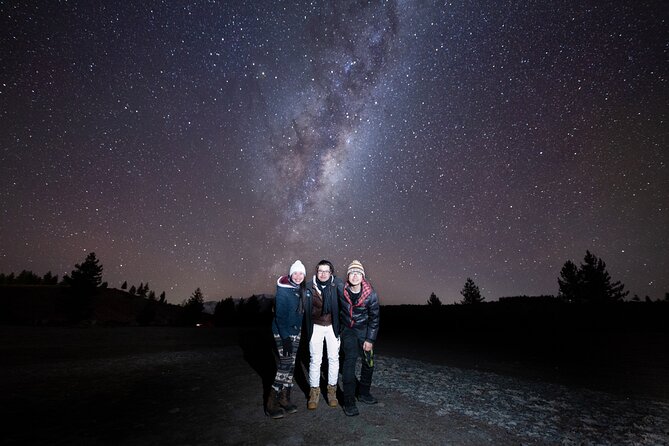
- A personal keepsake: The team takes a night-sky photograph of you and sends it after the session.
- Weather matters: Poor conditions can lead to a new date or a full refund, while clouds may shorten or limit the viewing.
Why Lake Tekapo is such a good place for stargazing
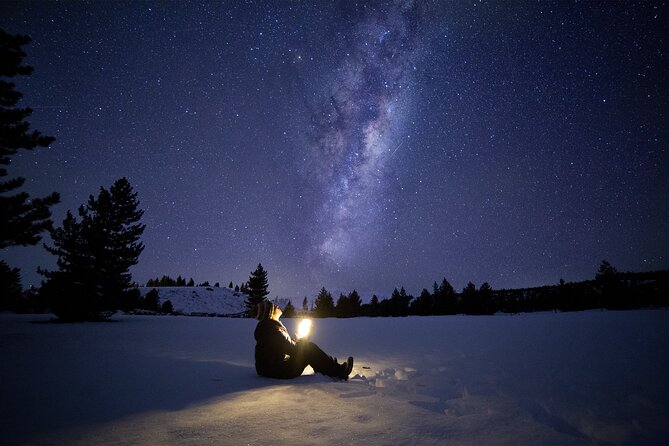
Lake Tekapo is known for its dark night sky, and this tour makes that darkness the main event. Away from bright city lighting, you have a better chance of seeing the Milky Way, the Southern Cross, and stars that disappear in urban skies.
You should keep your expectations practical. This is not a guarantee of a perfect, cloudless sky. The view changes every night with cloud cover, moon phase, aurora activity, and the natural movement of the sky. The photographs used to promote the activity show what may be possible, not what you will certainly see on your date.
That uncertainty is part of astronomy, but it can also be frustrating if you have planned your whole evening around a particular object. A bright full moon can wash out faint stars, while clouds can block the telescope entirely. On the other hand, even a less-than-perfect night may still offer planets, brighter stars, and useful explanations of what you can see.
More Stargazing Tours in Lake Tekapo:
- Lake Tekapo: Alpine Stargazing Experience with a Guide
★ 4.5 · 626 reviews - Lake Tekapo: Stargazing Experience
★ 4.9 · 607 reviews - Lake Tekapo: Mountaintop Stargazing at Mount John Summit
★ 4.5 · 176 reviews
Starting at 70 Andrew Don Drive
You meet at 70 Andrew Don Drive in Lake Tekapo, and the activity finishes at the same place. There is no shuttle to or from your accommodation, so you need to arrange your own way to the meeting point.
The tour lasts about one hour and 30 minutes. That is long enough to include several different parts without turning the evening into a long technical lecture. You will spend time looking at the sky with the unaided eye, using the telescope, listening to stories and astronomy facts, taking a photograph, and warming up by the fire.
The group is capped at 14 people. That matters here. Telescope viewing works best when you are not standing in a large crowd waiting for a brief turn. A smaller group also gives you more room to ask questions and follow the guide’s explanations.
Confirmation arrives when you book, and the company provides weather updates. Check your email on the day, since conditions can change quickly. If your session starts after midnight, pay close attention to the date. A 12:30am start on January 1 takes place during the night of December 31 and requires you to be in Lake Tekapo on December 31.
Reclining seats, blankets, and a warm drink
Stargazing often sounds romantic until you remember that sitting still outdoors at night can be very cold. Chameleon Stargazing addresses that problem with reclining seats, cozy blankets, and warm drinks.
The seats are useful because you can lean back and look upward without straining your neck. The blankets add real comfort, but I would still wear warm layers. Several people have described the cold as noticeable, particularly in winter. Gloves, a warm hat, and proper shoes are sensible additions if you are sensitive to low temperatures.
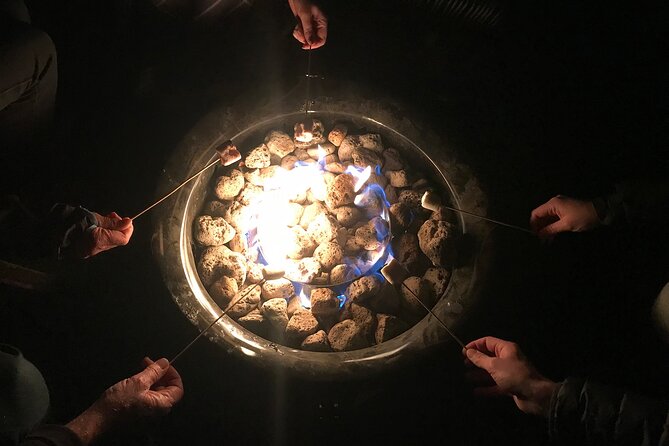
Hot chocolate, tea, or coffee is included. The hot chocolate receives special praise for good reason: it gives you something warm to hold while you listen and look up. Later, marshmallows are provided for roasting over a fire bowl. That final social moment keeps the experience from feeling like a classroom session held outdoors.
The fire and snacks do not replace good clothing, but they make the evening feel relaxed. I like this balance. You get real astronomy, yet the night also has a simple holiday feeling that works well for families, couples, and anyone who would rather not spend 90 minutes standing in the dark.
What happens during the astronomy session
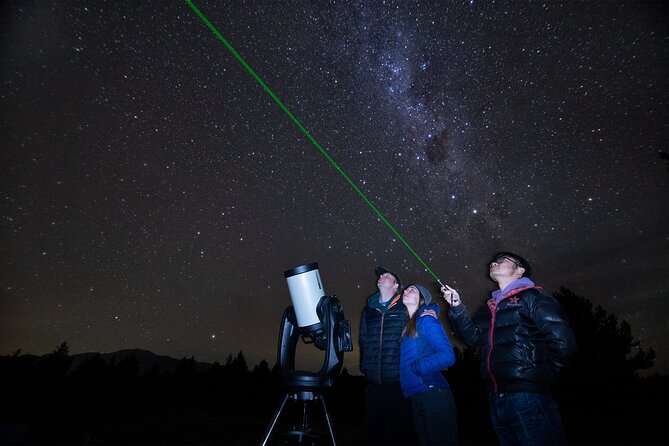
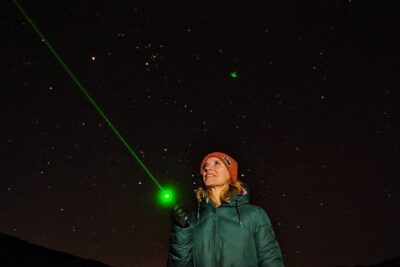
The experience begins with the visible night sky. Your guide uses explanations and, at times, a laser pointer to help you identify stars and constellations. This is where the session becomes useful for beginners. Instead of seeing a random field of lights, you start to understand what you are looking at.
The guides also bring in stories connected to the stars, including Māori significance. That gives the sky a sense of place rather than treating it as a collection of objects from a textbook. The exact stories and constellations available will depend on the season and the night’s conditions.
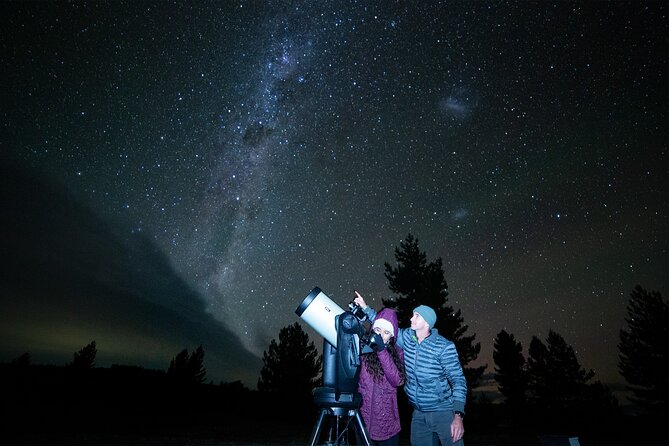
Next comes telescope viewing. The equipment lets you see objects in more detail than you can with your eyes alone. Depending on the sky, you might view planets such as Saturn, constellations, nebulae, or other deep-sky objects. One clear session included views of Saturn and several nebulae, while another included a dramatic shooting star.
You should remember that telescope viewing is not a fixed menu. The sky changes throughout the year, and cloud or moonlight can alter the plan. A full moon may reduce visibility of faint features, but it does not make the telescope useless. Bright objects and the guide’s explanations can still make the evening worthwhile.
The guides are a major part of the experience. Guthrie, George, Mok, and Estella are among the names associated with sessions, and the feedback repeatedly describes the team as engaging, enthusiastic, and able to answer questions across a wide range of astronomy topics. That matters because a telescope alone is only equipment. The guide helps you understand why an object is interesting and where to look next.
Same dark sky, a different way to spend it:
- Mount John Observatory Stargazing Experience, Tekapo
★ 4.5 · 160 reviews - Tekapo Star Gazing Tour – Soak in the Stars
★ 4.5 · 109 reviews - Silver River Stargazing Experience in Lake Tekapo
★ 4.5 · 106 reviews - Stargazing Experience at Cowan’s Private Observatory
★ 4.0 · 85 reviews
The telescope photograph is a useful extra
During the session, the team takes a photograph of you beneath the night sky. Images from the telescope are also sent by email after the activity, with one account noting that the photos arrived a few hours later.
The personal photograph is not the reason to book, but it is a nice benefit. Night photography is difficult to manage by yourself, especially when you are also trying to stay warm and pay attention to the guide. Having the company handle the image lets you concentrate on the experience.
Keep in mind that the photograph depends on the conditions and the equipment used that night. It should be treated as a souvenir of the outing, not as a guarantee of a particular dramatic Milky Way composition.
Ending around the fire bowl
After the telescope work, you gather around the fire bowl to roast marshmallows. This is the most informal part of the evening and gives everyone time to chat, warm up, and take in what they have just learned.
I like the way this ending rounds out the session. The night begins with careful observation and explanation, then finishes with a simple outdoor treat. You are not rushed straight back to the meeting point after looking through the telescope.
The fire also helps on nights when the sky is imperfect. One session faced clouds and had to move quickly before the view disappeared. Another was canceled after conditions worsened, with a full refund provided. The company may try to make the most of passing cloud, but there is a limit to what any stargazing operator can control.
Is $74.47 a fair price?
At $74.47 per person, this is not the cheapest way to look at the stars. The value comes from the complete package rather than from telescope access alone.
Your fee includes the guide, telescope, astronomy presentation, seating, blankets, hot drinks, marshmallows, the fire experience, and all fees and taxes. The group size also matters. With no more than 14 people, you are paying for a guided session with a reasonable chance to ask questions and use the equipment without being lost in a crowd.
The price makes the most sense if you want structure. You could step outside in Lake Tekapo and look upward for free, but you would not necessarily know what you were seeing, where to find the Southern Cross, or how to identify planets and deep-sky objects. You would also need to arrange your own warm seating, telescope, hot drink, and night photograph.
I would call it good value for people who enjoy learning and want a comfortable, organized evening. It is less convincing if you only want a quick look at the Milky Way and already have your own astronomy equipment.
Weather, moonlight, and the risk of disappointment
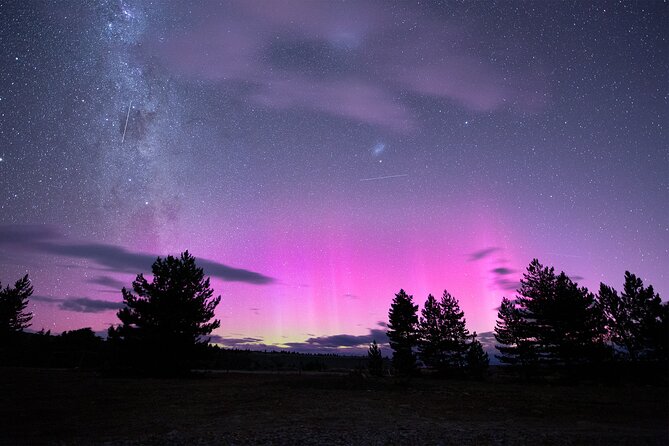
Weather is the one point you must take seriously. The activity requires suitable conditions, and the company may cancel if poor weather makes the session impractical. In that case, you are offered another date or a full refund.
The company also sends weather updates, so check your messages before setting out. If the forecast looks uncertain, avoid treating the tour as your only possible evening plan.
Cloud does not always ruin the experience. On one occasion, light cloud suggested cancellation, but the sky cleared and the group saw the Milky Way and Southern Cross. On another night, the guides shortened the viewing sequence to fit it in before the clouds closed over.
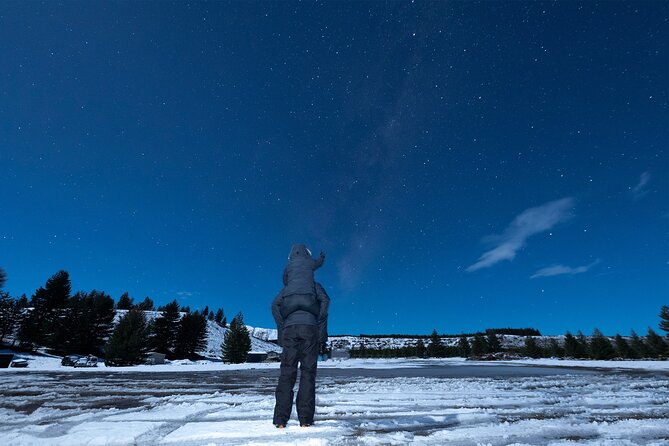
Moon phase matters too. Around a new moon, the sky is darker and faint features such as the Milky Way can be easier to see. A full moon creates a brighter setting and can reduce the number of visible stars. Still, a moonlit session can provide worthwhile telescope targets and a good introduction to the sky.
The most honest approach is to book with flexible expectations. You are buying a guided night-sky experience, not a guaranteed list of planets, galaxies, or auroras.
Who will enjoy this most?
This tour suits you if you are new to astronomy, visiting Lake Tekapo for a short stay, or simply want someone to point out what is above you. Families can enjoy the marshmallows and approachable explanations, while couples may appreciate the quiet setting and included photograph.
It also works well for people who usually find astronomy intimidating. The guides explain the subject in a friendly way, and the questions are part of the experience rather than an interruption.
You may want to think twice if you dislike cold outdoor activities, need a guaranteed clear sky, or prefer complete independence. The group is small, but it is still a shared session. You will follow the guide’s timing and share the telescope with other people.
Service animals are allowed, and most people can take part. The supplied information does not give detailed mobility guidance for the seating or ground surface, so contact the operator directly if you have specific access needs.
Booking, cancellation, and date details
You can cancel up to 24 hours before the start time for a full refund. Changes or cancellations inside that 24-hour window are not accepted for a refund.
The weather exception is important. If Chameleon Stargazing cancels because conditions are poor, you receive the choice of another date or a full refund. That policy reduces the financial risk, but it does not remove the disappointment of missing the sky during a short visit.
Before booking, check three things: the date, the start time, and the weather email. The after-midnight rule is especially easy to misunderstand. If the session begins at 12:30am on January 1, you need to arrive in the area on December 31.
Should you book Chameleon Stargazing?
I would book this tour if you have one clear night in Lake Tekapo and want more than a self-guided look at the stars. The strongest points are the warm, practical setup, the small group, the telescope, and guides such as Guthrie, George, Mok, and Estella who bring energy and clear explanations to the session.
Book around a new moon if seeing faint stars and the Milky Way is your priority, but do not assume a full moon means a wasted evening. Pack serious warm clothing, watch the weather updates, and keep your plans flexible.
Skip it if you need guaranteed viewing or dislike sitting outside in the cold. For most people who enjoy a little science, a little storytelling, and a marshmallow by the fire, the $74.47 price is reasonable, especially when the sky cooperates.
FAQ
Where does the Chameleon Stargazing tour begin?
The tour begins at 70 Andrew Don Drive, Lake Tekapo 7999, New Zealand.
Where does the tour finish?
The activity ends back at the meeting point at 70 Andrew Don Drive.
How long does the stargazing experience last?
The tour lasts approximately one hour and 30 minutes.
How many people can join the shared tour?
The maximum group size is 14 people.
What is included in the price?
The price includes the telescope, marshmallows, coffee or tea, hot chocolate, and all fees and taxes.
Is transport from my accommodation included?
No. Shuttle service to and from your accommodation is not included.
What happens if the weather is poor?
If the company cancels because of poor weather, you can choose another date or receive a full refund. The company also provides weather updates by email.
What should I know about tours starting after midnight?
Check the date carefully. A tour starting at 12:30am on January 1 takes place during the night between December 31 and January 1, so you need to be in Lake Tekapo on December 31.
Just added around Lake Tekapo
- Virtual Stargazing & Astronomy Experience in Lake Tekapo★ 3.0 · 2 reviews
- Lake Tekapo Ultimate Stargazing Experience★ 5.0 · 3 reviews
- Lake Tekapo: Indoor Māori Cultural Astronomy Experience★ 4.5 · 43 reviews
- Lake Tekapo: Ultimate Stargazing Experience★ 4.3 · 12 reviews
- Lake Tekapo: Virtual Stargazing and Astronomy Experience★ 4.5 · 8 reviews
- Lake Tekapo: 1.5-Hour Hot Pools & Stargazing Experience★ 4.0 · 45 reviews
- Lake Tekapo: Stargazing Experience at Cowan’s Observatory★ 4.7 · 52 reviews
- Stargazing Experience at Cowan’s Private Observatory★ 4.0 · 85 reviews
Stargazing Tours, compared.
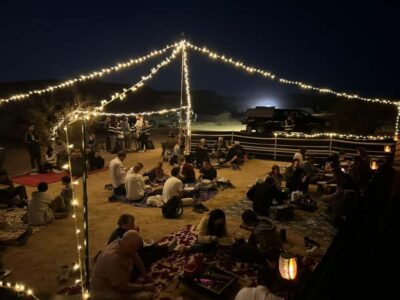
Dubai Red Dunes ATV, Camels, Stargazing & 5* BBQ Al Khayma Camp
Read our review →
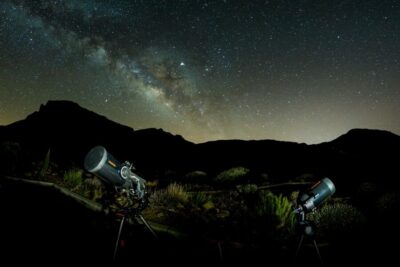
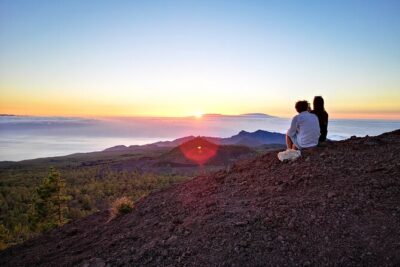
Teide National Park Sunset & Stargazing with Dinner (Star Safari)
Read our review →
Sunset Camel Trek, Al Khayma Camp, Stargazing & BBQ
Read our review →
Overnight Safari, Dinner, Stargazing & Al Khayma Camp
Read our review →
Dubai Overnight Desert Safari, BBQ & Stargazing at Al Khayma Camp
Read our review →Browse the lists this tour appears in