
Review · LAKE TEKAPO
Lake Tekapo: Virtual Stargazing and Astronomy Experience
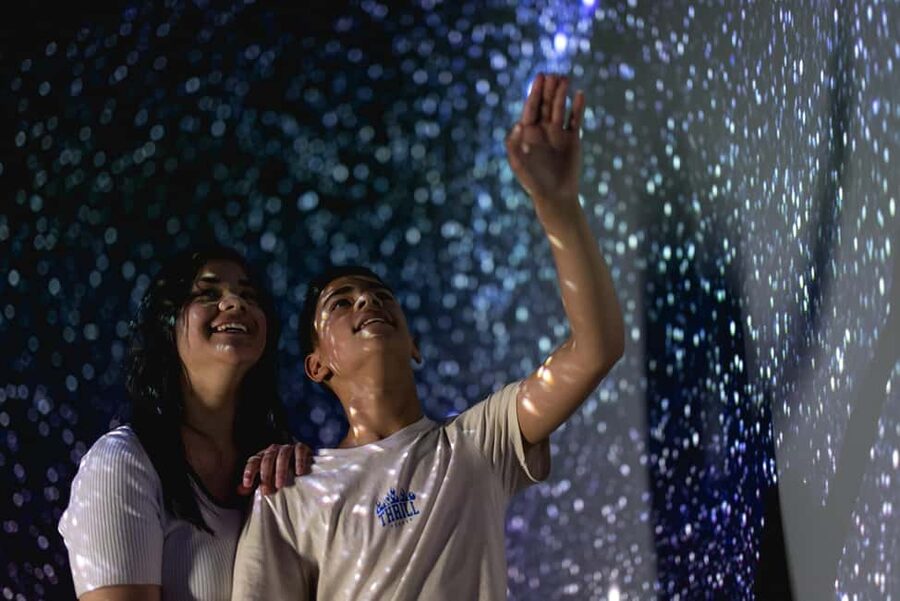
The stars do not need clear weather. Lake Tekapo’s virtual stargazing experience brings the southern sky indoors, using state-of-the-art technology and live astronomy guides to show stars, planets, and galaxies in fine detail. I like the all-weather format, and I like that you can learn about the cosmos without waiting for a late, cold night.
The 45-minute session is also a smart choice for families and first-time stargazers. You get an engaging introduction without needing to understand star charts first. The main drawback is that this is a virtual presentation, not outdoor stargazing under the actual sky, and one English-speaking guide was difficult for one couple to follow because of a strong accent and fast delivery.
Key points at a glance
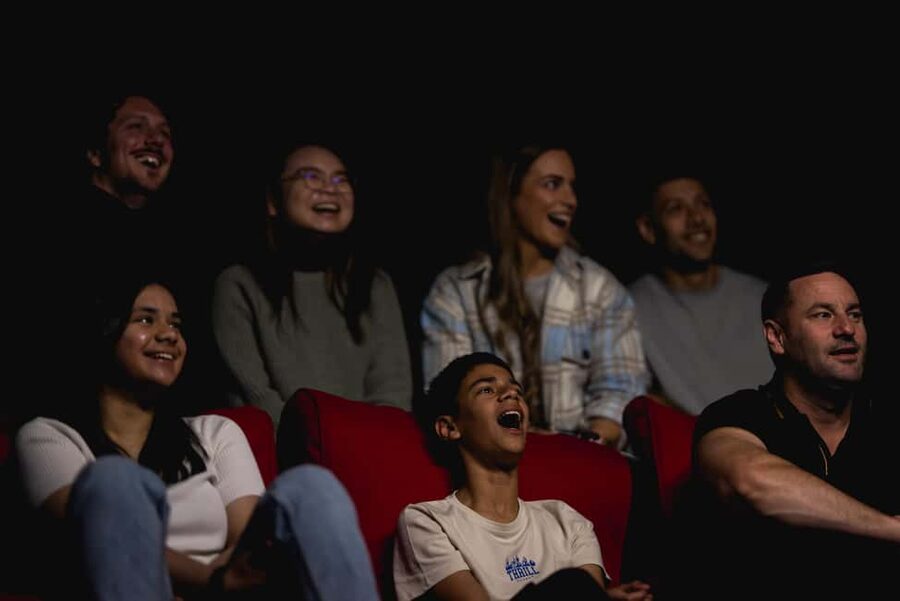
- Indoor stargazing in the Dark Sky Reserve: You can explore the skies above the Aoraki Mackenzie International Dark Sky Reserve while staying warm and dry indoors.
- A 45-minute guided journey: The session moves from the southern sky across our solar system and out toward distant galaxies.
- Virtual technology shows more detail: The presentation can reveal celestial objects more clearly than your eyes may see outside.
- Useful for all ages: Families, children aged 5 to 17, first-time stargazers, and experienced sky-watchers can all find something to enjoy.
- A practical evening activity: You do not need to stay outside until midnight to learn about the stars.
- English-language presentation: The live guide leads the entire session, so clear speech matters.
A warm start to the southern sky
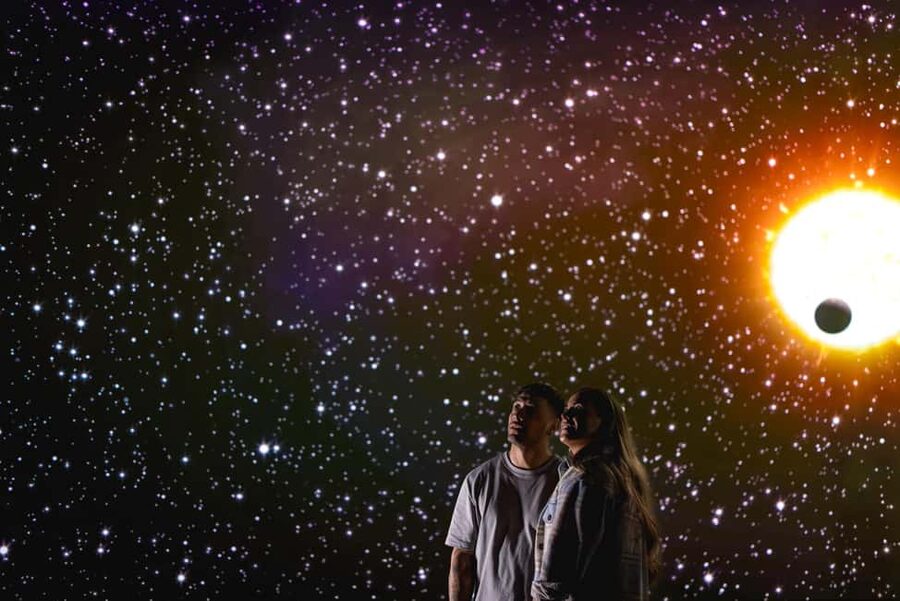
Check in at the Dark Sky base building in Lake Tekapo 15 minutes before your scheduled time. The activity usually runs in the evening, when the subject matter feels right, but you do not need to wait for darkness or good weather to make it worthwhile.
That timing is one of the experience’s best features. A clear night is never guaranteed in the Mackenzie Basin, and outdoor stargazing can become a test of patience when clouds or wind roll in. Here, the main event continues indoors. You can plan it into your evening without gambling on the forecast.
The indoor setting also helps if you have young children. Forty-five minutes is long enough to hold attention but short enough to avoid the familiar family problem of one child becoming fascinated by the exit. Toddlers go free, and the listed child age is 5 to 17 years inclusive.
More Stargazing Tours in Lake Tekapo:
- Lake Tekapo: Alpine Stargazing Experience with a Guide
★ 4.5 · 626 reviews - Lake Tekapo: Stargazing Experience
★ 4.9 · 607 reviews - Chameleon Stargazing Shared Tour
★ 5.0 · 181 reviews
Recreating tonight’s sky with virtual technology
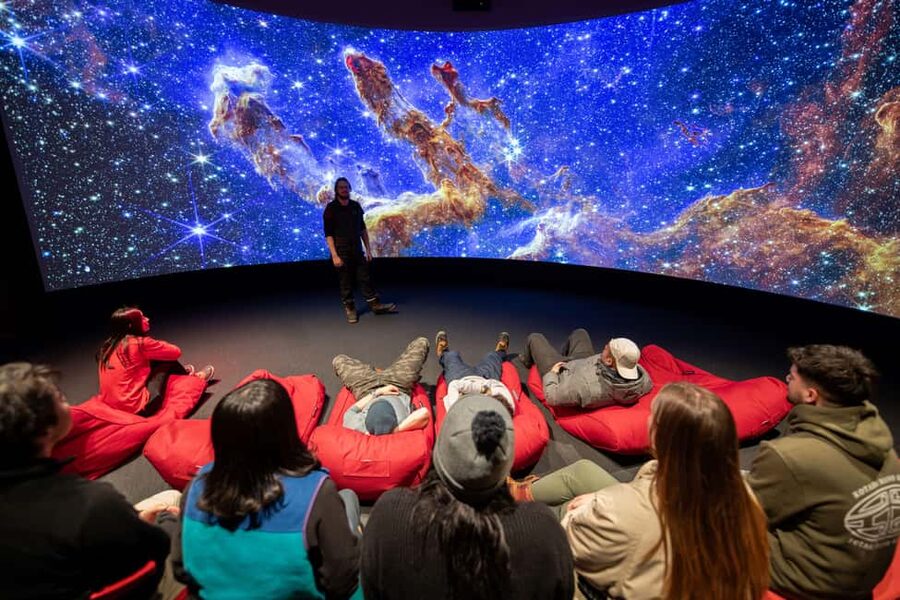
Your astronomy guide uses virtual technology to replicate the sky above Lake Tekapo. The point is not simply to project a pretty collection of stars. The guide uses the digital view to explain what you are seeing and to take you beyond what the naked eye can usually pick out.
You can expect a guided journey through the southern skies, the solar system, and the wider universe. Stars, planets, and galaxies receive more attention than they might during a quick outdoor look, where darkness, eye adjustment, and weather all affect what you can see.
This is especially useful if you are new to stargazing. Outdoors, the sky can seem like a scatter of tiny lights. With a guide and a controlled presentation, those lights become part of a larger story. You learn where to look, what different objects are, and how the southern sky differs from the sky familiar to many northern visitors.
The technology also makes the session more predictable. You will not have to wait for a cloud to move or hope that a planet appears at the right moment. The guide can show the subject clearly and explain it at a pace designed for a mixed audience.
A guided trip from the Milky Way to distant galaxies
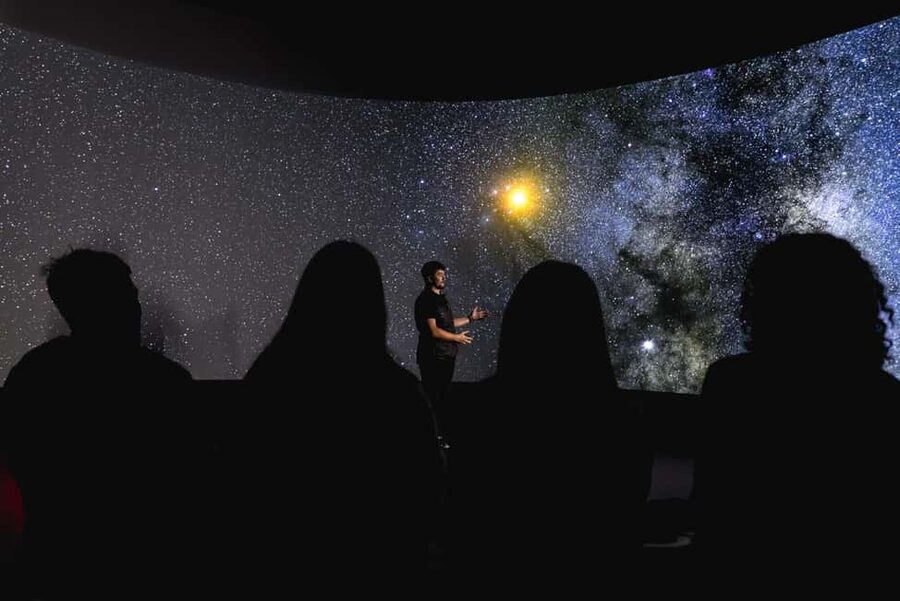
The session is structured as a journey rather than a simple lecture. It begins with the night sky visible from the region, then moves outward through our solar system and into space beyond it.
The first part gives you a sense of place. Lake Tekapo sits within the Aoraki Mackenzie International Dark Sky Reserve, so the local connection matters. You are not learning about an entirely abstract sky. You are learning how to understand the heavens above this part of New Zealand.
The solar system section brings the subject closer to home. Planets are easier to discuss when you can see them in relation to the Sun and one another. A guide can pause on details that would be hard to notice with the naked eye during a normal outdoor session.
The final stage reaches toward galaxies and the wider universe. This is where the virtual format earns its keep. The human eye has limits, but the presentation can take you farther and show more detail than a basic look upward.
The guides also share stories of the universe. That storytelling matters. Facts alone can feel dry, especially for children, while a well-told explanation helps you remember what you saw and why it matters.
Why the indoor format works so well
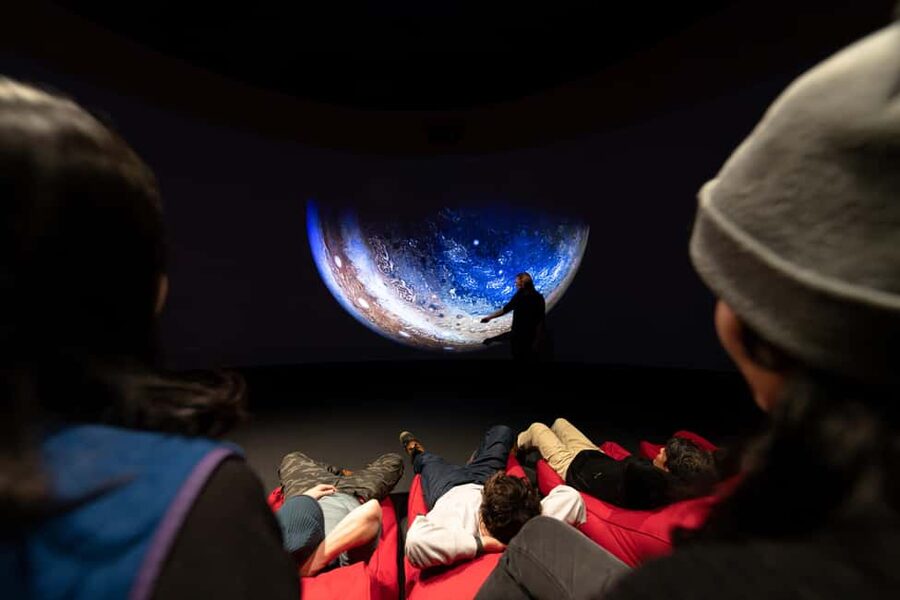
The strongest reason to book this activity is simple: it removes the usual problems attached to stargazing.
You do not need to dress for a long spell outdoors. You do not need to stand still in the cold while waiting for your eyes to adjust. You do not need to cancel because of cloud cover. The indoor setting gives you comfort without removing the connection to the night sky.
One January booking praised the educational value and specifically appreciated not having to stay awake until midnight. That is a useful point for families and anyone with an early start the next morning. Stargazing can be wonderful, but it often asks for patience. This version gives you a substantial astronomy experience in 45 minutes.
A June booking also reported seeing a glimpse of the Milky Way while walking back to accommodation afterward. That is a pleasant bonus, not part of the guaranteed activity. Still, the presentation can give you a better understanding of what to look for if the real sky happens to open up later.
The trade-off is authenticity. You are seeing a virtual recreation indoors, not standing beneath the actual stars. If your main goal is night air, silence, and the feeling of spotting a planet yourself, an outdoor session would offer something different. If your goal is learning and reliable viewing, the indoor format makes strong sense.
Same dark sky, a different way to spend it:
- Lake Tekapo: Mountaintop Stargazing at Mount John Summit
★ 4.5 · 176 reviews - Mount John Observatory Stargazing Experience, Tekapo
★ 4.5 · 160 reviews - Tekapo Star Gazing Tour – Soak in the Stars
★ 4.5 · 109 reviews - Silver River Stargazing Experience in Lake Tekapo
★ 4.5 · 106 reviews
How the $52 price measures up
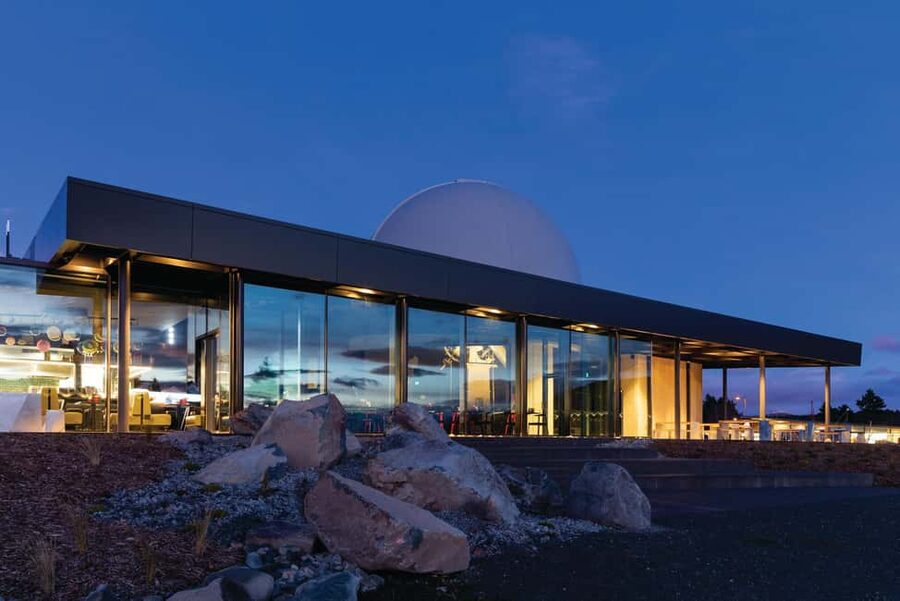
At $52 per person, this is not a throwaway activity, but it offers more than a short visual show. You are paying for a live, guided astronomy experience with a specialist presenter, indoor comfort, and a dependable program that works in poor weather.
The value is strongest if you are visiting Lake Tekapo for a limited time. A failed outdoor stargazing attempt can cost you an evening with little to show for it. This experience gives you a guaranteed astronomy-focused activity, even when the forecast is unhelpful.
It also offers more detail than you may get by simply looking at the sky. An unaided view can be beautiful, but you may not know what you are seeing. The guide supplies the context, names the objects, and connects the local sky to the larger universe.
The value is less clear if you already have strong astronomy skills and want an advanced, highly technical session. The experience is designed to be accessible and family-friendly, so the level needs to work for beginners. Experienced stargazers may enjoy the presentation, but they should not expect a specialist observatory course.
Who will get the most from the 45 minutes
I would put this near the top of the list for:
- Families who want a calm evening activity
- First-time stargazers who need help making sense of the sky
- Anyone visiting during cloudy, rainy, or cold weather
- Visitors who prefer a short scheduled program to a late outdoor session
- Older adults or anyone who values an indoor, wheelchair-accessible setting
- People who want to pair a virtual lesson with their own look at the sky afterward
It may be less suitable if you want a purely outdoor experience. The activity does not replace the feeling of standing under a clear southern sky. Think of it as a guided astronomy presentation with the benefit of virtual viewing, not as an outdoor night walk.
Children aged 5 to 17 are covered by the child category, and young children and toddlers go free. Since the session is family-friendly, it can work well for mixed-age groups, although younger children may take more from the visual side than from every scientific explanation.
Listening matters more than you might expect
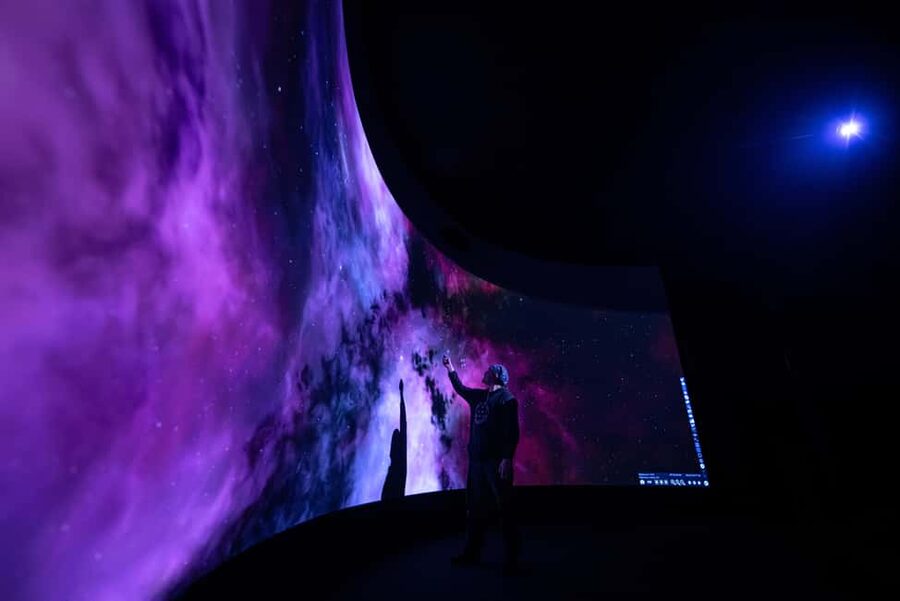
The guide is central to the experience. The technology can show the stars, but the presenter gives them meaning. A German visitor found the guide interesting, engaging, comfortable to watch, and informative.
There is one important caution. A New Zealand couple had trouble understanding a guide who spoke quickly with a strong German accent. That does not mean every session will have the same issue, but it is a fair reminder that this is a live English-language tour. If you or someone in your group has difficulty following fast speech or unfamiliar accents, the experience may be less satisfying.
The best approach is to arrive ready to listen and ask for clarification if needed. The subject can move quickly, especially when the guide shifts from local stars to planets and galaxies. Clear delivery makes a real difference in a 45-minute program.
Practical details before you book
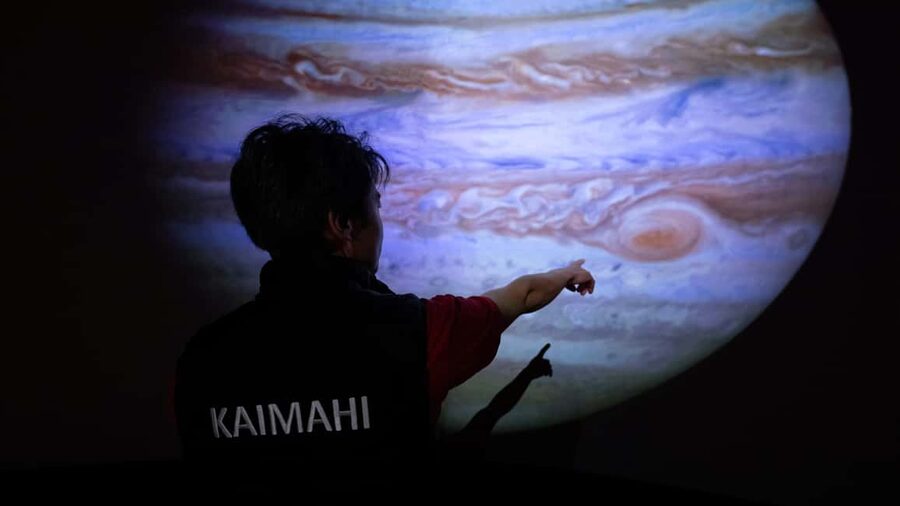
Plan to arrive at the Dark Sky base building 15 minutes before the start. The meeting point is inside the building in Lake Tekapo, so you do not begin by waiting outdoors.
The experience lasts 45 minutes and is generally offered in the evening. It is conducted in English with a live guide. The venue is wheelchair accessible, which makes the indoor format useful for people who may find an outdoor stargazing setup difficult.
Food and drinks are not included. Since the session is relatively short, you can easily fit it around dinner, but you should make your own arrangements before or after the program.
Free cancellation is available up to 24 hours in advance for a full refund. That gives you some room to adjust plans, though the indoor format means you do not need to cancel simply because the weather turns bad.
Pairing the virtual sky with the real one
The cleverest way to use this experience is to treat it as a primer for your own evening sky-watching. Pay attention to the guide’s explanations, then look outside later if conditions allow.
You may recognize more than you would have before the session. Even a brief glimpse of the Milky Way on the walk back can feel different once you understand what you are looking at. The virtual presentation does not compete with the real sky. It can help you read it.
Still, keep your expectations clear. The experience promises an all-weather indoor astronomy journey. It does not promise a clear view outdoors afterward. Any real-world stargazing you do later depends on conditions.
Should you book Lake Tekapo Virtual Stargazing?
Book it if you want a reliable, warm, educational introduction to the southern sky. The combination of expert guidance, virtual detail, family-friendly timing, and weather protection gives this activity broad appeal.
I would especially recommend it for families, first-time stargazers, and anyone with only one evening in Lake Tekapo. At $52, the price is reasonable when you value certainty and explanation as much as the view itself.
Skip it if your only goal is to stand outdoors beneath natural stars. For everyone else, this is a practical way to understand the sky before you try spotting it on your own. Arrive 15 minutes early, keep the English-language presentation in mind, and consider taking a short look outside afterward.
FAQ
Where does the Lake Tekapo virtual stargazing experience take place?
It takes place inside the Dark Sky base building in Lake Tekapo, on New Zealand’s South Island.
How long does the experience last?
The guided virtual astronomy experience lasts 45 minutes.
Is the activity available in bad weather?
Yes. It is an all-weather indoor experience using virtual technology to bring the night sky to life.
What can I learn about during the session?
The guide takes you through the southern skies, our solar system, and the universe beyond it. You can see stars, planets, and galaxies in greater detail than with the naked eye.
Is the experience suitable for children?
Yes. It is family-friendly. The child age range is 5 to 17 years inclusive, and young children and toddlers go free.
What language is the tour in?
The live tour guide conducts the experience in English.
Is the experience wheelchair accessible?
Yes. The activity is listed as wheelchair accessible.
Can I cancel for a full refund?
Yes. You can cancel up to 24 hours in advance for a full refund.
Just added around Lake Tekapo
- Virtual Stargazing & Astronomy Experience in Lake Tekapo★ 3.0 · 2 reviews
- Lake Tekapo Ultimate Stargazing Experience★ 5.0 · 3 reviews
- Lake Tekapo: Indoor Māori Cultural Astronomy Experience★ 4.5 · 43 reviews
- Lake Tekapo: Ultimate Stargazing Experience★ 4.3 · 12 reviews
- Lake Tekapo: Stargazing Experience at Cowan’s Observatory★ 4.7 · 52 reviews
- Lake Tekapo: 1.5-Hour Hot Pools & Stargazing Experience★ 4.0 · 45 reviews
- Stargazing Experience at Cowan’s Private Observatory★ 4.0 · 85 reviews
- Dark Sky Indoor Maori Cultural Astronomy Experience★ 4.5 · 70 reviews
Stargazing Tours, compared.
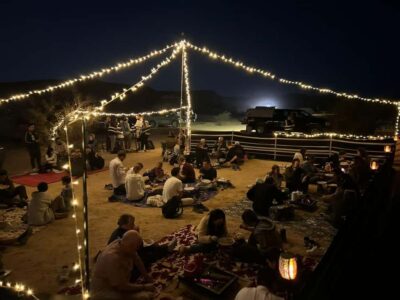
Dubai Red Dunes ATV, Camels, Stargazing & 5* BBQ Al Khayma Camp
Read our review →
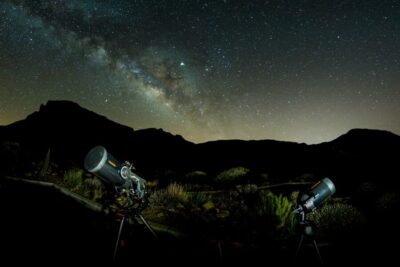
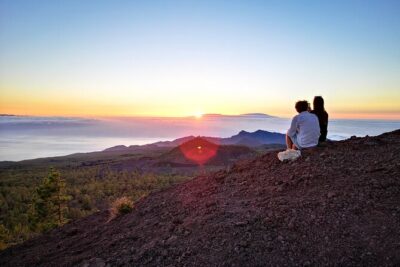
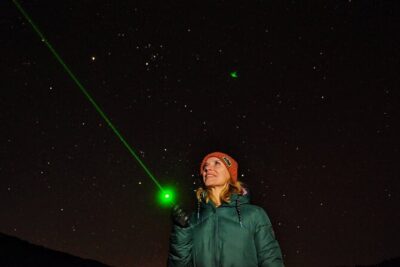
Teide National Park Sunset & Stargazing with Dinner (Star Safari)
Read our review →
Sunset Camel Trek, Al Khayma Camp, Stargazing & BBQ
Read our review →
Overnight Safari, Dinner, Stargazing & Al Khayma Camp
Read our review →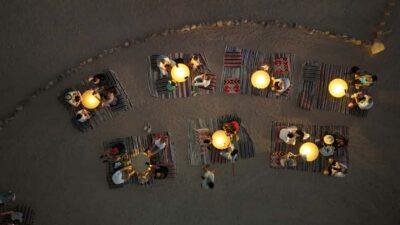
Dubai Overnight Desert Safari, BBQ & Stargazing at Al Khayma Camp
Read our review →Browse the lists this tour appears in