
Review · LAKE TEKAPO
Virtual Stargazing & Astronomy Experience in Lake Tekapo
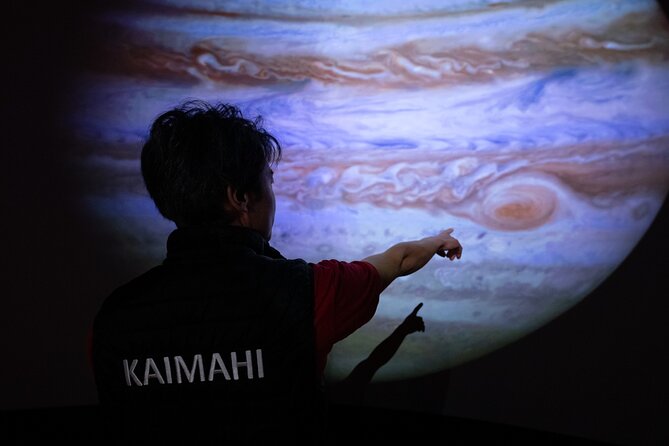
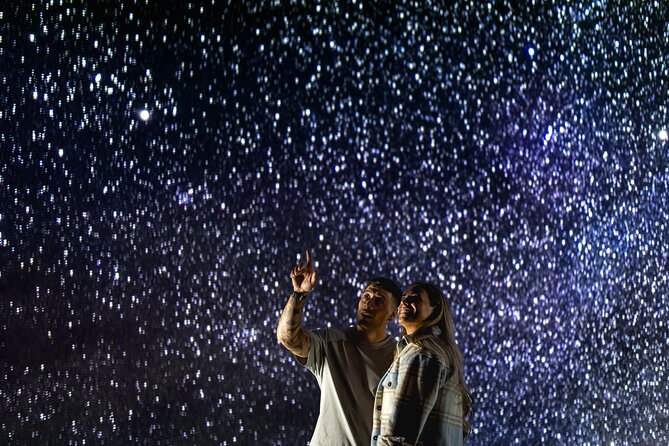
Look up without waiting for clear skies. This indoor Lake Tekapo experience uses space-rendering technology to show the Southern Hemisphere sky, the solar system, and distant parts of the universe. I like the all-weather format, which keeps your astronomy plans safe when clouds or rain spoil outdoor stargazing. I also like the chance to study stars such as the Southern Cross with a guide rather than simply pointing at a dark sky and guessing.
The main caution is expectation. This is a science presentation with virtual visuals, not outdoor stargazing under the real stars. One account found the session too much like a school lesson and had trouble understanding the guide, while another praised Kate for answering questions and for helping connect the virtual material with an outdoor stargazing session. Your enjoyment will depend heavily on what you want from the hour.
Key points at a glance
- Indoor astronomy at 1 Motuariki Lane: The Dark Sky Project provides a weather-proof setting in central Lake Tekapo.
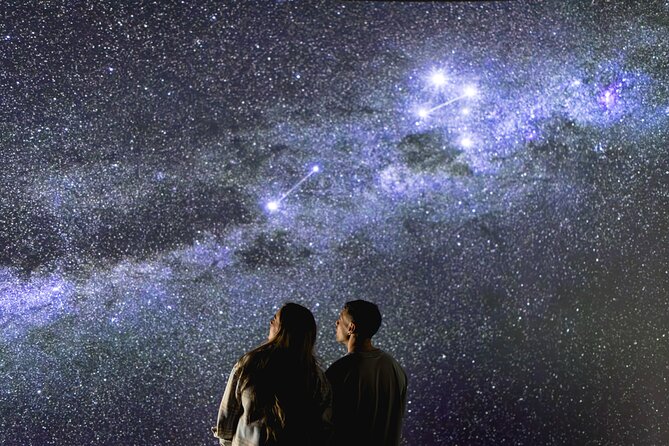
- Virtual journey through space: Expect a guided look at Southern Hemisphere constellations, the solar system, Saturn’s rings, and the wider universe.
- About 45 minutes to one hour: The core presentation is described as 45 minutes, while the overall activity is listed at approximately one hour.
- Small maximum group of 26: This is not a huge auditorium event, which should make questions more manageable.
- Price of $55.07 per person: The value rests on the guide, presentation quality, and technology rather than on outdoor viewing time.
- Free cancellation up to 24 hours ahead: You can cancel for a full refund if you do so at least one day before the local start time.
What the Lake Tekapo astronomy session actually offers
The Dark Sky Project is located at 1 Motuariki Lane in Lake Tekapo, on New Zealand’s South Island. You make your own way to the meeting point, and the activity finishes there, so it fits neatly into an evening already spent around the town.
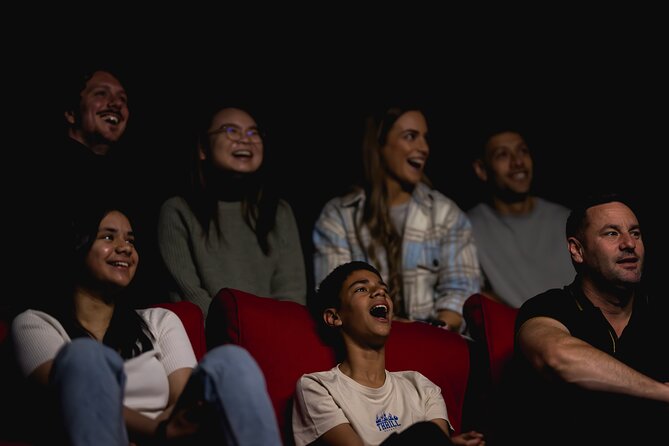
This is an indoor astronomy experience. That matters in Lake Tekapo, a place known for dark skies but also subject to the ordinary problems of weather. Clouds can erase a view of the Milky Way in minutes. With this session, you still get a structured look at the night sky even when outdoor viewing is not possible.
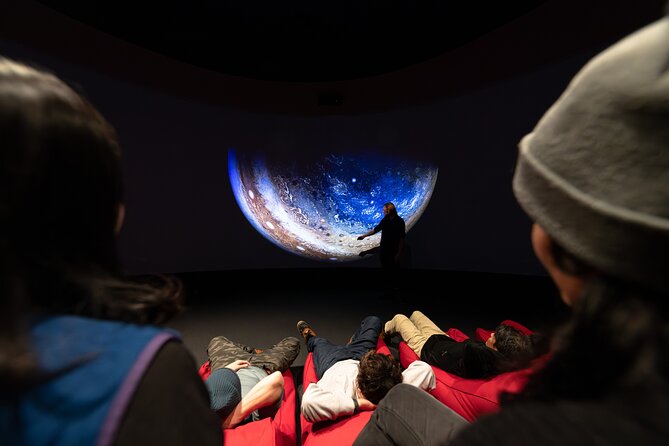
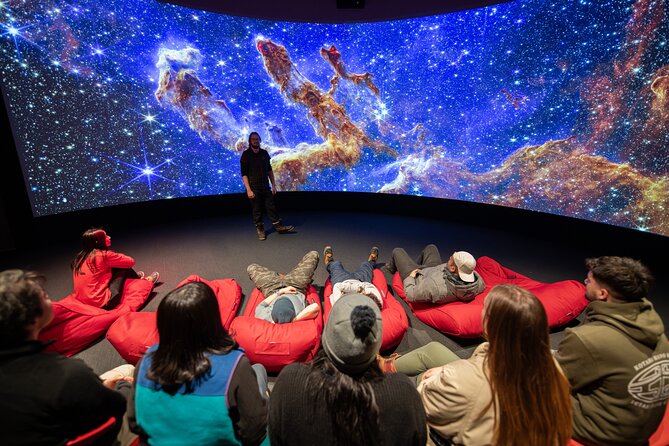
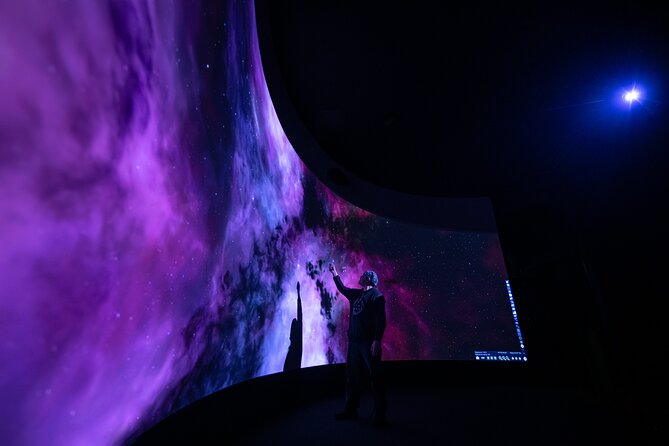
The presentation uses space-rendering technology to create a virtual journey across the sky and beyond Earth. You may be shown how to locate the Southern Cross, what makes Southern Hemisphere constellations different from those familiar in the north, and how the solar system fits into the larger universe.
The central idea is not simply to show pretty pictures. The guide explains the science behind what you see. You are encouraged to consider the scale of the universe, the movement of planets, and our place within it. That makes the session useful for someone who wants a clearer framework before heading outside to look at real stars.
More Stargazing Tours in Lake Tekapo:
- Lake Tekapo: Alpine Stargazing Experience with a Guide
★ 4.5 · 626 reviews - Lake Tekapo: Stargazing Experience
★ 4.9 · 607 reviews - Chameleon Stargazing Shared Tour
★ 5.0 · 181 reviews
Inside the Dark Sky Project at 1 Motuariki Lane
Your visit begins and ends at the Dark Sky Project. There is no outdoor transfer or separate viewing site included in the information provided, so plan on arriving at the stated meeting point with enough time to check in.
The activity is designed for a maximum of 26 people. That is a useful size for an astronomy lesson. It is large enough to create some energy in the room, but small enough that questions should not disappear into a crowd. The experience can also operate with fewer people. In one especially positive account, the booking became a private session, giving the visitor a more personal exchange with the guide.
The setting is important because the technology needs a controlled indoor environment. You are not waiting for darkness, adjusting your eyes, or hoping a cloud moves away. Instead, the guide can bring the stars, planets, and wider universe into the room on schedule.
That convenience has a trade-off. A digital view can show you Saturn’s rings from a position that no ordinary observer could reach, but it does not replace the feeling of seeing a real star with your own eyes. If you are seeking the quiet, open-air mood of night viewing, this session may feel more like a planetarium lesson than a stargazing outing.
From the Southern Cross to Saturn’s rings
The session takes you from familiar sky patterns to places far beyond the Earth. The Southern Cross is a natural starting point because it is one of the key constellations of the Southern Hemisphere. You can learn how to recognize it and gain a better sense of how southern skies differ from those you may know from home.
The virtual format then expands the scale. You might find yourself looking at the solar system, considering the position of planets, or viewing Saturn from a perspective that would be impossible in an outdoor telescope session. The experience specifically invites you to imagine standing inside Saturn’s rings, using that striking idea to make planetary science easier to picture.
The technology is at its best when it explains something that is hard to grasp from a normal star chart. Distances, orbits, and the shape of the universe can seem abstract on a printed page. A moving, guided rendering can make those ideas more immediate.
Still, do not expect a free-form flight through space. The guide controls the pace and the content. You are there for a prepared educational program, with room for questions if the group size and timing allow. If you prefer quiet observation with minimal narration, this may feel too structured.
Why the guide matters so much
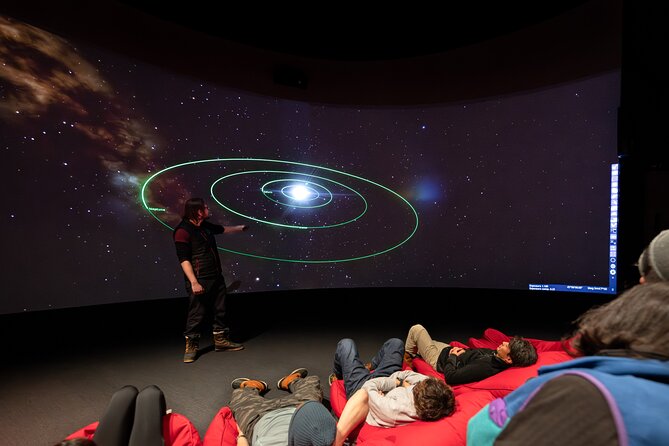
The guide is the human center of the experience. The presentation can show planets and stars, but a good explanation helps you understand why they matter and how to find them later.
Kate received particularly warm praise for her ability to answer questions and connect the virtual session with outdoor stargazing. That is exactly where a guide adds value. Instead of treating the session as a slideshow, a strong presenter can respond to what you are seeing and help link the science to the real sky above Lake Tekapo.
The quality of communication is worth considering. One account described the speaker as pleasant but difficult to understand because the English was not clear. That is a significant issue in an experience built around spoken explanation. Even excellent visuals lose some value if you cannot follow the narration.
I would approach this with reasonable expectations. Guides may have different presentation styles, and the material is educational by design. The best fit is someone who enjoys asking questions, learning basic astronomy, and giving the science time to unfold. If you want constant spectacle, the session could feel slow.
Same dark sky, a different way to spend it:
- Lake Tekapo: Mountaintop Stargazing at Mount John Summit
★ 4.5 · 176 reviews - Mount John Observatory Stargazing Experience, Tekapo
★ 4.5 · 160 reviews - Tekapo Star Gazing Tour – Soak in the Stars
★ 4.5 · 109 reviews - Silver River Stargazing Experience in Lake Tekapo
★ 4.5 · 106 reviews
A 45-minute presentation with an approximately one-hour schedule
The detailed description calls the presentation 45 minutes, while the overall duration is listed as approximately one hour. Allow the full hour rather than planning another activity immediately afterward.
That extra margin is sensible for arrival, settling in, and the natural rhythm of a guided presentation. It also gives you breathing room if questions are included. Since the activity finishes at the same place where it starts, you do not have to account for a transfer afterward.
Forty-five minutes is enough time to introduce the southern sky without making the experience an all-night commitment. You can fit it between dinner and another Lake Tekapo plan, or use it as a backup when outdoor conditions are poor.
The short format also means the content needs to move at a steady pace. You will not receive an advanced astronomy course in one session. Instead, you get a clear introduction to constellations, the solar system, and the wider universe. I see that as a strength for families, first-time stargazers, and anyone who wants useful context without a long lecture.
Is $55.07 good value?
At $55.07 per person, this is not a throwaway activity. The price is reasonable if you value a guided presentation, specialist space-rendering technology, and a guaranteed indoor program. It is less convincing if you are paying mainly for the chance to see real stars.
You are buying access to interpretation and technology, not a telescope session under the open sky. The value improves when the weather is poor, when you are new to astronomy, or when you plan to combine this with outdoor stargazing. The virtual material can help you understand what you later see outside.
The strongest case is to use it as a learning session. Afterward, you may recognize the Southern Cross more easily and understand the solar system with greater confidence. Without that interest, the price may feel high for less than an hour indoors.
The group limit of 26 helps support the price. A smaller group should make the guide’s explanations easier to follow and may give you a better chance to ask questions. A private or lightly attended session can be especially good value for people who enjoy direct conversation with an astronomy guide.
Who will enjoy this most?
I would recommend this experience to:
- First-time visitors to the Southern Hemisphere sky
- Families and adults who enjoy science-based activities
- Anyone visiting Lake Tekapo during uncertain weather
- People who want context before outdoor stargazing
- Visitors who like guided explanations more than silent viewing
- Anyone curious about planets, constellations, and the scale of space
Children may appreciate the idea of visiting Saturn’s rings, but the educational tone matters. The session is not described as a fast-moving entertainment show. Younger children who need constant action may lose interest, while older children with questions about space could get a lot from it.
It also suits visitors who do not want to spend a late night outdoors. You can learn about the night sky in a warm indoor setting, without waiting for darkness or standing around in cold conditions.
I would be more cautious if your main goal is authentic outdoor stargazing. The virtual setting can explain the sky, but it cannot reproduce the silence, temperature, scale, and surprise of seeing stars above you.
Booking details that matter
You receive confirmation at the time of booking, and a mobile ticket is available. The average booking time is 59 days ahead, which suggests that people often plan this activity well before arriving in Lake Tekapo. If your dates are fixed, booking early is sensible, particularly if you want a specific time.
The activity allows service animals, and most people can take part. The maximum group size is 26. No special fitness requirement is stated, and the program takes place indoors at the meeting point.
Cancellation is flexible up to a point. You receive a full refund if you cancel at least 24 hours before the local start time. Cancellations or changes within 24 hours are not refunded or accepted, so check your plans before that cut-off.
Because the activity is weather-proof, you do not need to cancel simply because the sky is cloudy. In fact, poor weather is one of the best reasons to keep it in your schedule.
How to get more from the hour
Go in ready to ask questions. The session is more useful when you treat it as a guided explanation rather than a passive screen show. If you have already tried outdoor stargazing, bring along questions about what you saw.
It also helps to separate two goals: learning the sky and seeing the sky. This experience is better for the first goal. An outdoor session, if you book one separately, is better for the second. Together, they can complement each other, with the virtual program explaining the patterns and the real night sky giving you a chance to recognize them.
Pay attention to the Southern Cross. It is one of the clearest practical takeaways because it gives you a starting point for understanding the southern sky. The virtual journey through the solar system can then place that local view into a much larger setting.
Finally, keep the presentation style in mind. If the guide speaks clearly and responds well to questions, the session can feel personal and rewarding. If the explanation is hard to follow, the technology alone may not carry the full hour.
Should you book the Virtual Stargazing Experience?
Book it if you want a reliable indoor astronomy lesson, especially when clouds threaten your outdoor plans. The combination of Southern Hemisphere star knowledge, virtual views of the solar system, and a guide-led presentation gives you more than a simple screen show.
I would book this as a companion to outdoor stargazing, not as a complete replacement for it. The experience is best for curious visitors who enjoy science and want help making sense of the sky. If you expect to stand beneath real stars, you may be disappointed.
At $55.07, the decision comes down to the guide and your expectations. Go for the learning, the weather protection, and the chance to see the universe from unusual virtual viewpoints. Skip it only if your priority is a purely outdoor night under Lake Tekapo’s real sky.
FAQ
Where does the Virtual Stargazing Experience take place?
It takes place at the Dark Sky Project, 1 Motuariki Lane, Lake Tekapo 7999, New Zealand.
How long does the experience last?
The overall activity is approximately one hour. The main presentation is described as lasting 45 minutes.
Is the activity indoors?
Yes. It is an all-weather, indoor astronomy experience.
What does the presentation cover?
The session covers the Southern Hemisphere constellations, the night sky, the solar system, and the wider universe. It also uses virtual technology to show experiences such as viewing Saturn’s rings.
How many people can join the activity?
The maximum group size is 26 people.
Can I cancel for a full refund?
Yes. You can cancel for a full refund at least 24 hours before the local start time. Cancellations and changes made within 24 hours are not refunded or accepted.
Just added around Lake Tekapo
- Lake Tekapo Ultimate Stargazing Experience★ 5.0 · 3 reviews
- Lake Tekapo: Indoor Māori Cultural Astronomy Experience★ 4.5 · 43 reviews
- Lake Tekapo: Ultimate Stargazing Experience★ 4.3 · 12 reviews
- Lake Tekapo: Virtual Stargazing and Astronomy Experience★ 4.5 · 8 reviews
- Lake Tekapo: Stargazing Experience at Cowan’s Observatory★ 4.7 · 52 reviews
- Lake Tekapo: 1.5-Hour Hot Pools & Stargazing Experience★ 4.0 · 45 reviews
- Stargazing Experience at Cowan’s Private Observatory★ 4.0 · 85 reviews
- Dark Sky Indoor Maori Cultural Astronomy Experience★ 4.5 · 70 reviews
Stargazing Tours, compared.
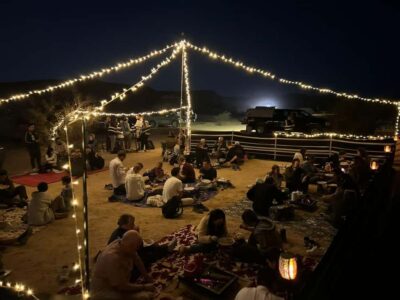
Dubai Red Dunes ATV, Camels, Stargazing & 5* BBQ Al Khayma Camp
Read our review →
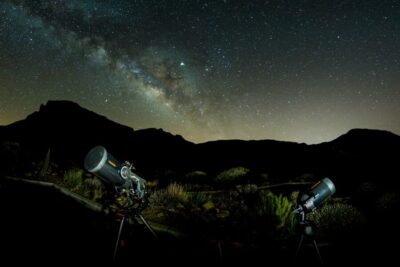
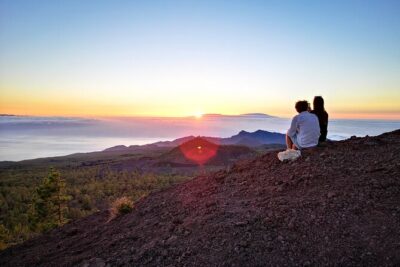
Teide National Park Sunset & Stargazing with Dinner (Star Safari)
Read our review →
Sunset Camel Trek, Al Khayma Camp, Stargazing & BBQ
Read our review →
Overnight Safari, Dinner, Stargazing & Al Khayma Camp
Read our review →
Dubai Overnight Desert Safari, BBQ & Stargazing at Al Khayma Camp
Read our review →Browse the lists this tour appears in