
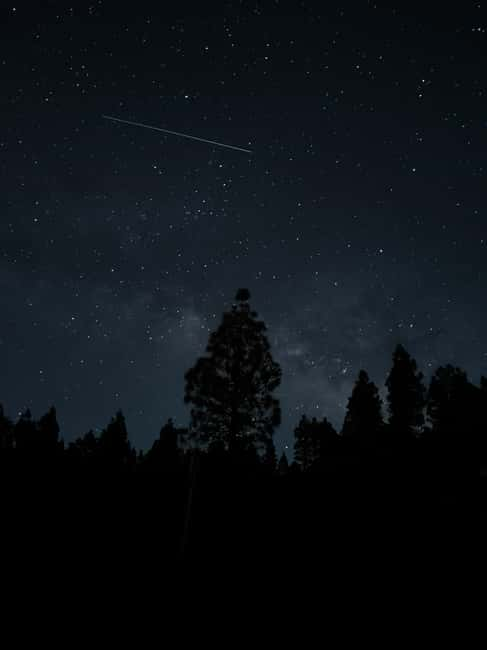
Review · LA PALMA
La Palma: VIP Night Sky Tour With Your Own Telescope
The stars here are worth staying up for. La Palma’s VIP night sky tour gives you your own telescope, personal guidance, and time to look without being hurried. I especially like the private telescope and the warm, clear explanations from guides María José and Nicolás. The main catch is that this is a cold, weather-dependent outing, and some English explanations may feel technical.
This is not a private tour for just you and your companions. It is a small group experience of up to 10 people, with a telescope reserved for your booking. That distinction matters. You get more personal attention than on a standard group visit, but you still share the wider evening with others.
Key points to know before booking
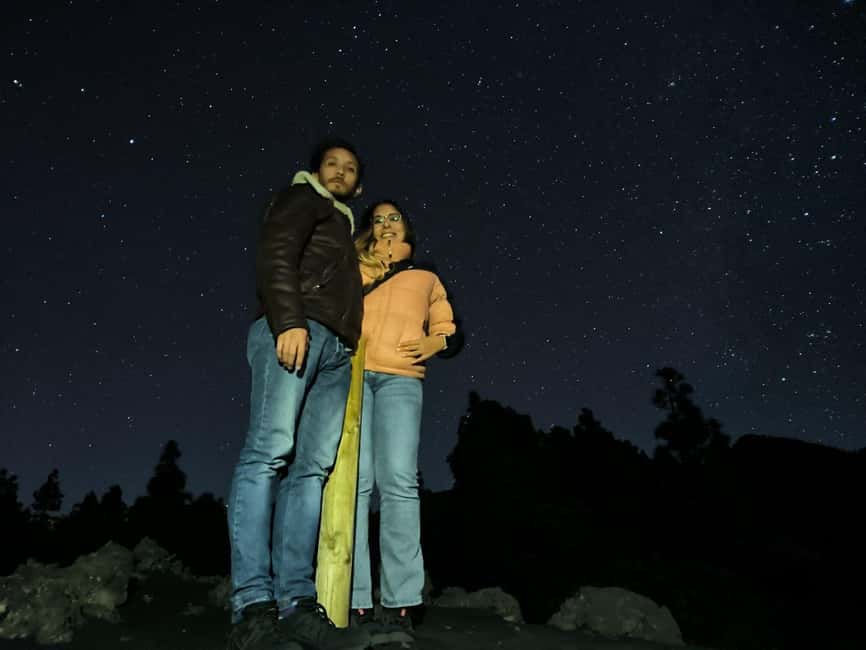
- Your own telescope: The telescope is reserved exclusively for your booking, so you can help choose what to observe and ask questions at your own pace.
- Two main high viewpoints: Llano del Jable and Llano de Las Ventas sit at about 1,341 and 1,320 metres above sea level, just five minutes apart.
- Weather decides the plan: The meeting point and start time can change because of clouds, wind, humidity, haze, alerts, and the position of visible objects.
- A full astronomy lesson: The evening moves from naked-eye stars and satellites to binoculars, planets, star clusters, nebulae, and galaxies.
- Dress for serious cold: Warm clothing and shoes are essential, especially at the high viewpoints.
- A personal finish: Three professional starry photos are included for your booking.
Why La Palma is such a good place for stargazing
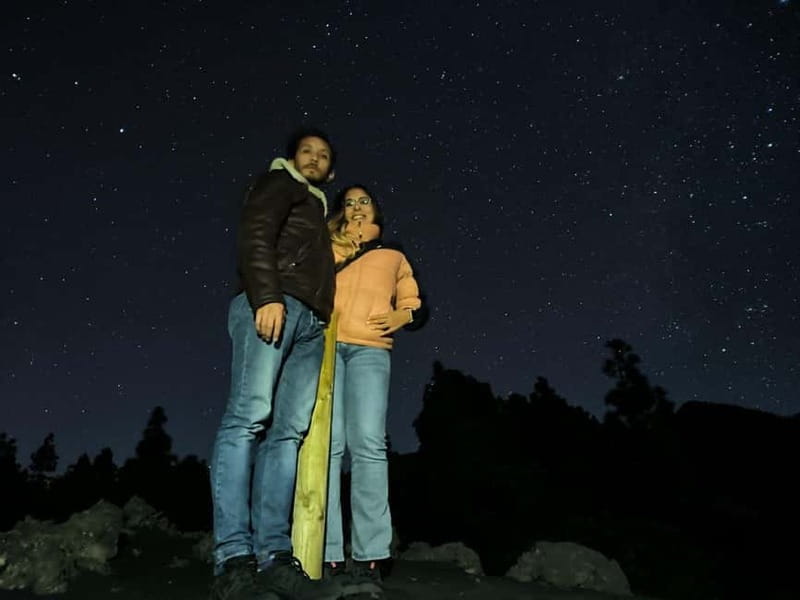
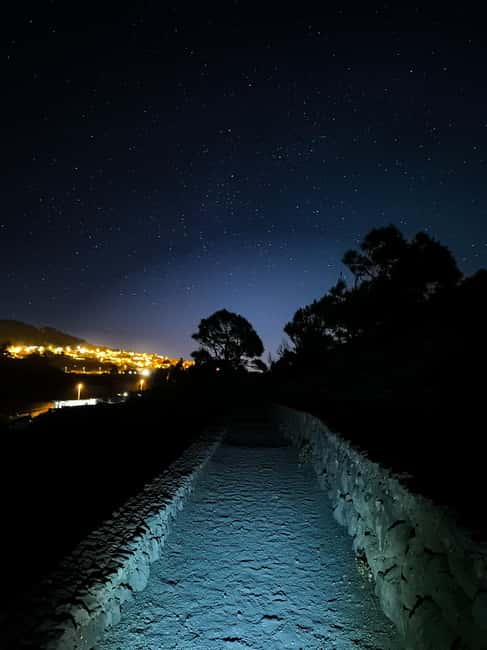
La Palma is part of the Canary Islands, but this evening takes you well away from ordinary town lights. The activity uses certified astronomical viewpoints, where the dark sky is treated as a resource worth protecting.
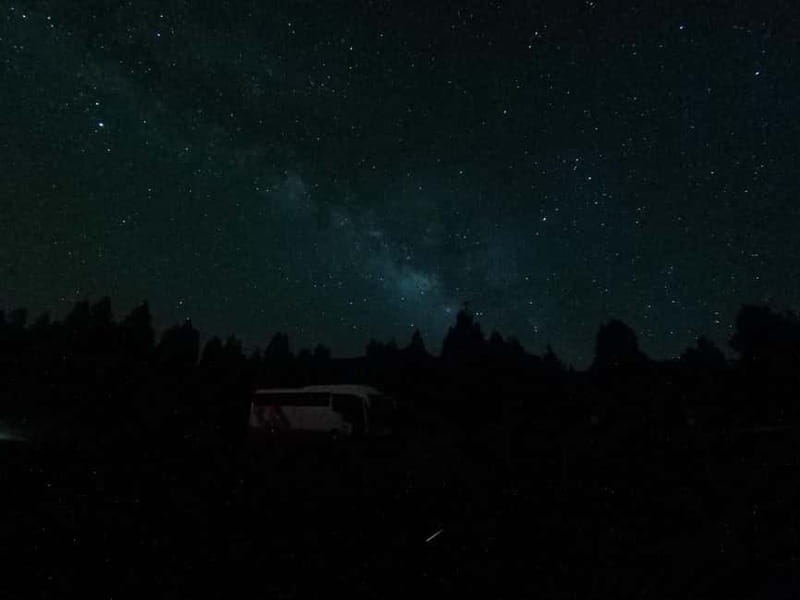
That darkness changes what you can see. Instead of looking at a few bright stars through a washed-out sky, you get a chance to notice constellations, satellites, planets, and hazy objects far beyond the Solar System. Your guide uses a laser pointer to connect the points of light and help you get your bearings.
The setting also gives the guides room to explain why La Palma matters to astronomy. You are not simply waiting for a telescope to be pointed at something bright. The night links science with myths, legends, and the stories people have told about the sky for centuries.
There is one practical tradeoff. These viewpoints are high and exposed, so comfort depends on clothing and conditions. The same clear air that helps stargazing can make the night feel very cold.
More Telescope Stargazing in Spain:
- Teide by Night: Sunset & Stargazing with Telescopes Experience
★ 4.5 · 1,492 reviews - Teide National Park: Guided Large Telescope Stargazing Tour
★ 4.9 · 319 reviews - Cavalleria: Guided Stargazing at the Beach with Telescope
★ 4.9 · 87 reviews
The welcome and the first look at the sky
The activity lasts about 90 minutes, though it can run between 1.5 and 1.75 hours when the group has plenty of questions. It begins with an introduction to the team and a quick orientation to the equipment.
You are assigned a telescope reserved for your booking. That is the heart of the VIP option. Instead of waiting for one instrument to rotate through a large crowd, you have a dedicated setup and more time to look through it.
The opening section uses no equipment at all. María José or Nicolás points out prominent stars, constellations, planets, and satellites with an astronomical laser. This is a useful start because it gives you a map of the sky before you start looking through lenses.
I like this order. It helps you understand what you are seeing rather than treating the sky as a random collection of bright dots. If you know little about astronomy, pay attention here and ask questions early. The guides are happy to explain, but the subject can include technical terms, particularly when the conversation turns from simple sky stories to astronomy.
The guides have been praised for being friendly, lively, and enthusiastic about the subject. Their energy matters in an outdoor activity. A dry lecture under a cold sky would be hard work. Their approach mixes science with humour and storytelling, which keeps the evening moving.
Binoculars, myths, and a wider view
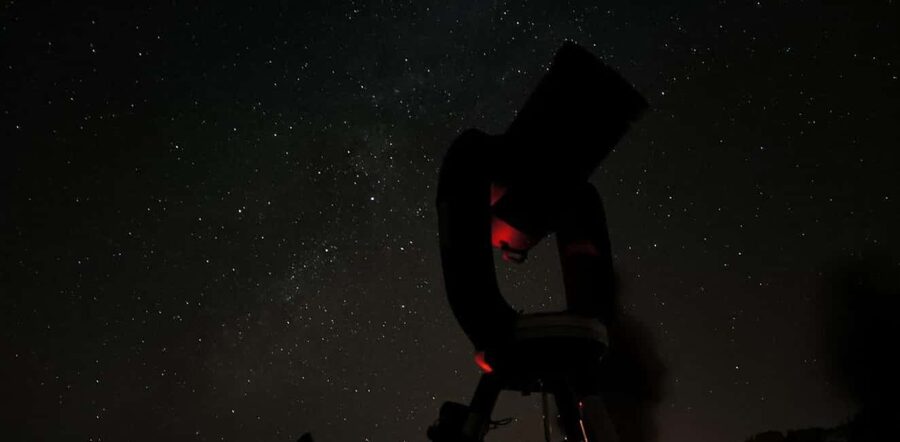
After the naked-eye introduction, binoculars let you see larger areas of the sky at once. A telescope magnifies a small target, while binoculars help you understand how stars sit in relation to one another.
This part is easy to overlook, but it gives the night a good rhythm. You move from the broad sky to selected objects, then to close views through the telescope. The guide can explain a constellation’s shape, the stories attached to it, and the science behind the stars that form it.
You should not expect a fixed list of objects every night. The visible targets depend on the date, the time, cloud cover, haze, and the position of planets and other objects. On a full moon night, the focus shifts toward the Moon and its details rather than the faintest deep-space targets.
That is not necessarily a bad outcome. The Moon can be one of the most impressive objects to see through a good telescope, with its craters and changing light. Just understand that a full moon makes some faint objects harder to see because its brightness affects the surrounding sky.
The private telescope is the real VIP feature
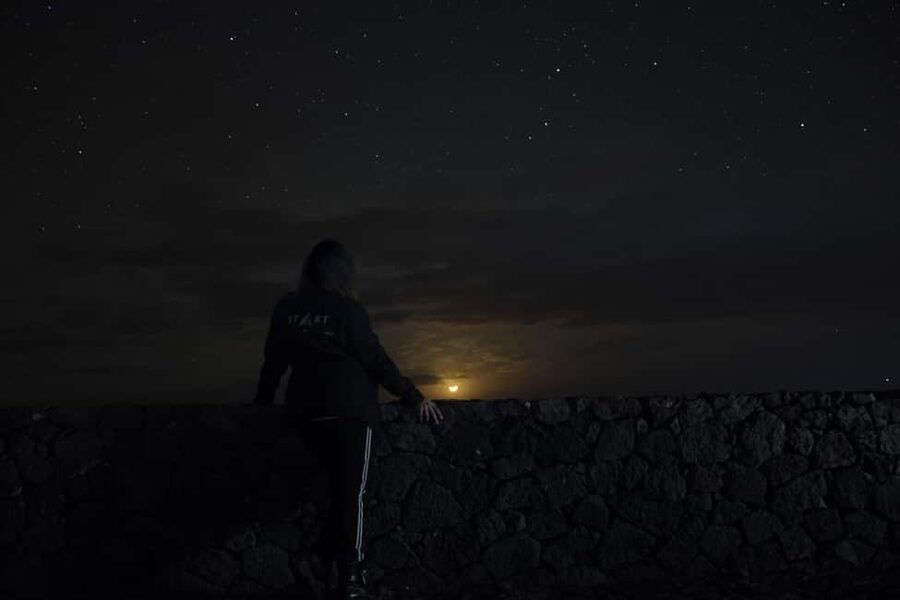
The telescope reserved for your booking is what separates this experience from a standard group stargazing session. You can adjust it for your eye, ask for an object to be located, and take your time at the eyepiece.
That last point is important. At a crowded telescope, you often get a quick look before the next person steps forward. Here, you have more room to check what you are seeing and ask why it looks that way.
The guide can begin with familiar objects such as the Moon and planets. Jupiter or Saturn may be included when conditions and timing allow. The wording matters: these planets are not guaranteed on every night, since the sky changes and visibility depends on the schedule.
From there, the telescope may be directed toward stars, star clusters, nebulae, and galaxies. Each category gives you a different kind of view. A planet can show a clear disc or major features. A cluster may appear as a compact gathering of points. A nebula can be a soft, pale shape, while a galaxy may appear as a faint patch rather than the bright spiral image you have seen in photographs.
That is where expectations matter. Professional space photographs are processed and often use long exposures. Looking through a telescope is a direct visual experience, but faint objects may look subtle. The pleasure comes from knowing what you are seeing and from seeing it with your own eyes.
The three professional starry photos included with your booking help preserve the evening. They are a nice extra, but they should not replace your own view through the telescope. You are paying for the live experience, the guidance, and the control over your observation time.
More Stargazing Tours in Spain:
- Tenerife: Teide National Park Sunset & Stargazing Tour
★ 4.2 · 3,812 reviews - Tenerife: Sunset and Stargazing at Teide National Park
★ 4.7 · 2,826 reviews - Teide National Park Sunset & Stargazing with Dinner (Star Safari)
★ 5.0 · 2,601 reviews - Teide National Park: Sunset & Stargazing Safari with Dinner
★ 4.6 · 2,115 reviews
What the guides add to the evening
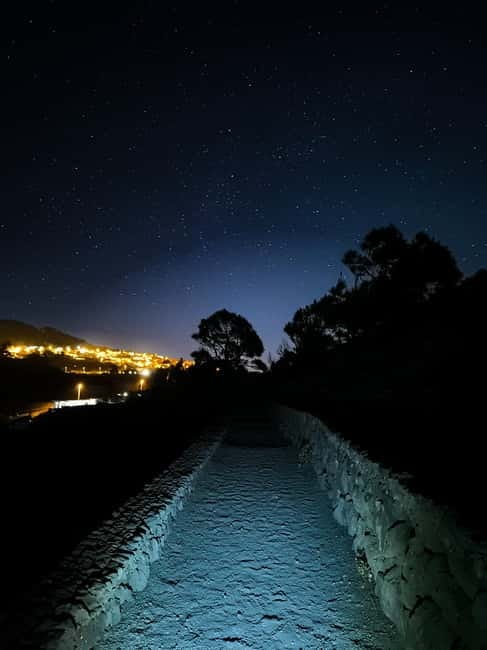
María José and Nicolás are central to the tone of the activity. Their explanations combine astronomy, history, myths, and legends, so the session is not aimed only at people who already know the difference between a nebula and a star cluster.
I like that the format leaves room for questions. You can ask about the object in front of you, the equipment, or something you noticed with the naked eye. The guides also help adjust the telescope and explain how to use it.
The language choice is English or Spanish. The available feedback shows strong praise for the guides’ enthusiasm and clarity, but it also points to a fair limitation: some English explanations can be difficult to follow, especially when technical terms appear.
If English is not your first language, or if you have no astronomy background, do not be shy about asking for simpler wording. This is a better match for curious beginners who enjoy asking questions than for someone who wants a polished, silent photo stop.
Choosing the meeting point and handling the weather
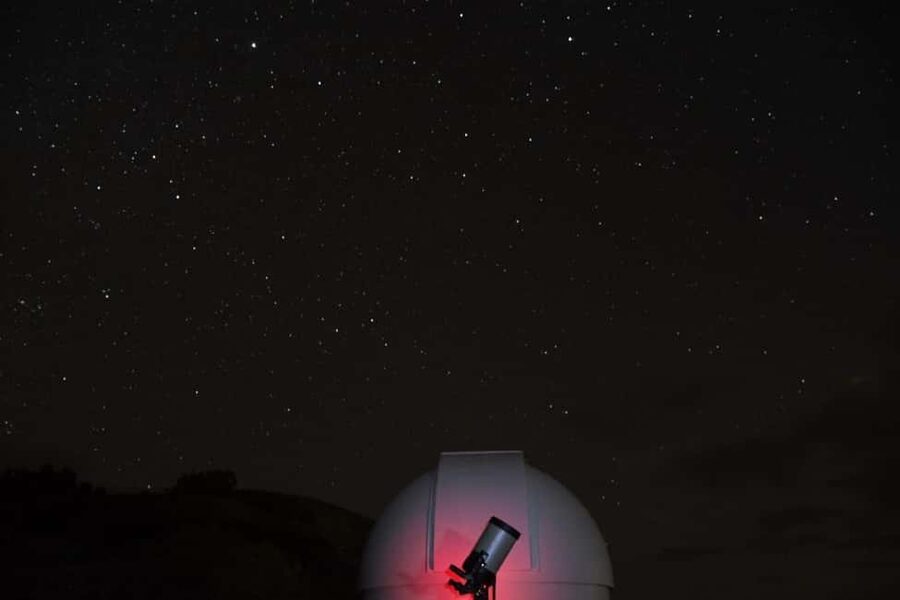
The usual meeting points are Llano del Jable Astronomical Viewpoint at 1,341 metres and Llano de Las Ventas Astronomical Viewpoint at 1,320 metres. They are about five minutes apart and roughly 39 minutes from Santa Cruz, Los Cancajos, and Los Llanos by car.
Both have parking. When you arrive, park with your headlights facing the road so the beams do not spoil other people’s night vision. Walk toward the group using a red light. If you only have a white light, point it at the ground and avoid shining it toward the telescopes.
Look for the guides and the red light, then ask for María José or Nicolás using the name on your booking. Arriving about 15 minutes early gives you time to park and approach without disturbing the observation.
The exact location and time are confirmed on the day. Wind, humidity, cloud, haze, government alerts, site occupancy, and the position of celestial objects can all affect the plan. The operators check weather radar and visibility before setting the final schedule.
If the high viewpoints are unsuitable, the activity may move to San Antonio Volcano in Fuencaliente, a private location at about 633 metres. This is around 40 minutes from Santa Cruz, Los Cancajos, and Los Llanos, and about 15 minutes from the Princess Hotel.
A lower location can be more comfortable in poor conditions, and one evening held at the volcano was considered a particularly good alternative. Still, you should treat the location as flexible. In difficult conditions, the activity may be postponed, relocated, or cancelled for safety.
Keep your phone close on the day. The team uses WhatsApp, email, or SMS to send the final meeting details. If you do not use WhatsApp, tell them in advance.
Timing, comfort, and what to bring
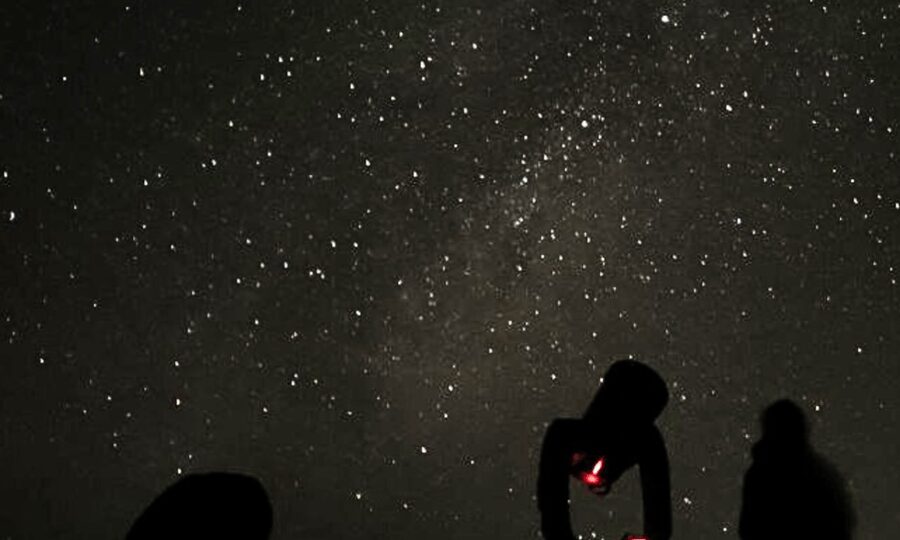
Bring warm clothing, comfortable clothes, and warm shoes. This advice is not filler. At altitude, you can feel the cold quickly while standing still beside a telescope.
The activity is accessible for people with reduced mobility, but the operator should know about your needs. The exact site can change, so confirming details ahead of time is sensible.
There are no food or bathroom facilities included. You should plan around that before setting out, especially because the drive from the main towns takes about 40 minutes. Transport to the viewpoint or hotel is not included either, so you need your own car or another way to reach the meeting point.
The group limit is 10 people. That is small enough for questions and individual telescope time, but it does not mean you have the entire site to yourself. The word VIP refers to the telescope and extra attention within a small group.
Is $58 a fair price?
At $58 per person, the value depends on how much you want to participate. If you only want a quick look through a telescope, a cheaper general stargazing option might be enough.
For someone who wants time at the eyepiece, the price is easier to justify. You receive a guided session, naked-eye instruction, laser-pointer orientation, binocular viewing, a telescope reserved for your booking, extra time for questions, and three professional photos.
The personal telescope is more than a marketing label. It reduces waiting and gives you a better chance to understand what you are seeing. That matters for couples, families, or small groups with different levels of interest, since the guide can spend more time explaining instead of moving a large line along.
The value also depends on the weather. A clear night can make the experience feel special, while clouds or haze may limit the targets. The flexible approach is sensible, but you should book this knowing that the sky, not the brochure, controls the final result.
Free cancellation up to 24 hours before the activity and the option to reserve now and pay later make it easier to fit into a changing La Palma itinerary. Last-minute weather changes are still possible, so keep your schedule and phone flexible on the day.
Who will enjoy this most?
I would recommend it to you if you want a hands-on introduction to astronomy and like the idea of asking questions rather than standing in a silent crowd. It suits beginners, couples, families with older children, and anyone who wants to understand the night sky as well as photograph it.
It is also a good choice for people who have already attended a basic stargazing event but want more control over the telescope. The private setup gives you a stronger sense of participation.
You may want to choose another activity if you dislike cold outdoor settings, need guaranteed timing, or expect sharp, colourful views like those from a space telescope. You should also think twice if you are uncomfortable with technical explanations in English.
Should you book La Palma’s VIP night sky tour?
Book it if the private telescope, small group, and chance to ask questions are worth more to you than a fixed location or guaranteed list of planets. The guides’ enthusiasm, the dark certified viewpoints, and the thoughtful mix of science and storytelling give the evening real substance.
Skip it if you need indoor comfort, bathrooms on site, hotel pickup, or a firm schedule. For everyone else, $58 is a reasonable price for a carefully guided night under one of the world’s better skies, provided you bring warm clothes and accept that the weather gets the final word.
FAQ
How long does the VIP night sky tour last?
The stated duration is 90 minutes. Depending on the group’s questions and interest, the activity may last between 1.5 and 1.75 hours.
Is the telescope private?
A telescope is reserved exclusively for your booking. The overall activity remains a small group experience with a maximum of 10 participants.
Where does the activity take place?
The usual meeting points are Llano del Jable Astronomical Viewpoint and Llano de Las Ventas Astronomical Viewpoint. If conditions are unsuitable, the activity may move to San Antonio Volcano in Fuencaliente or another sheltered location when available.
Can the meeting point and start time change?
Yes. The exact location and approximate start time are confirmed on the day according to clouds, wind, humidity, haze, official alerts, site occupancy, sunset, and the visible celestial objects.
What languages are available?
The live tour is available in English and Spanish.
What should I bring?
Bring warm clothing, comfortable clothes, and warm shoes. You should also arrive 15 minutes early and use a red light if possible, or point a white light at the ground.
Is transportation included?
No. Transfer to the meeting point and transfer to your hotel are not included. Food and bathrooms are also not included.
Just added around Spain
- VIP Sunset & Stargazing experience★ 4.5 · 44 reviews
- Skip the Line: Teide Observatory Entrance Ticket★ 3.0 · 33 reviews
- Small Group Teide Stargazing Tour with Picnic at Sunset★ 5.0 · 3 reviews
- Sunset and stargazing from Teide★ 3.5 · 51 reviews
- Tenerife Exclusive & Private Gastronomic, Sunset-Stargazing★ 5.0 · 3 reviews
- TEIDE NIGHT Astronomy Stargazing Bus Tour, Meal & Drinks included!★ 4.0 · 15 reviews
- PRIVATE TOUR Teide National Park: Hiking and Stargazing★ 5.0 · 38 reviews
- Sunset & Stargazing Experience from Teide★ 4.0 · 31 reviews
Telescope Stargazing, compared.
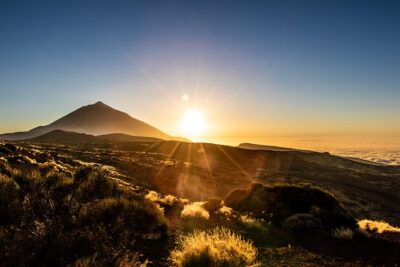
Teide by Night: Sunset & Stargazing with Telescopes Experience
Read our review →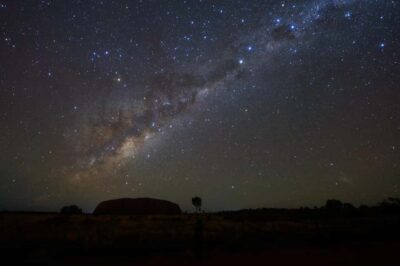
Uluru: National Park Astronomy Tour with Telescope and Photo
Read our review →
Teide National Park: Guided Large Telescope Stargazing Tour
Read our review →
Northern Lights Tour and Stargazing by Telescope
Read our review →
Jasper Planetarium and Telescope Combo Tour Tickets
Read our review →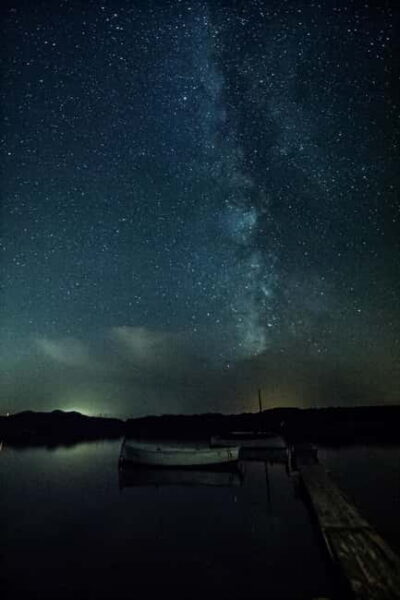
Cavalleria: Guided Stargazing at the Beach with Telescope
Read our review →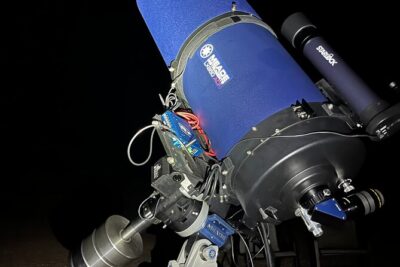
Stargazing Tour with Telescopes and Video Astronomy in Sedona
Read our review →Browse the lists this tour appears in