
Review · SPAIN
Planetarium Interactive Astronomical Center in Peñíscola
Stars come alive indoors. This 90-minute astronomy experience in Peñíscola mixes a planetarium, hands-on science, telescope observation, and sensory activities, so it offers more than a standard show. I like the clear focus on making science fun, and I like that the program works for both children and adults. The main drawback is that the outdoor telescope element depends on weather.
The center is also a smart rainy-day choice. One couple arrived as thunder and heavy rain moved in, yet their visit continued comfortably indoors. You should also know that the advertised operating window is limited to Friday and Saturday evenings, so your holiday dates need to line up.
Key points about the Peñíscola planetarium
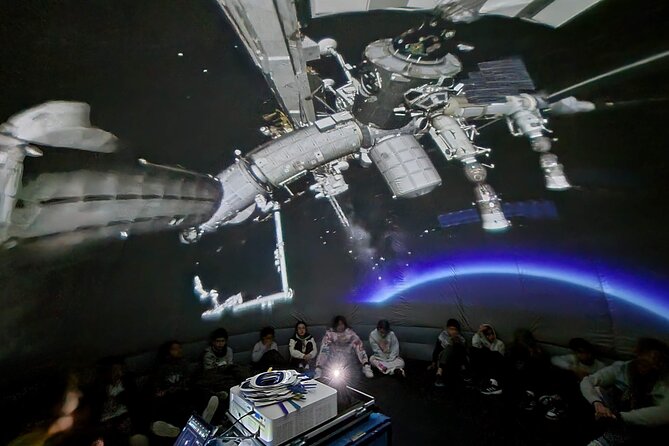
- A planetarium and science museum in one visit: You can explore astronomy through displays, explanations, and interactive activities.
- Several ways to learn: The program may include planetarium sessions, telescope observation, workshops, and multisensory demonstrations.
- Designed for families and adults: The activities are intended for all audiences, with most people able to participate.
- A useful rainy-weather plan: Much of the experience takes place indoors, though clear skies are needed for outdoor observing.
- Small maximum group: The activity accepts no more than 25 people, which should help keep questions manageable.
- English is offered: The experience is available in English, with a mobile ticket accepted for entry.
What happens at Carrer del Mestre Roca 13
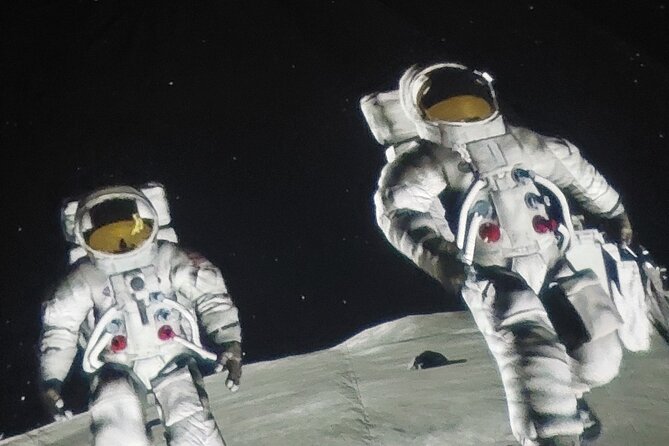
Your visit begins at Carrer del Mestre Roca, 13, in Peníscola, Castelló. The activity also ends at this same meeting point, so you do not need to arrange a separate pickup or find your way to a second location afterward.
The setting is the Interactive Astronomical Center, operated by Estrellas en Ruta. This is not presented as a simple seat-and-watch planetarium. The center combines a museum, scientific outreach, astronomy activities, and explanations designed to involve the audience.
The exact order of the session can vary, but the advertised program brings together several parts:
- A visit to the astronomy museum
- An immersive planetarium session
- Telescope observation
- Educational workshops
- Multisensory activities
- Explanations about the solar system
That mix matters. A planetarium show can be beautiful but passive. Here, you have several ways to approach the subject. You might watch a presentation, ask questions, handle or explore educational material, and think about the solar system through sound, touch, sight, or other senses.
Since the experience lasts about an hour and a half, you get enough time for more than a quick presentation without committing half a day. I would treat it as an evening activity that fits neatly around dinner or a walk through Peñíscola.
More Planetarium Visits in Spain:
- Miami: Frost Museum of Science and Planetarium Entry Ticket
★ 4.5 · 429 reviews - Planetarium and Telescope Combo Tour
★ 4.0 · 144 reviews - Houston Museum of Natural Sciences: Planetarium Ticket
★ 4.5 · 139 reviews
The planetarium session: astronomy made easy to follow
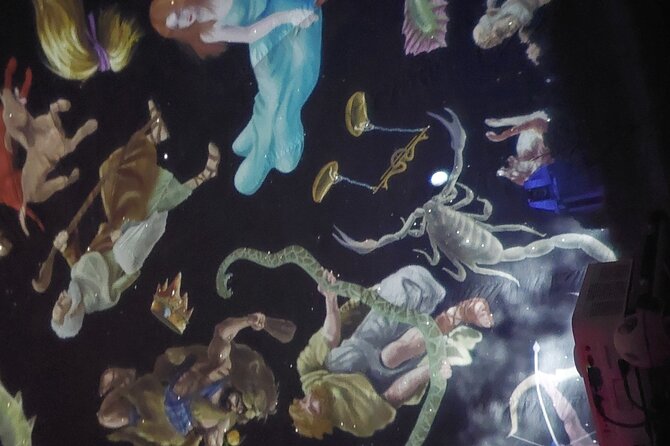
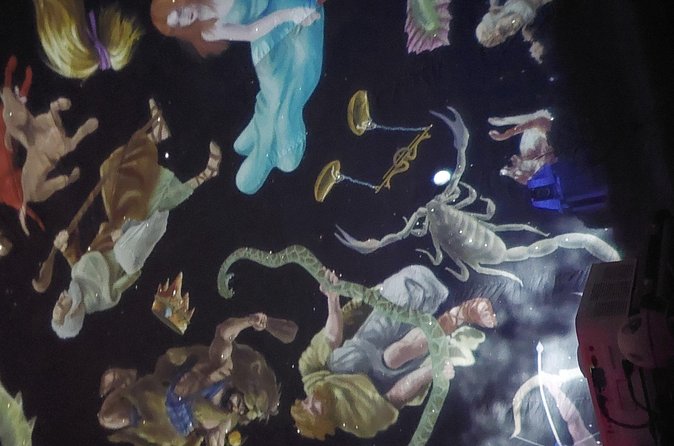
The planetarium is likely the centerpiece for many people. The description promises an immersive presentation under the stars, but the value is not just the visual effect. A good planetarium helps you understand what you are seeing, especially if you are unfamiliar with planets, star patterns, or the scale of the solar system.
The center presents astronomy as a subject for ordinary visitors, not only for specialists. That makes a difference when you are visiting with children or with adults who enjoy science but do not want a technical lecture.
You can expect explanations about the solar system and the wider universe, with the chance to ask questions. The staff are praised for giving fuller answers when visitors show interest, so do not feel you need to save your questions for the end. If something catches your attention, ask about it.
The program is offered in English, which is useful for international visitors. The available information does not specify the exact language options for every session, so English speakers should confirm the selected departure when booking if language is important to your group.
Seeing the solar system with more than your eyes
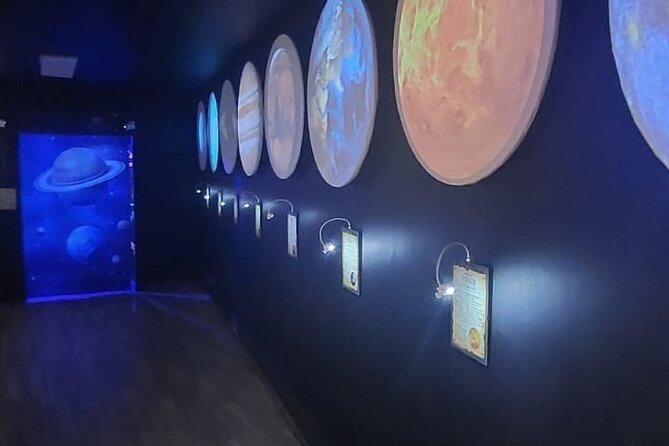
Two of the most unusual activities are Seeing the stars with other eyes and The Solar System with the five senses. These titles point to the center’s teaching style. Instead of relying only on images and spoken explanations, the program uses sensory experiences to make astronomy easier to grasp.
This can be especially useful for families. Younger children may not follow a long explanation about orbital movement or planetary scale, but they can connect with an activity that asks them to observe, feel, compare, or imagine.
Adults can enjoy this approach too. Astronomy often deals with distances and sizes that are hard to picture. A hands-on or sensory comparison can make an abstract subject feel more real.
The supplied information does not give a step-by-step description of each activity, so you should not expect a particular experiment or demonstration unless it is confirmed for your date. What you can count on is a program built around participation rather than a purely formal talk.
Telescope observation and the weather question
Telescope observation is included among the center’s astronomy options. This is an attractive feature, but it comes with a simple condition: the sky has to cooperate.
Cloud, rain, and storms can affect what is possible outdoors. One recent visit coincided with a dramatic thunderstorm immediately afterward. The indoor part still worked well, but the weather was the only real disappointment. That is useful advice for planning. Book this as a planetarium and science visit first, with telescope viewing as a bonus when conditions allow.
If you are hoping mainly to see planets or stars through a telescope, check the weather forecast before setting out. The experience can still be worthwhile on a cloudy evening because the center is designed for indoor learning, but you should keep your expectations realistic.
This weather flexibility is one of the strongest practical points. In a coastal holiday town, an evening of rain can quickly spoil outdoor plans. An astronomy center gives you a protected alternative, even if storm clouds prevent the full observing program.
Same dark sky, a different way to spend it:
- Tenerife: Teide National Park Sunset & Stargazing Tour
★ 4.2 · 3,812 reviews - Tenerife: Sunset and Stargazing at Teide National Park
★ 4.7 · 2,826 reviews - Teide National Park Sunset & Stargazing with Dinner (Star Safari)
★ 5.0 · 2,601 reviews - Teide National Park: Sunset & Stargazing Safari with Dinner
★ 4.6 · 2,115 reviews
A compact museum visit with room for questions
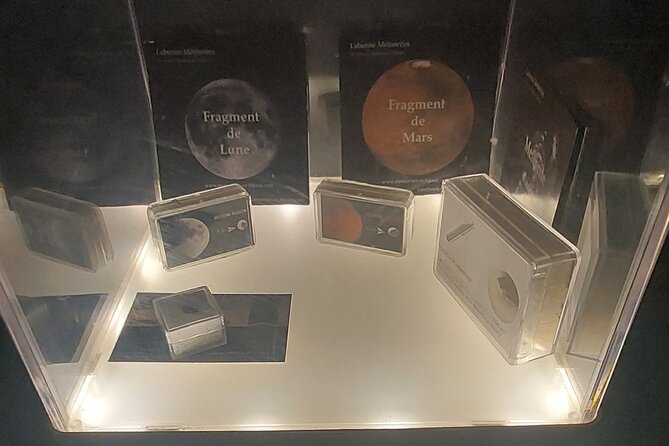
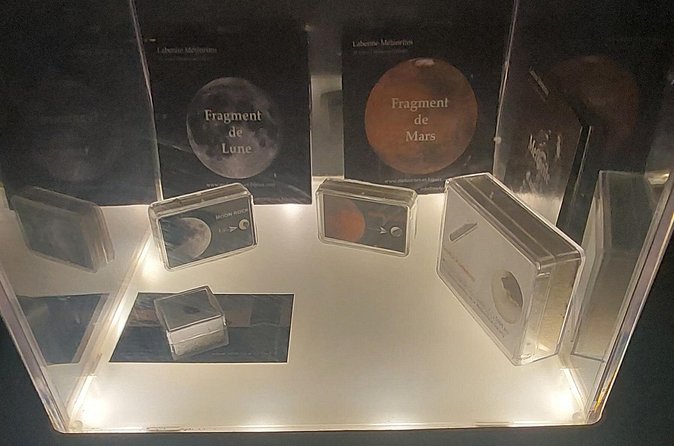
The museum portion gives the session a physical place to begin. Rather than treating the planetarium as a stand-alone theater, Estrellas en Ruta presents astronomy as a subject you can explore through displays and activities.
The experience has received a perfect five-star rating from eight published ratings, with strong praise for the clear explanations and the quality of the planetarium. One person specifically highlighted the excellent service and the way questions led to even more information.
That tells you something practical about the visit. You are not limited to the prepared material. If you want to know why a planet behaves in a certain way, how observation works, or how the solar system fits together, take part in the conversation.
The maximum group size is 25 people. That is not a private tour, but it is small enough to avoid the scale of a large attraction. A smaller group should also make it easier to hear the presenter and ask questions, although the actual feel will depend on how full your session is.
Is $14.45 good value?
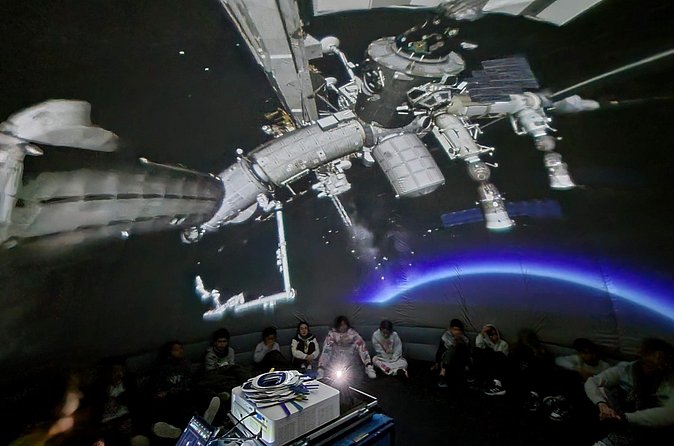
At $14.45 per person, this is reasonably priced for a 90-minute program that combines several elements. You are not paying only for a planetarium screening. The cost covers access to a museum setting, a guided astronomy experience, scientific explanations, and possible telescope or sensory activities.
The value is strongest if you use the visit as a complete activity. Families can fill an evening without spending on several separate attractions. Adults who enjoy science get a structured introduction to astronomy, while children have more active ways to take part.
The price is less compelling if you want only outdoor stargazing. Telescope viewing depends on the weather, and the experience is not described as a dedicated night-sky excursion. In that case, think of the telescope as one part of a broader science program.
I also like that the visit is not excessively long. Ninety minutes is enough time to feel that you have done something substantial, yet short enough for children who struggle with long tours. It should also suit adults who want an informative activity without giving up an entire evening.
Who will enjoy this most?
I would recommend this activity to families looking for something educational but relaxed. The center is specifically designed for families, schools, camps, and cultural events, so the program is built to serve different ages and levels of interest.
It also suits adults. The positive feedback highlights that the explanations are not limited to children, and the weather-proof indoor setting gives couples a useful alternative to outdoor sightseeing.
This is a good choice for you if:
- You enjoy science but prefer clear explanations to academic language.
- You are visiting Peñíscola with children.
- You want an indoor activity for a rainy evening.
- You like asking questions during guided experiences.
- You are interested in astronomy but have not tried a planetarium before.
- You want a short evening program near public transportation.
It may be less suitable if your main goal is a long outdoor stargazing session. It may also disappoint if you expect a large entertainment production rather than a science center with teaching at its heart.
Most people can participate, and service animals are allowed. The activity is near public transportation, which helps if you are not driving, though the supplied details do not specify the exact routes or stops.
Timing your visit in Peñíscola
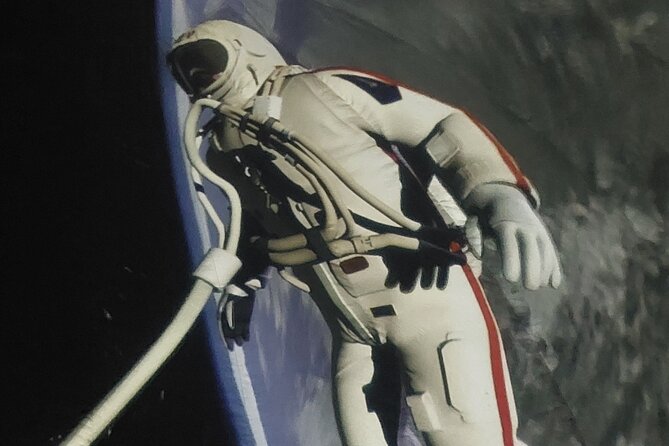
The listed operating period runs from August 14, 2025, through March 18, 2027. During that period, sessions are offered Friday and Saturday from 5:00 PM to 9:00 PM.
Those hours leave room for a flexible evening. Since the activity itself lasts about 90 minutes, you might schedule it early and eat afterward, or choose a later start and use it as a final stop before returning to your accommodation.
Because the center operates on only two evenings each week, I would check the date before building your plans around it. The activity is booked an average of eight days ahead, so reserving about a week in advance is sensible, especially if you are visiting during a busy holiday period.
A mobile ticket makes arrival simple. You receive confirmation at the time of booking, and the meeting point remains the same at the end. Free cancellation is available if you cancel at least 24 hours before the start time. Inside that window, the amount paid is not refunded, and changes are not accepted.
What to expect from the teaching style
The experience is built around scientific outreach, which means the goal is to make astronomy understandable and engaging. The staff are described as willing to expand on their explanations when questions arise. That is important because astronomy can quickly become either too basic or too technical.
You should feel comfortable asking for clarification. If you are visiting with children, encourage them to ask about the planets, stars, or the equipment. The activity is meant to create curiosity, not test your existing knowledge.
The style also appears flexible enough for mixed groups. A child can enjoy the sensory side, while an adult can focus on the science behind the display or presentation. Not every activity will appeal equally to every age, but the range gives each person several ways to connect with the subject.
Practical advice before you book
Confirm the session language if you need English. English is offered, but the available information does not describe whether every time slot has the same language arrangement.
Check the weather if telescope observation is important to you. Clear skies may improve that part of the visit, while poor weather should not prevent the indoor planetarium and museum program.
Arrive at the stated meeting point, Carrer del Mestre Roca, 13, and keep the mobile ticket ready. Since the activity returns to the starting point, the logistics are straightforward.
If you are traveling with a family, allow the full 90 minutes. The session is not simply a quick look around. It combines several activities, and rushing away early could mean missing part of the program.
Should you book the Peñíscola planetarium?
Yes, if you want a reasonably priced, family-friendly astronomy activity with a strong indoor component. I especially recommend it for a rainy evening, for children who enjoy hands-on learning, and for adults who like asking questions rather than sitting through a basic show.
Book with a little caution if telescope observation is your main reason for going. Weather can limit that part, and the center is best understood as a planetarium, museum, and science workshop in one.
At $14.45, the experience offers good value for 90 minutes, particularly because it combines education with participation. The small maximum group, English availability, central meeting arrangement, and flexible indoor format make it an easy addition to a Peñíscola itinerary. Reserve it if your dates fit the Friday or Saturday schedule and you want an evening activity that leaves you knowing more about the sky than when you arrived.
FAQ
How much does the Planetarium Interactive Astronomical Center cost?
The price is $14.45 per person.
How long does the experience last?
The activity lasts approximately 1 hour and 30 minutes.
Where does the experience begin?
It begins at Carrer del Mestre Roca, 13, 12598 Peníscola, Castelló, Spain.
Where does the activity end?
The experience ends back at the same meeting point.
When is the center open for this activity?
The listed hours are Friday and Saturday from 5:00 PM to 9:00 PM, during the period from August 14, 2025, through March 18, 2027.
Is the experience available in English?
Yes. English is one of the available languages.
What happens if I need to cancel?
You can cancel for a full refund up to 24 hours before the experience starts. Cancellations or changes made less than 24 hours before the start time are not accepted for a refund.
How many people can join the activity?
The maximum group size is 25 people.
Just added around Spain
- VIP Sunset & Stargazing experience★ 4.5 · 44 reviews
- Skip the Line: Teide Observatory Entrance Ticket★ 3.0 · 33 reviews
- Small Group Teide Stargazing Tour with Picnic at Sunset★ 5.0 · 3 reviews
- Sunset and stargazing from Teide★ 3.5 · 51 reviews
- Tenerife Exclusive & Private Gastronomic, Sunset-Stargazing★ 5.0 · 3 reviews
- TEIDE NIGHT Astronomy Stargazing Bus Tour, Meal & Drinks included!★ 4.0 · 15 reviews
- PRIVATE TOUR Teide National Park: Hiking and Stargazing★ 5.0 · 38 reviews
- Sunset & Stargazing Experience from Teide★ 4.0 · 31 reviews
Planetarium Visits, compared.
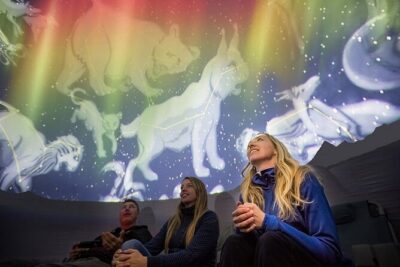
Miami: Frost Museum of Science and Planetarium Entry Ticket
Read our review →
Houston Museum of Natural Sciences: Planetarium Ticket
Read our review →
Jasper Planetarium and Telescope Combo Tour Tickets
Read our review →
Cusco by Night: Planetarium Cusco, Dinner, and Pisco Sour
Read our review →
Planetarium Cusco OFFICIAL SITE: Andean Astronomy experience
Read our review →
Browse the lists this tour appears in