Review · SDE BOKER, ISRAEL
Stargazing Mitzpe Ramon
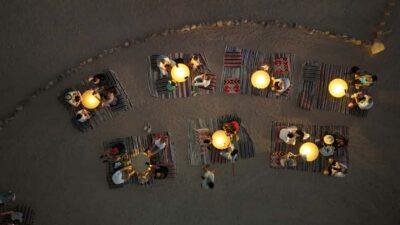
The desert turns astronomy into an outing. This private night-sky experience near Makhtesh Ramon combines robotic telescopes with a relaxed desert setup, including mats, mattresses, a fire, hot drinks, and snacks. I like the intimate setting and the chance to look at both familiar sights, such as the Moon and planets, and harder-to-find objects, including nebulae, star clusters, double stars, and galaxies.
The main drawback is the logistics. Transportation is not included, and the exact meeting location is sent on the morning of your activity, so you need your own way to reach the crater area and a flexible approach to planning. The experience also depends on good weather, and the desert can feel cold after dark.
What makes this stargazing experience special
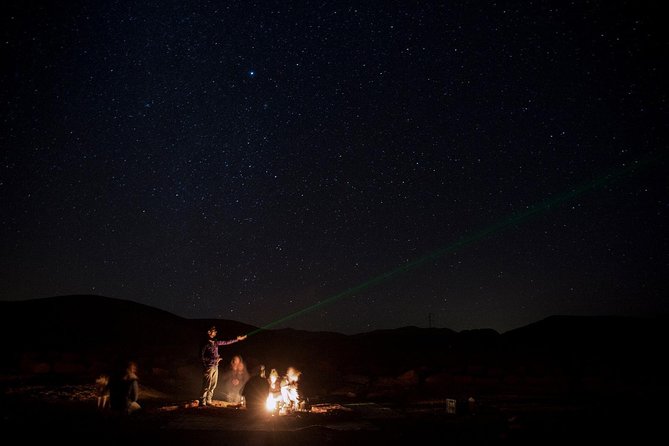
- A private desert session for up to eight people, so the guide can shape the evening around your group.
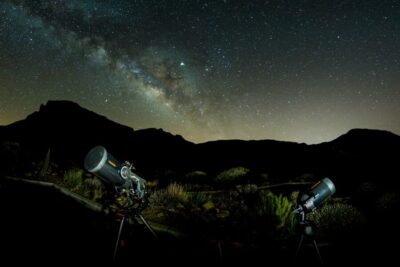
- Robotic advanced telescopes provide more than a casual look at the stars.
- Mats and mattresses let you lie back instead of standing at a scope for the whole session.
- Fire, tea, coffee, and snacks add comfort to the remote setting.
- Astronomy, myths, zodiac signs, and science are woven into one guided explanation.
- The program can include planets, the Moon, star clusters, nebulae, double stars, and galaxies.
Arriving at Makhtesh Ramon after dark
The experience begins at Makhtesh Ramon, in the Negev desert near Sde Boker. Your guide waits at the meeting point with the telescope and the evening setup already prepared. The activity ends back where it began.
That simple arrangement matters. You are not being moved between several attractions or rushed through a long evening program. You arrive, settle in, and give your attention to the sky. The setting is remote and intentionally intimate, with darkness doing much of the work.
The exact location is sent on the morning of the activity, along with an assigned time. That can feel less convenient than receiving every detail weeks ahead, but it reflects the nature of a mobile desert setup. The guide needs to choose and communicate the meeting spot for that particular evening.
Plan your route carefully. Hotel pickup is not included, and neither is transportation to or from the attraction. You must make your own way to Makhtesh Ramon. If you are staying in Sde Boker or elsewhere in the Negev, allow enough time to reach the meeting point without cutting things close.
More Stargazing Tours in the world:
- Dubai Red Dunes ATV, Camels, Stargazing & 5* BBQ Al Khayma Camp
★ 5.0 · 21,620 reviews - Sharm El-Sheikh: Ultimate ATV Quad, Stargazing & BBQ Dinner
★ 4.7 · 4,084 reviews - Tenerife: Teide National Park Sunset & Stargazing Tour
★ 4.2 · 3,812 reviews
A private group setting, not a crowded observatory
The experience costs $460 per group of up to eight people. That sounds high for a roughly 1 hour 45 minute activity if you are booking alone or with only one other person. For a full group, though, the price works out differently, especially because the fee covers a private session rather than a shared tour.
A group of eight would pay about $57.50 per person. A couple would pay the full group price between them, so this is much better value for families, friends, or a small private party than for solo visitors.
The private format is one of the strongest practical advantages. You do not have to share the guide’s attention with a large crowd. Questions can follow your interests, whether that means constellation stories, the science of the solar system, or a longer look through the telescope at a particular object.
The advertised capacity is up to eight people, and only your group participates. That should make the evening feel personal, but it does not mean the activity is completely informal. The guide still has a planned structure, equipment to operate, and a limited amount of darkness in which to show you the sky.
Getting comfortable on the desert floor
The setup is designed for lying down and looking upward. Mats and mattresses are provided, so you can watch the sky without spending the whole evening craning your neck or standing beside a telescope.
That small comfort detail changes the mood. Stargazing is easier when you can pause between telescope views, look at the sky with your own eyes, and let the darkness settle around you. The fire, tea, coffee, and snacks give you something warm and familiar while you listen.
The desert is cold at night, even when the daytime temperature has been pleasant. One of the activities is described as cold but enjoyable, so bring warm clothing rather than assuming the fire will keep you comfortable. The supplied information does not specify which clothing or blankets are provided, so dress for an outdoor evening and do not count on the fire alone.
This is not a polished indoor planetarium. The appeal is the open air, the quiet, and the sense that the sky is being shown to you in the place where it actually belongs. That also means you should be ready for a natural setting rather than a climate-controlled one.
What the guide explains during the 1 hour 45 minute session
The guide introduces the night sky through several layers. You begin with recognizable patterns, including constellations, zodiac signs, and asterisms. An asterism is a familiar star pattern that may not be a formal constellation, which gives the guide a useful way to explain how people have organized the sky over time.
The session also covers the history of astronomy and the myths and legends attached to the stars. This helps turn points of light into something easier to remember. You are not only learning where to look, but also why different cultures gave those patterns particular meanings.
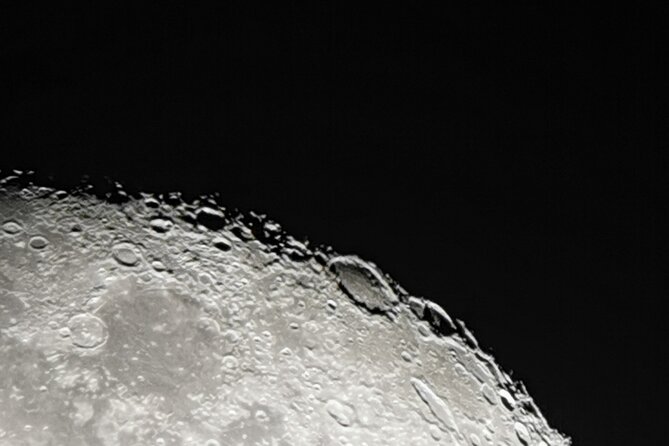
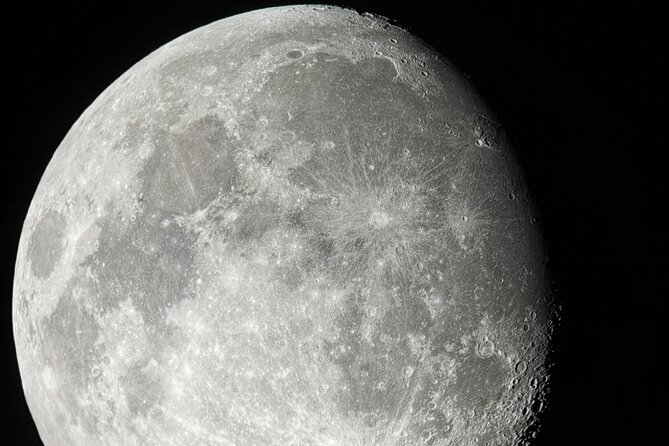
The scientific side covers our solar system and objects beyond it. Using the telescopes, the guide may show you the Moon and some of the planets visible during your visit. What you see will depend on the date, the night sky, and the position of those objects, so you should not expect a fixed list of planets at every session.
The program then reaches farther out, with possible views of star clusters, nebulae, double stars, and galaxies. These categories give the session variety. The Moon offers a familiar starting point, planets help connect the sky to the solar system, and deep-sky objects show how much larger the universe is beyond our immediate neighborhood.
The phrase robotic telescopes matters here. This is not simply a guide pointing at the sky with a basic hand telescope. The equipment is described as advanced and robotic, and one account specifically praised the impressive gear. Extra telescopes may also be available for an extended activity, though the supplied information does not state the additional cost or exact length.
Same dark sky, a different way to spend it:
- Tenerife: Sunset and Stargazing at Teide National Park
★ 4.7 · 2,826 reviews - Teide National Park Sunset & Stargazing with Dinner (Star Safari)
★ 5.0 · 2,601 reviews - Dubai: Sunset Camel Trek, Al Khayma Camp, Stargazing & BBQ
★ 4.8 · 2,588 reviews - Dubai: Overnight Safari, Dinner, Stargazing & Al Khayma Camp
★ 4.8 · 2,562 reviews
Why the darkness at Ramon Crater matters
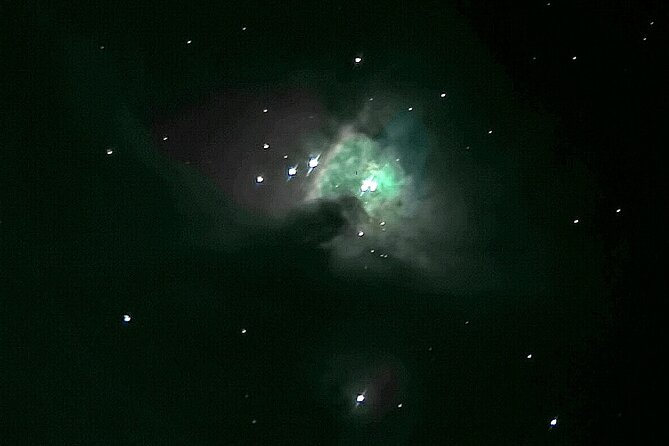
The desert location is the heart of the experience. In a dark environment, you can see far more stars than you would from a town or city. The Milky Way, planets, and distant objects become easier to notice, and the guide has a better setting for explaining how light pollution affects what reaches your eyes.
You may see the sky as a broad field rather than a few bright stars scattered above you. One account describes seeing the Milky Way and other galaxies from the crater area. Exact visibility will depend on weather, timing, and the objects available that night, but the location gives the activity its central advantage.
There is also a useful difference between seeing stars with your eyes and seeing them through a telescope. The unaided sky gives you scale and atmosphere. The telescope gives you detail. Moving between those two views is what makes the session more than a simple night walk or a quick look through a scope.
Do not expect every object to look like a colorful space photograph. Telescope views can be subtle, and the guide’s explanation is part of the experience. The value comes from understanding what you are seeing and how far away it is, not only from the brightness or color of the image.
Guides who make the science approachable
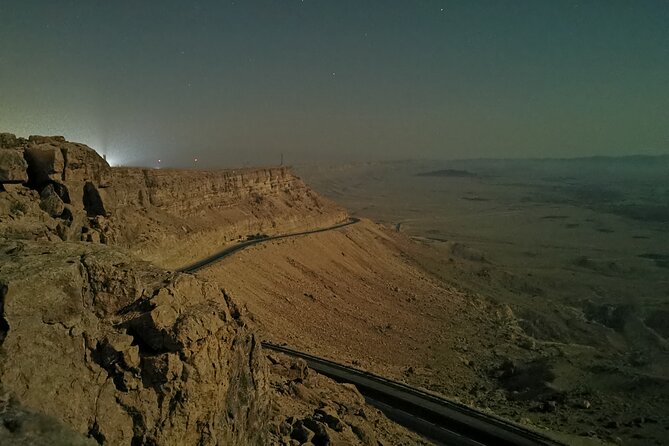
Several guide names are connected with the experience, including Nadav, Moshe, and Uri, also referred to as Star Ori. The strongest praise centers on the guides’ warmth, clear explanations, and ability to make the subject accessible.
Moshe is described as articulate, warm, and exceptionally informed about the subject. Nadav guided a session that moved from ordinary star watching into a closer look at the universe. Uri received special praise for combining large amounts of astronomy knowledge with personal care for the group.
Those details suggest that the guide is not simply operating equipment. You can expect storytelling, science, and conversation. That is valuable if your group includes people who know little about astronomy, because the evening does not assume that you can identify constellations or understand telescope settings before you arrive.
It should also suit people who already enjoy astronomy. You can ask about star clusters, galaxies, zodiac signs, or the history of astronomy rather than settling for a basic explanation. Since this is a private activity, your group has a better chance of shaping the conversation around its own level of interest.
The fire and refreshments are part of the value
Tea, coffee, and snacks may sound like minor extras, but they matter in a remote desert setting. A hot drink gives you a reason to pause between observations, and the fire creates a comfortable center for the group while the guide prepares or adjusts the equipment.
The setup has been described as including a bonfire, chairs, tea, and snacks for one desert outing. The main activity description specifically mentions a fire, tea or coffee, snacks, a mat, and mattresses. Because the wording varies slightly, do not assume a particular menu or a specific seating arrangement beyond the listed items.
This is one reason I would choose this experience over a quick roadside stargazing stop. You are not simply pulled over, shown a constellation, and sent back to your vehicle. The evening has a sense of occasion, while still remaining simple and outdoorsy.
The remote setting does require practical preparation. Since the exact conditions can vary, bring clothing suitable for the night and be prepared to sit or lie outside for most of the activity. The supplied details do not list toilets, shelter, or a full meal, so treat the fire and snacks as comfort touches rather than a replacement for dinner.
Who will get the most from this activity
This experience is a strong match for a small group that wants a private evening in the Negev. Families can use the stories and visible planets to keep younger participants interested, while adults may prefer the science and distant galaxies.
It also suits couples and friends who want something quieter than a standard evening attraction. The mats, mattresses, fire, and darkness create a relaxed pace. You are not walking long distances or following a packed schedule once the session begins.
People with a serious interest in astronomy should appreciate the range of subjects and the advanced equipment. Beginners should not feel out of place, since the guide starts with constellations, zodiac signs, and familiar objects before moving farther into space.
Most people can participate, and service animals are allowed. No special physical ability is listed as necessary. Still, this is an outdoor desert activity, so anyone uncomfortable with darkness, cold, or sitting outside should think carefully before booking.
Booking timing, weather, and cancellation
The activity is often booked about 43 days in advance, which suggests that planning ahead is sensible, especially if your dates in the Negev are fixed. Confirmation is sent within 48 hours of booking, subject to availability.
The exact arrival location and scheduled hour are sent on the morning of the activity. Keep your phone available that day and avoid making a route plan that depends on a meeting point you have not yet received.
The experience requires good weather. If poor weather cancels the activity, you are offered another date or a full refund. You can also cancel for a full refund if you do so at least 24 hours before the start time. Cancellations or changes made less than 24 hours ahead are not refunded or accepted.
Should you book Stargazing Mitzpe Ramon?
Book it if you want the night sky presented as both science and story, and if your group can share the $460 fee. The private format, advanced robotic telescopes, desert darkness, warm drinks, fire, and comfortable viewing setup give the experience more substance than a short telescope demonstration.
I would be more cautious if you are booking alone, need hotel pickup, or prefer a fully fixed itinerary with no same-day location update. The weather can also change the plan, and the desert may be cold.
For a small group staying in the Negev, this is a thoughtful use of one evening. Bring warm clothes, arrange your own transport to Makhtesh Ramon, keep your schedule flexible, and let the guide handle the sky.
FAQ
Where does the stargazing experience begin?
It begins at Makhtesh Ramon, in the Negev desert area near Sde Boker.
Where does the activity end?
The activity ends back at the meeting point at Makhtesh Ramon.
How long does the experience last?
The activity lasts approximately 1 hour and 45 minutes. The general description gives a range of about 1.5 to 2 hours.
How many people can join?
This is a private activity for your group, with up to eight people.
What does the experience cost?
The price is $460 per group of up to eight people.
Is transportation included?
No. Hotel pickup and transportation to and from the attraction are not included.
When will I receive the exact meeting location?
The exact location and scheduled hour are sent on the morning of the activity.
What can I see through the telescopes?
Depending on the night, the guide may show the Moon, planets, star clusters, nebulae, double stars, and galaxies.
Are refreshments provided?
Yes. The setup includes tea or coffee, snacks, and a fire. Mats and mattresses are also provided for comfortable viewing.
What happens if the weather is poor?
If poor weather causes cancellation, you can receive a different date or a full refund. You can also cancel at least 24 hours before the start time for a full refund.
Just added around the world
- ( canyon hurghada & stargazing )★ 4.9 · 16 reviews
- Vincentia: Jervis Bay Beach Stargazing with an Expert★ 4.9 · 19 reviews
- Twizel Stargazing Experience with a Guide (Carbon Positive)★ 4.7 · 26 reviews
- Twizel: Stargazing Tour with an Astronomer and Telescope★ 4.9 · 36 reviews
- Blue Mountains: Stargazing with a Telescope and Astronomer★ 4.4 · 21 reviews
- Star Safari Stargazing Experience, Martinborough★ 5.0 · 6 reviews
- Klein Karoo “High 5” Stargazing Experience in Oudtshoorn★ 5.0 · 7 reviews
- VIP Sunset & Stargazing experience★ 4.5 · 44 reviews
Stargazing Tours, compared.
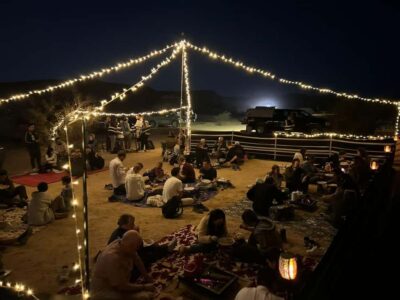
Dubai Red Dunes ATV, Camels, Stargazing & 5* BBQ Al Khayma Camp
Read our review →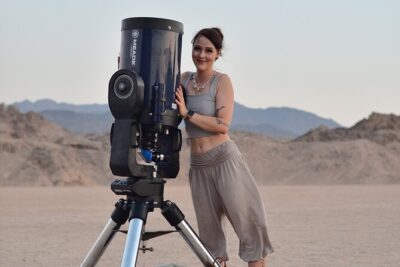
Teide National Park Sunset & Stargazing with Dinner (Star Safari)
Read our review →
Sunset Camel Trek, Al Khayma Camp, Stargazing & BBQ
Read our review →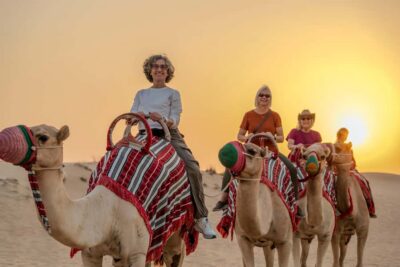
Overnight Safari, Dinner, Stargazing & Al Khayma Camp
Read our review →