
Review · LAKE TEKAPO
Lake Tekapo: Alpine Stargazing Experience with a Guide
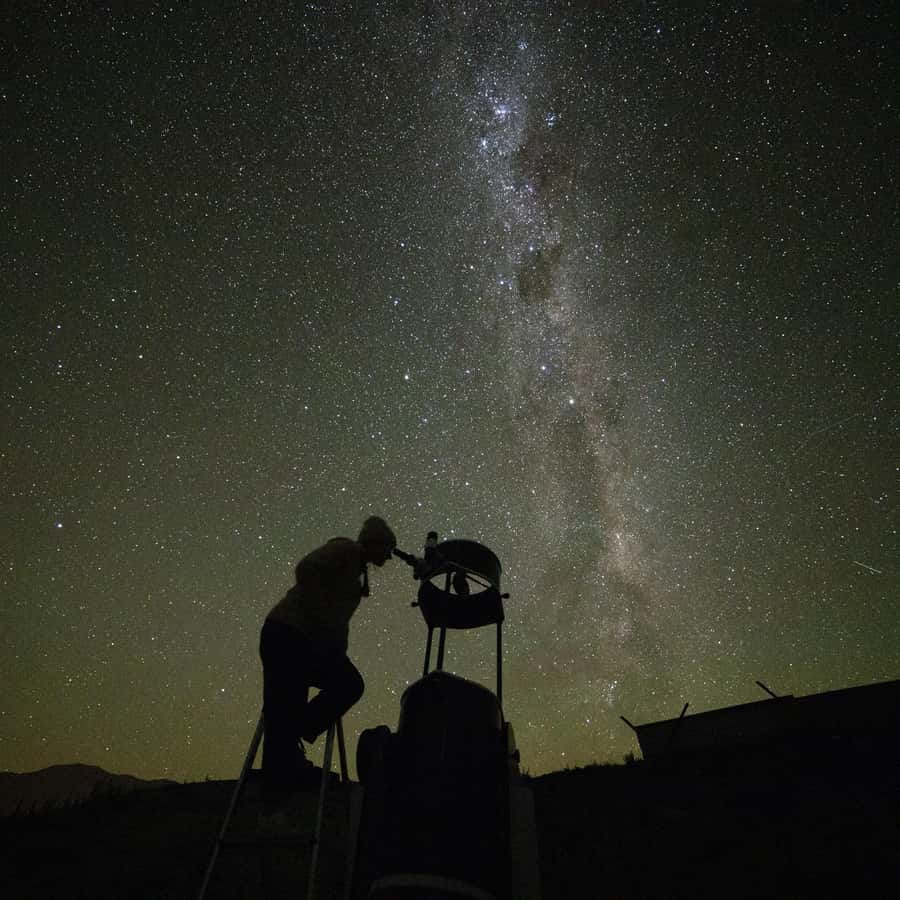
The southern sky puts on a fine show. This 75-minute evening tour takes you from central Lake Tekapo to a private 50,000-acre farm inside the Aoraki Mackenzie International Dark Sky Reserve, where a 14-inch telescope and an engaging guide help turn a simple night of looking up into a proper astronomy lesson.
I like the very dark setting, which lets you see the Milky Way without relying on the telescope. I also like the small group limit of 10 people, the supplied warm jackets, and the free digital photo beneath the stars. The main drawback is simple: clouds, wind, and moonlight can limit what you see, and there is no way for a tour operator to control the sky.
The experience costs $59 per person. That is fair value if you want more than a quick look at the stars from town. You get transport to private farmland, an hour of guided viewing, access to a large telescope, and a photo to keep. Just arrive ready for cold outdoor conditions and keep your expectations flexible.
Key points before you book
- The private farm is only about five minutes from the meeting point, but its distance from Lake Tekapo’s lights makes a clear difference.
- The 14-inch telescope can reveal planets, the Moon, star clusters, galaxies, and nebulae, depending on the season and conditions.
- The group is capped at 10 people, giving you a better chance of getting telescope time than on a large coach tour.
- Warm down jackets are supplied, an important comfort perk on a cold or windy night.
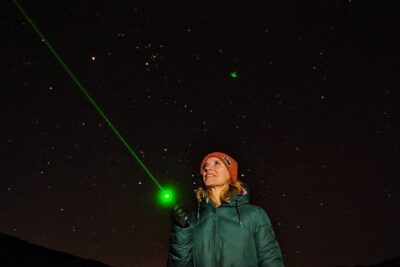
- Guides use astro-lasers to point out stars and constellations in a way that is easier to follow than a verbal explanation alone.
- A digital group photo is sent within 48 hours, weather permitting, so you do not need to bring special camera equipment.
Why Lake Tekapo is such a good place for stargazing
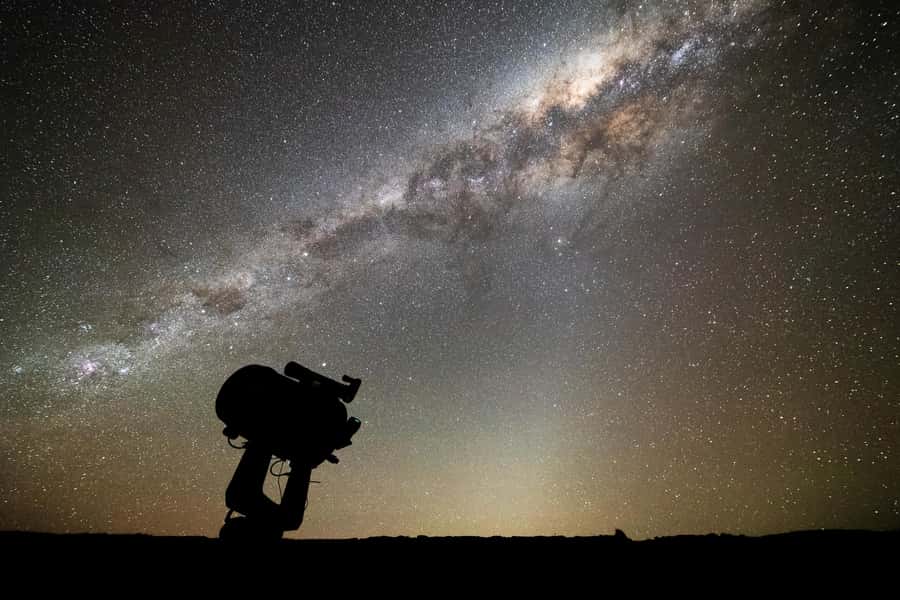
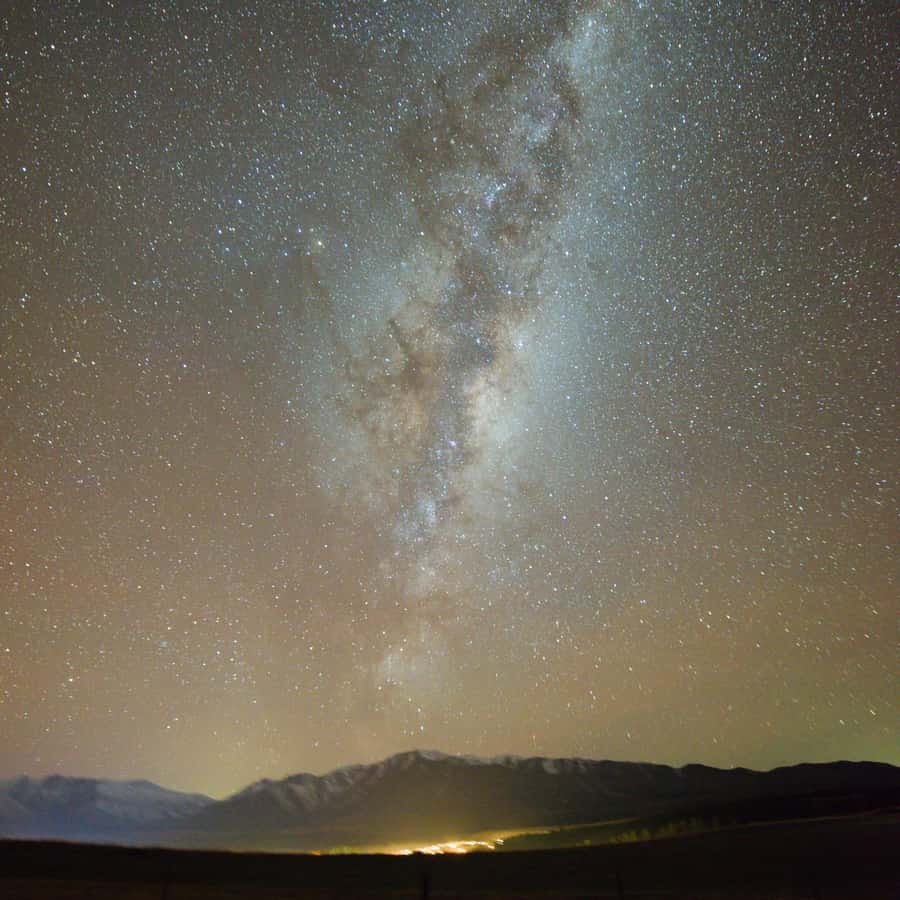
Lake Tekapo sits within the Aoraki Mackenzie International Dark Sky Reserve, an area protected for its unusually low light pollution. That matters more than many first-time stargazers expect. The difference is not just a few extra stars. Under a properly dark sky, the Milky Way becomes a broad, textured band, and faint star clusters that disappear in a town can become visible to the naked eye.
The setting on a private 50,000-acre farm adds another useful layer. You are away from streetlights, buildings, and passing headlights, with 360-degree views across the dark-sky area. The transfer is short, but it takes you beyond the glow of Lake Tekapo.
I particularly like that the experience does not treat the telescope as the whole event. Several parts of the sky can be appreciated without magnification. A guide can help you find constellations and explain why the southern sky looks different from what you may know from the Northern Hemisphere.
That southern perspective is a real highlight. Depending on the date and visibility, you might view the Moon, Jupiter and its moons, Saturn, star clusters, nebulae, or a distant galaxy through the telescope. A meteor or an aurora is possible, too, but those are lucky additions rather than promised parts of the tour.
More Guided Tours in Lake Tekapo:
- Teide: Guided Sunset & Stargazing Tour by Night with Dinner
★ 4.7 · 1,339 reviews - Griffith Observatory Hike: Guided Tour through Griffith Park
★ 5.0 · 1,020 reviews - Tenerife: Mount Teide Observatory Guided Tour
★ 4.6 · 818 reviews
Starting at Kiwi Treasure in Lake Tekapo
Your evening begins at the Silver River Stargazing office, located inside Kiwi Treasure, which also serves as Lake Tekapo’s post office. This is worth knowing because the meeting place is not presented as a separate observatory building. If you are unsure, asking for the post office will point you in the right direction.
The first five minutes are used for a safety briefing. This is a short but useful pause before heading outside, especially because the rest of the experience takes place at night and on private farmland.
The check-in point is also where you receive a warm down jacket if you need one. Bring your own layers as well, since the supplied coat is helpful protection rather than a substitute for dressing warmly from head to toe. Several people found the jackets especially welcome in winter, while others noted that wind could still affect telescope viewing.
The tour is wheelchair accessible, though the supplied information does not describe every surface or condition at the farm site. If you need specific assistance, it is sensible to confirm the details when booking.
The five-minute ride to darker farmland
After the briefing, you make a short transfer to the stargazing site. The ride takes about five minutes each way, so most of your 75-minute booking is spent on the actual experience rather than sitting in a vehicle.
The short drive matters because the view improves quickly once stray light from the town is behind you. The destination is private farmland, not a public roadside pull-off. That gives the group a quieter setting and uninterrupted views of the sky.
On arrival, the chairs and telescope are set up for the guided hour. The tour is not a hike, and the supplied information points to a seated viewing arrangement. Still, you are outside in an open rural setting, so sturdy footwear and warm clothing make sense.
The return transfer follows the same route, bringing you back to the Silver River Stargazing office. The compact schedule works well if you have dinner plans or another evening activity, though you should allow extra time around the 75-minute duration if you are arranging transport afterward.
An hour of stars, stories, and telescope time
The heart of the evening is the one-hour guided session. Your guide uses an astro-laser to trace constellations and identify stars. This is one of the most useful features for beginners because a dark sky can initially feel like a wall of identical points. The laser gives your eyes a clear line to follow.
The guides also add stories and cultural details to the science. Sam, Tara, Nicole, Marcus, JoJo, Keira, Estelle, and other guides have been praised for making the subject clear, friendly, and entertaining. One especially appealing part of the guiding style is the explanation of star names and the stories behind them, including references to different cultures.
The tour is suitable for people with little astronomy knowledge. You do not need to know the difference between a nebula and a galaxy before you arrive. The guide builds the lesson from the basic patterns overhead, then moves toward more distant and complex objects.
The small group size is important here. With no more than 10 people, you should have a better chance of looking through the telescope several times and asking questions. It also keeps the session more personal than a large group gathered around one instrument.
Still, an hour passes quickly. One person wanted more telescope time, and that is a fair point. A large group can make each turn feel short, particularly when several objects are visible and everyone wants a look. The guide does the best possible job by organizing the queue and explaining what you are seeing, but this is not a private astronomy lesson.
More Stargazing Tours in Lake Tekapo:
- Lake Tekapo: Stargazing Experience
★ 4.9 · 607 reviews - Chameleon Stargazing Shared Tour
★ 5.0 · 181 reviews - Lake Tekapo: Mountaintop Stargazing at Mount John Summit
★ 4.5 · 176 reviews - Mount John Observatory Stargazing Experience, Tekapo
★ 4.5 · 160 reviews
What you may see through the 14-inch telescope
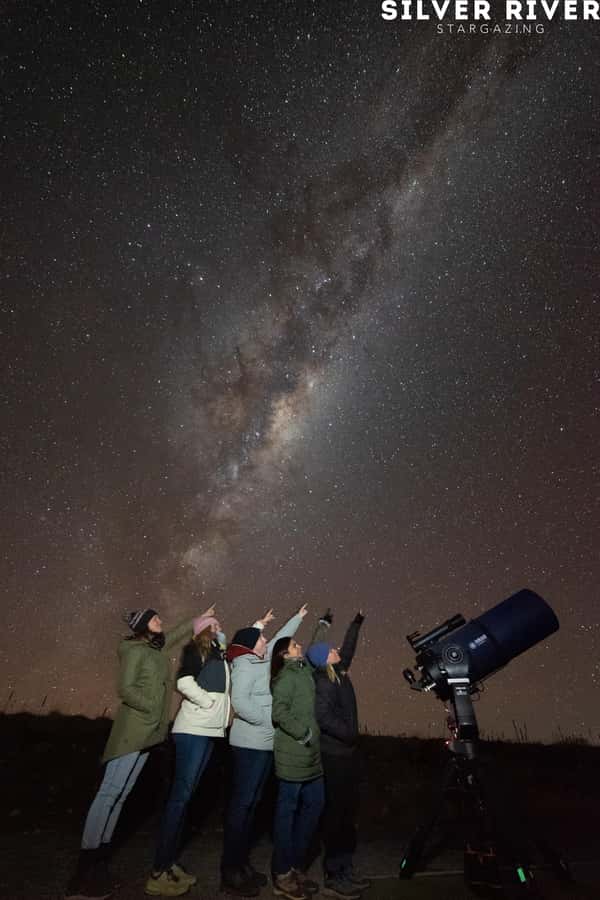
The 14-inch modern telescope is the tour’s main piece of equipment. Its size allows the guide to show much more than a bright point of light. Past sessions have included views of the Moon, Jupiter and its four moons, Saturn, star clusters, nebulae, and a neighboring galaxy.
What you see depends on the time of year, the weather, the phase of the Moon, and the clarity of the air. A clear night near a new moon is especially favorable for faint objects, while a bright Moon can wash out some of the weaker stars. Even with an almost full moon, though, the sky can still be impressive.
Wind is another factor. One evening had enough wind to make some telescope views less sharp, even though the naked-eye stars were still excellent. That is a useful distinction: a cloudy or windy night may reduce the telescope portion without ruining the whole outing.
The best approach is to treat the telescope as one part of the night. The naked-eye view can be the emotional high point, especially if you have never seen the Milky Way clearly. The scope then adds detail, bringing planets and distant objects into a much more intimate view.
Guides who make the difference
A stargazing tour succeeds or fails largely on the guide. The equipment helps, but a telescope without clear instruction is just a machine with a queue.
This experience has received strong praise for its guiding. Tara has been singled out for explaining star names and their stories. Sam has been praised for an entertaining introduction to astronomy, while Nicole made complex ideas accessible and took time with children’s questions. Marcus was noted for combining clear explanations with humor, and JoJo used the laser pointer and telescope to keep the group involved.
That variety is useful because the tone can differ by guide, but the repeated pattern is clear: the guides are expected to explain, answer questions, and keep the evening moving. You are not simply driven to a dark field and told to look up.
The laser pointers are also a practical aid for anyone who finds star patterns difficult to follow. One participant with visual impairment found the laser especially helpful, and the guide made extra effort to ensure the telescope experience was accessible. Your own experience will depend on your eyesight and the conditions, but the pointing method is more effective than trying to describe a constellation from memory.
The tour is offered in English and Japanese. Families can join, and one guide handled children’s questions with particular patience. The late timing is the main family consideration: infants are limited to one per tour and must be booked onto the earliest departure of the night.
Staying warm in an open field
Cold is the detail you should plan for most carefully. Lake Tekapo nights can feel chilly even when the daytime weather is pleasant, and wind can make an open viewing site feel colder still.
The supplied long down jackets are a thoughtful inclusion. They have made a noticeable difference for people visiting in winter or during shoulder seasons, and they save you from packing a bulky coat solely for one evening.
I would still wear warm trousers, closed shoes, and several layers. The tour does not list blankets or hot drinks as inclusions, and one person specifically wished those had been available. You may be standing or sitting outside for an hour, so comfort directly affects how much attention you can give the guide.
The chairs are useful, particularly during longer explanations and telescope turns. But do not mistake a seated setup for an indoor observatory. You are still exposed to the night air, and the supplied jacket is best viewed as extra help.
The complimentary photo under the stars
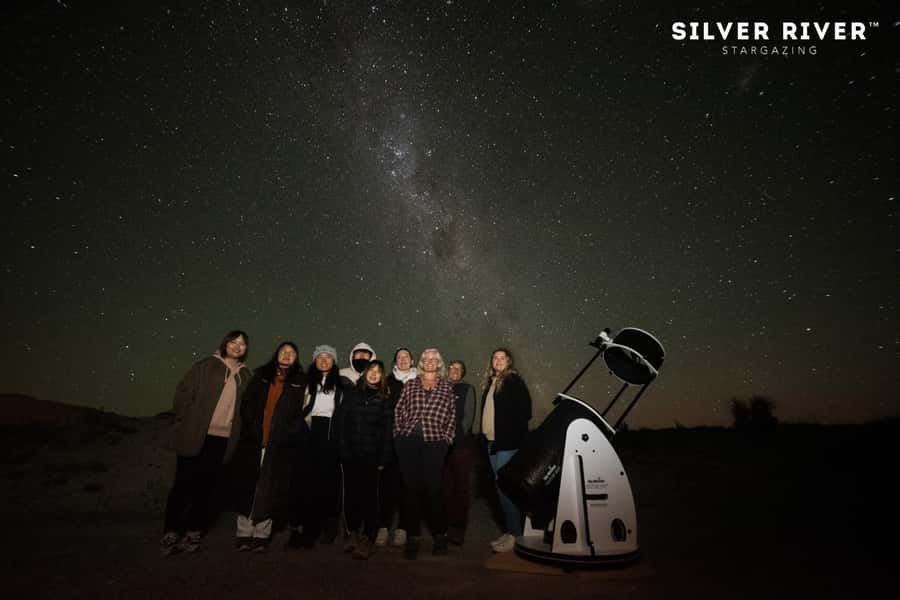
At the end of the session, the guide takes a group photograph with the night sky behind you. The image is provided through a digital link within 48 hours, as long as the weather allows the photo to be taken.
This is a better keepsake than a standard daytime snapshot. A dark-sky portrait can show the Milky Way behind the group, giving you something that is difficult to capture casually with a phone. Several guides have also been praised for framing the photo well.
Do not expect the photo to be guaranteed on a cloudy night. The sky must cooperate, and the quality depends on the conditions and the group setup. When it works, though, it adds real value to a reasonably priced tour and gives you a way to share the experience with family and friends.
Weather, moonlight, and realistic expectations
This is an outdoor astronomy experience, so weather is part of the deal. Clouds can block telescope targets and hide constellations. Wind can make views less steady. Moonlight can brighten the sky and reduce the visibility of faint objects.
That does not automatically make a cloudy evening pointless. One session with cloud cover still offered a useful introduction to the stars, and guides can explain what is visible between breaks. But you should not book this expecting a guaranteed parade of planets, nebulae, and galaxies.
If you have flexibility, check the moon phase and weather forecast before choosing your night. A clear evening close to a new moon gives you the best chance of seeing faint Milky Way detail. The operator may adjust the start time slightly if conditions change, so keep your evening schedule loose.
Aurora Australis sightings are another possible bonus. A strong southern aurora has added a memorable extra to some evenings, but it is not part of the fixed itinerary. Book for the dark sky, guide, and telescope. Treat an aurora as luck.
Is $59 good value?
At $59 per person, this tour offers solid value for a short evening activity. The price includes round-trip transport from the office, the guide, warm down jackets, use of the 14-inch telescopes, and the digital photo.
The strongest value comes from the access to private farmland. You could look at the sky from Lake Tekapo on your own, but the town has more stray light, and you would not have the telescope or a guide explaining what you see. The tour turns passive stargazing into a structured hour of learning.
The value is less certain if you want a long, highly technical astronomy session. The total duration is only 75 minutes, and telescope time is shared among up to 10 people. You are paying for a friendly introduction and a memorable setting, not an all-night observatory program.
For families, first-time stargazers, couples, and visitors who want a clear introduction to the southern sky, I think the price is reasonable. Serious amateur astronomers may want more equipment and more time, but this experience is not aimed at that audience.
Who should book this experience?
You should consider booking if you are visiting Lake Tekapo and want an evening activity that feels tied to the place. The Dark Sky Reserve is not just a label here. It shapes the whole experience, from the private farm setting to the amount of detail visible overhead.
It suits beginners particularly well. You get a guide, a laser pointer, a large telescope, chairs, transport, and a warm jacket without needing to prepare any astronomy equipment yourself.
Families with older children and teenagers are also a good match. The mix of stories, planets, questions, and visual detail can spark genuine interest. The only caution is the late departure and the need to keep children warm.
You may want to skip it if you dislike cold outdoor activities, need a guaranteed clear sky, or prefer to spend several hours at a telescope. You should also avoid building the whole trip around a hoped-for aurora. The sky may provide one, but the tour cannot promise it.
Final verdict: book it for the dark sky, not just the telescope
I would book this tour for the chance to see the Milky Way from private farmland and to have someone explain the southern sky properly. The telescope is a strong bonus, while the small group, warm jackets, laser pointers, and free digital photo make the $59 price easier to justify.
The sensible plan is to choose a night with the clearest forecast you can find, dress warmly, and leave room for weather changes. If the sky opens, you may see the Moon, Jupiter, Saturn, star clusters, or a distant galaxy through the scope. Even if the telescope has a limited night, the dark sky itself can still be the part you remember.
FAQ
How long is the Lake Tekapo stargazing experience?
The experience lasts 75 minutes. This includes a five-minute safety briefing, a five-minute transfer to the site, one hour of guided stargazing, and a five-minute return transfer.
How much does the tour cost?
The listed price is $59 per person.
Where is the meeting point?
Meet at the Silver River Stargazing office inside Kiwi Treasure, which is also the Lake Tekapo post office.
How far is the stargazing site from the meeting point?
The transfer to the private stargazing site takes about five minutes, followed by a similar five-minute return transfer.
What telescope is used?
The tour provides access to modern 14-inch telescopes for viewing deep-sky objects and other visible targets.
What might I see through the telescope?
Depending on the date and conditions, you might see the Moon, Jupiter and its moons, Saturn, star clusters, nebulae, galaxies, and other deep-sky objects.
Are warm clothes provided?
Warm down jackets are included. You should still wear suitable layers because the experience takes place outdoors and conditions can be cold or windy.
Is the tour suitable for children?
Yes. Children can take part, and the guides can answer questions. There is a limit of one infant per tour, and infants must be booked onto the earliest departure of the night.
Is the tour available in Japanese?
Yes. Live guiding is available in English and Japanese.
Just added around Lake Tekapo
- Virtual Stargazing & Astronomy Experience in Lake Tekapo★ 3.0 · 2 reviews
- Lake Tekapo Ultimate Stargazing Experience★ 5.0 · 3 reviews
- Lake Tekapo: Indoor Māori Cultural Astronomy Experience★ 4.5 · 43 reviews
- Lake Tekapo: Ultimate Stargazing Experience★ 4.3 · 12 reviews
- Lake Tekapo: Virtual Stargazing and Astronomy Experience★ 4.5 · 8 reviews
- Lake Tekapo: Stargazing Experience at Cowan’s Observatory★ 4.7 · 52 reviews
- Lake Tekapo: 1.5-Hour Hot Pools & Stargazing Experience★ 4.0 · 45 reviews
- Stargazing Experience at Cowan’s Private Observatory★ 4.0 · 85 reviews
Stargazing Tours, compared.
Dubai Red Dunes ATV, Camels, Stargazing & 5* BBQ Al Khayma Camp
Read our review →
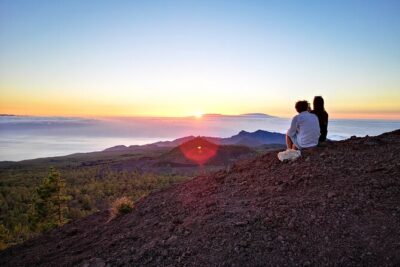
Teide National Park Sunset & Stargazing with Dinner (Star Safari)
Read our review →
Sunset Camel Trek, Al Khayma Camp, Stargazing & BBQ
Read our review →
Overnight Safari, Dinner, Stargazing & Al Khayma Camp
Read our review →
Dubai Overnight Desert Safari, BBQ & Stargazing at Al Khayma Camp
Read our review →Browse the lists this tour appears in