
Review · NEW ZEALAND
Mount Cook, Lake Pukaki: Billion Star Dining
The stars come after dinner. This evening combines excellent food at The Moraine with a small-group astronomy session at Pukaki Observatory, giving you two very different ways to enjoy the Mount Cook area. I especially like the welcome drink in the wine cellar and the purpose-built observatory with its retractable roof. The main catch is simple: clouds can cancel the stargazing, even though dinner still goes ahead.
At $224 per person, this is not a cheap night out, but it is more than a meal with a quick look through a telescope. You get four hours, fine dining, an English-speaking astro-guide, a welcome drink, and access to a 9-inch reflector telescope. The small group is limited to 10 people, which should make the astronomy portion easier to follow and more personal.
Four details that make this evening different
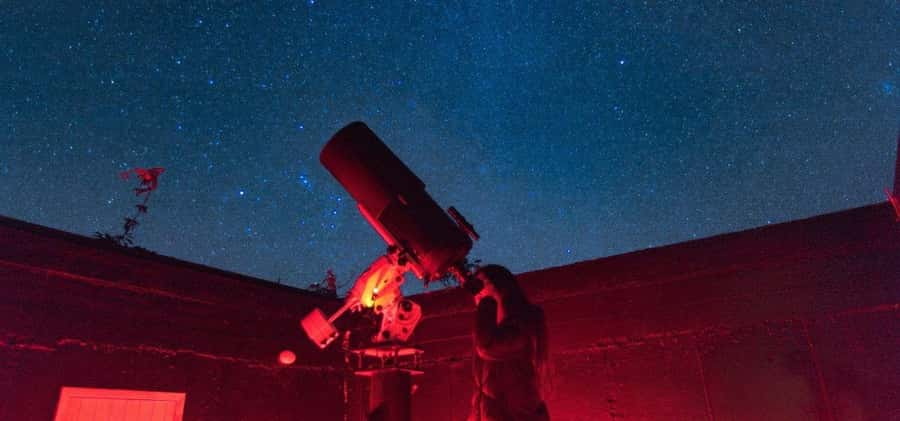
- A 9-inch reflector telescope gives you a chance to view Saturn’s rings, Jupiter’s bands, star clusters, nebulae, and planets.
- The retractable observatory roof opens the room to the Southern sky while the walls frame the stars above.
- The wine-cellar welcome drink gives the evening a calm start and introduces you to Southern Hemisphere astronomy before you head outside.
- The Moraine dining stop focuses on fresh, innovative cuisine rather than a rushed meal before an activity.
- A maximum of 10 participants keeps the group small enough for questions and easier telescope viewing.
- Aurora Australis is possible on special nights, although it is not promised and stargazing depends on the weather.
The evening begins at The Moraine
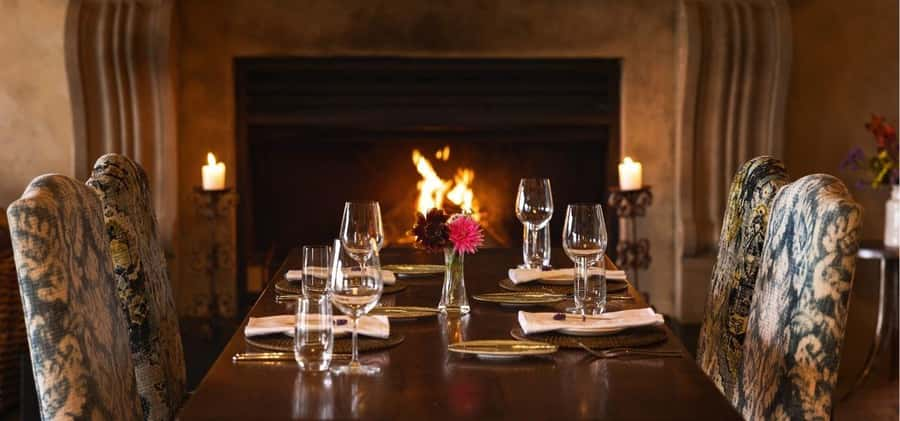
Billion Star Dining is built around a sensible idea: start indoors with a proper meal, then move outdoors when the sky gets dark. That matters in the Mount Cook area, where temperatures can drop quickly after sunset and cloud cover can change the mood of the evening.
The dining portion takes place at The Moraine. You can expect fresh, innovative cuisine served as the main event, not as an afterthought before the astronomy. A meal at this level gives the evening a slower pace. You have time to sit down, enjoy the setting, and settle into the night before thinking about planets and constellations.
Food is one of the strongest reasons to book this outing. Kerrylee from Ireland praised the outstanding meal and the astronomer, while another visitor summed up the food and location as excellent. That praise lines up with what the experience promises: a refined dinner in a beautiful South Island setting, followed by a very different kind of evening entertainment.
The exact dishes are not specified, so you should not book expecting a particular menu or dietary arrangement unless you confirm it before paying. The useful point is that the meal is presented as fine dining with fresh, creative cooking. If you care as much about dinner as the stars, this pairing gives you better value than a short stargazing session on its own.
More Stargazing Tours in New Zealand:
- Lake Tekapo: Alpine Stargazing Experience with a Guide
★ 4.5 · 626 reviews - Lake Tekapo: Stargazing Experience
★ 4.9 · 607 reviews - Chameleon Stargazing Shared Tour
★ 5.0 · 181 reviews
A welcome drink in the wine cellar
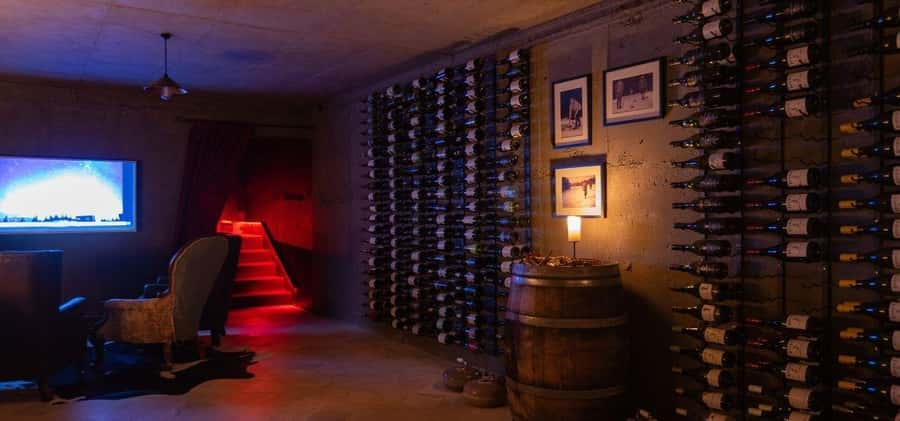
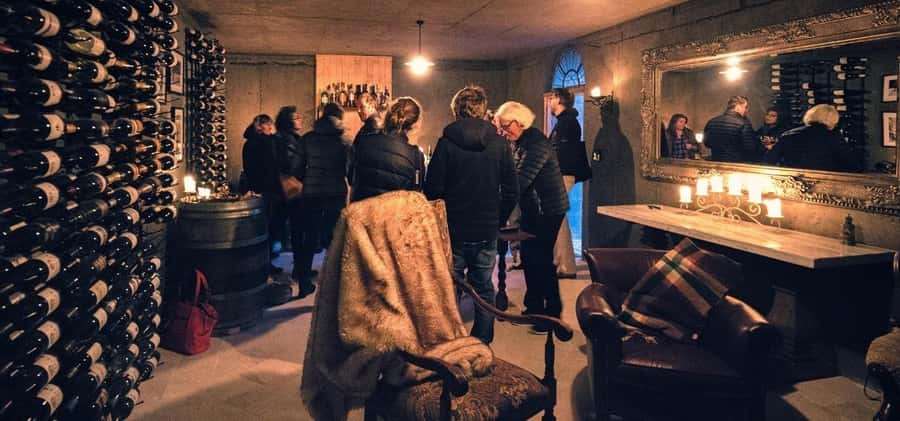
Before the observatory portion, you enjoy a welcome drink in the wine cellar. This is a small detail, but it gives the transition between dinner and astronomy some shape.
Here, you are introduced to the Southern sky and the stargazing session ahead. For anyone used to northern constellations, the Southern Hemisphere can feel unfamiliar. The night sky is not simply a reversed version of what you know. This introduction helps you get oriented before the telescope comes into play.
I like this part because it gives the guide a chance to explain what you may see instead of pointing at random bright objects once you arrive outside. It also makes the evening feel more like a hosted event than a meal followed by a piece of equipment.
The welcome drink is included in the price. The supplied information does not specify the exact drink, so do not assume it must be wine, despite the cellar setting. It is best understood as a pleasant introduction to the astronomy portion.
Pukaki Observatory and the retractable roof
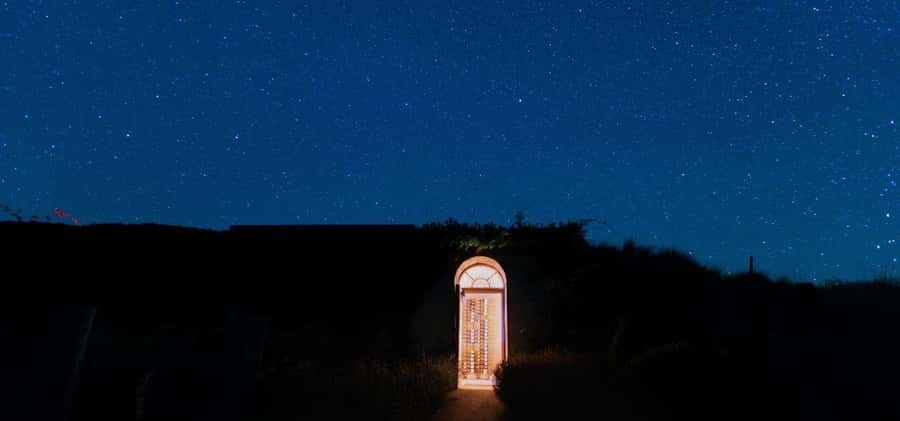
After dinner and the welcome drink, you make your way to Pukaki Observatory. The observatory has been purpose-built for stargazing, with a retractable roof and a 9-inch reflector telescope.
The roof is the clever feature. When it recedes, the observatory walls frame a wide view of the sky. You are not just looking through a telescope in a closed room. The building provides a sheltered base while opening the view above you.
That design also helps create a more focused experience. Instead of standing in an open field with lights or distractions around you, you have a dedicated place for the astronomy session. The walls frame the sky, and the telescope gives you a closer look at objects that would otherwise appear as small points of light.
Still, keep your expectations practical. A 9-inch telescope is a serious piece of equipment for a small observatory, but it does not make every object look like a glossy space photograph. What you see depends on the object, the conditions, and the skill of the guide. The appeal is seeing real celestial objects with your own eyes, including the texture and shape that can be difficult to notice without optical help.
What you may see through the telescope
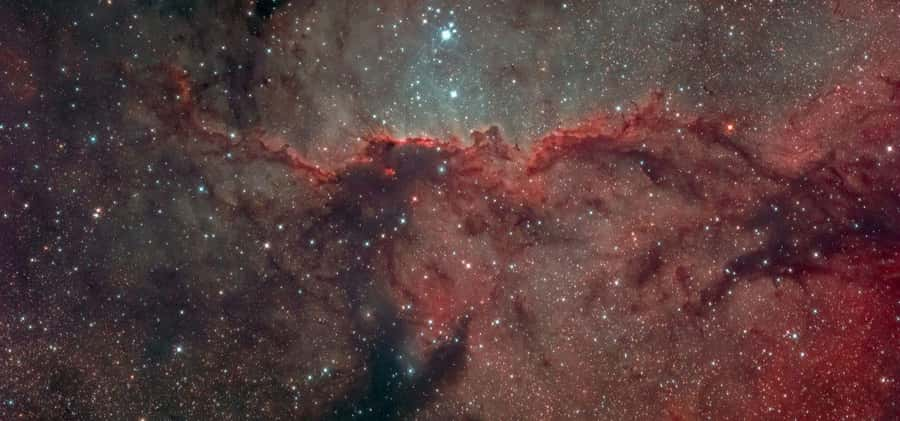
The session can include the rings of Saturn and the bands of Jupiter. Those are the kind of sights that make astronomy feel immediate. You are not just hearing about distant worlds. You are looking at them through a telescope from the South Island.
The telescope may also show star clusters, nebulae, and planets. Star clusters can appear as dense groups of pinpoints, while nebulae may look softer and less dramatic to the eye than they do in long-exposure photographs. That is normal. The pleasure comes from seeing a real object in the night sky and learning where it sits in the larger picture.
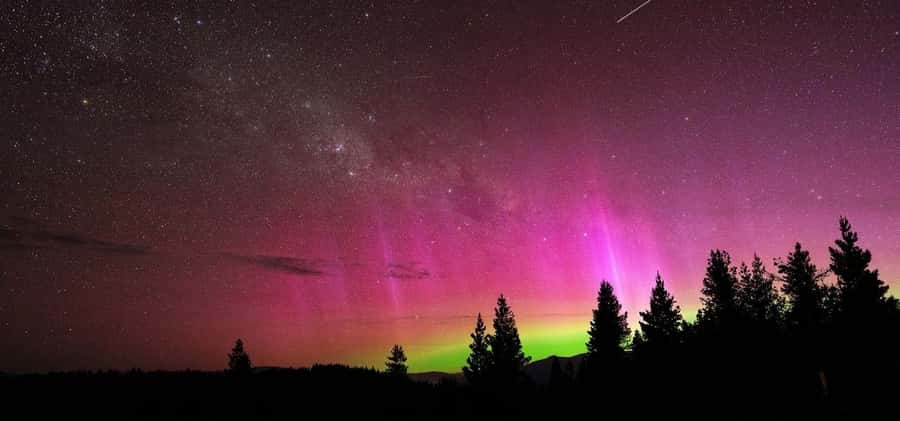
On special nights, you might glimpse the Southern Lights, also called the Aurora Australis. Treat this as a lucky extra, not part of the guaranteed program. The same applies to any particular planet or deep-sky object. The sky changes with the season, the time of night, and the weather.
An astro-guide leads the session in English. A good guide can turn a telescope viewing into a clear, memorable lesson by explaining what you are seeing and why it matters. The astronomer received especially strong praise, with the service described as brilliant and passionate. That enthusiasm is important here because a telescope session can feel flat if nobody explains what is in the eyepiece.
Same dark sky, a different way to spend it:
- Lake Tekapo: Mountaintop Stargazing at Mount John Summit
★ 4.5 · 176 reviews - Mount John Observatory Stargazing Experience, Tekapo
★ 4.5 · 160 reviews - Tekapo Star Gazing Tour – Soak in the Stars
★ 4.5 · 109 reviews - Silver River Stargazing Experience in Lake Tekapo
★ 4.5 · 106 reviews
Weather is the central consideration
Stargazing is weather dependent, and this is the one major weakness you need to accept before booking. One person received the full dining and location experience but lost the astronomy portion because of poor weather. The meal still proceeded, but clouds prevented the star viewing.
That is not a fault unique to this outing. No observatory can remove clouds from the sky. Still, the weather policy changes how you should judge the $224 price. If the sky closes in, you are paying for a fine dining evening and the planned astronomy setup without being certain that the telescope will be used.
The dining portion goes ahead in bad weather. That gives the evening a reliable core, but not a complete substitute for the stars. If seeing the Southern sky is your main reason for booking, check the forecast close to the date and keep your expectations flexible.
Bring warm clothing even if the afternoon feels mild. You will be spending time around an open-roof observatory, and the evening air can feel cold. Warm layers are more useful than relying on the comfort of the dining room.
Is $224 per person good value?
At $224 per person, Billion Star Dining sits in the special-occasion category. You are paying for more than a standard restaurant meal and more than a basic telescope viewing.
The value comes from the combination:
- A fine dining experience at The Moraine
- A welcome drink in the wine cellar
- A four-hour evening
- An astronomy session with an English-speaking guide
- Use of the 9-inch reflector telescope
- A small group limited to 10 participants
If you would happily pay for a high-end dinner and then book a separate astronomy activity, the bundled price becomes easier to justify. It also saves you from arranging two unrelated evenings.
The value is weaker if you mainly want a guaranteed look at stars. Weather can cancel that part, and the dining portion will not be replaced by a second activity. I would book this for the full pairing of food, setting, and astronomy, not as a guaranteed aurora hunt.
The minimum charge is for two people. That matters if you are traveling alone, since the experience is priced around at least two participants. The small group size is a plus for couples and small parties who want a quieter evening rather than a large coach-style outing.
Who should book this experience?

I think this suits adults and older children who enjoy both food and science. Children under 10 are not permitted, so families with younger children need to choose another evening activity.
It is especially well suited to:
- Couples marking a special trip
- Food-focused visitors who also want an astronomy experience
- People staying near Mount Cook or Lake Pukaki
- Small groups who prefer a hosted evening
- Anyone curious about the Southern Hemisphere sky
- Visitors who want a polished activity rather than a casual walk outside
You should think twice if you dislike fixed evening plans, have little interest in fine dining, or would be disappointed by a weather cancellation. The experience asks you to appreciate the full evening, not just one particular planet or a possible aurora.
Getting to the observatory
The property entrance is 860 meters from the SH80 and SH8 turnoff. At the entrance gate, look for the sign, then follow the signs to the observatory. The observatory is another 1.2 kilometers from the gate.
These distances are useful because the entrance is not directly at the observatory. Give yourself time to find the gate and follow the internal signs rather than assuming the first turnoff leads straight to the telescope. The meeting instructions specifically direct you to follow the Observatory signs.
Starting times vary, so you need to check availability for the date you want. The entire activity lasts about four hours, which includes dinner, the welcome drink, and the stargazing program. Set aside the full evening rather than scheduling another activity immediately afterward.
Cancellation is flexible up to 24 hours in advance for a full refund, and you can reserve now and pay later. Those terms are useful when the forecast looks uncertain, though they do not turn cloudy skies into a guaranteed refund after the cutoff.
What the evening gets right
The strongest part of Billion Star Dining is its balance. The meal gives you a comfortable, flavorful start, while the observatory adds a sense of place that a normal restaurant evening cannot provide.
I also like the scale. With no more than 10 people, the guide has a better chance to explain the Southern sky and help everyone take a turn at the telescope. A larger group would make the 9-inch reflector less personal and could leave you waiting for a view.
The setting helps, too. A retractable roof is more memorable than simply carrying a telescope outside, and the walls framing the sky give the observatory a clear purpose. The wine-cellar introduction links the meal and the astronomy instead of making them feel like two unrelated bookings.
The experience has earned a 4.8 rating from six reviews, with the strongest praise aimed at the food, the setting, the passionate staff, and the astronomer. That pattern tells you where the experience is most dependable: the hospitality and dinner. The stars remain at the mercy of the weather.
Should you book Billion Star Dining?
Book it if you want a special Mount Cook evening that joins fine food with a thoughtful astronomy program. The outstanding meal, small group, welcome drink, and purpose-built observatory make the $224 price reasonable for a two-part experience.
Do not book it expecting a guaranteed aurora, a clear sky, or a particular planet every night. Bring warm clothing, check the forecast, and accept that dinner may be the only completed part if clouds move in.
For adults, couples, and food-loving visitors who enjoy looking up as much as sitting down to eat, this is a strong choice. It is best approached as a refined dinner with a real chance to see the Southern sky, not as a promise written in the stars.
FAQ
Where does Billion Star Dining take place?
The experience takes place at The Moraine and Pukaki Observatory in the Mount Cook and Lake Pukaki area of New Zealand’s South Island.
How long does the experience last?
The experience lasts four hours. Starting times vary, so you need to check availability for your chosen date.
How much does Billion Star Dining cost?
The price is $224 per person. The minimum charge is for two people.
What is included in the price?
The price includes fine dining at The Moraine, a welcome drink, the stargazing experience at Pukaki Observatory, and use of the 9-inch reflector telescope.
Is the stargazing guaranteed?
No. Stargazing depends on the weather. The dining portion still goes ahead in bad weather.
What might I see through the telescope?
You may see the rings of Saturn, the bands of Jupiter, star clusters, nebulae, and planets. On special nights, you might also see the Southern Lights, or Aurora Australis.
What should I bring?
Bring warm clothing because the observatory portion takes place during the evening and the roof retracts for viewing the sky.
Are children allowed?
Children under 10 years are not permitted on this experience.
How large is the group?
The group is limited to 10 participants, making this a small-group activity.
What language is the experience offered in?
The live guide and experience are offered in English.
Where do I meet for the experience?
The entrance gate is 860 meters from the SH80 and SH8 turnoff. Follow the sign at the gate and then follow the Observatory signs for another 1.2 kilometers to the observatory.
Can I cancel my booking?
You can cancel up to 24 hours in advance for a full refund. You can also reserve now and pay later.
Just added around New Zealand
- Twizel Stargazing Experience with a Guide (Carbon Positive)★ 4.7 · 26 reviews
- Twizel: Stargazing Tour with an Astronomer and Telescope★ 4.9 · 36 reviews
- Star Safari Stargazing Experience, Martinborough★ 5.0 · 6 reviews
- Private Stargazing at Star Safari near Martinborough★ 5.0 · 3 reviews
- Twizel Stargazing Experience with a Guide (Carbon Positive)★ 4.0 · 2 reviews
- Virtual Stargazing & Astronomy Experience in Lake Tekapo★ 3.0 · 2 reviews
- Lake Tekapo Ultimate Stargazing Experience★ 5.0 · 3 reviews
- Southern Skies Stargazing Tour in Dunedin★ 5.0 · 62 reviews
Stargazing Tours, compared.
Dubai Red Dunes ATV, Camels, Stargazing & 5* BBQ Al Khayma Camp
Read our review →
Teide National Park Sunset & Stargazing with Dinner (Star Safari)
Read our review →
Sunset Camel Trek, Al Khayma Camp, Stargazing & BBQ
Read our review →
Overnight Safari, Dinner, Stargazing & Al Khayma Camp
Read our review →
Dubai Overnight Desert Safari, BBQ & Stargazing at Al Khayma Camp
Read our review →Browse the lists this tour appears in