
Review · NEW ZEALAND
Nocturnal Wonders Tawharanui Kiwi Spotting and Stargazing Tour
Nightfall changes Tawharanui completely. This three-hour walking experience takes you into Tawharanui Regional Park after dark, when the park’s birds, insects, reptiles, and North Island brown kiwi may begin moving through the bush. I like the small group, limited to 10 people, and the mix of wildlife tracking with telescope-assisted stargazing. I also like that you hear Māori stories about the night sky rather than simply pointing at stars.
The main consideration is that kiwi spotting is never guaranteed. You may see signs of activity, hear movement, or perhaps get close to a kiwi, but wildlife does not follow a tour schedule. The experience also depends on good weather, and the optional glamping stay costs extra because campsite bookings and fees are not included.
What makes this night tour worth your time
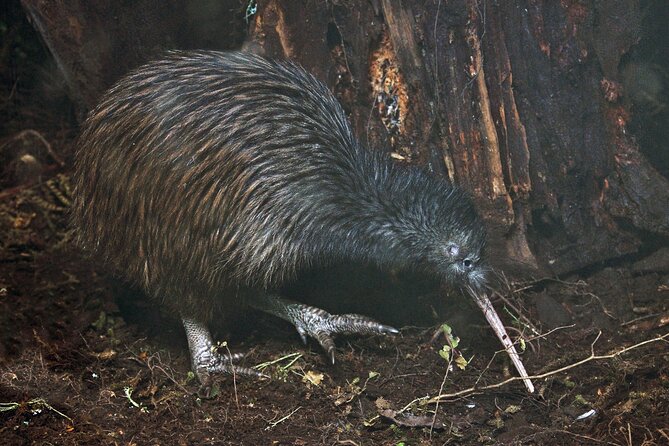
- Kiwi after dark: Follow an experienced guide through native bush as twilight fades, looking for signs of North Island brown kiwi activity.
- A very small group: With no more than 10 participants, you have room to ask questions and keep the walk quieter.
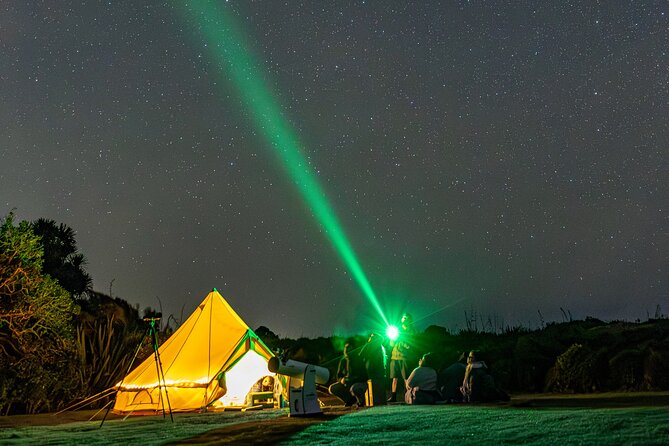
- Telescopes and binoculars included: The guide supplies equipment for viewing stars, planets, and constellations.
- Māori astronomy adds context: The stargazing includes indigenous stories and knowledge about the night sky.
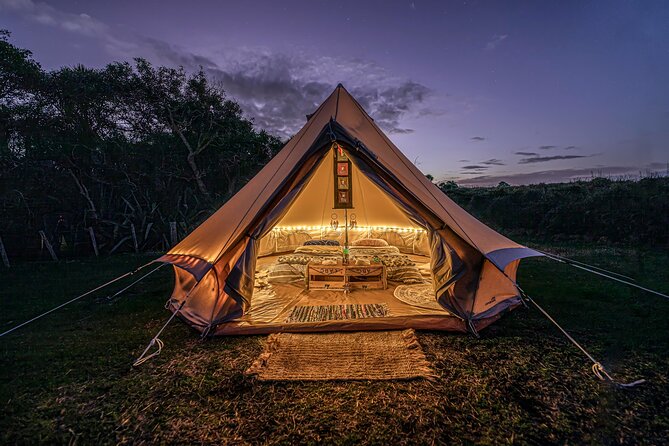
- Optional glamping: You can turn the outing into an overnight stay, but the campsite must be arranged and paid for separately.
- A strong wildlife result is possible: One especially successful outing saw three kiwi, including one at close range.
Walking into Tawharanui after sunset
The tour begins at Tawharanui Regional Park, 1181 Takatu Road, on the Tāwharanui Peninsula. You return to this same meeting point at the end, so you do not need to arrange a second pickup location.
The timing matters. This is not a daytime park walk that happens to run late. You arrive as the light drops and enter a different version of the park. The route takes you through native bush, where your guide helps you pay attention to traces and sounds that are easy to miss on your own.
I like this approach because kiwi spotting works best as a patient search, not a quick animal checklist. Your guide explains what to look for while keeping the group alert to the possibility of movement nearby. The walk also gives you a closer connection to the park than a drive-through visit would.
The small-group limit is especially useful here. Ten people is still enough for a social outing, but it is far more manageable than a large nighttime crowd. You can ask about kiwi behavior, local wildlife, or the park itself without trying to catch a guide’s attention from the back of a group.
Keep your expectations sensible. The tour promises an effort to find kiwi and information about these well-loved birds, not a guaranteed sighting. Darkness, weather, animal behavior, and group movement all affect the result. That uncertainty is part of any responsible wildlife experience, though it may disappoint you if your main goal is a guaranteed close-up.
More Stargazing Tours in New Zealand:
- Lake Tekapo: Alpine Stargazing Experience with a Guide
★ 4.5 · 626 reviews - Lake Tekapo: Stargazing Experience
★ 4.9 · 607 reviews - Chameleon Stargazing Shared Tour
★ 5.0 · 181 reviews
The kiwi search in the native bush
The kiwi discovery portion begins as twilight descends. You walk with the guide through the park, staying alert for traces of kiwi activity and other signs of night wildlife. The focus is on the animals that are active after daylight fades, including birds, insects, and reptiles.
The guide’s role matters more than fancy equipment during this part. You are not simply handed a torch and sent down a path. The tour includes explanations about kiwi, their habits, and what their presence looks like in the bush. That turns the outing into a lesson in reading the environment, even if the birds remain out of sight.
One reported outing had an exceptional result: three kiwi were seen, and one came close to the group. That gives you a useful sense of what is possible, but not what should be expected every night. Treat that as a lucky outcome rather than a promise.
If you do see a kiwi, the encounter may be brief. The bird could be moving through the bush, feeding, or disappearing before everyone gets a perfect view. A quiet group and an attentive guide improve your chances, which is another reason the 10-person maximum matters.
The walk is also a good fit if you enjoy wildlife beyond headline species. Tawharanui at night is not only about kiwi. The tour specifically includes the chance to notice nocturnal birds, insects, and reptiles, so the evening can still be worthwhile if the kiwi stays hidden.
Telescopes, binoculars, and a darker sky
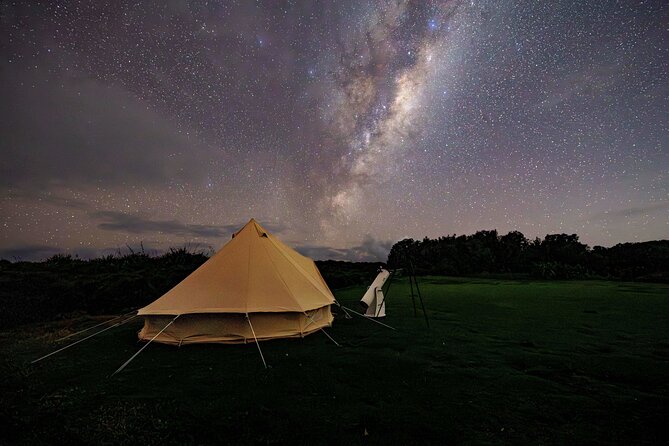
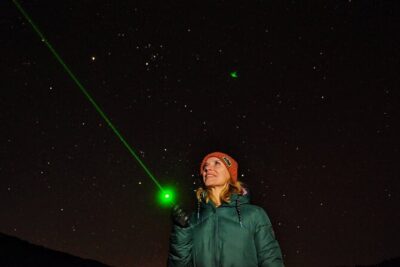
After the kiwi search, the tour moves to a secluded stargazing site within the park. The lack of city glare allows the stars to become the main event. The guide provides telescopes and binoculars, so you do not need to bring specialist viewing equipment.
That included gear improves the value of the experience. A dark sky is impressive by itself, but a telescope gives you a more focused way to explore it. Binoculars are also useful for scanning broad areas of the sky and can be easier for some people to use than a telescope.
The session covers stars, planets, and constellations. You are not left to identify random points of light on your own. The guide explains what you are seeing and adds stories from indigenous astronomy, giving the sky a cultural setting as well as a scientific one.
I like that the stargazing follows the wildlife walk. The two parts suit each other: first you pay attention to small movements in the bush, then you look upward at the much larger night sky. It gives the three hours a clear rhythm without requiring a full day of sightseeing.
The exact quality of the view will depend on the weather. Cloud, rain, or poor conditions can stop the activity from running. If the operator cancels because of bad weather, you can choose another date or receive a full refund.
What the three-hour format means
At approximately three hours, this is long enough to feel like a proper evening outing without taking over your whole night. You get time for both the kiwi search and stargazing, but the schedule is not so long that the dark walk becomes an endurance test.
You should plan around the tour’s fixed meeting point rather than expect hotel pickup. The stated start and finish are both at Tawharanui Regional Park. The mobile ticket is convenient, and booking confirmation is provided at the time of booking.
Because the activity takes place outdoors after dark, you should be comfortable walking through native bush in nighttime conditions. The supplied details do not list a required fitness level, and most people can participate. Still, you should consider your own comfort with a three-hour outdoor walk before booking.
The experience is limited to a maximum of 10 people. A small group helps with questions, listening for wildlife, and keeping the atmosphere calm. It also means dates may depend on meeting a minimum number of participants. If the outing is canceled because too few people book, you are offered another date or experience, or a full refund.
Same dark sky, a different way to spend it:
- Lake Tekapo: Mountaintop Stargazing at Mount John Summit
★ 4.5 · 176 reviews - Mount John Observatory Stargazing Experience, Tekapo
★ 4.5 · 160 reviews - Tekapo Star Gazing Tour – Soak in the Stars
★ 4.5 · 109 reviews - Silver River Stargazing Experience in Lake Tekapo
★ 4.5 · 106 reviews
Is the $93.09 price good value?
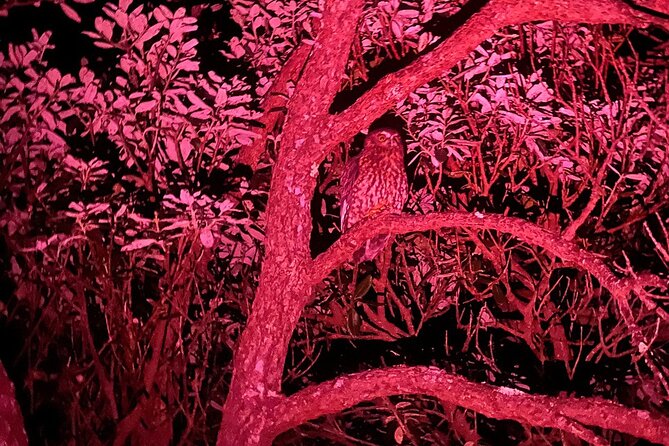
At $93.09 per person, the tour is not simply charging for a walk through a public park. The price includes an experienced guide, specialist stargazing equipment, a planned kiwi search, and interpretation of the night sky. For someone interested in wildlife and astronomy, that combination gives the fee a reasonable basis.
The strongest value comes from the guide. Tawharanui is free to enter as a natural place, but finding and understanding nocturnal wildlife on your own is a different matter. A guide can help you notice signs, explain kiwi behavior, and make better use of the telescope and binoculars.
The small group also matters. You are paying for a more personal experience, not a crowd moving from one viewpoint to another. With up to 10 participants, you have a fair chance to hear explanations and ask questions.
The price is less attractive if you only want a guaranteed kiwi photograph. There is no guarantee that a kiwi will appear, and the tour depends on nature and weather. It is better value if you see the outing as a guided night in the park, with kiwi spotting as the main possibility rather than the only measure of success.
If you choose the glamping option, budget separately. Campsite bookings and fees are not included in the $93.09 price. The supplied details do not specify the glamping price, so you should confirm that cost before committing to an overnight stay.
Who should book this experience?
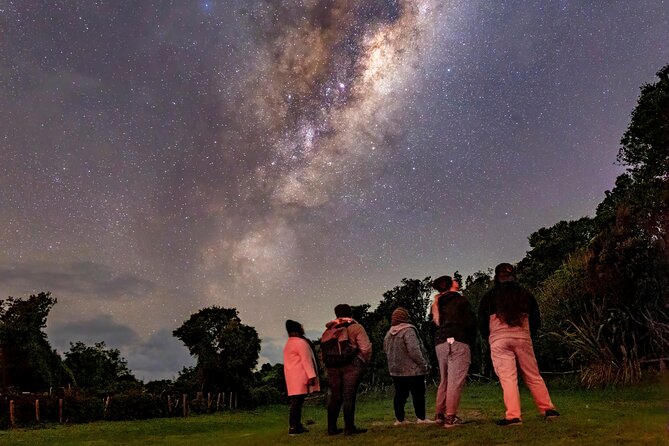
I would recommend this tour to you if you enjoy wildlife, walking, and learning from a guide. It suits someone who would rather spend an evening listening for kiwi and studying constellations than visiting another daytime attraction.
It is also a good choice for visitors who want a quieter side of Auckland’s region. The tour focuses on Tawharanui after dark, when the park feels very different from a standard daytime visit. The setting offers nature without requiring a full multi-day expedition.
Families and mixed-age groups may appreciate the short format, since the activity lasts about three hours rather than a full night in the bush. Still, everyone in your party should be comfortable with an outdoor walk after dark. Most people can participate, but the available information does not provide detailed trail or mobility specifications.
Astronomy fans will find extra value in the telescope session and Māori stories about the sky. Wildlife fans may prefer the tour if they can accept uncertainty. If you need a guaranteed animal encounter, a controlled wildlife sanctuary may suit you better, though it would not offer the same night walk through Tawharanui.
Practical ways to get more from the evening
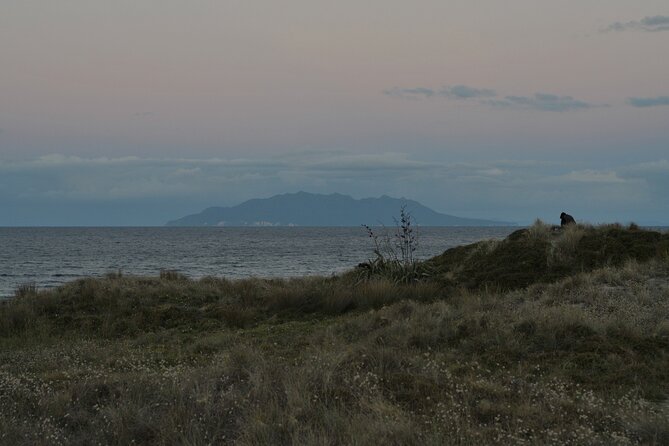
Arrive ready for a walking experience, not a seated presentation. The itinerary centers on moving through the park and paying attention to what is around you. Keep the group quiet and patient, since sudden noise can work against the purpose of the kiwi search.
Ask questions. The small-group format is designed to give you access to the guide, and the value of the tour increases when you use that access. Ask about kiwi signs, local night wildlife, the stars above you, and the indigenous astronomy stories included in the session.
Allow for weather flexibility. This activity requires good weather, so avoid placing it on the final possible night of a tightly packed itinerary if a cancellation would cause problems. Free cancellation is available until 24 hours before the start time, but changes or cancellations inside that window are not accepted.
If you are tempted by glamping, treat it as an add-on rather than part of the basic tour. The camping option can make the evening feel more complete, but you are responsible for campsite bookings and fees.
Cancellation and weather rules
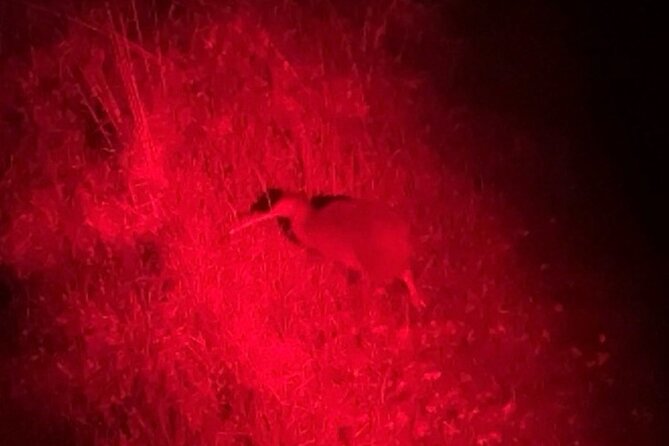
You can cancel for a full refund up to 24 hours before the experience begins. Cancellations made less than 24 hours before the start time are not refunded, and changes inside that period are not accepted.
The operator may cancel if weather conditions are unsuitable or if the minimum number of participants is not reached. In either case, you are offered a different date or experience, or a full refund. Cutoff times use local New Zealand time, so check the timing carefully if you are booking from overseas.
Should you book the Tawharanui night tour?
Book it if you want a small, guided evening that combines real wildlife uncertainty with a well-equipped look at the stars. The possibility of seeing a North Island brown kiwi is exciting, and the report of three sightings, including one close encounter, shows that the outing can deliver a memorable result.
Book it especially if you value interpretation, Māori astronomy, and access to a guide more than a guaranteed photo. At $93.09, the price is fair for the guide, equipment, and small group, though the optional campsite adds another cost.
Skip it if you need certainty, dislike outdoor walks after dark, or have no flexibility for weather changes. For everyone else, this is a thoughtful way to experience Tawharanui beyond daylight, with enough variety to make the evening worthwhile even when the kiwi keeps its distance.
FAQ
Where does the tour begin?
The tour begins at Tawharanui Regional Park, 1181 Takatu Road, Tāwharanui Peninsula 0986, New Zealand.
Where does the tour finish?
The activity ends back at the meeting point in Tawharanui Regional Park.
How long does the experience last?
The tour lasts approximately three hours.
How much does the tour cost?
The listed price is $93.09 per person.
How many people can join the tour?
The tour has a maximum of 10 participants.
Is a mobile ticket available?
Yes, the experience includes a mobile ticket.
Is kiwi spotting guaranteed?
No. The tour searches for North Island brown kiwi and signs of kiwi activity, but a sighting is not guaranteed.
What equipment is provided?
The guide provides telescopes and binoculars for the stargazing session, along with specialized equipment for the experience.
Is camping included?
No. Glamping is an optional enhancement, but campsite bookings and fees are not included.
Can I cancel for a full refund?
Yes. You can cancel up to 24 hours before the experience starts for a full refund. Changes or cancellations made less than 24 hours before the start time are not accepted.
What happens if bad weather cancels the tour?
If poor weather causes a cancellation, you are offered another date or a full refund.
Can most people participate?
Yes. Most people can participate, although the provided details do not give specific trail or mobility information.
Just added around New Zealand
- Twizel Stargazing Experience with a Guide (Carbon Positive)★ 4.7 · 26 reviews
- Twizel: Stargazing Tour with an Astronomer and Telescope★ 4.9 · 36 reviews
- Star Safari Stargazing Experience, Martinborough★ 5.0 · 6 reviews
- Private Stargazing at Star Safari near Martinborough★ 5.0 · 3 reviews
- Twizel Stargazing Experience with a Guide (Carbon Positive)★ 4.0 · 2 reviews
- Virtual Stargazing & Astronomy Experience in Lake Tekapo★ 3.0 · 2 reviews
- Lake Tekapo Ultimate Stargazing Experience★ 5.0 · 3 reviews
- Southern Skies Stargazing Tour in Dunedin★ 5.0 · 62 reviews
Stargazing Tours, compared.
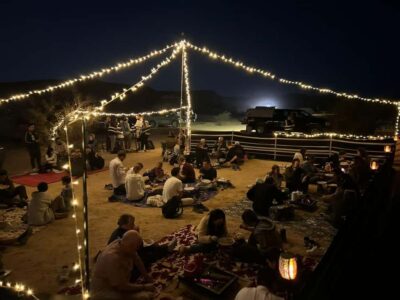
Dubai Red Dunes ATV, Camels, Stargazing & 5* BBQ Al Khayma Camp
Read our review →
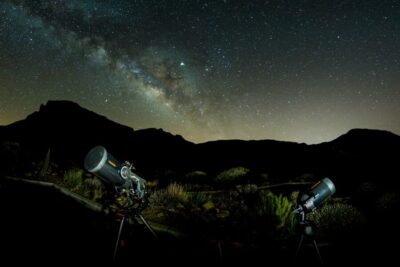
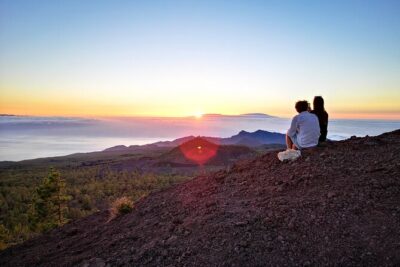
Teide National Park Sunset & Stargazing with Dinner (Star Safari)
Read our review →
Sunset Camel Trek, Al Khayma Camp, Stargazing & BBQ
Read our review →
Overnight Safari, Dinner, Stargazing & Al Khayma Camp
Read our review →
Dubai Overnight Desert Safari, BBQ & Stargazing at Al Khayma Camp
Read our review →Browse the lists this tour appears in