
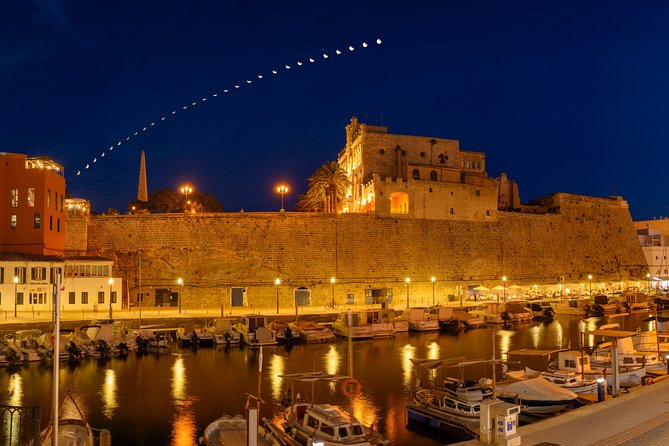
Review · TELESCOPE
Menorca Astronomical Observation with Telescopes, Night Sky
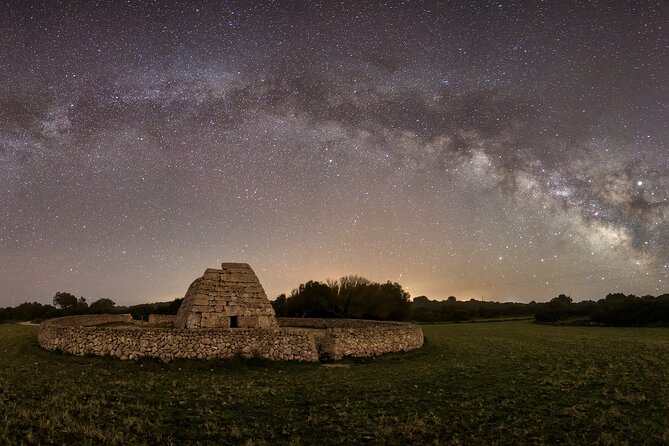
Menorca gets dark enough to show the Milky Way. This two-hour night-sky outing takes you to La Vall, where Starlight guides explain Menorca’s protected sky before aiming laser pointers, binoculars, and telescopes at planets, stars, nebulae, and galaxies. I like the mix of clear science and constellation mythology, and I like that the small group is limited to 15 people. The main drawback is simple: the experience depends on good weather and you must arrange your own transport.
I also like the practical setup. You meet at a private headquarters with a bathroom, terrace, tables, and chairs, rather than standing in a dark field with nowhere to sit. Guides Edu and Javier receive especially warm praise for being friendly, funny, professional, and good at explaining astronomy in plain language. Still, a cloudy night can change the plan, so keep your schedule flexible.
Key things to know before you book
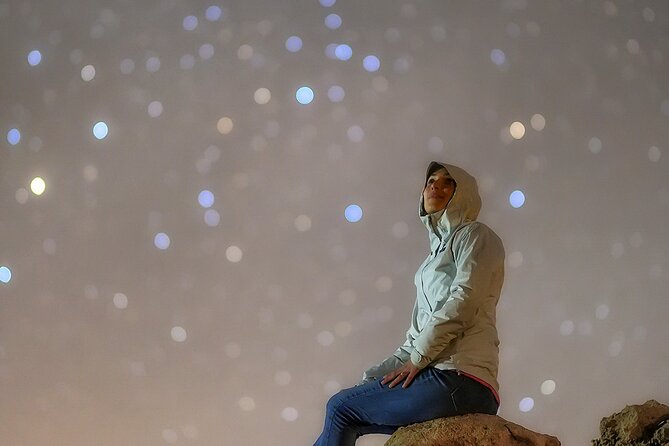
- La Vall is the only listed stop: The activity begins and ends at the private headquarters near Ciutadella, at Aparcament de la Vall.
- The sky is the main attraction: Menorca’s Starlight protection helps preserve dark conditions for seeing the Milky Way and other objects.
- You use several kinds of equipment: The session combines a laser pointer, astronomical binoculars, and modern telescopes.
- The group stays small: A maximum of 15 people makes it easier to follow the guide and take a turn looking through the equipment.
- Edu and Javier lead with warmth: Their approach combines scientific facts, light humor, and stories about constellation mythology.
- Transport is not provided: You need to reach the meeting point yourself and return from it after the session.
Why Menorca’s night sky makes this worthwhile
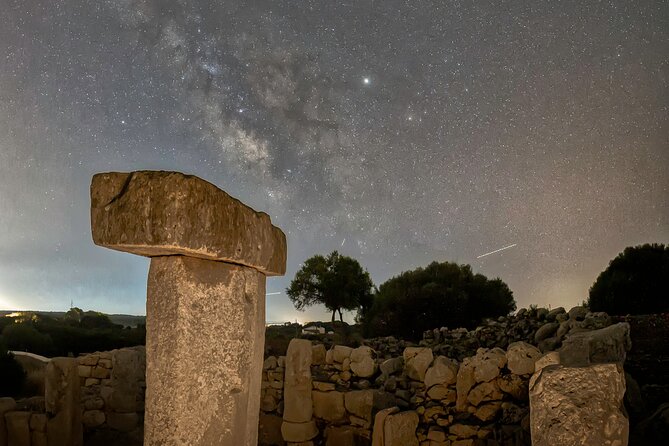
Menorca is known for its protected natural setting, and that protection extends into the hours after sunset. The island is recognized as a Starlight territory, reserve, and destination, a status linked to preserving the quality of its night sky. For you, that means the darkness is not just a backdrop. It is the reason this activity can show objects that are difficult or impossible to see in places with heavy light pollution.
The central promise is a proper astronomical observation, not simply a short look at the stars. You begin with an introduction to Menorca, its commitment as a biosphere reserve, and the meaning of Starlight protection. That gives the evening some useful context before the equipment comes out.
I appreciate that the experience connects astronomy with the island itself. You are not only being told where to find a constellation. You also hear about the natural setting around you and the importance of keeping the sky dark. It gives the outing a sense of place that a generic planetarium visit cannot provide.
The sky changes with the date, conditions, and season, so the exact objects visible are not fixed. The activity description names planets, stars, nebulae, galaxies, and the Milky Way as possible targets. A good night may offer a broad mix, but you should not book expecting one specific planet or galaxy to appear on demand.
More Telescope Stargazing in Spain:
- Teide by Night: Sunset & Stargazing with Telescopes Experience
★ 4.5 · 1,492 reviews - Teide National Park: Guided Large Telescope Stargazing Tour
★ 4.9 · 319 reviews - Cavalleria: Guided Stargazing at the Beach with Telescope
★ 4.9 · 87 reviews
Arriving at La Vall near Ciutadella
The meeting point is Aparcament de la Vall, 07769 Ciutadella de Menorca. The session takes place at the provider’s headquarters in a private location, and the activity finishes back at the same point.
This arrangement is useful because you have basic facilities throughout the evening. There is a bathroom, terrace, tables, and chairs. Those details may sound ordinary, but they matter during a two-hour outdoor activity, especially if you are visiting with children, older family members, or anyone who prefers not to stand for the entire session.
You will need to plan your own way there. Transport is not included, and no pickup service is listed. Check the route and allow time to arrive before the observation begins. Since the activity ends at the same meeting point, you can plan your return journey without dealing with a different drop-off location.
The private setting also helps keep the focus on the sky. You are not being moved between several attractions or rushed through a long program. La Vall is the base, and the evening builds around what can be seen from there.
The opening explanation: Menorca, biosphere protection, and Starlight status
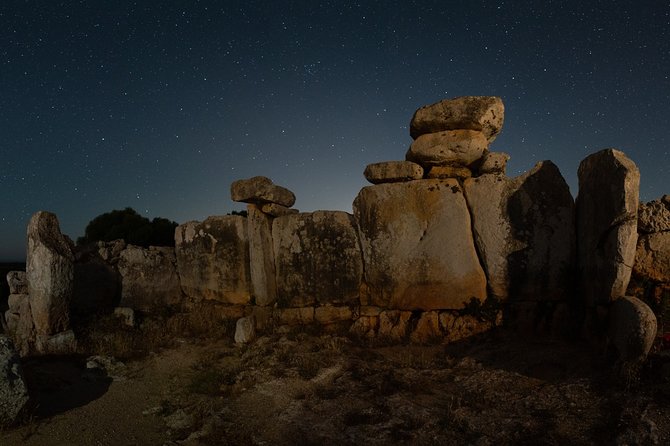
The first part is a short introduction to Menorca and its environmental commitments. You learn how the island’s biosphere reserve status relates to sustainability, then hear what it means to be a Starlight territory, reserve, and destination.
This opening is valuable because it explains why the darkness matters. Light pollution washes out faint stars and distant objects. Protecting the night sky helps preserve an important natural resource, and it also makes astronomical observation possible for people who may rarely see more than the brightest stars at home.
The guide then introduces the natural setting around La Vall. The provided information does not promise a hike or a separate nature walk, so you should think of this as an orientation to the place rather than a walking tour. The emphasis remains astronomy.
I would pay close attention here, even if you already know a little about stars. The introduction helps you understand the wider reason for the activity instead of treating the telescope as a piece of equipment with no connection to Menorca.
Reading the sky with a laser pointer
After the introduction, the guide gives you a tour of the night sky using a laser pointer. This is often the easiest way to get oriented because you can see the guide point out patterns overhead before trying to find them through binoculars or a telescope.
The session includes constellations, bright stars, and the mythology attached to them. That storytelling gives the stars a human dimension. You are not only memorizing names and positions. You are hearing the old stories connected to the figures people imagined in the sky.
The mythology should appeal to mixed groups because it adds an entertaining thread for people who are less interested in technical astronomy. At the same time, the activity also includes scientific information, so it is not reduced to folklore. The balance between playful stories and factual explanation is one of its strongest features.
Guide Edu is praised for explaining subjects in a simple way and making them interesting to listen to. Javier is also praised for his professionalism and friendly manner. Those details matter because an astronomy session can quickly become hard to follow if the guide uses too much specialist language.
More Observation Decks in Spain:
- Madrid: Night sky observation with an expert astronomer
★ 4.5 · 3 reviews - Night Sky observation and photography (Small Group)
★ 5.0 · 2 reviews
What the binoculars and telescopes add
The night is not limited to looking upward with your eyes. Astronomical binoculars and modern telescopes are used to examine the main visible objects in greater detail.
Binoculars can help bridge the gap between the naked-eye view and the more concentrated telescope image. You first gain a sense of the broad sky, then move toward selected objects. The telescope provides the most focused view, but the experience works best when you understand where the object sits in the larger pattern above you.
Possible targets include planets, stars, nebulae, galaxies, and sections of the Milky Way. The precise selection depends on the date and conditions. This is an important point: astronomy is not a fixed stage show. Clouds, visibility, and the position of objects all affect what the guide can show.
One particularly good part of the format is the chance to compare different views. The laser pointer helps you locate an object. Binoculars give you a wider, more detailed look. The telescope then brings selected points of interest closer. Even if you are new to astronomy, that progression helps you understand how the tools differ.
You should also expect some waiting while the group takes turns with the equipment. The maximum group size is 15, which is reasonably small for a telescope-based session, but it is not a private observation for just one or two people. Listen to the guide’s explanation while others are looking, and the time should remain useful.
What happens when conditions are not perfect
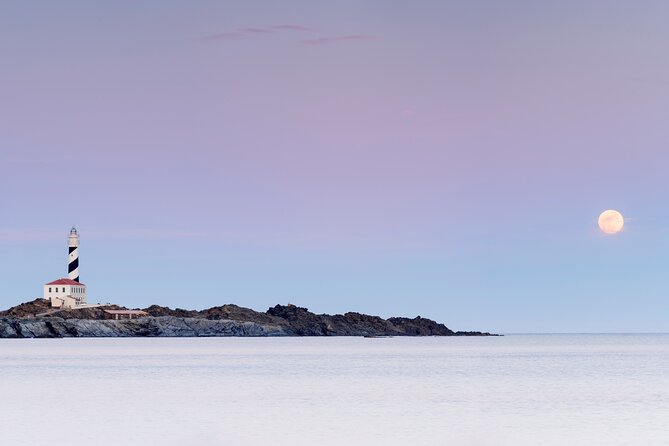
Weather is the key uncertainty. The activity requires good weather, and poor conditions can lead to a new date or a full refund. A date change is not a sign that the experience has failed. Clouds can block the very objects you are paying to see, so postponing is more sensible than pretending that a proper observation is possible.
One recent booking was moved earlier because of the forecast. The guide was still able to teach a great deal within the conditions, combining scientific information with lighter material. That is useful reassurance, but you should still treat the weather policy seriously.
If the sky is partly affected, the guide may be able to show some objects while explaining others. If conditions are poor enough, the outing may be canceled. You can cancel for a full refund if you do so at least 24 hours before the start time, but changes or cancellations made later are not accepted for a refund under the stated policy.
The practical lesson is to avoid placing this activity on the final night of your holiday. Give yourself another possible evening if the forecast turns bad.
Is $35.57 a fair price?
At $35.57 per person, I see this as a reasonable price for a two-hour guided astronomy session, especially because it includes several kinds of equipment and a small maximum group. You are paying for instruction, access to telescopes and binoculars, and the chance to observe from a protected dark-sky setting.
The value depends on your interests. If you already spend a lot of time using your own telescope, the introductory explanations may feel basic. If you rarely see a truly dark sky, the experience offers something much harder to arrange independently.
The included facilities also improve the value. A bathroom, terrace, tables, and chairs make the base comfortable, while the small group gives the guide a better chance to explain what you are seeing. Transport is the main extra cost to remember, since you must get to La Vall on your own.
The activity has a 4.9 rating from 19 ratings, with 95 percent recommending it. That strong response fits the elements that matter most here: friendly guides, clear explanations, and a memorable view of Menorca after dark. The sample is not huge, so I would treat the rating as encouraging rather than as a guarantee of perfect skies.
Who will enjoy this night-sky experience
I would recommend it to couples, families, and curious adults who want a quiet evening activity with some substance. It suits you particularly well if you enjoy learning through stories, since the session blends astronomy with the mythology of the constellations.
Children may also enjoy the laser pointer and telescope views, though the supplied information does not give a specific minimum age or children’s program. The group format requires people to listen and take turns, so it may be less suitable for anyone expecting constant action.
You do not need to be an astronomy expert. The guide’s simple explanations are designed to make the subject approachable. You might find the session less satisfying if your only goal is to photograph the sky, since no photography service or camera setup is included in the details provided.
Service animals are allowed, and most people can participate. If you have a particular mobility or support need, check before booking because the available information does not describe the full site surface or telescope access arrangements.
Small details that make the evening better
Plan your transport before booking, and remember that you return to the same meeting point. Since the activity is outside and depends on visibility, check the forecast close to the date and keep an alternative evening available.
Give yourself enough time to reach La Vall without rushing. You will get more from the opening explanation if you arrive ready to listen, rather than joining after the guide has begun discussing Starlight protection and the local setting.
Bring patience as well as curiosity. Telescope sessions involve turns, and the sky may not reveal every object equally well. The reward comes from learning how to recognize the sky, not just from collecting one quick look through a lens.
The best attitude is to treat the experience as a guided introduction to Menorca’s darkness. You may see the Milky Way, planets, nebulae, galaxies, and bright stars, but the exact combination depends on nature.
Should you book it?
I would book this experience if you want a relaxed, small-group evening that combines science, stories, and a rare look at a dark Mediterranean sky. The strongest reasons are the Starlight setting, the range of optical equipment, and the friendly teaching style associated with Edu and Javier.
I would hesitate only if your schedule cannot handle a weather change, you have no easy way to reach La Vall, or you want a private session with guaranteed views of a particular celestial object. For most people who are curious about the night sky, $35.57 is a fair price for two hours of guidance and equipment.
Book it early enough to leave a spare evening available. That small bit of planning gives you the best chance of seeing Menorca at its darkest and most beautiful.
FAQ
How long does the astronomical observation last?
The activity lasts approximately two hours.
Where does the activity begin?
It begins at Aparcament de la Vall, 07769 Ciutadella de Menorca, Balearic Islands, Spain.
Where does the activity end?
It ends back at the meeting point at La Vall.
Is transportation included?
No. Transportation is not included, so you must arrange your own way to and from the meeting point.
What equipment is used?
The observation uses laser pointers, astronomical binoculars, and modern telescopes.
How many people can join?
The activity has a maximum of 15 travelers.
What happens if bad weather cancels the activity?
If poor weather causes a cancellation, you will be offered a different date or a full refund.
Just added around Spain
- VIP Sunset & Stargazing experience★ 4.5 · 44 reviews
- Skip the Line: Teide Observatory Entrance Ticket★ 3.0 · 33 reviews
- Small Group Teide Stargazing Tour with Picnic at Sunset★ 5.0 · 3 reviews
- TEIDE NIGHT Astronomy Stargazing Bus Tour, Meal & Drinks included!★ 4.0 · 15 reviews
- Sunset and stargazing from Teide★ 3.5 · 51 reviews
- Tenerife Exclusive & Private Gastronomic, Sunset-Stargazing★ 5.0 · 3 reviews
- PRIVATE TOUR Teide National Park: Hiking and Stargazing★ 5.0 · 38 reviews
- Sunset & Stargazing Experience from Teide★ 4.0 · 31 reviews
Telescope Stargazing, compared.
Teide by Night: Sunset & Stargazing with Telescopes Experience
Read our review →
Uluru: National Park Astronomy Tour with Telescope and Photo
Read our review →
Teide National Park: Guided Large Telescope Stargazing Tour
Read our review →
Northern Lights Tour and Stargazing by Telescope
Read our review →
Jasper Planetarium and Telescope Combo Tour Tickets
Read our review →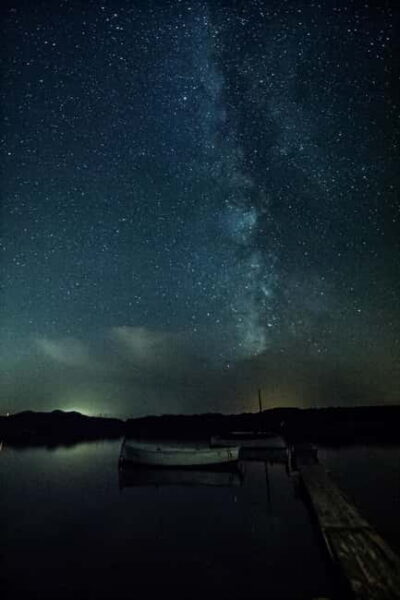
Cavalleria: Guided Stargazing at the Beach with Telescope
Read our review →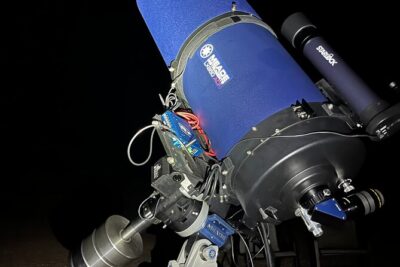
Stargazing Tour with Telescopes and Video Astronomy in Sedona
Read our review →Browse the lists this tour appears in