
Review · CHILE
Milky Way Sanctuary Stargazing Tour at Pangue Observatory
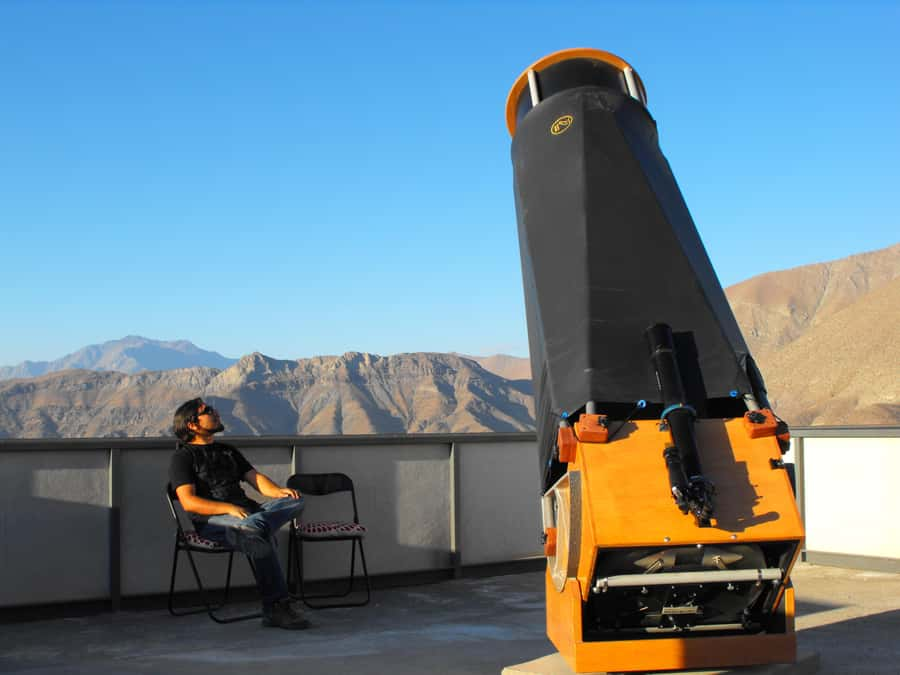
The stars here are the main event. This six-hour outing from La Serena takes you into the Elqui Valley and the Gabriela Mistral dark skies sanctuary, where dry air, clear skies, and high elevation create excellent conditions for seeing the southern night sky. I like the small group limit of eight people, and I like that you use serious 16-inch or 25-inch telescopes rather than simply looking up with the naked eye.
I also appreciate the stop in Vicuña, which breaks up the drive and gives the evening a little local character. The main consideration is the price: at $225 per person, this is not a casual budget activity. The tour also cannot run close to a full moon, and same-day availability may be scarce, so you need to plan ahead.
The most praised parts are the patient guides, smooth driving, and personal time at the telescope. Cristobal is specifically noted for being accommodating, while the observatory staff help explain what you are seeing. One visitor in a six-person group had enough time to ask questions and view planets, a supernova, and a dying star without feeling rushed.
Key points to know before booking
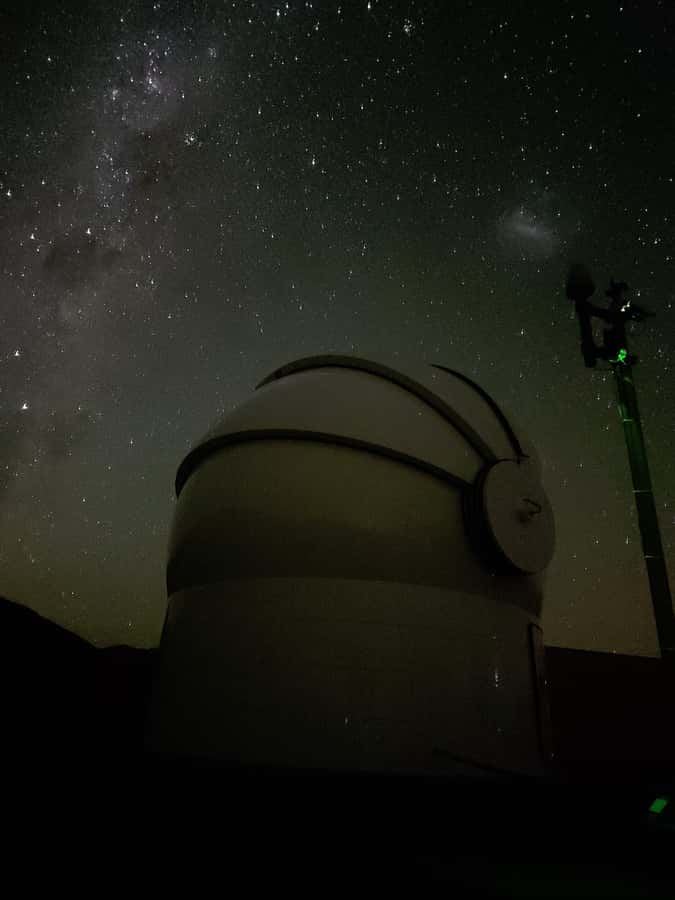
- Powerful telescopes: Choose between advanced 16-inch and 25-inch instruments, with eyepieces designed for detailed views.
- A small group of eight: The limited capacity gives you more time to ask questions and look through the telescope.
- A serious astronomical setting: Pangue sits about 1,500 meters above sea level near major observatories, including Tololo, SOAR, Gemini, and the Vera Rubin Observatory.
- More than ten objects: The evening can include planets, galaxies, nebulae, clusters, massive blue stars, red dwarfs, and supernova remnants.
- A six-hour evening from La Serena: Transport, the Vicuña stop, the observatory visit, and the return drive are included.
- Moonlight matters: The tour is not scheduled near a full moon because bright moonlight reduces the quality of the sky.
Why Pangue is such a strong place for stargazing
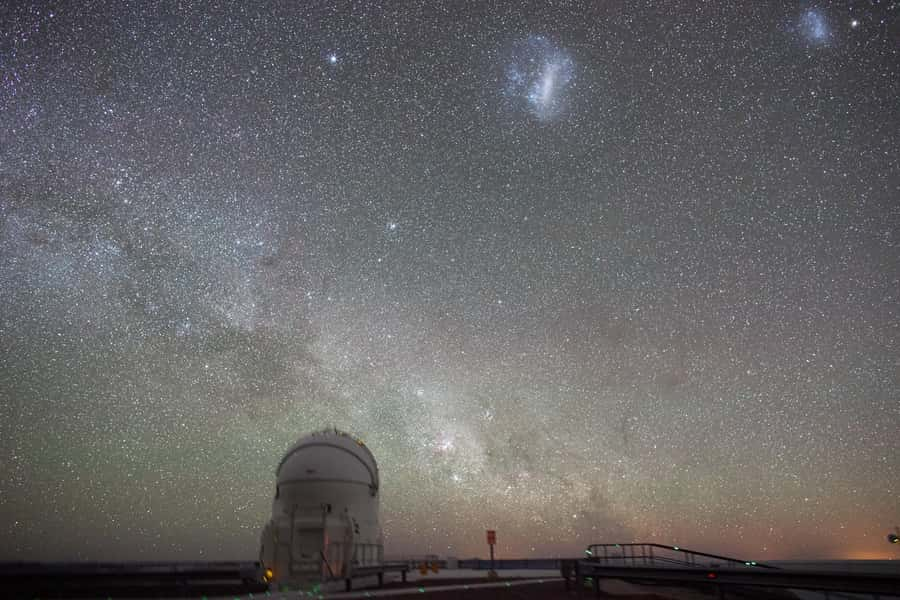
Chile’s Elqui Valley is famous for its astronomical conditions, and Pangue benefits from the same dry, clear mountain air that drew major scientific observatories to the area. The observatory sits roughly 1,500 meters above sea level in the pre-Andean range, under the Gabriela Mistral dark skies sanctuary.
That location matters in practical terms. Dry air and low light pollution help stars appear sharper and more numerous. You are not simply visiting a dark hill outside town. You are looking up from an area chosen for serious astronomical work.
Pangue is positioned in front of several important observatories: Tololo, SOAR, Gemini, and the Vera Rubin Observatory. The Vera Rubin facility is known for having one of the world’s most powerful digital cameras. You will not be using those scientific instruments during this tour, but their presence tells you something useful about the quality of the region.
I like the contrast between the human scale of the visit and the scale of the setting. The tour is personal, with no more than eight people, yet the subject reaches from nearby planets to distant galaxies and the center of our own Milky Way.
More Milky Way Tours in Chile:
- Stargazing and Milky Way Portrait in Capitol Reef National Park
★ 4.5 · 13 reviews - Milky Way Photography Workshop in Acadia National Park
★ 5.0 · 8 reviews - Mount Bromo Milky Way Photography and Sunrise Private Tour (1D1N)
★ 5.0 · 6 reviews
The La Serena pickup keeps the evening simple
The experience begins with pickup at your accommodation in La Serena or nearby surroundings. You are asked to wait at the reception area, which is a useful detail in a city where accommodations can be spread out and entrances may not be obvious.
From La Serena, the drive to Vicuña takes about an hour. This is not a quick pop-out after dinner, so think of the tour as a full evening rather than a short observatory visit. The included transport is valuable because you do not need to arrange a separate driver for a mountain observatory or manage the return after a late night.
The drive also helps the tour feel like a small trip into the Elqui Valley rather than an activity tucked onto the end of a city day. Still, you should be comfortable spending several hours in transport and at the observatory. Anyone who dislikes long evening drives may find the schedule tiring.
Vicuña adds a pleasant pause after the first hour
The itinerary includes about 15 minutes in Vicuña for a break, a short visit, and free time. That is enough to stretch your legs and get a brief look at this attractive valley town, but it is not a full town tour.
The stop is well placed. After an hour on the road, you get a chance to reset before continuing toward Pangue. One visitor particularly enjoyed Vicuña, calling the town adorable, and I can see why a short stop here adds charm to an evening that could otherwise be all roads and telescopes.
Keep your expectations in check. Fifteen minutes passes quickly. You will not have time for a long meal, a museum visit, or a full walk through town. Treat it as a useful pause and a small taste of the valley.
Arriving at Pangue before the stars appear
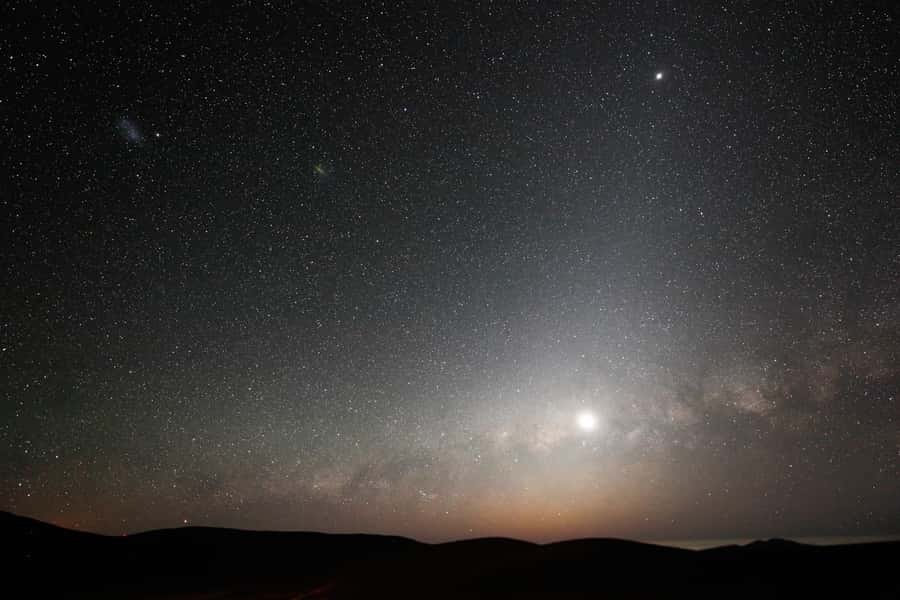
The Pangue portion lasts about two and a half hours and includes the observatory visit, a guided tour, sunset, and mountain views along the way. This timing is important because the visit is not only about darkness. You also get to see the site before night settles in.
Sunset gives you a chance to appreciate the setting around the observatory. As the light fades, the purpose of the location becomes clearer. The mountains and open skies provide the frame, while the observatory equipment becomes the focus.
There is a small coffee area with comfortable seats, and coffee, water, and tea are provided free of charge. That may sound minor, but it matters during a cool evening spent waiting for the sky to darken. Bring comfortable clothing and a long-sleeved shirt, since mountain temperatures can feel cool after sunset.
The coffee area also gives the group a place to gather between telescope observations. This is especially useful in a small group, where the night can move at a relaxed pace rather than feeling like a crowded line.
More Observatory Visits in Chile:
- Royal Observatory Greenwich & Prime Meridian Entrance Ticket
★ 4.5 · 1,095 reviews - Griffith Observatory Hike: Guided Tour through Griffith Park
★ 5.0 · 1,020 reviews - Tenerife: Mount Teide Observatory Guided Tour
★ 4.6 · 818 reviews - Los Angeles: Hollywood Night Tour with Griffith Observatory
★ 4.2 · 531 reviews
What you can see through the 16-inch and 25-inch telescopes
The central benefit of this tour is access to advanced telescopes and eyepieces. Pangue uses 16-inch and 25-inch instruments, which gather much more light than the small backyard telescopes many people have seen.
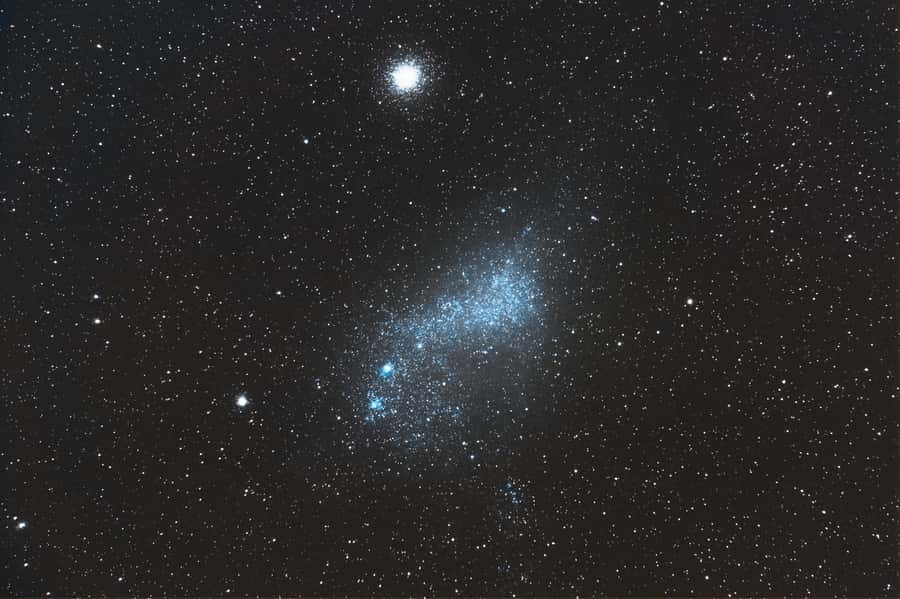
The exact objects depend on the conditions and the night’s program, but the tour is designed to show more than ten stellar objects. Possible targets include:
- Planets
- Nebulae
- Star clusters
- Galaxies
- Supernova remnants
- Massive blue stars
- Red dwarfs
- The center of the Milky Way
- A dying star
- A supernova
The supplied experiences include clear views of Mars, Saturn, and Jupiter, as well as a supernova and a dying star. That range gives you a sense of what makes the evening special. You are not limited to one famous planet and a quick look at the Moon.
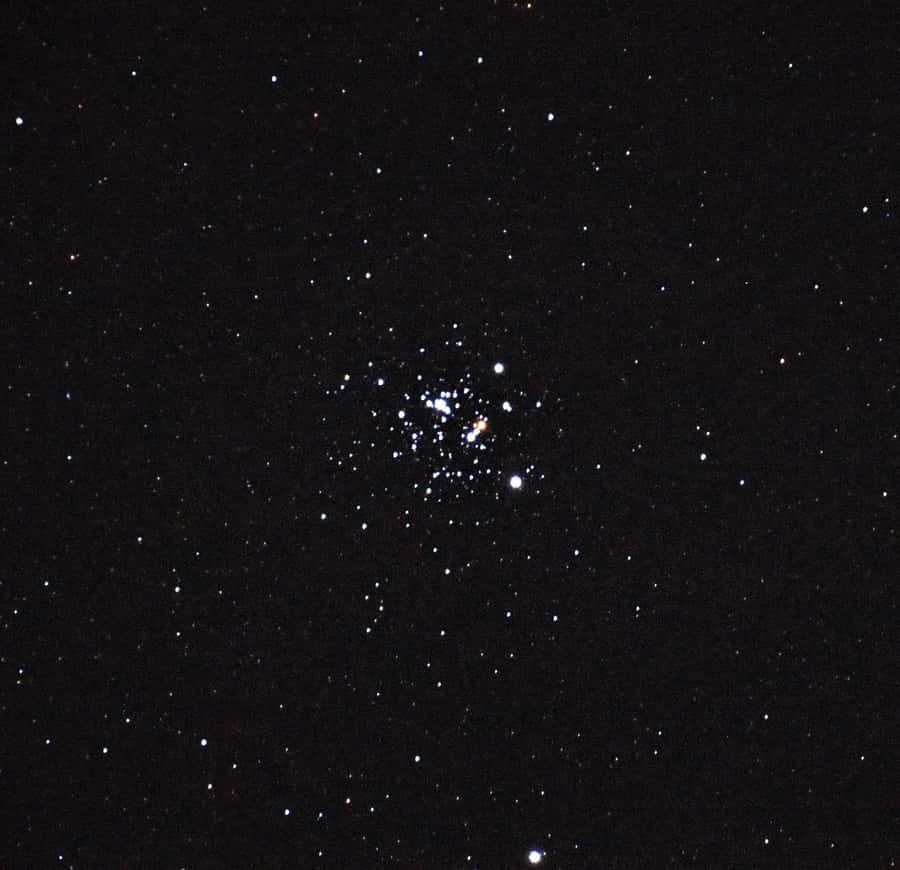
The southern sky is also a major part of the appeal. Chile offers a different view from the one many people know in the northern hemisphere, and the Milky Way’s center is a key target. The best moments may come when the guide explains what you are seeing, then gives you time to look carefully through the eyepiece.
The tour description promises an exclusive and specialized observation, and the group size supports that claim. With no more than eight participants, you have a better chance to ask questions and take your turn without a large crowd gathering around the equipment.
The guides make the difference
Astronomy can become frustrating if the guide points at a small blur and simply names it. Here, the human side of the experience receives strong praise. Cristobal is noted for being accommodating, and the observatory guides are praised for clear explanations.
That matters because many objects will not look like colorful photographs from a space telescope. Through an eyepiece, a nebula or distant galaxy may appear subtle. A good guide helps you understand what you are seeing, where it is, and why it matters.
One person described having enough time to ask questions and observe several objects in a group of six. That is the kind of detail I find useful when judging a stargazing tour. The value is not only in the size of the telescope. It is also in whether you get a fair turn, whether questions are welcomed, and whether the explanations make the view more meaningful.
The available languages are English, French, and Spanish. That gives you a better chance of following the astronomy talk in the language that suits you best.
The return journey is easy, but not short
After the observatory visit, the route returns through Vicuña and then continues to La Serena. The schedule lists about 30 minutes for the Vicuña to La Serena bus portion, followed by another hour of bus travel, so allow time for the full return process rather than expecting to arrive immediately after leaving Pangue.
The driving receives high praise for being smooth and dependable. That is important on a six-hour outing, especially after spending the evening at altitude and in the cold. You can sit back instead of worrying about directions or driving after dark.
Still, the evening ends late enough that you should avoid scheduling another major activity afterward. The tour is best treated as your main plan for the night.
Is $225 a fair price?
At $225 per person, this is a premium stargazing experience. The price includes pickup, transport from La Serena, the Vicuña stop, the Pangue visit, a small-group format, the guide, access to advanced telescopes, and coffee, water, or tea.
The strongest value comes from the combination. You are paying for a remote location, specialized equipment, a small group, and a guided program rather than merely a ride to a viewpoint. If astronomy is high on your list, the chance to view more than ten objects through 16-inch or 25-inch telescopes may justify the cost.
The price is harder to defend if you only want to see stars with your eyes or take a few night photographs. You could find a less costly sky-viewing outing, but it may not provide the same equipment, group size, or range of targets.
I would see this as a worthwhile splurge for someone who wants a serious introduction to the southern sky. It is less suitable for a casual evening when you are trying to keep daily costs low.
Moon phase and booking timing matter
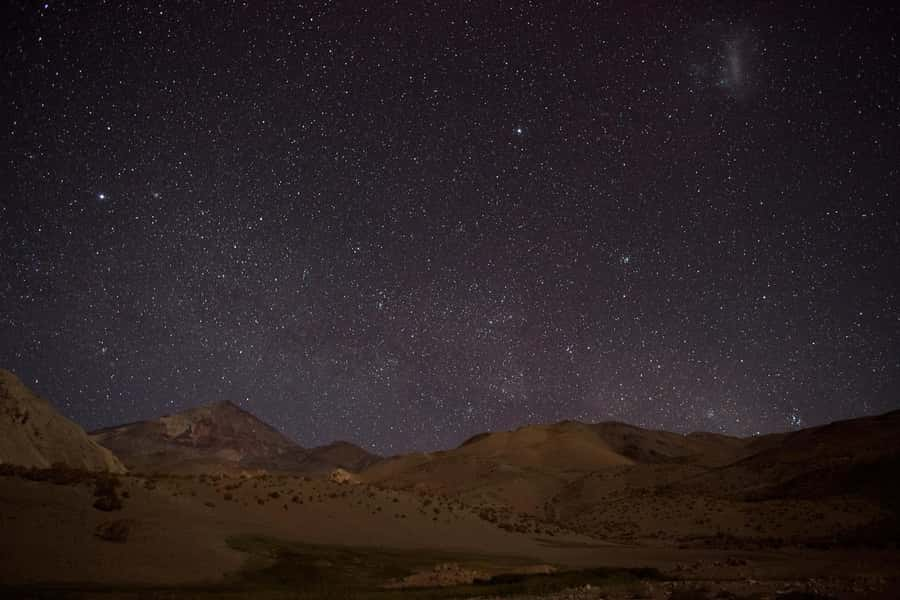
The tour is not offered on nights close to a full moon because moonlight creates unwanted brightness in the sky. This is not a minor scheduling issue. The darker the sky, the better your chance of seeing faint objects and the Milky Way clearly.
Book at least 24 hours ahead if possible. Same-day bookings may have very few available places, which is especially important because the group limit is eight people. The small capacity is part of the experience, but it also means spaces can disappear quickly.
The activity offers free cancellation up to 24 hours in advance and a reserve-now, pay-later option. Those policies give you some flexibility, though you still need to pay attention to the cancellation deadline and the selected date.
Who will enjoy this most?
I would recommend Pangue to you if you care about astronomy, want a guided look at the southern sky, or would rather spend an evening learning than simply taking photos. It is also a good fit if you value a small group and want a real chance to ask questions.
Families with older children may enjoy it, though the late timing and six-hour duration may be difficult for very young children. The experience is also well suited to couples and solo visitors who want a calm, focused evening outside La Serena.
You should think twice if you need wheelchair access, since the tour is not suitable for wheelchair users. You should also skip alcohol in the vehicle, as alcoholic drinks are not allowed during transport.
Bring comfortable clothes and a long-sleeved shirt. You do not need to add your own drinks because coffee, water, and tea are available at the observatory.
My verdict: book it for astronomy, not just scenery
Pangue Observatory offers a strong mix of dark skies, serious telescopes, personal attention, and a memorable setting near Chile’s major astronomical facilities. The best parts are the small group, the range of objects, the clear explanations, and the chance to see planets alongside less familiar targets such as a supernova or dying star.
The tradeoffs are real: $225 is a lot, the drive takes time, the tour does not suit wheelchair users, and the moon phase controls the schedule. But if seeing the Milky Way and southern celestial objects is a major goal of your visit, I think the price can make sense.
Book this tour if you want the sky explained through good equipment by guides who give you time at the eyepiece. Skip it if you want a cheap, quick look at the stars or if you prefer to spend your evening in La Serena.
FAQ
Where does the Pangue Observatory tour begin?
Pickup is provided from your accommodation in La Serena or nearby surroundings. You should wait at the reception area of your accommodation.
How long does the experience last?
The full experience lasts about six hours, including transport from La Serena, the Vicuña stop, the observatory visit, and the return journey.
How many people can join the tour?
The tour is limited to no more than eight participants.
Which languages are available?
The live tour guide service is available in English, French, and Spanish.
Which telescopes are used?
Pangue uses advanced 16-inch and 25-inch telescopes with specialized eyepieces.
What might I see during the observation?
The program can include more than ten stellar objects, such as planets, nebulae, clusters, galaxies, massive blue stars, red dwarfs, and supernova remnants. Previous observations included Mars, Saturn, Jupiter, a supernova, and a dying star.
Is the tour offered near a full moon?
No. The stargazing tour is not made on nights close to a full moon because moonlight reduces sky darkness.
What should I bring?
Bring comfortable clothing and a long-sleeved shirt.
Can I cancel the booking?
You can cancel up to 24 hours in advance for a full refund. A reserve-now, pay-later option is also available.
Just added around Chile
- Rapa Nui Stargazing★ 4.5 · 62 reviews
- Stargazing Hiking Valle de Elqui★ 5.0 · 46 reviews
- San Pedro de Atacama: Astronomical Tour★ 3.9 · 3 reviews
- San Pedro de Atacama: Stargazing Tour in the Atacama Desert★ 3.0 · 5 reviews
- San Pedro de Atacama: Stargazing Experience with Transfer★ 3.5 · 8 reviews
- SAN PEDRO DE ATACAMA: ASTRONOMICAL TOUR★ 3.6 · 3 reviews
- San Pedro de Atacama: Etno-Stargazing Tour with Transfer★ 3.5 · 5 reviews
- San Pedro de Atacama: Astro Tour with big telescopes★ 5.0 · 6 reviews
Observatory Visits, compared.
Royal Observatory Greenwich & Prime Meridian Entrance Ticket
Read our review →
Griffith Observatory Hike: Guided Tour through Griffith Park
Read our review →
Royal Observatory Greenwich & Prime Meridian Entry Ticket London
Read our review →
Browse the lists this tour appears in