
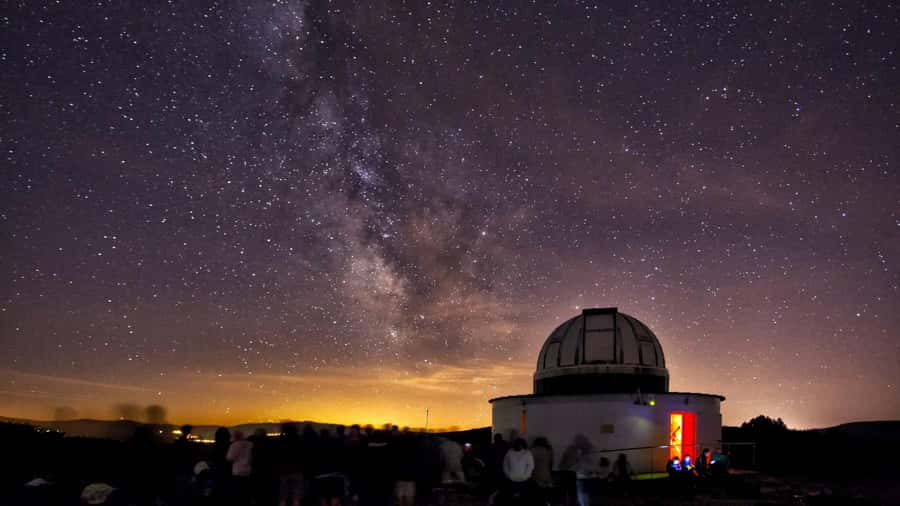
Review · CUSCO
Excursion to the Planetarium of Cusco | New experience
Look up, and Cusco changes after dark. This four-hour evening outing pairs a virtual sky show with a lesson in Inca astronomy, then takes you outside to view constellations and planets through professional telescopes. I like the small group limit of 10 people, and I like that the experience connects the stars to the way the Inca understood time and the heavens. The main concern is the timing: the tour is sold as four hours, but some departures have returned to central Cusco in under two hours.
I also like the simple evening schedule. You meet near central Cusco, ride less than 20 minutes to the observatory, and finish back around the Plaza de Armas. Still, confirm the pickup details before paying, since the information says both hotel pickup and a meeting point at Plaza Regocijo.
Key points to know before booking
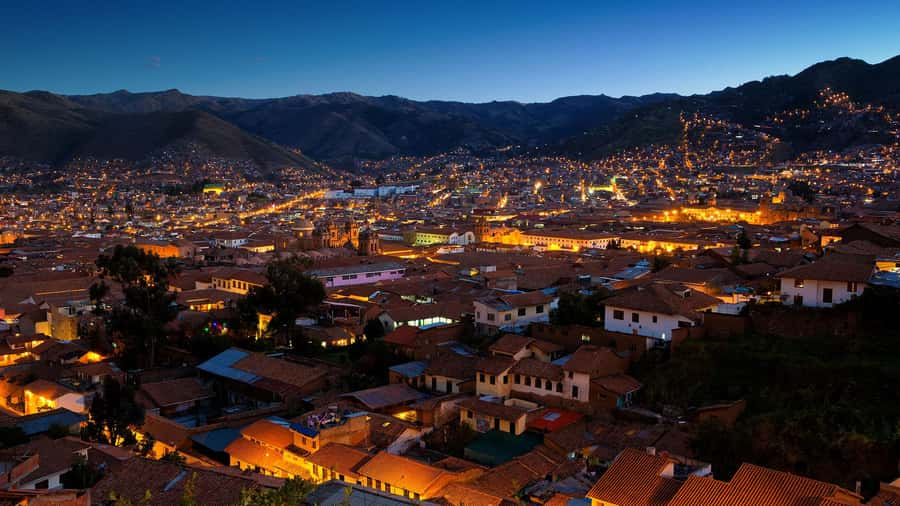
- Inca astronomy comes first: The visit begins with an indoor talk and a dome projection explaining Inca constellations.
- The telescope session depends on weather: Clouds can affect the outdoor viewing portion, and this activity is not guaranteed.
- The advertised schedule needs checking: Pickup is listed between 5:30 and 6:00 PM, with an expected return near 8:00 PM, but some outings have been much shorter.
- Small groups help: The maximum of 10 participants should make it easier to hear the guide and get a look through the telescopes.
- It costs $39 per person: That is fair if you value the astronomy presentation and clear skies, but less attractive if you receive only a brief planetarium visit.
- Central meeting arrangements matter: Plaza Regocijo is the stated pickup point, while hotel pickup is also listed as included. Ask which applies to your booking.
Why Cusco is a good place to study the stars
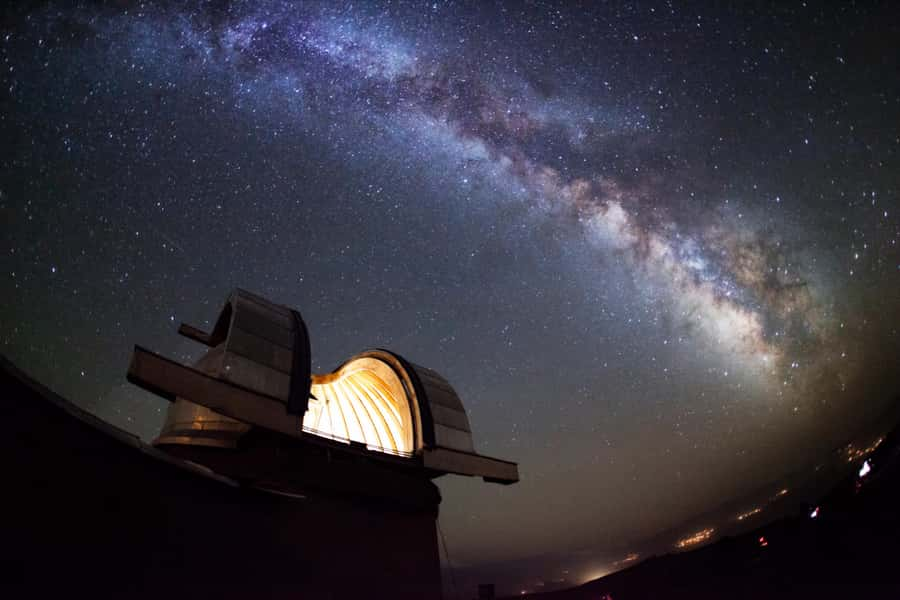
Cusco is not only a base for Machu Picchu and Sacred Valley trips. It is also a useful place to learn how the Inca read the sky.
Inca astronomy was tied to farming, seasonal change, ceremony, and the ordering of society. The important stars and dark shapes in the Milky Way helped people make sense of the year. This excursion gives you a chance to hear about that system in a setting built for looking upward, rather than getting only a quick mention from a city guide.
The value here is the connection between science and culture. You are not simply pointing a telescope at a bright planet. You are also learning how the sky had meaning in the Andes before modern astronomy changed the way people explained it.
That distinction matters. A standard observatory visit may focus on planets, stars, and equipment. This one adds an Inca interpretation, which gives the evening a stronger sense of place.
More Planetarium Visits in the world:
- Planetarium Cusco OFFICIAL SITE: Andean Astronomy experience
★ 4.3 · 32 reviews - Balaton: All-Weather Private Stargazing & Planetarium Tour
★ 5.0 · 7 reviews - Miami: Frost Museum of Science and Planetarium Entry Ticket
★ 4.5 · 429 reviews
Meeting in central Cusco between 5:30 and 6:00 PM
The published meeting arrangement places pickup at Plaza Regocijo between 5:30 and 6:00 PM. This is convenient if you are staying in the historic center and can walk to the square.
The information also says hotel pickup is included. Because the meeting point and hotel pickup are both listed, I would confirm the exact arrangement before the day of the tour. Do not assume that a vehicle will come to your hotel, especially if you are staying outside central Cusco.
You board tourist transportation for the short trip to the planetarium. The observatory is described as less than 20 minutes from the city, so the transfer should not take up much of the evening.
That short ride is one of the tour’s practical strengths. You get out of central Cusco without committing to a long night transfer, and you do not need to organize a separate taxi to a place you may not know.
The return is scheduled for around 8:00 PM at the Plaza de Armas. That leaves the rest of the evening free for dinner or a quiet walk through the center.
Inside the Cusco Planetarium
The first activity at the observatory takes place in the interpretation rooms. Here, a guide speaking English and Spanish explains Inca astronomy before the group moves to the dome projection.
This indoor introduction is important because the outdoor sky session can be affected by clouds. Even if the telescopes cannot be used, the presentation should give you the cultural background that makes the visit worthwhile.
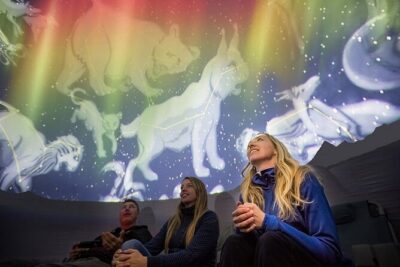
The planetarium dome then projects a virtual sky. This is where you learn about the Inca constellations and see how they fit into the wider night sky.
A projected sky has one practical advantage: it is controlled. The guide can point out stars and constellations even when real conditions are poor. You are also less likely to lose track of the explanation while looking into the dark.
The quality of the evening depends partly on how much detail your guide provides. The advertised focus is Inca astronomy, but the amount of time devoted to how the Inca used these constellations may vary. If that subject matters to you, ask questions during the talk instead of waiting for the telescope portion.
Some people have found the explanation too brief, especially when the visit was compressed into a short stop. That makes the guide’s presentation a major part of the value. The more clearly the guide connects the constellations to Inca life, the more satisfying the visit will be.
The outdoor telescope session
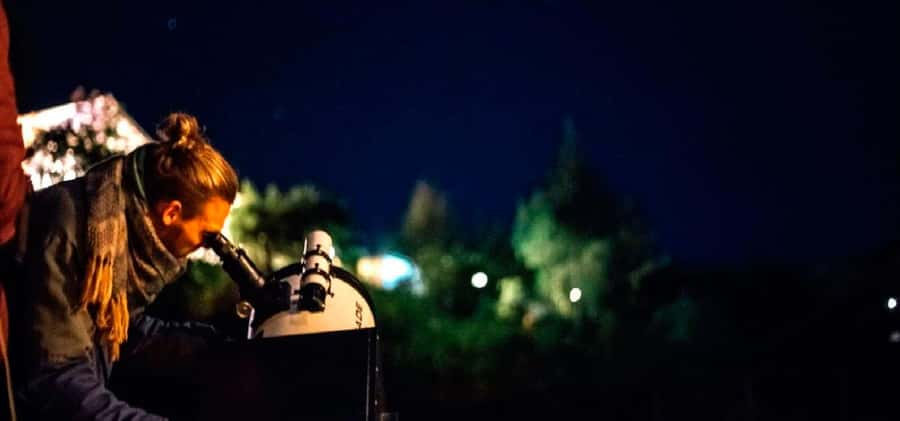
After the indoor material, you go outside for the night-sky viewing. The planetarium provides professional telescopes, and the group can use them to look at stars, planets, and constellations.
This is the part most likely to create a memorable evening. Seeing a celestial object through a telescope is different from watching a projected image. The equipment gives the outing a practical science element, while the high-altitude Cusco setting can make the sky feel especially important.
Still, keep your expectations sensible. The activity is subject to weather conditions. Cloud cover can prevent or reduce telescope viewing, so no one can promise a full outdoor session.
Blankets have been provided for outdoor stargazing on at least some outings. That is a useful touch, since you may be standing or sitting outside after sunset. Even so, dress for a cool evening and bring layers. The supplied information does not promise a particular temperature or seating arrangement.
The group size should help here. With no more than 10 participants, you have a better chance of hearing instructions and getting time at the telescope than you would in a large coach group.
The highlight is likely to be the combination of technology and Andean tradition. You first learn about the Inca sky, then look at the actual sky through modern equipment. If clouds intervene, the experience becomes more educational than observational.
Same dark sky, a different way to spend it:
- Dubai Red Dunes ATV, Camels, Stargazing & 5* BBQ Al Khayma Camp
★ 5.0 · 21,620 reviews - Sharm El-Sheikh: Ultimate ATV Quad, Stargazing & BBQ Dinner
★ 4.7 · 4,084 reviews - Tenerife: Teide National Park Sunset & Stargazing Tour
★ 4.2 · 3,812 reviews - Tenerife: Sunset and Stargazing at Teide National Park
★ 4.7 · 2,826 reviews
The four-hour promise and the real time involved
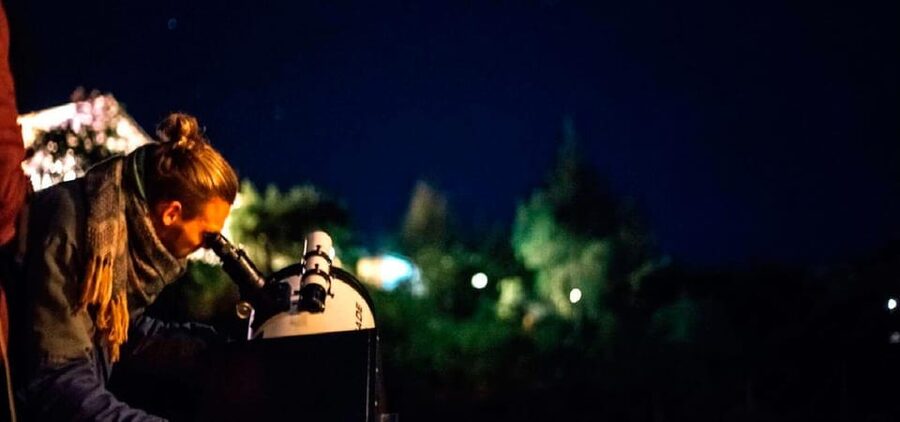
The activity is advertised as four hours, with an evening departure and a return near 8:00 PM. On paper, that includes pickup, transport, the indoor presentation, the dome projection, telescope viewing, and the return ride.
The practical timing deserves attention. Some departures have spent only about an hour and a half at the planetarium and roughly two hours including transportation. That is a large difference from the stated four-hour duration.
This does not automatically make the trip poor. A short visit can still be enjoyable if the guide explains the astronomy well and the telescope session works. But the difference affects the price calculation.
I would treat four hours as the planned booking window, not a guaranteed amount of active programming. Ask before departure how long the group normally spends at the observatory and what happens if the outdoor session is shortened.
This is especially important if you have a full Cusco schedule. The tour is unlikely to consume a whole night, but you should not build another fixed booking too close to the planned 8:00 PM return.
Is $39 a fair price?
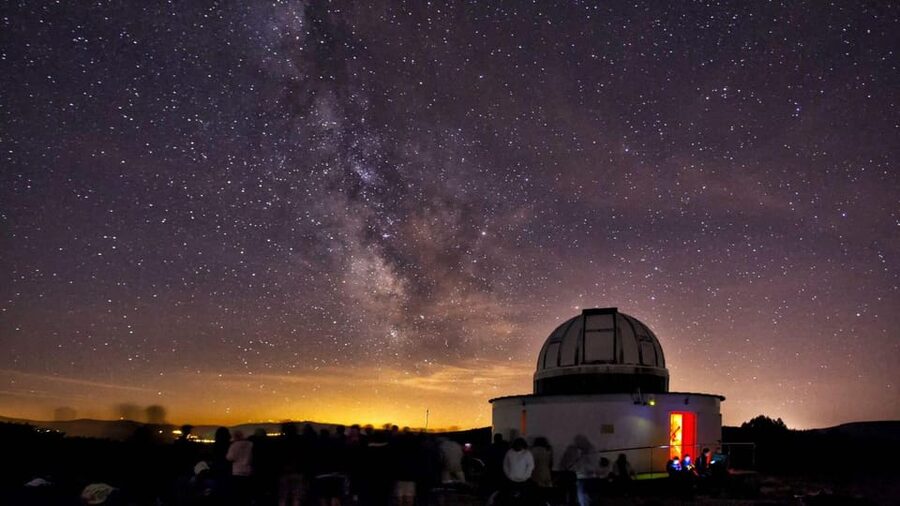
At $39 per person, the cost sits in the reasonable range for a small-group evening activity, provided the full program takes place.
The price includes transportation, entrance to the planetarium, and an English or Spanish-speaking guide. It also includes the telescope session when weather allows. You do not need to arrange separate transport to the observatory, which adds convenience.
I think the price works best for three types of visitors:
- You want an evening activity that is different from churches, markets, and dinner.
- You are curious about Inca astronomy and want more context than a quick guidebook paragraph.
- You value a small group and a planned transfer from central Cusco.
The value is weaker if you are paying mainly for telescope time. Clouds may prevent that part, and the actual visit can be much shorter than the stated four-hour duration.
Meals, travel insurance, and personal extras are not included. Since the outing finishes near the center, you can handle dinner afterward rather than paying for a meal as part of the tour.
The reserve-now, pay-later option is useful if your plans are still shifting. Free cancellation is available up to 24 hours before the activity for a full refund. That flexibility helps, but I would still read the final booking conditions carefully and confirm the pickup point.
Who will enjoy this evening most
This excursion suits adults and older children who enjoy science, the night sky, or Andean culture. It is also a good choice if you have already seen Cusco’s main daytime sights and want something different after sunset.
You will probably appreciate it if you like guided explanations. The evening is not simply a ride to an observatory. It includes an introduction, a virtual presentation, and a cultural theme.
It may be less satisfying if you expect a long, technical astronomy session. The focus is not only modern equipment. Inca astronomy receives equal or greater attention, and the outdoor viewing depends on clouds.
It also may not suit you if your schedule is packed with early departures and long day trips. The excursion is not late, but pickup begins around 5:30 to 6:00 PM, when you may still be returning from another activity.
The small group is a plus for anyone who dislikes crowded tours. A limit of 10 people makes questions easier and should reduce waiting around the telescope.
Practical tips for a better visit
Ask the operator to confirm whether you will be collected at your hotel or meet at Plaza Regocijo. That single detail can save confusion at the start of the evening.
Bring a warm layer for the outdoor portion. Blankets may be available, but you should not rely on them as your only protection from the cold.
Keep your schedule flexible after the tour. The planned return is around 8:00 PM, but actual timing can vary. If you have a dinner reservation, choose one with a little breathing room.
Do not book this solely for guaranteed telescope viewing. Weather controls that part of the experience. Think of the planetarium talk and dome projection as the dependable core, with the real sky as the bonus.
If you speak Spanish or English, you can choose the language that suits you. The guide service is offered in both languages, but confirm your preferred language when booking if that matters to your group.
Alcohol and drugs are not allowed. The activity is designed as a quiet educational outing, not a party stop.
My take on the Cusco Planetarium excursion
I like the idea behind this tour. The best part is not just seeing stars through a telescope. It is learning that the night sky had a practical and spiritual role in Inca society, then comparing that old understanding with modern astronomy.
The indoor presentation gives the evening a dependable foundation. The small group, included transportation, bilingual guide, and professional telescopes all add value.
The weak point is the mismatch between the four-hour description and the shorter time some outings have taken. At $39, that may leave you feeling you paid a lot for a brief stop, especially if the explanation of Inca astronomy is thin or the weather blocks the telescope session.
I would book it if you want a modest, culturally focused night activity and you are comfortable with some uncertainty. I would skip it if your main goal is a long telescope session or if the exact length of the visit matters greatly to you.
Before booking, ask two direct questions: How long will we spend at the planetarium, and where exactly is pickup? If the answers are clear and the forecast looks promising, this can be a pleasant change of pace in Cusco.
FAQ
How much does the Cusco Planetarium excursion cost?
The price is $39 per person.
How long does the excursion last?
It is advertised as a four-hour activity. Pickup is scheduled between 5:30 and 6:00 PM, with a return to Cusco near 8:00 PM. Actual time at the planetarium can be shorter.
Where does pickup take place?
The stated meeting point is Plaza Regocijo. Hotel pickup is also listed as included, so confirm the exact pickup arrangement for your booking.
What languages are available?
The live guide speaks English and Spanish.
Is transportation included?
Yes. Tourist transportation to and from the Cusco Planetarium is included.
Can I use the telescopes if the weather is cloudy?
Telescope viewing depends on weather conditions. The outdoor portion may be affected if the sky is not clear.
Can I cancel the booking?
Yes. You can cancel up to 24 hours in advance for a full refund. The reserve-now, pay-later option lets you book without paying immediately.
Just added around the world
- ( canyon hurghada & stargazing )★ 4.9 · 16 reviews
- Vincentia: Jervis Bay Beach Stargazing with an Expert★ 4.9 · 19 reviews
- Blue Mountains: Stargazing with a Telescope and Astronomer★ 4.4 · 21 reviews
- Twizel Stargazing Experience with a Guide (Carbon Positive)★ 4.7 · 26 reviews
- Twizel: Stargazing Tour with an Astronomer and Telescope★ 4.9 · 36 reviews
- Star Safari Stargazing Experience, Martinborough★ 5.0 · 6 reviews
- Klein Karoo “High 5” Stargazing Experience in Oudtshoorn★ 5.0 · 7 reviews
- VIP Sunset & Stargazing experience★ 4.5 · 44 reviews
Planetarium Visits, compared.
Miami: Frost Museum of Science and Planetarium Entry Ticket
Read our review →
Houston Museum of Natural Sciences: Planetarium Ticket
Read our review →
Jasper Planetarium and Telescope Combo Tour Tickets
Read our review →
Cusco by Night: Planetarium Cusco, Dinner, and Pisco Sour
Read our review →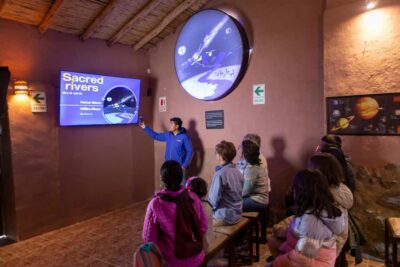
Planetarium Cusco OFFICIAL SITE: Andean Astronomy experience
Read our review →
Browse the lists this tour appears in