
Review · CUSCO
Planetarium Cusco OFFICIAL SITE: Andean Astronomy experience
Look up, and Cusco gets bigger. Planetarium Cusco combines Inca sky lore with modern dome projections, then adds a chance to view stars and planets through telescopes above the city. I especially like the small-group setting and the friendly, often humorous English and Spanish presentation. The main catch is simple: telescope viewing depends on the weather, and visitors already well versed in astronomy may find parts of the program basic.
The two-hour outing also handles transport for you, which matters after a full day in Cusco. At $28 per person, it offers more than a standard indoor show, but you should bring warm clothing and think of the telescope session as a bonus rather than a guarantee.
Key points to know before you go
- The evening begins at Regocijo Square: Meet beside the fountain at 17:30, close to Cusco’s main Plaza de Armas.
- The ride is short and included: A walk to the vehicle is followed by a 10 to 15 minute transfer to the planetarium.
- The dome explains the southern sky: You’ll see virtual projections of Inca constellations while guides connect them to Andean beliefs.
- Telescope viewing depends on clouds: Clear conditions can reveal stars, planets, and even Saturn’s rings, but the outdoor session cannot be promised.
- Small groups improve the mood: The setting feels personal and relaxed, with blankets available if you get cold.
- Children under seven cannot join: The service is shared, and private visits require contacting Planetarium Cusco directly.
Why Andean astronomy feels different
The night sky in the Andes was not just decoration. It helped shape how people understood time, farming, animals, nature, and the forces around them. Inca astronomy did not focus only on bright stars and familiar shapes. It also paid attention to dark areas in the Milky Way, including the shadowy forms that appear between the stars.
That makes this experience more than a standard planetarium show. You are not simply learning the names of constellations from a European tradition. You are being introduced to a different way of reading the sky, one connected to the Andean cosmovision and the lives of the people who looked upward from this region long before modern telescopes.
The program pairs that older viewpoint with current astronomy. That combination is the real reason to go. You get cultural context first, then a clear visual presentation of the southern sky, followed by the possibility of seeing actual objects through a telescope.
I would not expect a university-level astronomy lecture. The presentation is aimed at curious visitors, families with older children, and adults who want a strong introduction to Inca astronomy without spending an entire evening in a classroom. If you already know a great deal about astronomy, some explanations may feel familiar or slow.
More Planetarium Visits in the world:
- Balaton: All-Weather Private Stargazing & Planetarium Tour
★ 5.0 · 7 reviews - Miami: Frost Museum of Science and Planetarium Entry Ticket
★ 4.5 · 429 reviews - Planetarium and Telescope Combo Tour
★ 4.0 · 144 reviews
Meeting at Regocijo Square at 17:30
The meeting point is in the middle of Plaza Regocijo, next to the fountain. This is convenient because the square is very close to Cusco’s main plaza, so you do not need to find an obscure address on the edge of town.
Arrive before 17:30 rather than cutting it close. The group meets first, then walks a short distance to the waiting transport. The experience is planned as a group outing, not an independent visit, so arriving late could create a practical problem.
I like this start because it keeps the evening simple. You do not need to arrange a taxi to an unfamiliar location or figure out the return route in the dark. The included round-trip transport is part of the value, especially if you are still getting used to Cusco’s streets and altitude.
The ride to the planetarium takes about 10 to 15 minutes. The schedule places arrival around 18:05, although the timing can change if the guides adjust the order of activities for better stargazing conditions.
From Cusco streets to the planetarium
The short transfer gives the evening a useful change of pace. You begin among central Cusco’s colonial streets, then head toward a quieter setting where the sky becomes the main subject.
Do not expect a long scenic excursion during the ride. Its purpose is transport, not sightseeing. Still, having the vehicle included removes one small worry from the evening and lets you focus on the presentation instead of directions.
The shared vehicle also reinforces the social nature of the visit. Planetarium Cusco describes this as a group service, and the small size helps keep the experience from feeling like a large bus tour. You may have a chance to ask questions directly and follow the guide’s explanations more easily.
For a private experience, you need to contact the provider directly. Nothing in the standard service suggests a private guide or exclusive vehicle.
The interpretation rooms explain the Inca sky
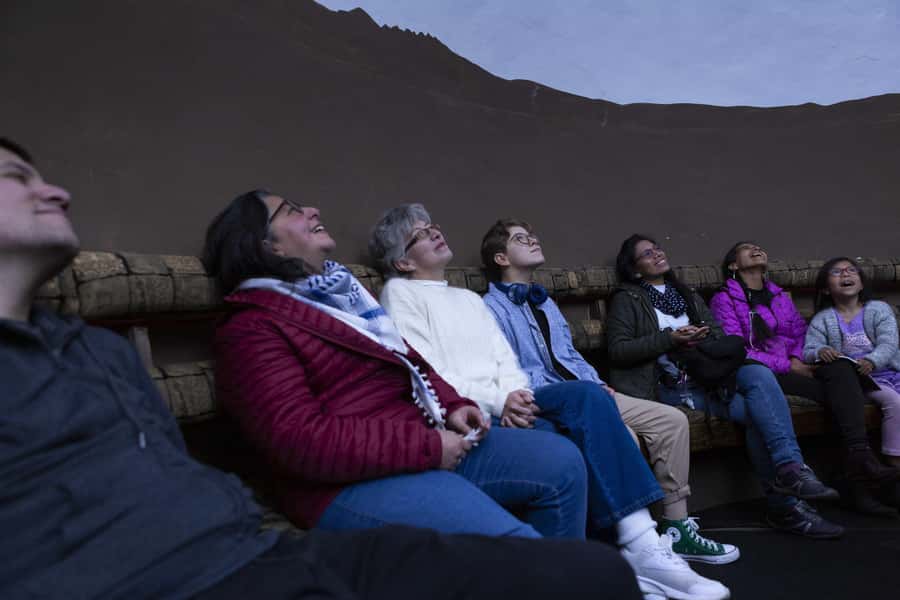
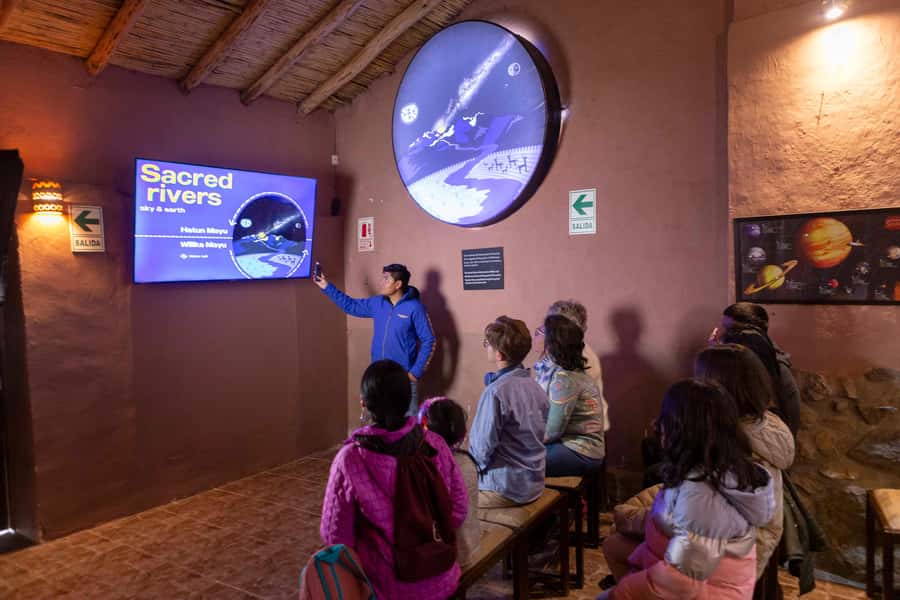
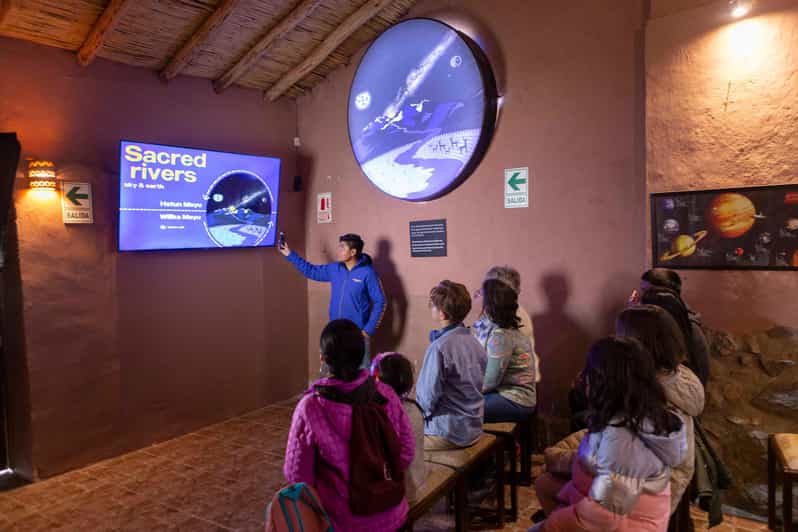
Once you arrive, the first part takes place in the interpretation rooms. This introduction prepares you for the dome by explaining the foundations of Inca astronomy and the role of the sky in Andean thought.
This is where the cultural side of the outing matters most. Without context, a projection of stars can be pretty but forgettable. The interpretation rooms give those stars meaning by explaining how ancestors connected the heavens with their world.
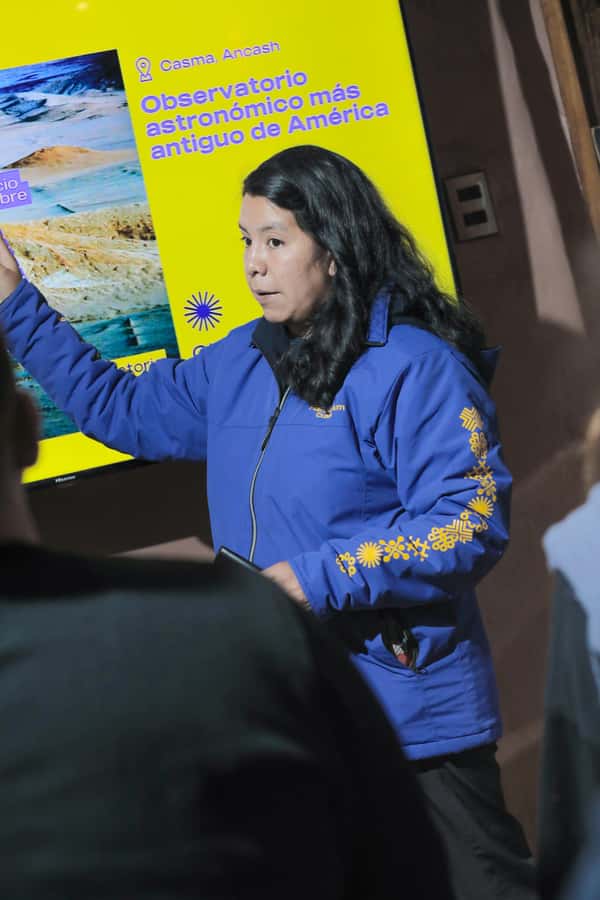
The guides are a major part of the experience. The presentation is available in English and Spanish, and English communication has been praised as clear. The mood is not stiff or overly formal. Expect a warm, welcoming approach with humor mixed into the explanations.
That relaxed style works well for most people. You can ask questions without feeling that you are interrupting a solemn lecture. It also helps younger visitors and anyone who is new to astronomy stay engaged.
The presentation is not designed to replace serious study. If you already spend your free time reading astronomy books, you may know some of the basic material. For everyone else, this opening gives the evening a useful foundation.
More Stargazing Tours in the world:
- Dubai Red Dunes ATV, Camels, Stargazing & 5* BBQ Al Khayma Camp
★ 5.0 · 21,620 reviews - Sharm El-Sheikh: Ultimate ATV Quad, Stargazing & BBQ Dinner
★ 4.7 · 4,084 reviews - Tenerife: Teide National Park Sunset & Stargazing Tour
★ 4.2 · 3,812 reviews - Tenerife: Sunset and Stargazing at Teide National Park
★ 4.7 · 2,826 reviews
The dome projection begins around 18:40
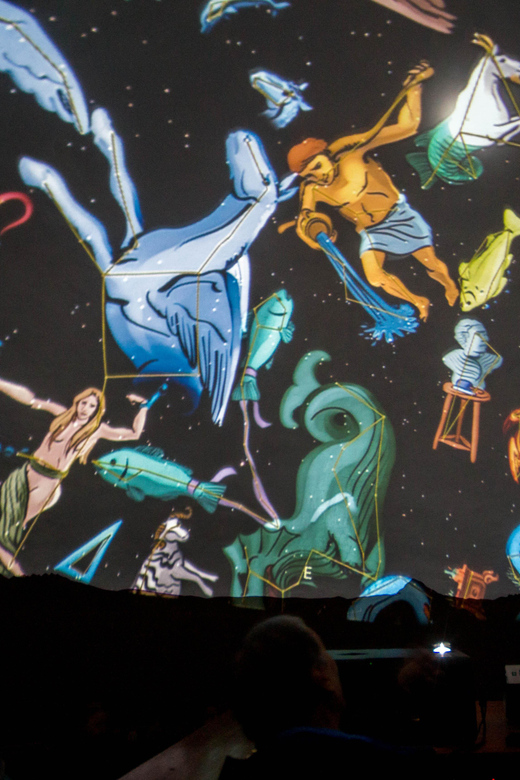
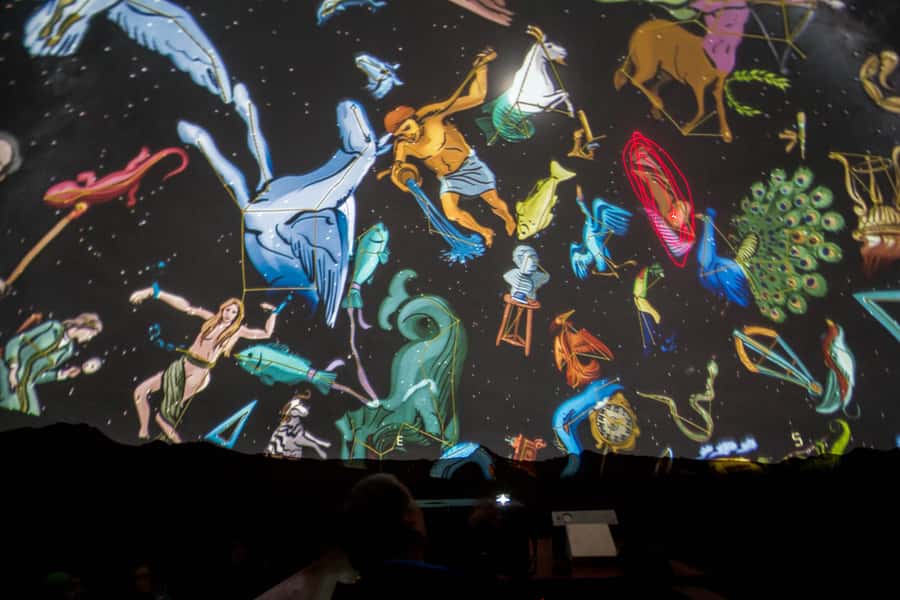
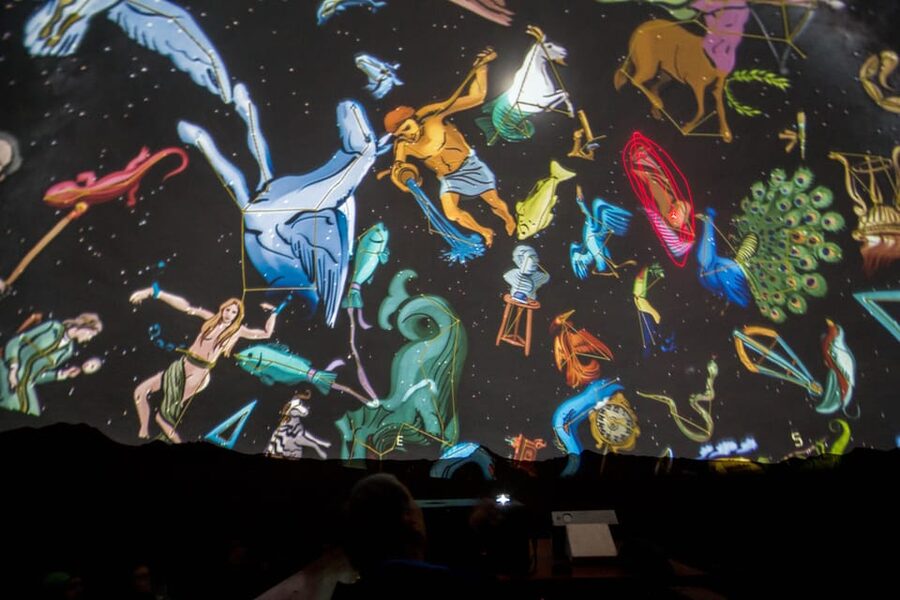
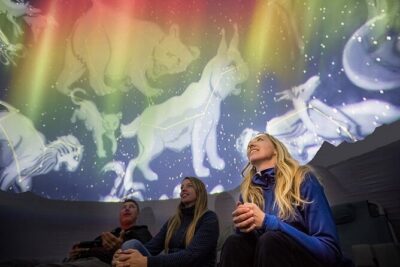
At about 18:40, the program moves into the dome. The virtual projection presents the southern sky and introduces Inca constellations through images and guided explanation.
The dome is the strongest part of the experience for many visitors. It provides a reliable view of the sky even when Cusco is cloudy, and it lets the guide show patterns that are difficult to pick out in a real night sky. You can follow the explanation without waiting for a cloud to move or trying to adjust your eyes in the dark.
The presentation connects visual effects with storytelling. Rather than simply naming stars, the guides explain why the constellations mattered and how they fitted into Andean beliefs. That blend of science, culture, and visual presentation is what gives the program its character.
I would pay close attention here, even if the telescope is your main reason for booking. Cloud cover can cancel the outdoor viewing, but the dome remains available in all weather. The indoor program is not just a backup plan. It is the part that explains what you are looking at.
A small practical tip is to take a seat where you can comfortably see the full dome. The room is meant to surround you with the projection, so your position can affect how easy it is to follow the images and guide commentary.
Telescope viewing under the Andean sky
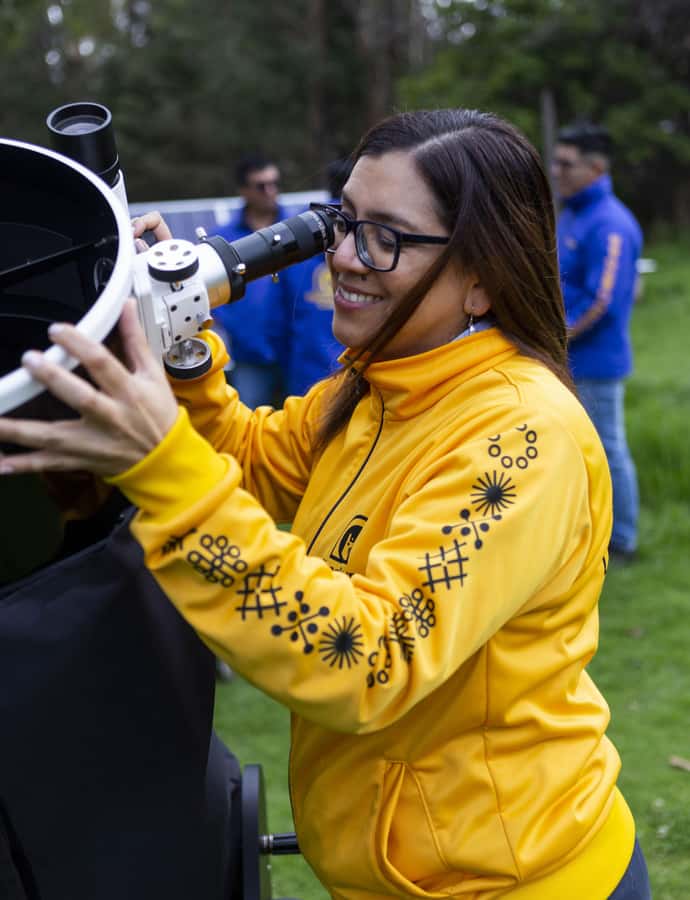
After the dome, the group goes outside for stargazing with powerful telescopes, weather permitting. This is the most unpredictable part of the evening, but also the part that can create the biggest surprise.
A cloudy sky may prevent a normal viewing session. Even then, the staff may try to make the most of short breaks in the clouds. One especially memorable possibility is seeing Saturn and its rings, something that has happened even when conditions were not perfect.
You should keep expectations realistic. There is no guarantee of a particular planet, star, or galaxy, and the entire telescope portion depends on weather conditions. Cloud cover can change quickly, but it can also stay fixed through the whole visit.
The outdoor setting makes warm clothing essential. Cusco evenings can feel cold, and you may spend time standing or waiting while the telescope is adjusted. Blankets are available at the planetarium, and they can make the viewing area more comfortable.
Wear comfortable shoes as well. You will walk from the meeting point to the transport and move between indoor and outdoor areas at the planetarium. This is not a strenuous activity, but practical footwear is still the sensible choice.
The telescope session also gives the evening a more personal feeling. A dome projection can show almost anything. Looking through an actual telescope, when the sky cooperates, gives you a direct connection with the real sky above the Andes.
Returning to Cusco around 19:40
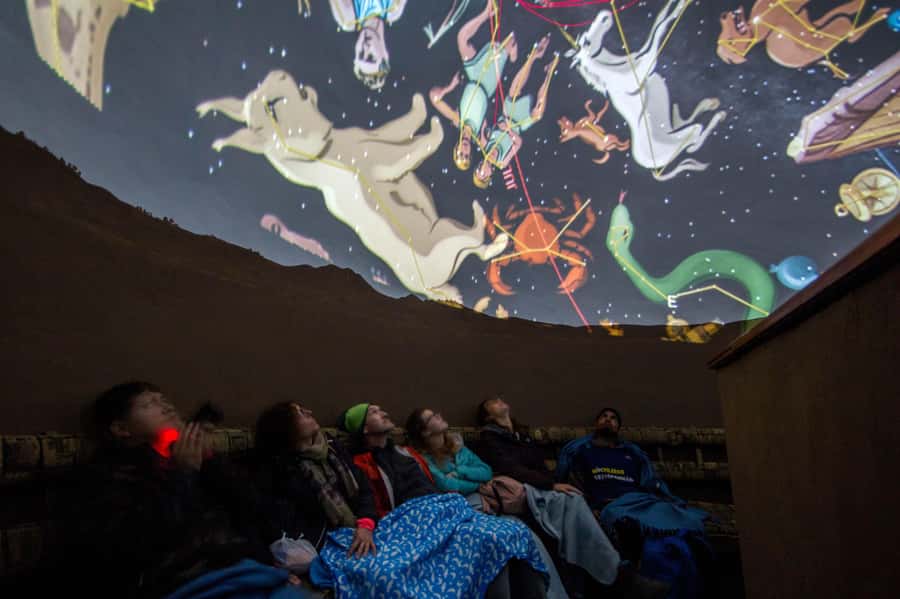
The planned return begins around 19:40. The group boards the transport and heads back toward the center of Cusco, with drop-off after the short ride.
The timing works well for an evening activity. You finish early enough to continue with dinner or return to your hotel without sacrificing a full night. Since food is not included, plan to eat before or after the visit.
The schedule may shift. The staff can adjust the order of activities to improve the chance of seeing stars, so do not treat each listed time as fixed to the minute. That flexibility makes sense for astronomy, where clouds and darkness matter more than a rigid timetable.
What $28 buys you
At $28, the price is fair if you value the full package rather than only the telescope. Your fee includes transportation from Regocijo Square and back, the Inca astronomy introduction, the dome projection, and telescope viewing when weather allows.
The transport alone adds convenience, but the real value comes from the combination of cultural interpretation and practical astronomy. You are not paying for a generic planetarium show. You are getting a focused introduction to an Andean way of understanding the sky, followed by modern visual tools and possible telescope observation.
The price is less compelling if you want only advanced astronomy. The program is introductory, and some experienced astronomy enthusiasts may find the material too basic. It also becomes harder to judge the value if thick clouds remove the outdoor portion, although the dome program still takes place.
The small-group format helps justify the cost. A personal presentation, direct contact with guides, and a calmer setting are worth more than a large auditorium show for many people.
Who will enjoy this evening most
I would recommend Planetarium Cusco to you if you want cultural context alongside your sightseeing. It suits first-time visitors who are curious about the Incas but do not want another standard museum visit.
It also works well for couples, families with children aged seven and older, and anyone who enjoys looking at the night sky. The mix of storytelling, visual projection, and possible telescope viewing keeps the evening varied.
You should think twice if you already have extensive astronomy training and want technical detail. The experience may repeat material you know, and one visitor found it too basic for that reason.
Children under seven are not permitted. Unaccompanied minors are also not allowed, so families should plan to attend together with an adult.
The outing is available in English and Spanish. If language is important to you, choose the language that lets you follow cultural explanations most comfortably.
Practical advice for a better visit
Bring a warm layer even if Cusco feels mild in the afternoon. The outdoor portion can be cold, and you may appreciate the available blankets.
Wear shoes suitable for a short city walk and movement around the planetarium. Food is not included, so have a plan for dinner before or after the activity.
Do not book this solely for a guaranteed view of Saturn or the stars. Book it for the full experience, then treat clear-sky telescope viewing as an excellent extra.
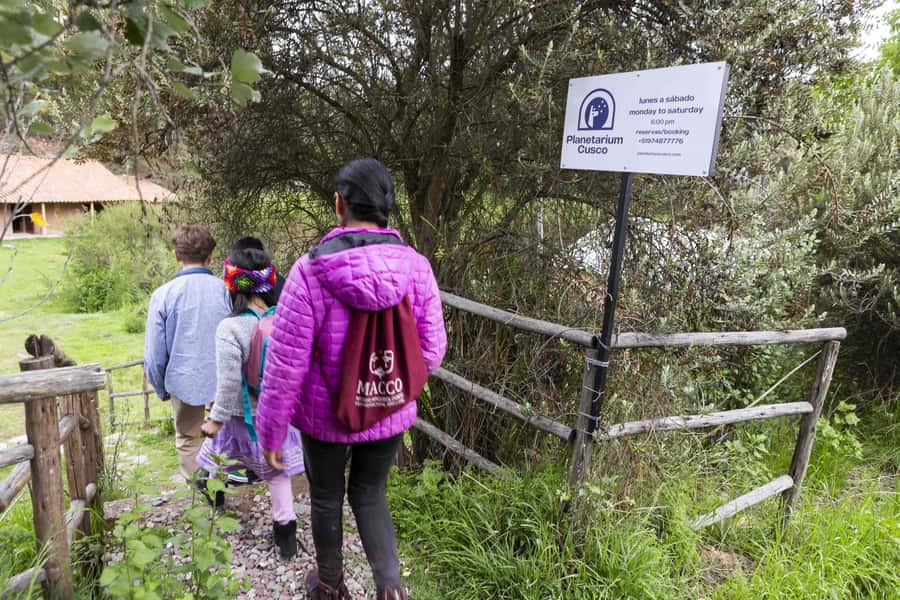
Arrive at Regocijo Square before 17:30 and wait beside the fountain. The meeting point is close to the main plaza, but the group will leave for the transport after gathering.
The activity does not allow pets, except assistance dogs. Alcohol and drugs are not permitted, and audio recording is not allowed.
You can cancel up to 24 hours ahead for a full refund, and the reserve-now, pay-later option gives you some flexibility while planning a Cusco stay.
Should you book Planetarium Cusco?
Book it if you want a compact evening that connects Inca culture with the actual sky above Peru. The dome presentation is dependable, the guides create a friendly atmosphere, and the included transport makes the outing easy to manage.
I would skip it only if you need advanced astronomy or would be disappointed by a weather-related cancellation of the telescope session. For most curious visitors, $28 is a reasonable price for the cultural explanation, small-group setting, dome show, and chance to see real planets through a telescope.
The best mindset is to enjoy both halves of the program. The dome explains how the Andean sky was understood. The telescope lets you test your sense of wonder against the real thing.
FAQ
Where do I meet for the Planetarium Cusco experience?
Meet in the middle of Plaza Regocijo, next to the fountain. The square is very close to Cusco’s main plaza.
What time should I arrive?
The group meets at 17:30. Arrive a little early so you can find the fountain and join the group before it walks to the transport.
How long does the experience last?
The planned duration is two hours. The schedule begins at 17:30 and normally returns to Cusco around 19:40, though timing may change to improve stargazing conditions.
Is transportation included?
Yes. Round-trip transportation from Regocijo Square is included. The ride to the planetarium takes about 10 to 15 minutes.
What languages are available?
The live guide service is available in English and Spanish.
Will I definitely see stars through a telescope?
No. Telescope viewing depends on weather conditions. The staff may try to make the most of breaks in the clouds, but clear skies are not guaranteed.
What happens inside the dome?
You receive a virtual projection of the southern sky, including Inca constellations. Guides explain their meaning and connection to Andean astronomy.
Are blankets available?
Yes. Blankets are available if you feel cold during the visit.
Can children attend?
Children under seven are not suitable for this activity. Unaccompanied minors are not allowed.
What should I bring?
Bring comfortable shoes and warm clothing. Food is not included, and pets are not allowed except assistance dogs.
Just added around the world
- ( canyon hurghada & stargazing )★ 4.9 · 16 reviews
- Vincentia: Jervis Bay Beach Stargazing with an Expert★ 4.9 · 19 reviews
- Blue Mountains: Stargazing with a Telescope and Astronomer★ 4.4 · 21 reviews
- Twizel Stargazing Experience with a Guide (Carbon Positive)★ 4.7 · 26 reviews
- Twizel: Stargazing Tour with an Astronomer and Telescope★ 4.9 · 36 reviews
- Star Safari Stargazing Experience, Martinborough★ 5.0 · 6 reviews
- Klein Karoo “High 5” Stargazing Experience in Oudtshoorn★ 5.0 · 7 reviews
- VIP Sunset & Stargazing experience★ 4.5 · 44 reviews
Planetarium Visits, compared.
Miami: Frost Museum of Science and Planetarium Entry Ticket
Read our review →
Houston Museum of Natural Sciences: Planetarium Ticket
Read our review →
Jasper Planetarium and Telescope Combo Tour Tickets
Read our review →
Cusco by Night: Planetarium Cusco, Dinner, and Pisco Sour
Read our review →

Planetarium and Night Tour with Dinner and Pisco Sour
Read our review →Browse the lists this tour appears in