
Review · SEDONA
Stargazing Tour with Telescopes and Video Astronomy in Sedona
Sedona’s best show begins after sunset. This small-group astronomy outing leaves the city lights behind for a dark-sky site, where Chris and his team use lasers, large telescopes, and live video astronomy to bring galaxies, nebulae, planets, and star clusters within reach. I especially like the live 4K screen, which lets everyone see faint objects at once, and the small group limit of 12, which gives the evening a personal feel. The main drawback is simple: clouds, cold, or a slow setup can affect the pace and the number of objects you see.
At $125 per person for about 75 minutes, this is not a casual look at the stars. You are paying for specialist equipment, a secluded viewing site, a guide who can explain both the science and the stories behind the sky, and image files to keep afterward. Bring warm clothing, arrive on time, and be ready for uneven ground and low light.
Key points to know before booking
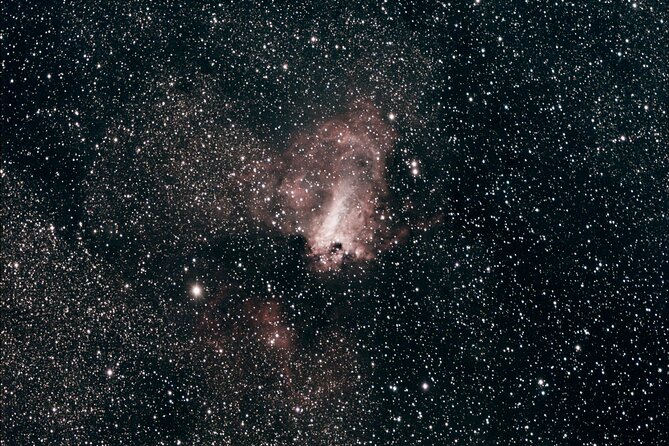
- Live galaxy views on a 4K OLED screen: Astronomy cameras send faint deep-space objects to a large monitor, so the whole group can see color and detail together.
- A genuinely dark Sedona setting: The tour uses USFS-managed forest land and private ranches away from city lights.
- Two styles of viewing: You may look through premium eyepieces while another telescope sends live images to the screen.
- Chris is the central personality: His teaching mixes astronomy, history, mythology, humor, and clear answers for beginners.
- Cold-weather comfort matters: Chairs and heavy blankets are often provided, but coffee, tea, and snacks are not included.
- Weather controls the evening: Poor conditions can lead to a rescheduled tour or a full refund.
Leaving Sedona’s lights behind
The experience begins in Sedona, Arizona, and ends back at the meeting point. You receive the exact meeting details on the day of the tour, with directions and a confirmation call intended to make the location easier to find.
That arrangement has one small wrinkle. One person found the location a little hard to identify because there were not enough signs. In other cases, Chris called ahead and gave clear instructions. My advice is to read the directions carefully, keep your phone available, and avoid arriving at the last minute.
The payoff for leaving the built-up part of Sedona is the darkness. City lights wash out many stars, even on a clear night. At a secluded site, the Milky Way becomes easier to spot, constellations gain shape, and faint objects have a better chance of showing through the telescopes.
The site is not presented as a polished visitor center. That is part of the appeal. You are going out to a working observation area rather than walking into a formal planetarium. Expect an outdoor setting, low light, and some uneven ground. Anyone who has trouble walking in darkness should think carefully before booking.
More Telescope Stargazing in Sedona:
- Sedona: Stargazing Tour with Telescopes and Video Astronomy
★ 4.8 · 9 reviews - Teide by Night: Sunset & Stargazing with Telescopes Experience
★ 4.5 · 1,492 reviews - Uluru: National Park Astronomy Tour with Telescope and Photo
★ 4.4 · 357 reviews
A 75-minute tour with a clear purpose
The advertised duration is about one hour and 15 minutes. The time is built around three connected activities: learning the night sky with the naked eye, viewing objects through telescopes, and seeing live camera feeds on a large screen.
The evening can feel educational rather than rushed. Chris often gives a quick, plain explanation first, then adds the science for people who want more. That two-level approach works well for mixed groups. A child or first-time observer can follow the basic idea, while a serious astronomy fan has room to ask harder questions.
Still, the pace depends on setup and conditions. One poor experience involved a delay of more than 30 minutes while equipment was arranged, followed by long quiet gaps between telescope views. That appears to be an exception rather than the general pattern, but it is worth knowing. Astronomy gear takes care and alignment, and an outdoor session cannot move like a theater show.
Clouds can also end the evening early. The operator requires good weather and offers another date or a full refund if poor conditions force cancellation. That policy is important because clear skies are not a minor extra here. They are the activity.
Reading constellations with a laser
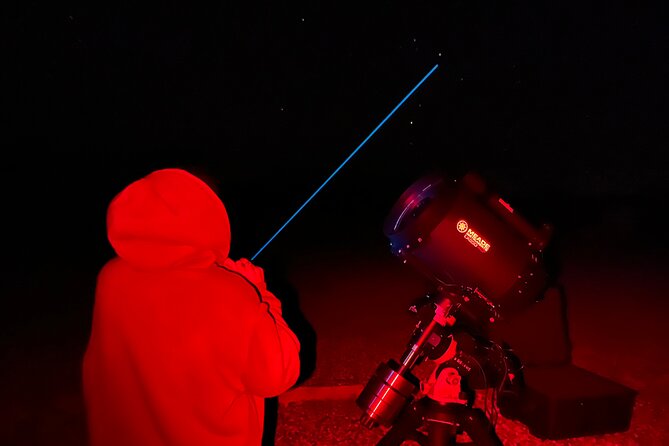
The first part of the program uses a laser to trace constellations across the sky. This helps you connect individual points of light into recognizable patterns instead of staring at an undifferentiated field of stars.
Chris also points out features that may be passing overhead, including the Milky Way, planets, meteor showers, and satellites. The exact objects change with the date, season, and sky conditions. That seasonal change is one reason an evening in winter can feel different from another visit at another time of year.
The explanations range beyond coordinates and names. Chris has discussed the science of stars and planets alongside the history and mythology linked to constellations. He is also known for adding humor and human perspective, which keeps the talk from becoming a dry classroom lecture.
I would give this part real weight when deciding if the tour suits you. If you only want a quick photo beneath the stars, the amount of explanation may feel like too much. If you enjoy understanding what you are seeing, it gives the rest of the night a useful framework.
Looking through large-aperture telescopes
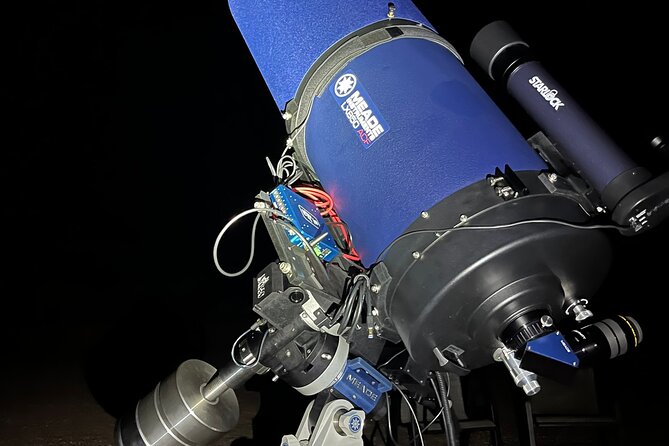
The tour includes premium, large-aperture telescopes and high-quality eyepieces. In plain terms, these instruments gather more light than a basic backyard scope, making it possible to seek out objects that are difficult to locate or see from a bright town.
The direct telescope view is the traditional part of the experience. You take a turn at the eyepiece and see the object with your own eyes. Depending on the night, the targets may include planets, star clusters, galaxies, nebulae, and individual stars.
Specific sightings reported during past sessions include Jupiter with four of its moons, Mars, Saturn and its rings, galaxies, nebulae, and star clusters. Those examples are useful, but they are not a promise for your date. The sky changes, and clouds or haze can limit the program.
Two telescopes are used in the setup. One may be used for direct viewing while the other helps locate distant objects and sends its feed to the monitor. In one account, only one scope was used for direct viewing, which was fine because the second instrument served the video system. The benefit is not simply having more hardware. It is keeping the group moving between personal eyepiece views and a shared display.
More Stargazing Tours in Sedona:
- Sedona Stargazing Tours LLC
★ 4.5 · 881 reviews - The Original Sedona UFO and Stargazing Night Tour
★ 4.5 · 269 reviews - The Night Sky Star Story, Galaxy, and Sedona Story Tour
★ 4.5 · 243 reviews - Sedona: Nighttime UFO & Stargazing Tour
★ 4.4 · 148 reviews
Why the live 4K screen changes the experience
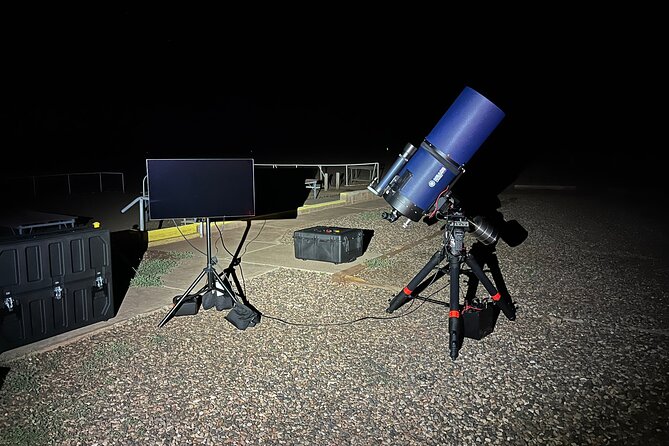
Traditional telescope viewing has a built-in problem: only one person can look through an eyepiece at a time. By the time you step up, focus, and move aside, the object can be difficult to find again. People in the back may get only a quick glance.
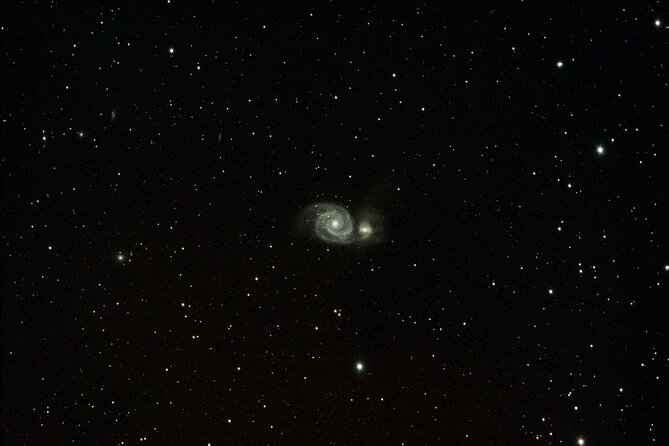
This tour addresses that problem with astronomy cameras mounted on the instruments. The camera captures faint celestial objects and streams the image to a 4K OLED television. Everyone can watch at once, and the guide can explain details while the image remains visible.
The result sits somewhere between direct observing and astrophotography. The screen can reveal color and structure that are hard to make out through an eyepiece, especially for galaxies, nebulae, and far-off star clusters. It also makes the session more social. You are not waiting silently for a turn while someone else has the only view.
You should not treat the screen as a replacement for the telescope. Looking through a large scope still has a special immediacy. The best part of this format is the combination: direct viewing for the personal moment, live video for shared detail and better group flow.
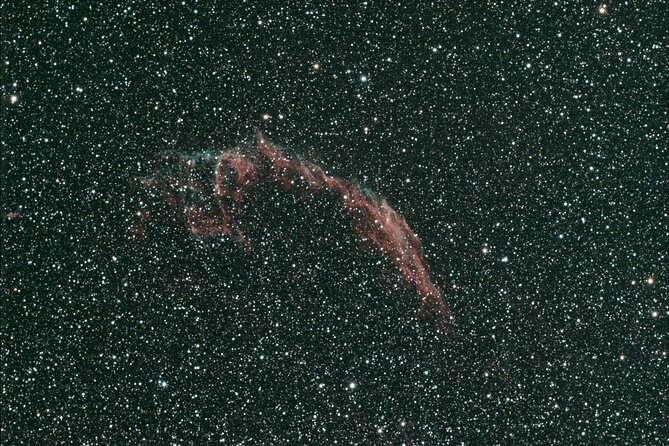
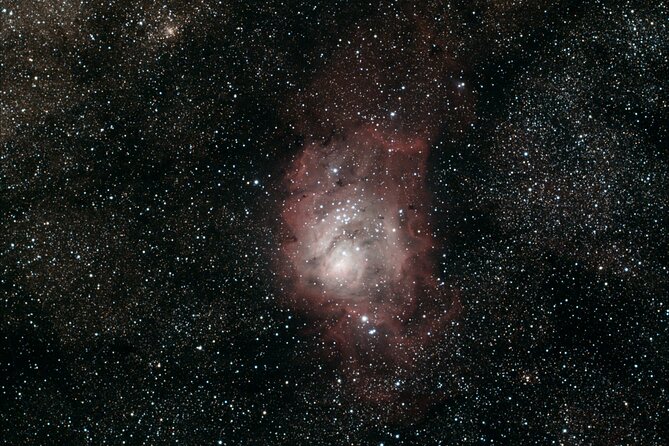
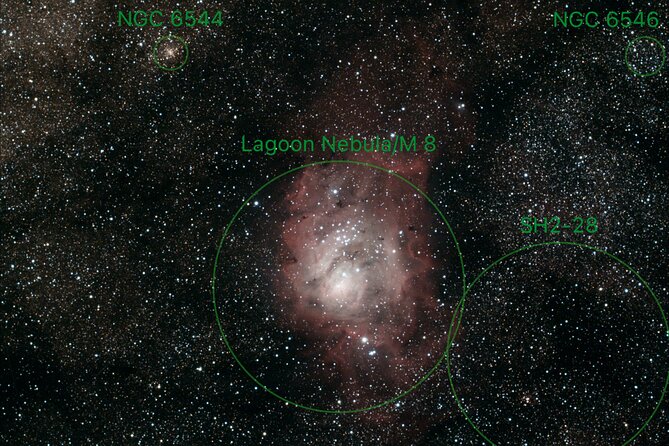
At the end, you can save favorite images from the video astronomy session. The supplied gallery images were captured by the tour’s telescopes and represent the kind of views you may see. Your saved images give the experience a useful afterlife, especially if you want to remember a particular galaxy or planet rather than rely on a phone photograph of a dark sky.
Chris, Kim, and the teaching style
Chris is the main guide named in the available information, and his presentation is a major reason this tour earns such strong marks. He is described as friendly, funny, passionate, and able to explain difficult ideas in both simple and scientific terms.
That range matters. Astronomy can quickly become technical, with distances, light-years, stellar formation, and orbital motion to explain. Chris is praised for answering a quick question first, then adding the deeper explanation for anyone who wants it. He also gives people help finding the objects they are looking for rather than simply pointing at a screen and moving on.
Kim sometimes assists Chris. Together, they have hosted groups of up to 10 people with chairs and blankets ready. The maximum group size is 12, which is small enough for questions and individual attention without turning the evening into a private tour.
The strongest pattern in the feedback is not one particular planet or galaxy. It is the sense that the guides enjoy the subject and want you to understand it. That makes a difference on a dark, cold night when the stars alone may not hold everyone’s attention for 75 minutes.
Cold nights, chairs, and what to bring
Sedona can be chilly after dark, even when the daytime feels mild. Several sessions included chairs and large or heavy blankets, and that thoughtful touch was especially appreciated during winter outings.
Do not rely on the provided blankets as your entire cold-weather plan. Wear a warm coat and consider gloves, a hat, and other layers. The advice to dress warmly comes up repeatedly for good reason. You will be standing or sitting outdoors, and astronomy requires patience.
Coffee, tea, and snacks are not included. One person expected hot chocolate and was disappointed, so plan accordingly. Since the tour lasts only about 75 minutes, you do not need to pack a full meal, but a warm drink before or after may improve the experience on a cold evening.
Low light is part of the setting, not a flaw. It also creates a practical issue. The tour may not suit children under seven or anyone who has difficulty negotiating uneven terrain in the dark. Service animals are allowed, and most people can participate, but you should judge your own comfort with an outdoor nighttime site.
Is $125 a fair price?
At $125 per person, this is a premium short activity. You are not paying for transportation, dinner, or a full-night observatory program. You are paying for access to a dark site, specialist telescopes, live astronomy video, a small group, instruction, and saved images.
For someone with little access to dark skies at home, the price can make sense. One of the most moving parts of the experience is simply seeing a sky filled with stars after years of living near city lights. The equipment also allows you to see objects you would have trouble finding on your own with a small telescope.
The value is strongest for couples, families with older children, and friends who like science or photography. It is also a good first-night activity in Sedona because it gives you a different view of the area after a day of red-rock sightseeing.
The value is weaker if you want a fast, casual stop or if you dislike guided talks. The tour is built around explanation and shared viewing. Weather can reduce what you see, and one badly organized evening shows that setup problems can hurt the experience. Free cancellation up to 24 hours before the start time lowers some of the risk, while weather cancellations offer a new date or a full refund.
Who should book this Sedona night tour?
I would choose this tour for a visitor who wants more than a pretty sky. You should enjoy asking questions, learning how objects form, and seeing both the naked-eye sky and telescope images.
It suits adults, couples, families with children old enough to stay engaged, and anyone taking an astronomy course. An eight-year-old has enjoyed the experience with family, while the operator specifically cautions that it may not be suitable for children under seven.
You should also book it if the idea of seeing Saturn’s rings, Jupiter’s moons, a galaxy, or a nebula appeals to you. The exact menu changes, but the equipment and format are designed for these harder-to-see targets.
I would hesitate if you need a fully paved, brightly lit facility, guaranteed clear skies, food service, or a quick start with no waiting. I would also check the forecast and dress more warmly than you think necessary.
FAQ
Where does the stargazing tour take place?
The tour starts in Sedona, Arizona, and uses secluded dark-sky sites on USFS-managed forest land and private ranches. The exact meeting details are provided on the day of the tour.
How long does the experience last?
The tour lasts approximately one hour and 15 minutes.
How much does the tour cost?
The listed price is $125 per person.
How many people can join the tour?
The maximum group size is 12 people.
What can I see through the telescopes?
Depending on the date and conditions, you may see planets, galaxies, nebulae, star clusters, stars, meteor showers, satellites, and the Milky Way. Past sessions have included Jupiter and four of its moons, Mars, and Saturn’s rings.
Does the tour use a video screen?
Yes. Astronomy cameras send live views of faint celestial objects to a 4K OLED monitor so the group can view them together.
Can I keep any images from the tour?
Yes. At the end of the session, you have an opportunity to save favorite images from the video astronomy presentation.
Should I bring warm clothing?
Yes. The tour takes place outdoors at night, and several sessions included chairs and heavy blankets because of the cold. Coffee, tea, and snacks are not included.
What happens if the weather is poor?
If poor weather causes the tour to be canceled, you can choose another date or receive a full refund. You can also cancel up to 24 hours before the start time for a full refund.
Should you book it?
Book this tour if you want a real astronomy lesson under Sedona’s dark sky, not just a quick look upward. The combination of Chris’s teaching, large telescopes, live 4K views, small groups, and saved images gives the $125 price a solid purpose.
Before booking, check the forecast, prepare for cold, and allow time to follow the meeting directions. If the sky is clear and you enjoy science, this can become one of the most memorable nights of a Sedona visit. If clouds roll in or you prefer a faster, more polished attraction, the weather policy and 24-hour cancellation window give you a sensible way to manage the risk.
Just added around Sedona
- Sunset Sedona Sacred Places -gourmet picnic dinner and stargazing★ 5.0 · 12 reviews
- Sedona Night Hike and Stargazing★ 5.0 · 7 reviews
- PRIVATE Sedona Jeep Tour 4X4 Stargazing Tour at Night★ 4.5 · 11 reviews
- Sedona UFO/Stargazing Tour (price per goggle not per person)★ 4.5 · 47 reviews
- Sedona: Private Stargazing Tour with a Local Guide★ 4.8 · 8 reviews
- Sedona Night Hike and Stargazing Tour★ 5.0 · 4 reviews
- Sedona: Stargazing Tour with Telescopes and Video Astronomy★ 4.8 · 9 reviews
- Sedona Dark Sky Sunset & Night Hike With a Private Guide★ 5.0 · 86 reviews
Telescope Stargazing, compared.
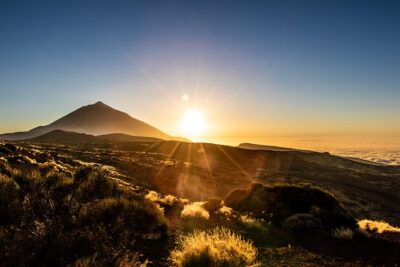
Teide by Night: Sunset & Stargazing with Telescopes Experience
Read our review →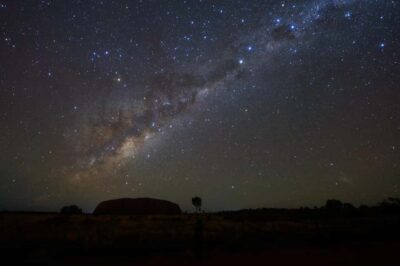
Uluru: National Park Astronomy Tour with Telescope and Photo
Read our review →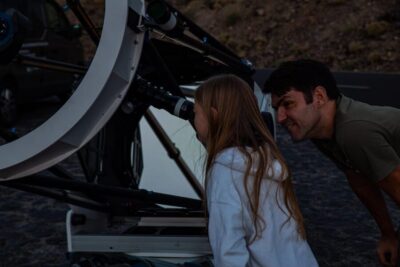
Teide National Park: Guided Large Telescope Stargazing Tour
Read our review →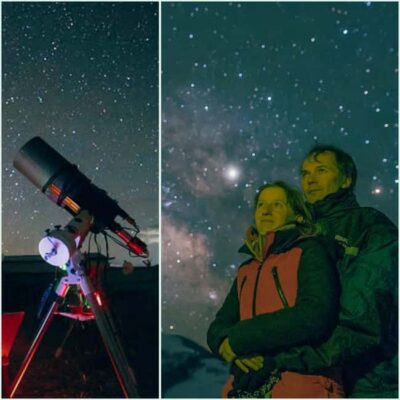
Northern Lights Tour and Stargazing by Telescope
Read our review →
Jasper Planetarium and Telescope Combo Tour Tickets
Read our review →
Cavalleria: Guided Stargazing at the Beach with Telescope
Read our review →
Twizel: Stargazing Tour with an Astronomer and Telescope
Read our review →Browse the lists this tour appears in