
Review · PORTUGAL
Exclusive visit to the Astronomical Observatory of Gaia
Time hides in plain sight. At Gaia’s Astronomical Observatory, you can see it being measured inside a rare 1940s building with a roof that opens to the sky. I like the unusual setting and the chance to see a Mirror Meridian Circle, one of only three in the world. I also like that enthusiastic Physics students lead the visit. The main drawback is clear: this is not a night-sky viewing session, and the telescopes are not currently used for evening stargazing.
For $17, this is a focused, unusual stop rather than a full astronomy outing. You get about an hour in English, with a five-minute walk to the observatory, roughly 30 minutes of guided explanation, and another five-minute walk afterward. The experience suits curious adults and older children, but children under 12 are not allowed.
Key points about Gaia’s rare observatory visit
- A roof that slides open: The semi-cylindrical building reveals the sky so stars can be observed as they cross the local meridian.
- One of only three instruments worldwide: The Mirror Meridian Circle is an unusually rare piece of astronomical equipment.
- A 1948 academic purpose: The observatory was created to support Astronomy studies at the Faculty of Sciences.
- A practical lesson in timekeeping: You learn how people measured time before modern systems became part of daily life.
- Physics students lead the tour: The guides bring enthusiasm and a direct connection to scientific study.
- A compact one-hour visit: It fits neatly into a day in Gaia, but it does not include nighttime telescope use.
Why this small observatory is worth your time
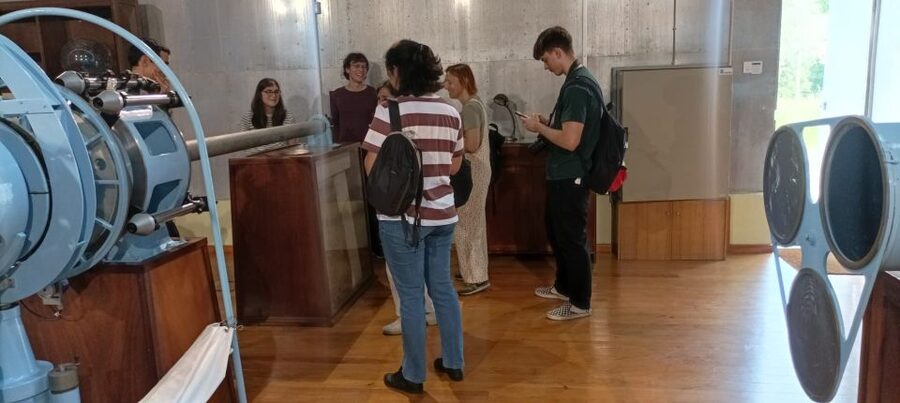
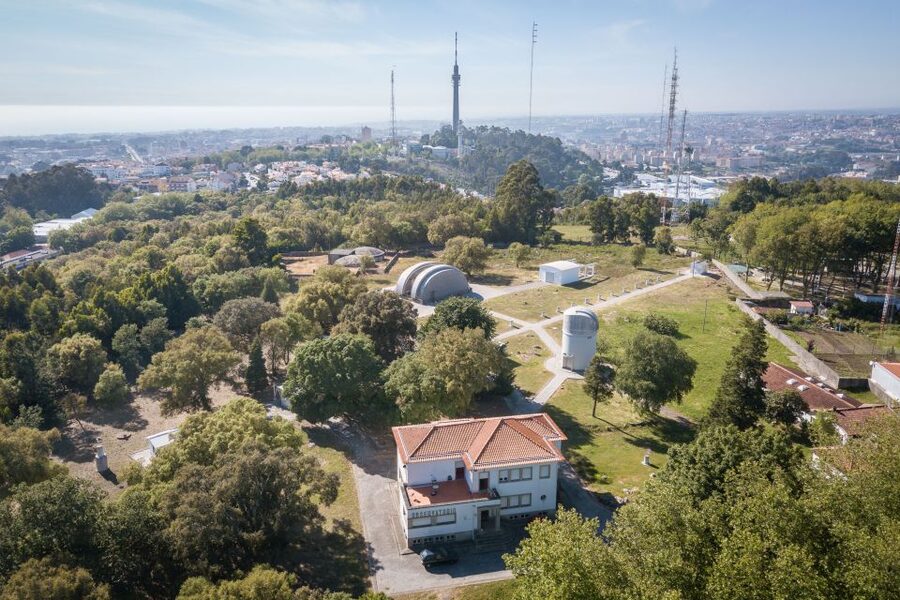
Gaia is often treated as Porto’s companion across the Douro, a place for river views, port wine lodges, and broad city outlooks. At the top of Monte da Virgem, however, you find a quieter and more specialized attraction: an astronomical observatory built to measure the heavens with precision.
The building is not grand in the usual sightseeing sense. That is part of its appeal. You are not entering a giant science museum filled with interactive displays. Instead, you are visiting a working academic site with a particular job, observing the movement of stars and using that movement to understand time.
I like experiences that explain an ordinary part of life through an object you would otherwise pass without a second thought. Time feels simple because clocks are everywhere. Here, you see how much care once went into determining it.
The visit also gives you a look at an unusual chapter in Portuguese scientific education. The observatory was created in 1948 to support Astronomy studies at the Faculty of Sciences. Nine years later, its most notable instrument opened for use, the Mirror Meridian Circle.
That date matters. This is not an ancient observatory from the age of early astronomers, but it is old enough to show a period when careful optical instruments still played a central role in setting and checking time.
More Observatory Visits in the world:
- Mount John Observatory Stargazing Experience, Tekapo
★ 4.5 · 160 reviews - Tenerife: Mount Teide Observatory Astronomical Tour
★ 4.4 · 126 reviews - Stargazing Experience at Cowan’s Private Observatory
★ 4.0 · 85 reviews
At the top of Monte da Virgem
The starting point is in Gaia, at postcode 4430-146. From there, allow about five minutes to walk to the Astronomical Observatory. The walk is short, but it is useful to arrive ready for a guided visit rather than treating the observatory as a place you can casually wander into.
Your time at the site centers on a guided explanation of about 30 minutes. The full experience lasts close to one hour, including the short walks at the beginning and end. That makes it easy to fit around other plans, especially if you want to pair it with a separate visit in Gaia.
The short format has two sides. You will not lose half a day, and the subject stays focused. On the other hand, you should not expect a long astronomy program with several buildings, laboratory demonstrations, or extended telescope use.
The setting at Monte da Virgem helps the visit feel separate from the usual city route. The observatory is described as discreet, which means its appeal comes from what happens inside, not from an elaborate entrance or a large public presentation.
The sliding roof and semi-cylindrical design
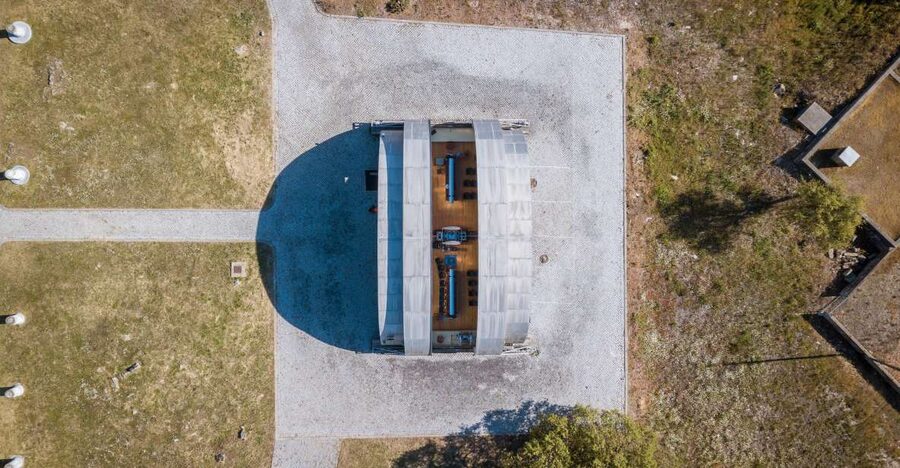
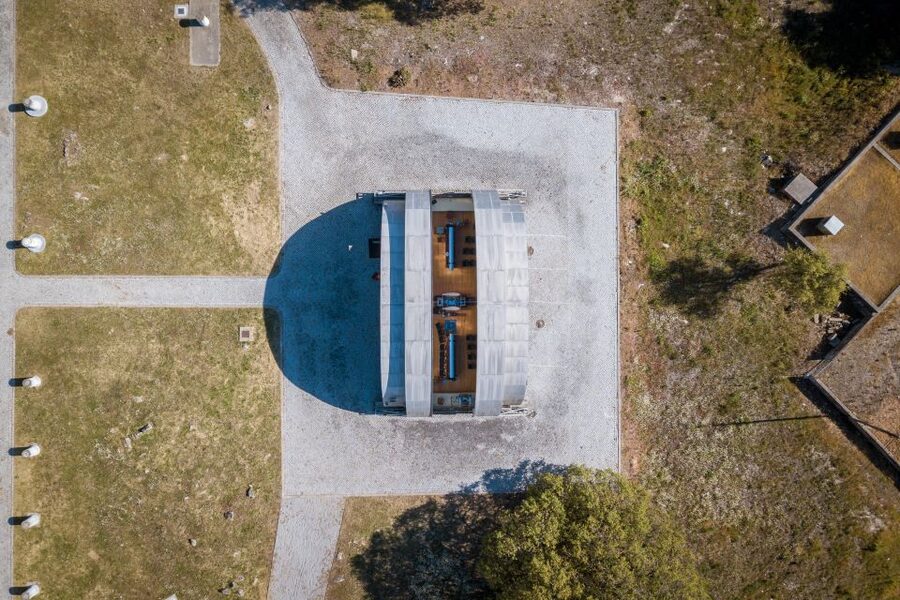
The building itself is one of the strongest reasons to book. The observatory has a semi-cylindrical form, with a roof that slides open toward the sky. This is not just an architectural oddity. It serves a precise purpose: allowing astronomers to observe stars as they pass across the local meridian.
The meridian is an imaginary line running across the sky from north to south. As stars cross this line, their passage can be observed and timed. The building therefore works together with the instrument inside. The roof creates the opening, and the telescope provides the accuracy.
I find this more satisfying than a standard telescope display. You are not simply looking at an old machine behind glass. You are seeing how the room, roof, instrument, and sky were designed to work as one system.
The unusual shape also helps you understand the practical limits of older astronomical work. The telescope needed a clear view along a particular section of the sky. The roof had to move out of the way. The building was shaped around the task.
Do not expect a polished entertainment venue. The appeal is technical and historical, with the guides providing much of the energy. If you enjoy places where function explains the design, you will likely appreciate this stop.
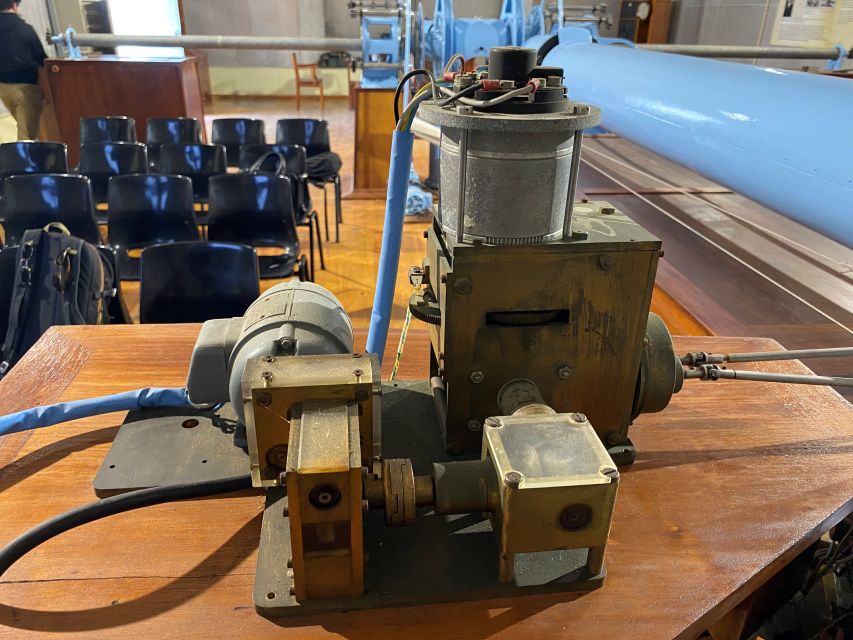
The Mirror Meridian Circle, the visit’s main object
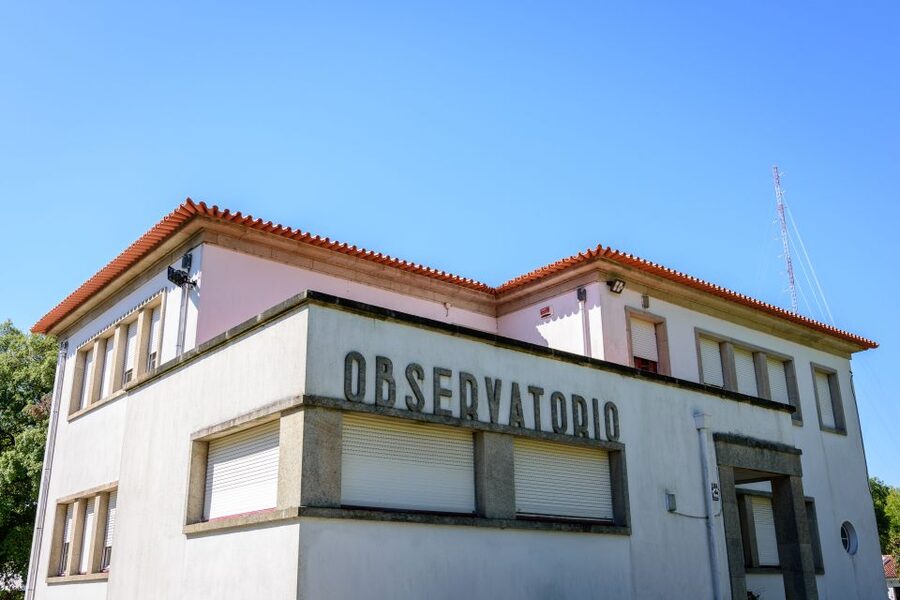
The Mirror Meridian Circle is the star of the tour, even if it is not being used for modern night observations. It is described as so rare that only two other examples exist anywhere in the world.
That scarcity gives the visit real value. Many observatory tours show familiar telescopes, but this instrument belongs to a narrower and more specialized tradition. Its purpose was tied to the exact observation of stars crossing the meridian, helping astronomers establish precise positions and times.
The equipment includes two telescopes, and the tour explains what they were used for in the past and what role they have now. That distinction is important. You are learning about an instrument with a working history, not being promised a live view through the eyepiece.
The two verified comments provided for this experience both point to the same limitation. The people who enjoyed the explanations also wished they could use the telescope at night and see the stars. One person specifically regretted that the equipment was not available for nighttime observations.
Take that as useful planning advice. Book this for the building, the instrument, and the story of timekeeping. Do not book it mainly because you expect to look through a telescope at planets or stars after dark.
Same dark sky, a different way to spend it:
- Dubai Red Dunes ATV, Camels, Stargazing & 5* BBQ Al Khayma Camp
★ 5.0 · 21,620 reviews - Sharm El-Sheikh: Ultimate ATV Quad, Stargazing & BBQ Dinner
★ 4.7 · 4,084 reviews - Tenerife: Teide National Park Sunset & Stargazing Tour
★ 4.2 · 3,812 reviews - Tenerife: Sunset and Stargazing at Teide National Park
★ 4.7 · 2,826 reviews
How the tour explains the history of time
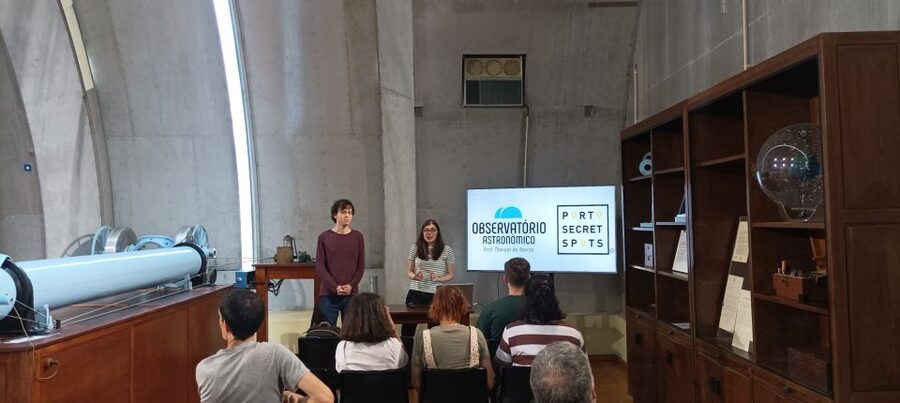
The subject may sound narrow, but it reaches into daily life. Before accurate modern clocks and electronic systems, astronomers used the sky to help determine time. The passage of a star across a known line offered a repeatable event that could be measured with great care.
At Gaia, you learn about the mechanisms that helped people tell time through different periods. The key lesson is that time was once tied closely to observation. The clock on your phone gives you an answer instantly, but instruments like the Meridian Circle helped establish the reference points behind those answers.
The guide’s job is especially important here. A machine built for precision can look mysterious if nobody explains it. The English-speaking guides are Physics students from the Faculty of Sciences, and their enthusiasm is one of the experience’s strongest features.
A verified comment praises the passion with which a guide explained the visit. That detail gives you a useful sense of the tone. This is likely to feel like a student-led science explanation rather than a formal speech delivered by a distant museum narrator.
You may not need advanced physics to follow along. The tour is presented as an introduction to the instrument, its former role, and the way time has been measured. Still, you will get more from it if you enjoy asking how machines work and why astronomers needed such exact observations.
What the one-hour schedule feels like
The timing is straightforward:
- You begin at the meeting point in Gaia.
- You walk for about five minutes to the observatory.
- You spend around 30 minutes inside on the guided tour.
- You walk for about five minutes afterward.
The remaining time covers the transition between parts of the visit and the natural pace of a small guided group. Since the tour is only an hour, plan your other activities around it rather than expecting a full afternoon program.
The compact schedule is useful if you are building a day in Gaia. You can place it alongside other stops, but you should allow a little breathing room around the stated duration. That is especially sensible when you need to find the meeting point or are unfamiliar with the Monte da Virgem area.
The English language format keeps the experience accessible to English-speaking visitors. There is a live guide rather than a self-guided route, so the quality of the explanation matters. Here, the Physics student guides are a notable advantage.
Photography is limited. Flash photography is not allowed, and video recording is also prohibited. You can still pay attention to the instrument and the unusual building without trying to document every moment. The restrictions also make sense for a small scientific site where the focus is on careful viewing.
Is $17 a fair price?
At $17 per person, the visit is reasonably priced for a specialized guided experience. You are paying for access to a rare astronomical instrument, an English explanation, and a compact look at a building with a very specific purpose.
The value depends on your expectations. If you want an evening of stargazing, the price will not feel worthwhile because nighttime telescope use is not part of the current experience. If you enjoy scientific history, unusual architecture, and the story behind accurate timekeeping, the cost is easier to justify.
I would compare it with the price of a typical museum admission plus a guided talk. This visit is smaller and more specialized, but that focus is precisely what makes it different. You are not paying for a long list of attractions. You are paying for access to a rare object and an explanation that gives it meaning.
The booking terms also reduce the risk. You can reserve now and pay later, and cancellation is available up to 24 hours before the visit for a full refund. Those policies are useful if your plans in Porto and Gaia are still shifting.
Who should book this experience?
I would recommend it most strongly to:
- Adults who enjoy astronomy, physics, or the history of science
- Visitors interested in unusual buildings with a clear practical purpose
- People who want a short, focused activity in Gaia
- Students and older children who can follow a technical explanation
- Anyone curious about how astronomers helped measure time before modern technology
It is not suitable for children under 12. Families with younger children should choose another Gaia activity.
You should also think about your interest level. If the words meridian, star passage, and time measurement sound appealing, this could be a memorable hour. If you want broad entertainment, dramatic views, or hands-on demonstrations, the visit may feel too specialized.
The guide’s enthusiasm can make a major difference. Since Physics students lead the tour, you may find the explanation more personal and lively than a standard recorded presentation. Still, the subject remains the main attraction, so bring your curiosity.
What I would know before booking
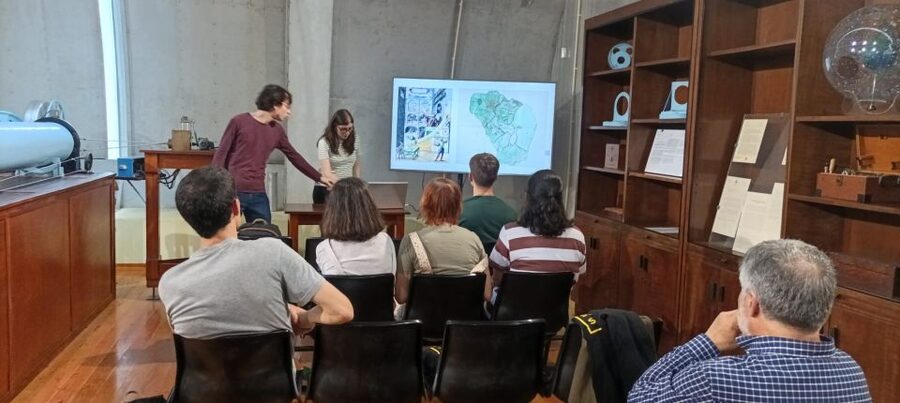
The biggest point is the difference between an observatory visit and a stargazing session. The roof opens to the sky, but that does not mean you will observe stars through the telescopes during this visit.
The available feedback points directly to this issue. The explanation was praised for its passion, yet the desire to use the telescope at night remained unmet. I would treat that as a firm expectation-setting detail.
I would also choose a time when you are not rushing to another reservation. The official duration is one hour, but the experience will be more enjoyable if you can listen closely instead of watching the clock.
Bring questions about the two telescopes, the Meridian Circle, and the reason stars were useful for measuring time. A short tour becomes much more rewarding when you connect the equipment to the problem it was built to solve.
Should you book the Gaia Observatory visit?
Book it if you want a rare, thoughtful attraction that explains how astronomy once helped set the clock. The sliding roof, semi-cylindrical building, and one-of-three-worldwide Mirror Meridian Circle give this small visit a strong sense of place.
Skip it if your main goal is live night-sky viewing. The experience does not currently promise telescope observations after dark, and that limitation has already disappointed people who hoped to see the stars.
For $17 and one hour, I think it is a good choice for curious adults, science-minded visitors, and anyone who prefers a focused local experience over another standard sightseeing stop. Go for the instrument and the story, not for a telescope session under the night sky.
FAQ
Where is the Astronomical Observatory of Gaia?
The observatory is in Gaia, in Portugal’s Norte Region, at the top of Monte da Virgem. The stated starting point is postcode 4430-146.
How long does the visit last?
The full experience lasts about one hour. It includes a five-minute walk to the observatory, a guided tour of about 30 minutes, and a five-minute walk afterward.
What language is the tour in?
The visit is conducted in English with a live tour guide.
What is the main instrument at the observatory?
The main instrument is the Mirror Meridian Circle. It was opened in 1957 and is described as one of only three such instruments in the world.
Can I observe stars through the telescopes at night?
Nighttime telescope observations are not included in the experience as described. The available information specifically notes that the equipment was not available for night observations.
Are children allowed to join?
Children under 12 are not permitted to take part in the visit.
Can I take photographs or record video?
Flash photography and video recording are not allowed.
Just added around the world
- ( canyon hurghada & stargazing )★ 4.9 · 16 reviews
- Vincentia: Jervis Bay Beach Stargazing with an Expert★ 4.9 · 19 reviews
- Twizel Stargazing Experience with a Guide (Carbon Positive)★ 4.7 · 26 reviews
- Twizel: Stargazing Tour with an Astronomer and Telescope★ 4.9 · 36 reviews
- Blue Mountains: Stargazing with a Telescope and Astronomer★ 4.4 · 21 reviews
- Star Safari Stargazing Experience, Martinborough★ 5.0 · 6 reviews
- Klein Karoo “High 5” Stargazing Experience in Oudtshoorn★ 5.0 · 7 reviews
- VIP Sunset & Stargazing experience★ 4.5 · 44 reviews
Observatory Visits, compared.
Royal Observatory Greenwich & Prime Meridian Entrance Ticket
Read our review →
Griffith Observatory Hike: Guided Tour through Griffith Park
Read our review →
Royal Observatory Greenwich & Prime Meridian Entry Ticket London
Read our review →
Browse the lists this tour appears in