
Review · GREECE
Ioannina Astronomy: Telescope Stargaze Greece’s night sky
The stars get the final word. Just outside Ioannina, this two-hour evening outing pairs an astronomer-led sky tour with serious telescope time, Greek mythology, and wide views over Lake Pamvotis. I especially like the dark setting at Kastritsa and the chance to save telescope images directly to your phone. The main catch is simple: nights can turn cold, and cloudy weather can cancel the session on the same day.
I also like that this is built for beginners rather than trained stargazers. The guide explains star colors, red giants, white dwarfs, nebulae, and galaxies in plain English, then points them out with a green laser. Sotiris has earned strong praise for his enthusiasm, stories, and teaching style, though the experience is not suitable for children under six or people with visual impairments.
Key points before you book
- Kastritsa gives you a dark sky and lake views: The Acropolis of Kastritsa is described as the darkest practical stargazing point near Ioannina, with views over the city and Lake Pamvotis.
- The green laser links stars to Greek myths: You will not just memorize constellation names. You will hear the stories attached to them.
- Two telescopes cover different targets: An Unistellar eVscope handles deep sky objects, while an eight-inch telescope may be used for the Moon and planets.
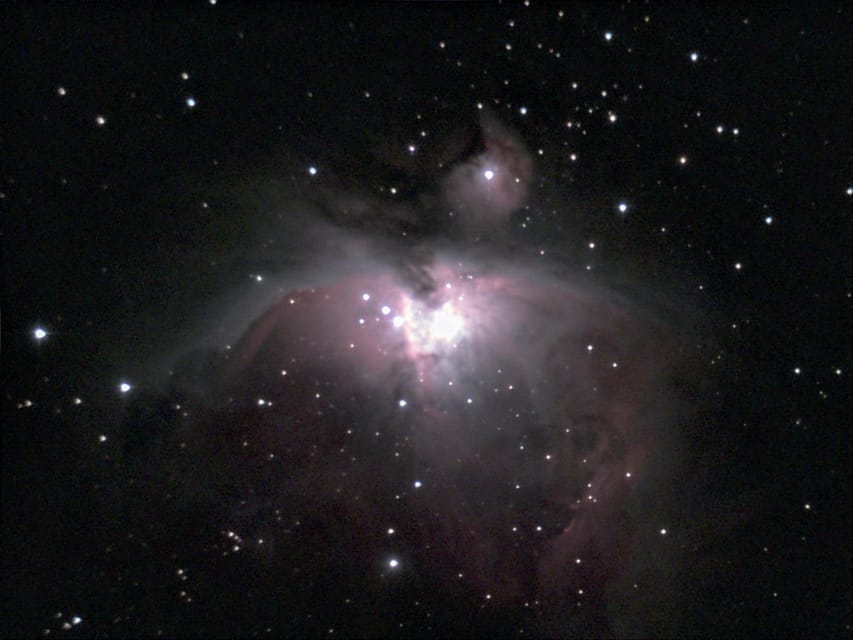
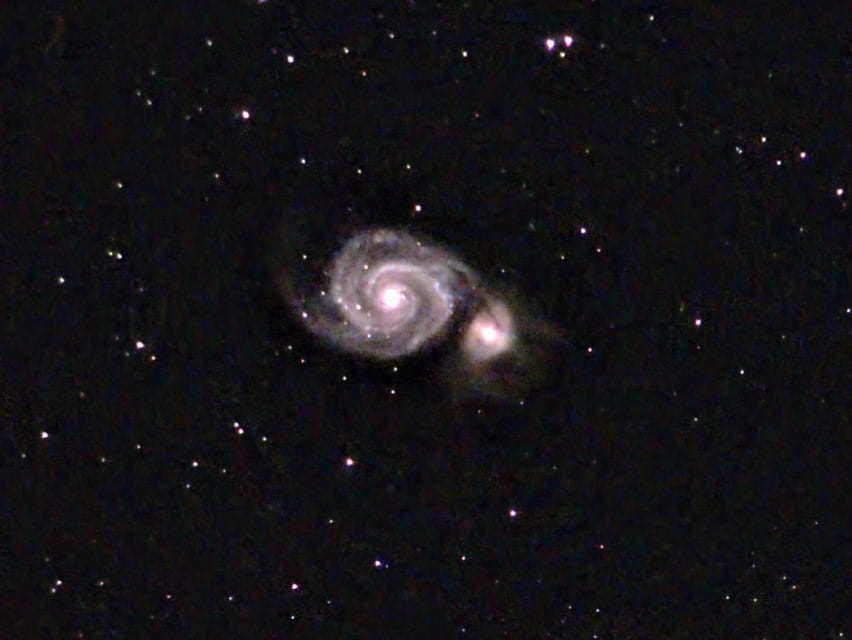
- You may see galaxies, nebulae, and star clusters: Some distant galaxies can even be colliding, with each one containing hundreds of billions of stars.
- The session is English-language and beginner-friendly: Children from age six can join, provided they can manage a late outdoor evening.
- Weather matters more than your calendar: The operator may cancel by 10:00 am on the day of the tour if conditions are poor.
Why Kastritsa is the right place for stargazing
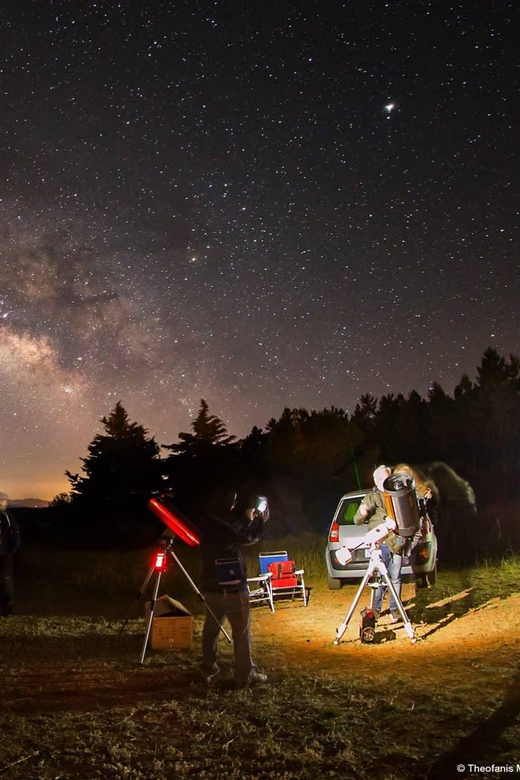
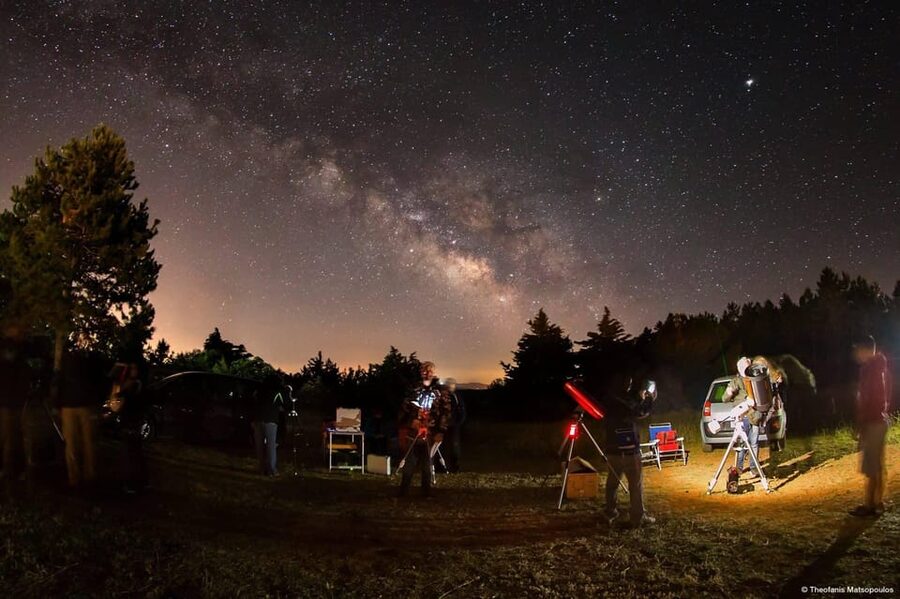
Ioannina is a lively city, but city lights are bad news for faint stars. This experience moves you to the Acropolis of Kastritsa, an archaeological site outside town where the darker sky makes a real difference.
You get more than a telescope platform. The site has views toward Ioannina and Lake Pamvotis, so arriving a little early gives you a fine setting before the sky becomes the main attraction. The acropolis is open and free to visit, which makes it useful as a quiet pre-tour stop if you have time.
The important point is darkness. The Milky Way is most impressive away from bright urban lighting, and Kastritsa gives you a better chance of seeing it with your own eyes. A telescope can show distant objects, but the broad sweep of the Milky Way is often the moment that makes the evening feel truly special.
You should still keep expectations realistic. This is not an observatory with a heated indoor hall, cafe, or nearby toilets. The meeting point is outdoors, and the site is chosen for its night sky rather than convenience. Bring warm clothes and warm shoes, even in summer.
More Telescope Stargazing in the world:
- Teide by Night: Sunset & Stargazing with Telescopes Experience
★ 4.5 · 1,492 reviews - Uluru: National Park Astronomy Tour with Telescope and Photo
★ 4.4 · 357 reviews - Teide National Park: Guided Large Telescope Stargazing Tour
★ 4.9 · 319 reviews
What happens during the two-hour evening
The published duration is about two hours, with starting times changing through the year. The usual seasonal times are 9:30 pm in summer, 8:00 pm in spring and autumn, and 6:30 pm in winter.
The exact meeting time is sent by WhatsApp on the same day after 10:00 am. That timing changes with sunset, so do not rely only on the broad seasonal schedule. Check your phone before setting out.
The evening begins with an introduction to the sky and the equipment. You are provided with chairs, a small but important comfort after a day of sightseeing. The guide then works through whatever is visible that night, rather than promising a fixed list of planets or stars.
That flexibility matters. The Moon and planets are only included when they are in the sky and suitably placed for viewing. If they are not available, the session turns toward stars and deep sky objects instead.
A strong night may run longer than the advertised two hours. One particularly enthusiastic account describes about three hours of looking at the sky, including the Moon, nebulae, and galaxies. You should not assume every session will last that long, but the possibility suggests that the pace may depend on questions, conditions, and what the equipment reveals.
Following the green laser through Greek mythology
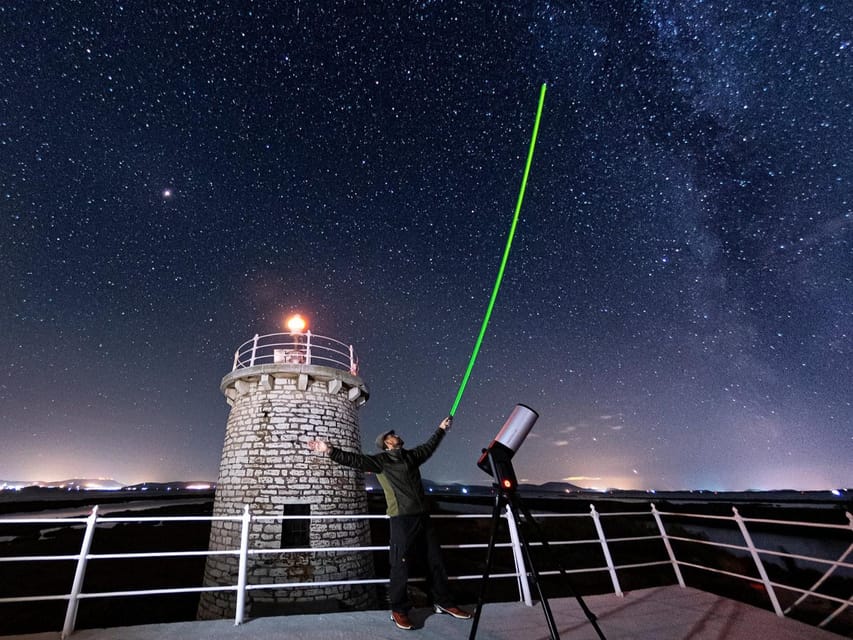
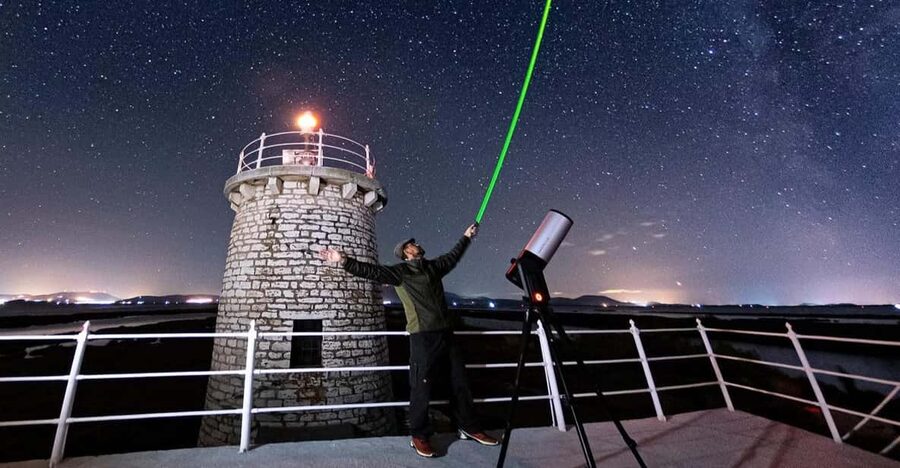
The constellation tour is one of the most distinctive parts of the experience. The guide uses a green laser pointer to connect the patterns overhead with Greek mythology.
This is useful because constellations can otherwise be hard to spot. A group of stars that looks obvious in a diagram may disappear when you look up at a real sky full of points of light. The laser gives you a clear line to follow, while the stories give the shapes a reason to stay in your memory.
The mythology also fits Ioannina and Epirus better than a generic astronomy talk would. You are looking at the sky in Greece, hearing ancient Greek stories while standing near an archaeological site. That does not turn the session into a history lesson, but it gives the stars a strong local connection.
Sotiris is especially praised for his storytelling and clear explanations. His enthusiasm seems to be a major part of the evening, particularly for people who arrive with little astronomy background. If you enjoy asking questions, this should suit you better than a silent telescope viewing.
The talk is in English. You will need enough English to follow explanations about stars, planets, and mythology, though the activity is aimed at general visitors rather than specialists.
Seeing the Moon, planets, and star colors
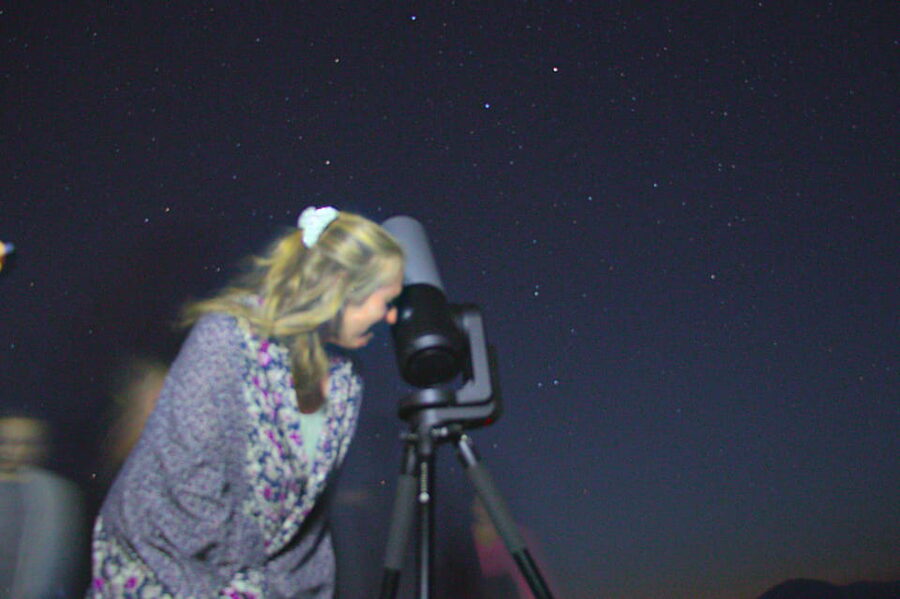
If the Moon or planets are visible, an eight-inch telescope may be used for them. This is the kind of viewing that can make astronomy feel immediate. You are not just hearing about a planet or lunar surface. You are looking at it through an optical instrument under the actual night sky.
The guide also points out bright stars and discusses their colors. That leads to a practical science lesson: what stars are made of, why their colors differ, and how objects such as red giants and white dwarfs fit into the life of a star.
These explanations give structure to what you are seeing. Instead of treating the telescope as a magic box, the guide explains what the light means. That is especially helpful for children and first-time stargazers.
Still, astronomy is governed by timing. A planet may be below the horizon, hidden by clouds, or not part of that night’s best targets. The description correctly says these objects will be observed should they be in the sky. Book this for the full range of the experience, not for one promised planet.
More Stargazing Tours in the world:
- Dubai Red Dunes ATV, Camels, Stargazing & 5* BBQ Al Khayma Camp
★ 5.0 · 21,620 reviews - Sharm El-Sheikh: Ultimate ATV Quad, Stargazing & BBQ Dinner
★ 4.7 · 4,084 reviews - Tenerife: Teide National Park Sunset & Stargazing Tour
★ 4.2 · 3,812 reviews - Tenerife: Sunset and Stargazing at Teide National Park
★ 4.7 · 2,826 reviews
Using the Unistellar eVscope for distant objects
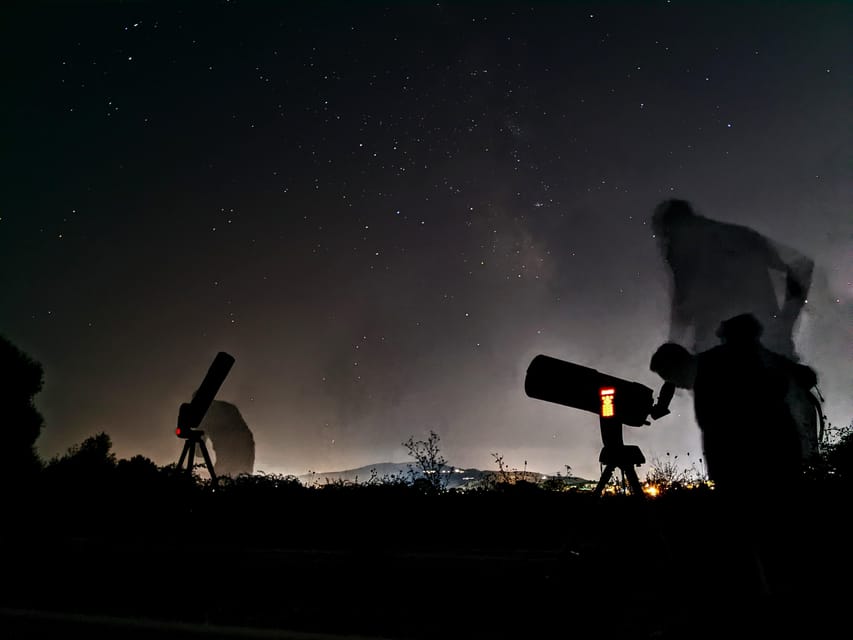
The Unistellar eVscope is the main tool for deep sky observation. It can be used to show star clusters, nebulae, and distant galaxies, including some that are colliding.
The scale is hard to grasp at first. Each galaxy may contain hundreds of billions of stars, yet through the telescope it can appear as a small, faint object. The guide’s job is to bridge that gap between what your eye sees and what the object actually is.
This is where the session offers value beyond a simple night walk. You receive both the view and the explanation. You may look at a small patch of light, then learn that it is a remote galaxy made of an enormous number of stars. The contrast is humbling in the best way.
The experience also lets you save images of the cosmos directly to your mobile phone. That is a useful touch. The photographs will not replace the memory of looking up from Kastritsa, but they give you something concrete to keep and show family at home.
The quality of any telescope view depends on the night. Poor weather can end the session before it begins, and thin cloud or haze can affect what you see. The operator can cancel as late as the same day, up to 10:00 am, when conditions are unsuitable. That may disrupt a tightly planned itinerary, but it is better than spending an evening pretending the clouds are galaxies.
How much value you get for $47
At $47 per person, the price is fair if you want an active, guided astronomy experience rather than a scenic night outside. Your fee includes the stargazing tour, an astronomer, the Unistellar eVscope, the eight-inch telescope when appropriate, the green laser constellation tour, phone images, and a chair.
The value comes from the interpretation. You could visit Kastritsa on your own for free, but you would miss the organized explanation of the constellations, the science of stars, and the use of specialized equipment. The tour gives you access to tools and instruction that most independent visitors would not have.
There are also clear limits. Dinner is not included, and there are no cafes or toilets close to the stargazing point. You need to handle those needs before arriving. Warm clothing is also your responsibility.
For a family, the price can make sense if the children are genuinely interested in the sky. The minimum age is six, but the late start, cold air, and two-hour format may be demanding for younger children. Older children who enjoy stories, science, or asking questions are more likely to get real value from it.
For adults, couples, and curious solo visitors, the price is strongest when the sky is clear and you want something different from another evening meal in town. If you dislike sitting outdoors at night or have no interest in astronomy, the cost is harder to justify.
Timing, comfort, and practical planning
Plan your evening around the weather and the meeting message. Since the exact time arrives by WhatsApp on the day, keep your schedule flexible and check for updates after 10:00 am.
Wear more than you think you need. The instructions specifically call for warm clothing and warm shoes, and the warning applies even in summer. Night air can feel much colder when you are sitting still and looking through a telescope.
There is no promise of food or drink at the site. Have dinner before the tour or plan it for afterward, depending on the seasonal start time. In summer, a 9:30 pm start may fit neatly after dinner. In winter, the 6:30 pm start may allow you to eat later, but you still need to prepare for outdoor cold.
Kastritsa is also an archaeological site, so treat the location with care. You can visit it independently because it is open and free, but the astronomy meeting point is not presented as a fully serviced visitor center. Think quiet hilltop, dark sky, chairs, telescopes, and an enthusiastic guide.
Free cancellation up to 24 hours in advance and reserve now, pay later terms make booking less risky. The bigger uncertainty is the weather, not the payment policy.
Who will enjoy this most
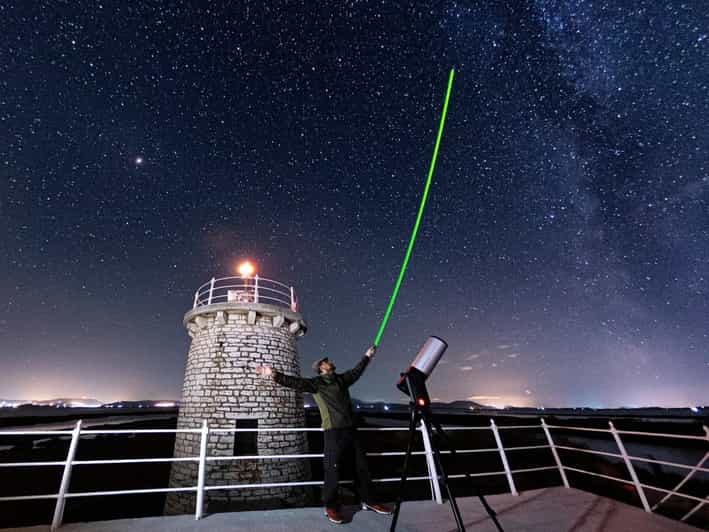
I would recommend this to first-time stargazers who want a guide to tell them what they are seeing. You do not need prior astronomy experience, and the combination of science, stories, and telescope viewing gives the evening a clear shape.
It should also suit families with children aged six and older, especially if the children can stay focused after dark. The guide’s use of mythology helps keep the subject lively, while the telescopes provide a strong reward for patient listening.
Couples and solo visitors can enjoy it as a quieter alternative to standard sightseeing. The views of Ioannina and Lake Pamvotis add a sense of place before the sky takes over.
I would be cautious if you need accessible facilities, nearby toilets, or indoor shelter. The experience is not suitable for people with visual impairments, and the operator does not list toilets or cafes near the point. You should also think twice if your schedule cannot absorb a same-day weather cancellation.
What makes the experience memorable
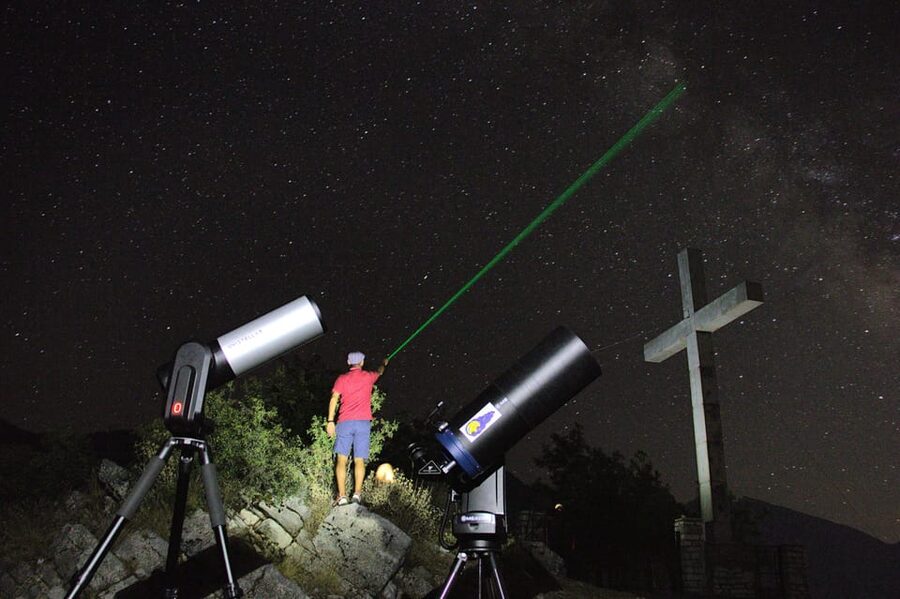
The best part is the shift in scale. You begin with a view of Ioannina and the lake, then move to constellations and old myths, then out to nebulae and galaxies far beyond the Milky Way.
Sotiris receives particular praise for enthusiasm, knowledge, stories, and teaching. The evening appears to work because the guide does more than point at objects. He explains them, gives them a story, and encourages you to keep looking.
The opportunity to see the Moon up close, when available, is a strong bonus. So are the phone images. But I would put the Milky Way and the sense of standing beneath a truly dark sky at the top of the list. Those are the parts no photograph fully captures.
Should you book the Ioannina stargazing tour?
Book it if you want a thoughtful outdoor evening, enjoy learning as you look, and can dress for cold weather. The combination of Kastritsa’s dark setting, Greek mythology, English explanations, and advanced telescopes gives you more than a casual star walk for $47.
Skip it if you need indoor comfort, nearby services, guaranteed planets, or a fixed schedule that cannot change with the weather. For everyone else, this is a smart way to see a quieter side of Epirus, with the added pleasure of realizing that the sky above Ioannina is full of far more than stars.
FAQ
Where does the stargazing tour take place?
The meeting point is the Acropolis of Kastritsa, just outside Ioannina. It is described as one of the darkest places near the city and has views of Ioannina and Lake Pamvotis.
How long does the experience last?
The stated duration is two hours, though the general description gives a range of one to two hours. One evening with the guide lasted about three hours, so the actual length may vary.
What time does the tour start?
The usual start is 9:30 pm in summer, 8:00 pm in spring and autumn, and 6:30 pm in winter. The exact meeting time is sent by WhatsApp on the day because it changes with sunset.
Is the tour conducted in English?
Yes. The instructor and tour language are English.
Are telescopes included?
Yes. The experience includes use of a Unistellar eVscope and an eight-inch telescope when the Moon or planets are suitable for viewing.
Can I see the Moon and planets?
You can observe the Moon and planets if they are in the sky and suitable for viewing during the session. They are not guaranteed on every date.
Can I save telescope images?
Yes. Images of the cosmos can be saved directly to your mobile phone.
What should I bring?
Bring warm clothing and warm shoes. Even summer nights can feel cold at the stargazing point.
Is the tour suitable for children?
Children from age six can join. The experience is not suitable for children under six or for people with visual impairments.
Just added around the world
- ( canyon hurghada & stargazing )★ 4.9 · 16 reviews
- Vincentia: Jervis Bay Beach Stargazing with an Expert★ 4.9 · 19 reviews
- Twizel Stargazing Experience with a Guide (Carbon Positive)★ 4.7 · 26 reviews
- Twizel: Stargazing Tour with an Astronomer and Telescope★ 4.9 · 36 reviews
- Blue Mountains: Stargazing with a Telescope and Astronomer★ 4.4 · 21 reviews
- Star Safari Stargazing Experience, Martinborough★ 5.0 · 6 reviews
- Klein Karoo “High 5” Stargazing Experience in Oudtshoorn★ 5.0 · 7 reviews
- Private Stargazing at Star Safari near Martinborough★ 5.0 · 3 reviews
Telescope Stargazing, compared.
Teide by Night: Sunset & Stargazing with Telescopes Experience
Read our review →
Uluru: National Park Astronomy Tour with Telescope and Photo
Read our review →
Teide National Park: Guided Large Telescope Stargazing Tour
Read our review →
Northern Lights Tour and Stargazing by Telescope
Read our review →
Jasper Planetarium and Telescope Combo Tour Tickets
Read our review →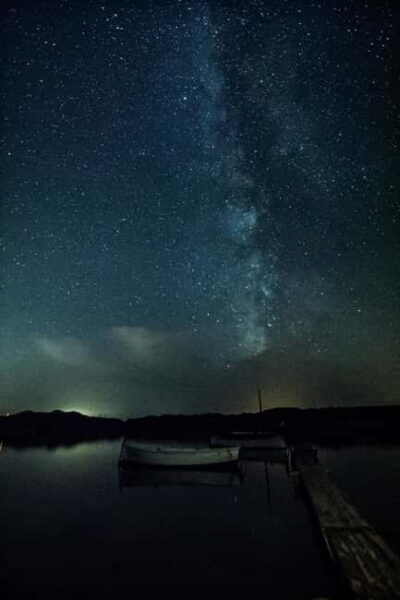
Cavalleria: Guided Stargazing at the Beach with Telescope
Read our review →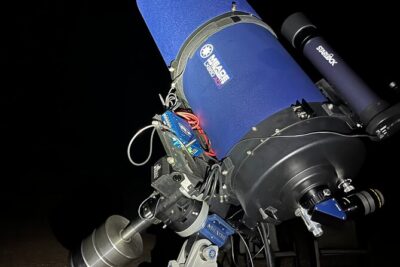
Stargazing Tour with Telescopes and Video Astronomy in Sedona
Read our review →Browse the lists this tour appears in