
Review · MOAB
Milky Way Photography in Arches National Park
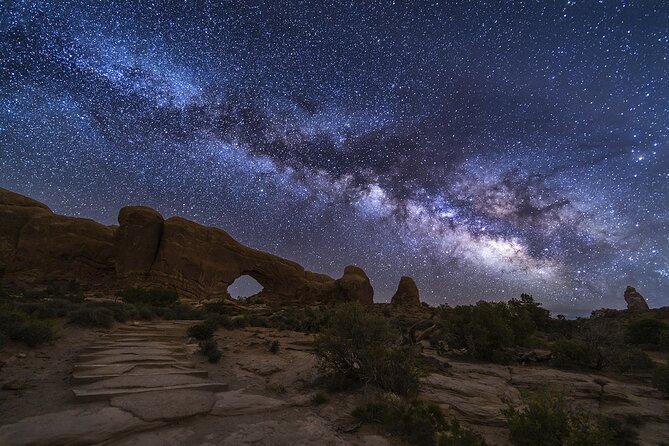
The desert sky does the heavy lifting. This three-and-a-half-hour Milky Way photography tour takes you into Arches National Park after dark, where Colin Young and his team help you turn a star-filled sky into a usable photograph. I like the small maximum of four people, which gives you room to ask camera questions, and I like that the tour visits at least two night-sky locations rather than stopping after one quick photo.
The main drawback is timing. From March through May, the Milky Way may not appear until after midnight, so you need to be comfortable with a very late pickup and a short night of sleep. You also need a DSLR or mirrorless camera, a suitable lens, and a sturdy tripod to get the best results.
Key Points at a Glance
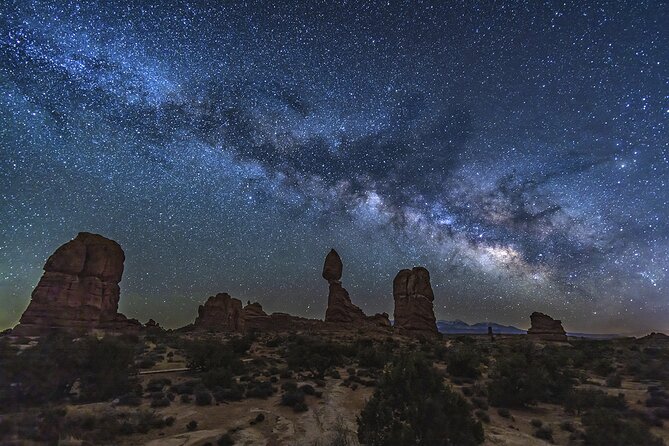
- At least two Arches locations: You get more than one chance to frame the Milky Way against the park’s famous stone formations.
- A four-person maximum: The small group makes hands-on camera help much more realistic.
- Practical instruction: You receive a crash course in settings for shooting the Milky Way, including the high ISO needed for night work.
- Seasonal scheduling matters: Spring tours begin late at night, while fall is offered as part of a sunset and night combination.
- Bring serious camera gear: A wide lens, sturdy tripod, headlamp, and camera capable of at least ISO 3200 are important.
- Guides add more than camera help: Colin Young and Geremy have helped visitors with composition, park geology, history, and night photography.
Why Arches Works So Well at Night
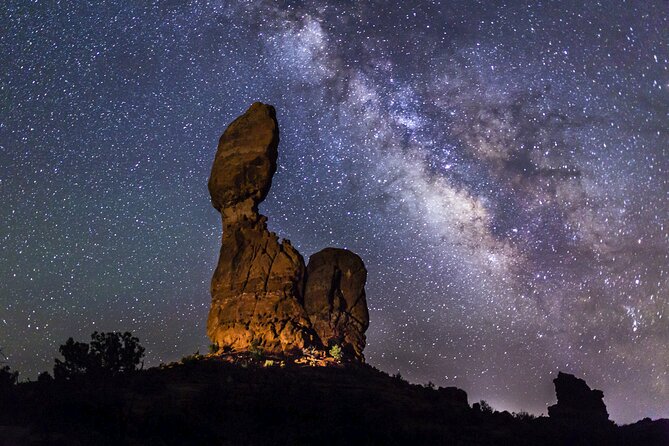
Arches National Park is an internationally recognized dark sky park, and that matters more than a fancy description. Far from the bright glow of a large city, the Milky Way can appear as a broad band of stars instead of a faint smudge. The red rock gives you a strong foreground, so your photograph has more character than a simple picture of stars above an empty horizon.
You will not spend the whole evening staring through a viewfinder. The park itself is the reason to come. At night, familiar rock shapes take on a different mood, and the sky becomes part of the scenery rather than a backdrop you barely notice.
The tour is built around photography, but you can still enjoy it if your camera skills are basic. One participant described arriving with little knowledge of their camera and leaving with strong Milky Way images after getting help with settings and composition. That is a useful sign for beginners, provided you bring the right equipment.
A modern iPhone or other advanced cell phone might capture the Milky Way, but the experience is designed around DSLR and mirrorless cameras. If your phone is your only camera, contact the operator before booking so you know what kind of result is realistic.
More Astrophotography Tours in the USA:
- Moab: The Windows Astro-Photography and Stargazing Hike
★ 4.8 · 36 reviews - Night Sky Private Photo Tour
★ 5.0 · 8 reviews - Milky Way Photography Workshop in Acadia National Park
★ 5.0 · 8 reviews
What Happens During the 3.5-Hour Tour
The outing begins at the Moab Information Center, 25 E Center Street. Pickup is offered, and the activity returns to the same meeting point at the end. The total duration is about three hours and thirty minutes, which includes the drive into Arches, instruction, time at several spots, and the return.
The evening starts with a camera lesson. You learn how to set up your DSLR or mirrorless camera for a dark sky, including the basic controls that matter most: ISO, focus, shutter speed, and aperture. The operator may also send an instruction sheet before the tour, giving you a chance to prepare your camera before you leave your room.
That advance preparation is useful. Night photography is not a good time to discover that your battery is empty, your camera is set to automatic mode, or your lens cannot open wide enough. You can arrive with a few settings already in place, then use the guide’s help to adjust them for the actual conditions.
After the introduction, you head into Arches National Park. The plan is to photograph the Milky Way in at least two locations. Exact stops can depend on the season, conditions, and the best available view, so do not expect a fixed sightseeing circuit with a long list of named attractions.
At each location, the guide can help with composition. That may mean deciding where to place an arch or rock wall in the frame, how much sky to include, and how to keep the foreground from becoming a shapeless black mass. The difference between a dull star photo and a memorable one often comes from this framing advice.
Colin Young and Geremy also bring information about the park’s geology, history, and natural features. That makes the time between exposures more interesting. You are not simply waiting for a long shutter cycle to finish while everyone stays silent.
The tour includes snack bars or trail mix, with gluten-free options, plus a cooler of ice water for refilling reusable bottles. These are modest extras, but they make sense on a late-night outing. Bring your own bottle rather than relying on disposable water.
Spring and Fall Need Different Plans
The calendar is especially important for this experience. From March through May, the Milky Way does not appear until after midnight, so the standalone tour begins with a late-night pickup and runs into the early morning. If you have an early hike or a full day planned afterward, think carefully before adding this to your schedule.
This spring timing is not a flaw in the tour. It is simply how the night sky works. Still, it affects the value for you. A serious photography fan may consider the late hour worthwhile, while a family with young children may find it exhausting.
In fall, the operator offers a combined sunset and night tour rather than this standalone night outing. That format gives you a natural progression from warm evening light to stars, but you should confirm the seasonal option available for your dates before booking.
The tour is weather and availability dependent, and confirmation is provided within 48 hours of booking. Since the activity is offered by a one-person operation, keep an eye on your confirmation and messages. A calendar error once led to a cancellation, with alternate dates and another guide suggested afterward. The operator explained the problem and tried to provide another option, but the incident shows why you should not build an entire tightly scheduled trip around this one booking until it is confirmed.
The Camera Gear You Really Need
The most important preparation is bringing equipment that can gather enough light. The recommended camera is a DSLR or mirrorless model capable of shooting at least ISO 3200. A camera that cannot handle high ISO will make the session much harder.
You should also bring a wide-angle lens. The suggested range is about 14mm to 35mm on a full-frame camera, or 10mm to 24mm on a crop-sensor camera. The lens should open to at least f/3.5 or wider. A wider aperture lets in more light, which is crucial when photographing faint stars.
A sturdy tripod is not optional if you want the best results. Night exposures need the camera to remain still, and a weak tripod can introduce blur from wind or accidental movement. The operator may be able to loan a spare tripod, but that is not guaranteed, so bring your own if possible.
Pack a headlamp or flashlight, ideally one with a red-light setting. Red light is easier on your night vision and less disruptive when people are composing images. You should also have charged batteries and enough storage, although those items are not specifically provided by the tour.
If you are not confident with your camera, do not let that alone stop you. The instruction is meant to help you learn. But do not confuse beginner-friendly guidance with a rental service. Cameras are not provided, and the best experience comes when you arrive with gear that meets the recommendations.
More Milky Way Tours in the USA:
- Stargazing and Milky Way Portrait in Capitol Reef National Park
★ 4.5 · 13 reviews - Mount Bromo Milky Way Photography and Sunrise Private Tour (1D1N)
★ 5.0 · 6 reviews - Milky Way Sanctuary Stargazing Tour at Pangue Observatory
★ 4.2 · 5 reviews - Milky Way: night snowshoe hike with a typical dinner in a mountain hut
★ 5.0 · 4 reviews
The Small Group Is a Real Advantage
The maximum group size is four people. That is one of the strongest features of the outing because night photography often involves individual questions and small adjustments. With a large group, one person may wait a long time for help while the guide moves from camera to camera.
Here, you can ask how to focus in the dark, why your stars look blurry, or how to place an arch in the frame. The guide can spend more time helping you use your own camera rather than giving a single general speech and moving on.
The small group also suits people who want a quieter night in the park. You should still expect to share the stops with the other participants, but four people is a manageable number for setting up tripods and working around a composition.
Group discounts are available, though the amount is not specified. Ask about the current terms if you are booking with friends or family. Since the standard price is $275 per person, a discount could make the experience more reasonable for a small private group.
Is $275 Per Person Good Value?
At $275 per person, this is not a cheap add-on. The price reflects a private-feeling group size, park transportation or pickup arrangements, instruction, guidance at multiple locations, snacks, and water. It also saves you from figuring out a dark sky location and camera setup on your own.
The value is strongest if you are serious about learning night photography. A guide who can help you with your exact camera and lens may prevent hours of trial and error. The composition advice is also important. You can find general camera settings online, but it is harder to judge how to frame Arches formations in person at night.
The value is weaker if you mainly want a quick stargazing stop or a few phone snapshots. You are paying for instruction and photography support, not simply transport to a viewpoint. Someone who already shoots the Milky Way confidently may prefer to visit independently, assuming they are comfortable with park access, nighttime navigation, and composition choices.
You also need to consider the cost of your gear. If you must rent a camera, lens, and tripod separately, the total price rises. The tour does not provide cameras, and a spare tripod may or may not be available.
Who Will Enjoy This Most
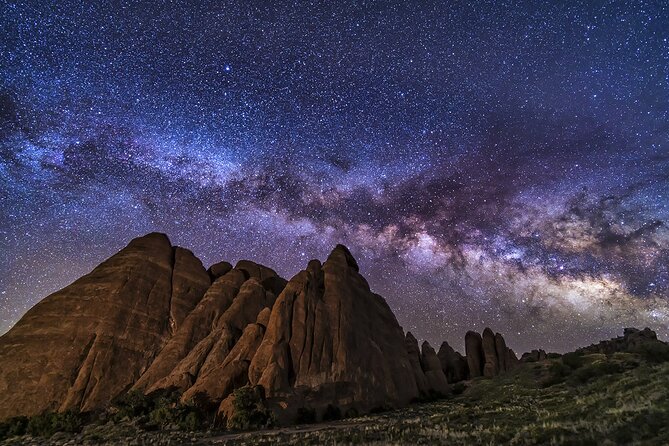
I would recommend this for a beginner or intermediate photographer who wants direct guidance in a remarkable setting. It also suits a small group of friends who want to learn together without being folded into a large coach tour.
It is a good choice if you have already visited Arches during daylight and want to see a different side of the park. The combination of red rock, darkness, and stars gives you a reason to return even if you have seen the main formations before.
You should think twice if you have poor night vision. The activity takes place in dark conditions, and the operator specifically advises against it for people who struggle to see at night. A headlamp helps, but it does not remove the basic challenge.
The tour is also a poor fit if you dislike late hours, have no camera, or want a relaxed sightseeing trip with little technical instruction. Cell phones may work, but results are not guaranteed, and the tour’s teaching is aimed at DSLR and mirrorless users.
Small Details That Make the Night Easier
Wear shoes and clothing suited to a moderate level of physical fitness. The exact walking distance is not given, so you should be ready for some movement in a dark national park rather than expecting to photograph entirely from the vehicle.
Bring a reusable water bottle, your camera manual if you have one, and a small bag that keeps equipment organized. Put your headlamp somewhere easy to reach, but use the red setting when possible.
Before booking, check the date carefully. Spring departures may happen after midnight, while fall availability may be tied to a sunset and night combination. The activity is generally cancellable up to 24 hours before departure for a full refund, but you should still wait for confirmation before finalizing tightly connected plans.
The operator is Rock Light Photo Tours. The published rating is 4 from four reviews, a small sample, so treat it as useful but limited evidence. The most consistent praise concerns patient instruction, helpful composition advice, and the guides’ ability to add park information without turning the evening into a lecture.
Should You Book It?
Book this tour if your main goal is to learn how to photograph the Milky Way in Arches National Park, especially if you are still finding your way around manual camera settings. Colin Young and Geremy have received strong praise for patient help, camera guidance, and thoughtful composition suggestions.
Skip it if you only want casual stargazing, rely entirely on a basic phone, or cannot handle a late-night schedule. Before paying, confirm the departure time, make sure your camera and lens meet the requirements, and verify that the tour is confirmed for your date.
For the right person, $275 buys more than a dark sky outing. It buys a small group, practical instruction, and a better chance of bringing home photographs that actually show what you saw above the red rocks.
FAQ
Where does the tour start?
It starts at the Moab Information Center, 25 E Center Street, Moab, Utah.
Where does the activity end?
The activity ends back at the meeting point.
How long does the tour last?
The tour lasts approximately three hours and thirty minutes.
How many people can join?
The maximum group size is four people.
Is pickup available?
Yes, pickup is offered.
What camera should I bring?
Bring a DSLR or mirrorless camera capable of shooting at least ISO 3200.
What lens is recommended?
A wide-angle lens is best, roughly 14mm to 35mm on a full-frame camera, or 10mm to 24mm on a crop-sensor camera. It should open to at least f/3.5 or wider.
Do I need a tripod?
A sturdy tripod is recommended. The operator may be able to loan a spare tripod, but this is not guaranteed.
Can I join without a DSLR or mirrorless camera?
You can still enjoy the tour without one, and late-model iPhones or advanced phone cameras may capture the Milky Way. Cameras are not provided.
What is included in the price?
The tour includes instruction, snack bars or trail mix with gluten-free options, and ice water for refilling reusable bottles. It does not include a camera.
More National Park Stargazing in the USA
- Stargazing in Zion National Park’s International Dark Sky
★ 5.0 · 73 reviews - Astro-Photo, Hiking and Stargazing Tour in Arches National Park
★ 5.0 · 63 reviews - Private Stargazing – Sequoia National Park
★ 4.5 · 14 reviews - Sequoia National Park: Group Stargazing Program
★ 4.7 · 10 reviews
Just added around the USA
- Stargazing and Milky Way Portrait in Capitol Reef National Park★ 4.5 · 13 reviews
- Temecula Wine Country Stargazing Tour★ 5.0 · 2 reviews
- Astronomy and Stargazing Tour in Utah★ 5.0 · 8 reviews
- Private Stargazing – Sequoia National Park★ 4.5 · 14 reviews
- Sunset Sedona Sacred Places -gourmet picnic dinner and stargazing★ 5.0 · 12 reviews
- Sedona Night Hike and Stargazing★ 5.0 · 7 reviews
- Stargazing Tour with Telescopes and Video Astronomy in Sedona★ 5.0 · 40 reviews
- PRIVATE Sedona Jeep Tour 4X4 Stargazing Tour at Night★ 4.5 · 11 reviews
Astrophotography Tours, compared.
Private astronomy tour with sunset toast, picnic, and astrophotography
Read our review →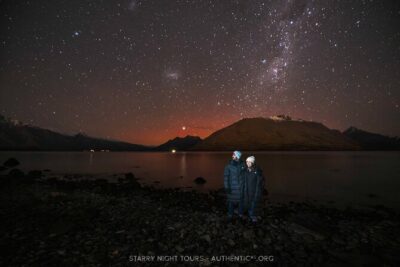
AuthenticAs Star Gazing -Nightscape Portrait Photography Tour
Read our review →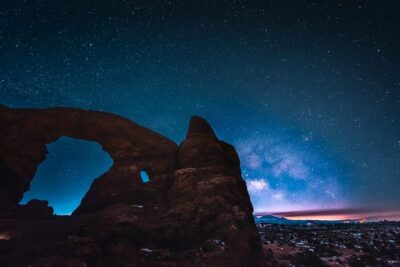
The Windows Astro-Photography and Stargazing Hike
Read our review →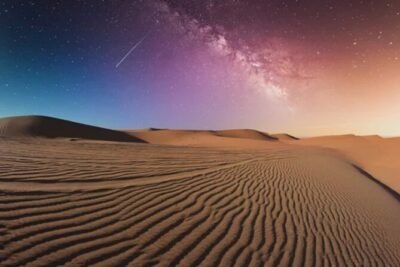
Doha Night Desert Safari, Stargazing, Photography، Relaxation
Read our review →
Private Stargazing Photography Tour In Kabira Bay
Read our review →Private Stargazing Photography Tour In Kabira Bay
Read our review →
Milky Way Photography Workshop in Acadia National Park
Read our review →Browse the lists this tour appears in