
Review · LAKE TEKAPO
Dark Sky Indoor Maori Cultural Astronomy Experience
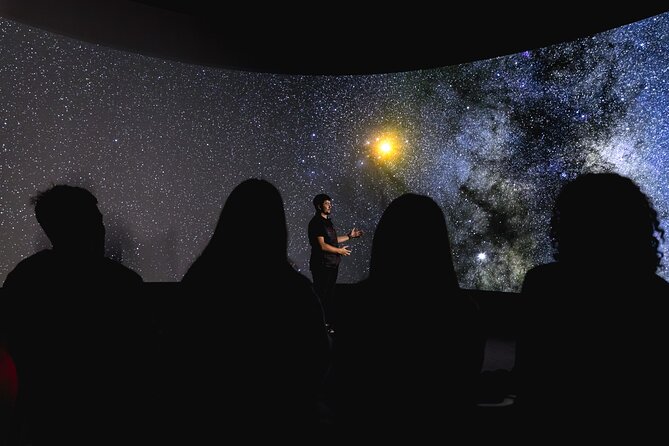
Stars do not need to wait for night. At Lake Tekapo’s Dark Sky Experience, I like the thoughtful blend of Māori astronomy and Western science, plus the fact that you can enjoy it in any weather. The four-zone format gives children something to do while adults take in the bigger ideas.
I also like the friendly, clear guiding. Several visitors praised the presentation style, including one guide who was happy to be called To, bro, or boy. The main limitation is simple: this is an indoor introduction, not a live stargazing session, so you will not look through a telescope at the night sky.
Key points before you book
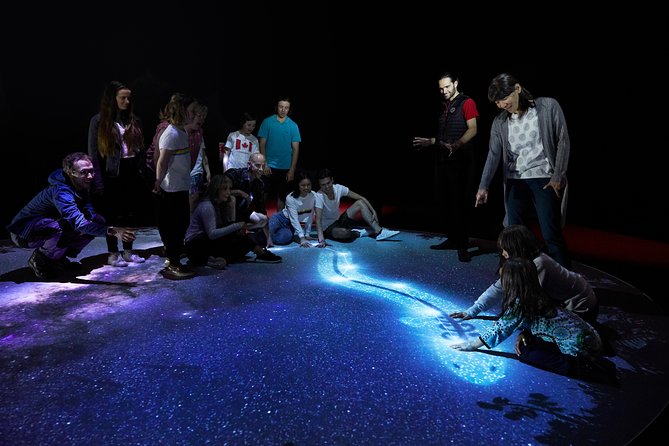
- Four interactive zones: Learn how Māori used stars and ocean currents for navigation, and explore star clusters, mythology, agriculture, and life.
- Works in bad weather: The indoor format runs year-round, making it a useful backup when clouds or rain spoil outdoor plans.
- Māori and Western science together: The presentation links indigenous ideas about the universe with modern scientific discovery.
- About 45 minutes with a guide: The total visit is roughly one hour, with a maximum group size of 26 people.
- A remarkable telescope indoors: See the restored 125-year-old Brashear Telescope, which rises nine metres.
- Family-friendly at $37.56 per person: The price is easiest to justify when you want a cultural and educational activity for several age groups.
Why Lake Tekapo is the right setting for this visit
Lake Tekapo sits inside the Aoraki Mackenzie International Dark Sky Reserve, a place known for its unusually dark skies. That setting gives the indoor presentation real purpose. You are not learning about stars in an ordinary city museum. You are hearing about the sky in a region where it has long shaped travel, stories, science, and local identity.
The attraction also solves a common South Island problem: weather. Outdoor stargazing depends on clear skies, but this experience does not. If rain, cloud, or an early bedtime gets in the way of a night tour, you can still spend part of your day learning how people have read the sky.
I see this as a cultural astronomy visit rather than a standard planetarium show. The focus is not only on naming planets or explaining astronomy. It also considers how Māori understood the universe, used stars for navigation, and connected celestial patterns with farming and daily life.
That distinction matters. You are not simply given a list of constellations. You are shown that the night sky can hold practical information, family stories, spiritual meaning, and scientific questions at the same time.
More Dark Sky Tours in Lake Tekapo:
- East Zion Dark Sky Stargazing Tour
★ 4.5 · 94 reviews - Sedona Dark Sky Sunset & Night Hike With a Private Guide
★ 5.0 · 86 reviews - Stargazing in Zion National Park’s International Dark Sky
★ 5.0 · 73 reviews
What happens inside the four zones
The guided visit moves through four interactive areas. The exact order is part of the presentation, but the main themes are clear and well connected.
One section looks at navigation. Māori voyagers used the stars, the movement of the sea, and ocean currents to find their way. This gives the sky a practical role. It was not a distant display above the horizon. It was part of a working system used to travel across the ocean.
You also learn about star clusters and their importance. The presentation places these groups of stars within Māori understanding, rather than treating them only as objects in a scientific chart. This is one of the strongest parts for families because it gives children a way to connect patterns in the sky with stories and human activity.
Mythology provides another layer. Stories help explain why certain stars and clusters matter, and they make the material easier to remember. The guides appear to be especially important here. The best feedback focused less on equipment and more on the quality of the storytelling, clear explanations, and a presentation that kept people engaged.
The final themes connect the sky with agriculture, life, and the origins of living beings. A science-based narrative explains how life came to be, while the wider visit presents Māori views of the universe and its place in everyday life. You get a conversation between scientific discovery and cultural understanding, not a contest between the two.
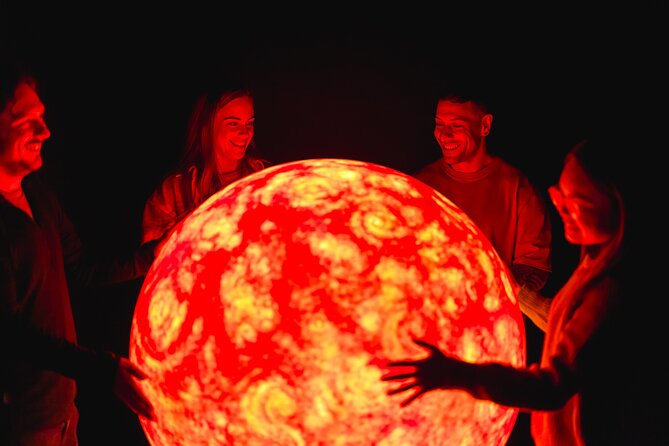
Hands-on and multimedia elements keep the experience from becoming a short lecture. That will help families with children, though adults who want detailed technical astronomy may find the treatment more introductory than specialist.
The Māori astronomy focus is the heart of the visit
The strongest reason to choose this activity is its cultural focus. Many astronomy attractions concentrate on distant galaxies, telescopes, and scientific facts. Here, the sky is also presented as part of Māori heritage.
You learn how celestial knowledge relates to navigation, agriculture, and life. That makes the visit useful before or after exploring other parts of the South Island, because it gives you a clearer sense of how the natural world has been interpreted in Aotearoa New Zealand.
The presentation also avoids separating culture and science into two unrelated subjects. Instead, it shows how different ways of understanding the sky can sit beside each other. That is a valuable approach, especially for children who may assume there is only one kind of answer to a question about the universe.
The guides receive particularly strong praise for making these ideas easy to follow. The presentation is described as clear, lively, and well delivered. One guide, To, was remembered for being highly interactive and comfortable with an informal style. That sort of warmth can make a big difference in a short visit.
Still, the quality of a guided presentation can vary with the person leading it. The experience depends more on explanation and storytelling than on a long list of objects to inspect, so the guide is a central part of what you receive.
The Brashear Telescope adds a touch of real history
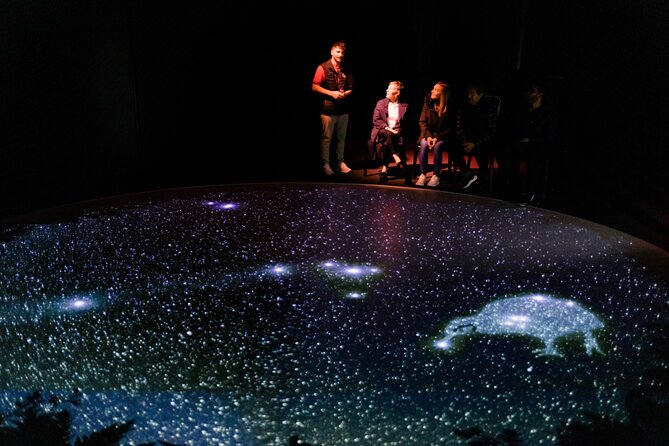
The restored Brashear Telescope is one of the most memorable physical features. This Victorian-era instrument is 125 years old and rises nine metres, giving the indoor visit a strong visual centre.
It is worth pausing here rather than treating it as decoration. The telescope connects the modern presentation with earlier attempts to study the heavens through careful observation. Its age also adds a sense of continuity: people have been building tools to understand the sky for generations, while Māori star knowledge reaches back through a much longer cultural tradition.
The telescope does not turn this into an outdoor viewing session. You should not book the visit expecting a chance to observe stars through the instrument. Its value is historical and atmospheric, while the four zones provide the main learning experience.
More Stargazing Tours in Lake Tekapo:
- Lake Tekapo: Alpine Stargazing Experience with a Guide
★ 4.5 · 626 reviews - Lake Tekapo: Stargazing Experience
★ 4.9 · 607 reviews - Chameleon Stargazing Shared Tour
★ 5.0 · 181 reviews - Lake Tekapo: Mountaintop Stargazing at Mount John Summit
★ 4.5 · 176 reviews
A good rainy-day plan for families

This is one of the more useful family activities in Lake Tekapo because it does not rely on the weather. The visit lasts about 45 minutes with a guide, while the full stop is listed at approximately one hour. That makes it easy to fit around meals, drives, or other activities.
Children have multimedia displays and hands-on elements to keep them involved. Adults receive cultural context and a science narrative, so the whole group does not have to pretend to enjoy the same thing. It is a good choice when grandparents, parents, and children need one activity that can work for different ages.
The format also helps on a cloudy evening. One family booked the indoor session specifically because the forecast would not provide a clear view of the southern sky. Their children still learned about the constellations, and the guide kept the material lively.
Rainy-day value is not the only reason to visit. Even with perfect weather, you may prefer to understand the Māori relationship with the sky before attempting outdoor stargazing. The indoor presentation gives you a cultural framework that a telescope session alone may not provide.
The trade-off is that younger children may finish quickly once the guided portion ends. The attraction is designed to engage all ages, but it is still a short educational visit rather than a full-day family centre. Coffee, tea, and snacks are not included, so plan those separately.
How the price compares with what you receive
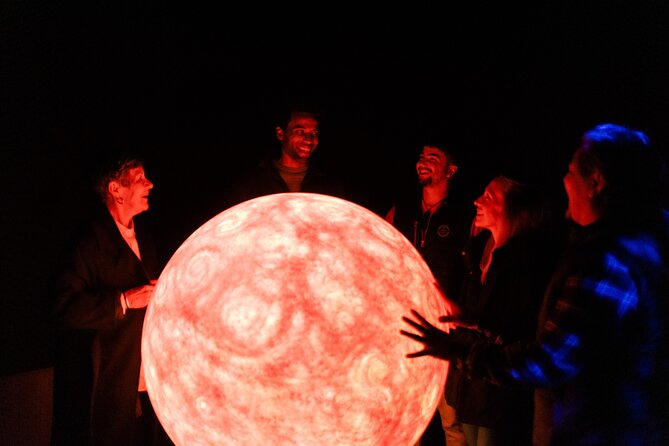
At $37.56 per person, this is not a throwaway stop, especially for a large family. The value depends on what you want from your time in Lake Tekapo.
I think the price is fair if you value three things: a guided presentation, Māori cultural content, and a reliable indoor activity. You are paying for more than a room of displays. A guide leads you through four zones, explains the connection between Māori astronomy and Western science, and presents the material in a way that has been praised for being clear and entertaining.
The cost is harder to justify if you want only a quick look at a telescope or a conventional science museum. The guided visit is short, and the experience is more about ideas, stories, and interpretation than about a large collection of astronomical objects.
For a family facing rain, the calculation improves. A weather-proof attraction can save an afternoon that might otherwise be spent waiting for the clouds to clear. For solo visitors and couples, the cultural content may be the deciding factor rather than the number of exhibits.
There were more than 10 bookings in the previous month, which suggests steady interest, but the group limit of 26 keeps the activity from becoming a very large gathering. I would book ahead if the time matters to you, especially when your schedule in Lake Tekapo is tight.
Timing, meeting point, and practical details
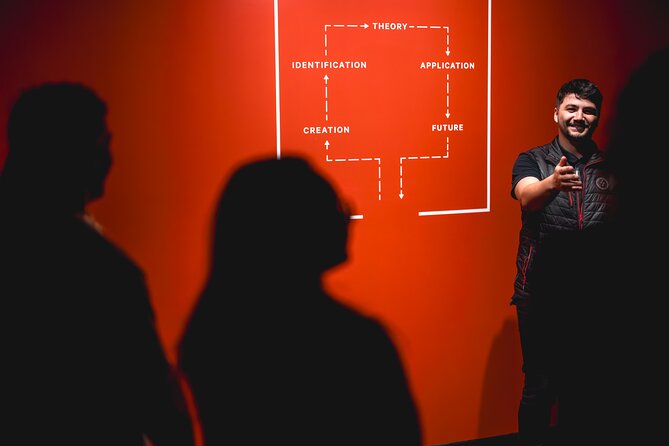
The experience begins at 1 Motuariki Lane, Lake Tekapo 7999, and ends at the same location. It is near public transportation, and confirmation is provided when you book.
The advertised guided portion lasts 45 minutes. Allow about an hour in total so you are not rushing at the beginning or end. The small maximum group size of 26 should make it easier to hear the guide and follow the movement between zones.
Mobile tickets make entry simple. Service animals are allowed, and most people can take part. The attraction operates year-round, which is useful in a destination where outdoor plans can change quickly.
Free cancellation is available if you cancel at least 24 hours before the start time. Changes or cancellations inside that window are not refunded. If the minimum number of participants is not reached and the activity is cancelled, you are offered another date or experience, or a full refund.
Who will get the most from this astronomy experience
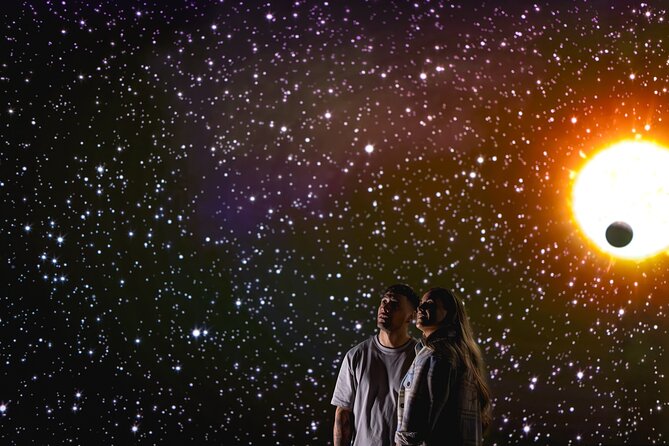
I would recommend it most strongly to families with school-age children, visitors facing poor weather, and anyone who wants Māori culture to be part of a South Island itinerary. The hands-on format gives children a reason to pay attention, while the navigation and mythology themes give adults plenty to think about.
It also suits visitors who are curious about astronomy but do not have specialist knowledge. The presentation is designed to be easy to follow, and the guides have been praised for explaining complex ideas in plain language.
You may want to choose a different activity if your main goal is outdoor stargazing, telescope viewing, or advanced astronomy. This attraction explains the sky and places it in cultural context, but it does not replace a clear night outside.
I would also avoid treating it as a rushed filler between major stops. The visit is short, but its best ideas need a little attention. Give yourself enough time to listen to the stories and consider how navigation, food production, science, and family traditions can all connect to the stars.
Should you book the Dark Sky Experience?
Book it if you want a dependable, family-friendly visit that combines Māori astronomy, science, storytelling, and a striking historic telescope. It is especially useful when the forecast is poor or when you want a cultural experience that does not depend on darkness.
Skip it if you are seeking live views through a telescope or a long technical astronomy session. At $37.56 per person, the value comes from the guide, the cultural perspective, and the weather-proof format.
For most visitors spending time around Lake Tekapo, I think it earns a place in the plan. It gives you a better way to think about the night sky, even before the sun goes down.
FAQ
Where does the Dark Sky Experience take place?
It takes place at 1 Motuariki Lane, Lake Tekapo 7999, New Zealand. The activity ends back at the same meeting point.
How long does the experience last?
The guided tour lasts about 45 minutes. The overall visit is approximately one hour.
Is the experience suitable for children?
Yes. It is designed for all ages and includes multimedia exhibits and hands-on activities that are suitable for families.
Does the experience operate in bad weather?
Yes. It is an indoor experience that operates year-round, so it does not depend on clear skies or nighttime conditions.
How many people can join the tour?
The activity has a maximum group size of 26 people.
Is the Brashear Telescope included?
Yes. You can view the restored 125-year-old Brashear Telescope, a nine-metre-tall Victorian-era telescope.
Can I cancel for a full refund?
Yes, if you cancel at least 24 hours before the experience start time. Cancellations made less than 24 hours before the start time are not refunded.
Just added around Lake Tekapo
- Virtual Stargazing & Astronomy Experience in Lake Tekapo★ 3.0 · 2 reviews
- Lake Tekapo Ultimate Stargazing Experience★ 5.0 · 3 reviews
- Lake Tekapo: Indoor Māori Cultural Astronomy Experience★ 4.5 · 43 reviews
- Lake Tekapo: Ultimate Stargazing Experience★ 4.3 · 12 reviews
- Lake Tekapo: Virtual Stargazing and Astronomy Experience★ 4.5 · 8 reviews
- Lake Tekapo: Stargazing Experience at Cowan’s Observatory★ 4.7 · 52 reviews
- Lake Tekapo: 1.5-Hour Hot Pools & Stargazing Experience★ 4.0 · 45 reviews
- Stargazing Experience at Cowan’s Private Observatory★ 4.0 · 85 reviews
Dark Sky Tours, compared.
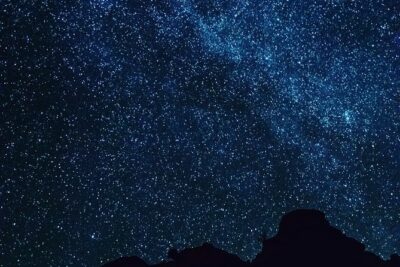
Sedona Dark Sky Sunset & Night Hike With a Private Guide
Read our review →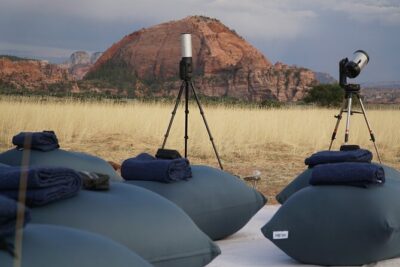
Stargazing in Zion National Park’s International Dark Sky
Read our review →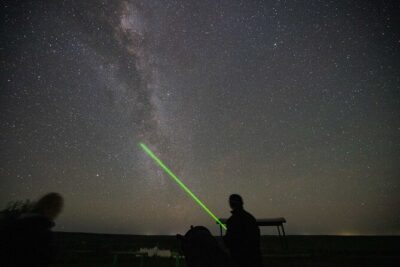
Small-Group River Murray Dark Sky and Sunset Tour with Dinner
Read our review →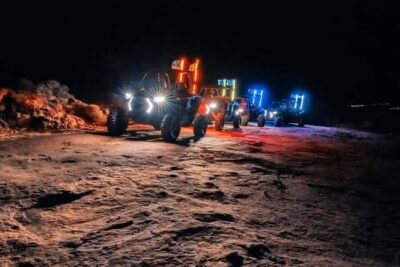
Greater Zion: Dark Sky UTV Tour with Stargazing
Read our review →
Browse the lists this tour appears in